
Stainless Steel Flexible Electrical Conduit
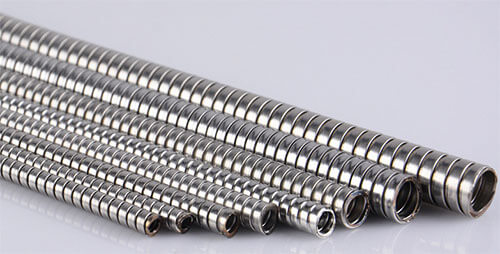
Hey there, fellow DIY enthusiasts and anyone who's ever stared at a tangled mess of wires and thought, "There HAS to be a better way!" Today, we're diving into the wonderful world of something that might sound a little… well, stiff to begin with: Stainless Steel Flexible Electrical Conduit. Don't let the fancy name fool you; this stuff is actually your new best friend when it comes to keeping your electrical life neat, tidy, and safe. Think of it as a fancy, super-strong snake for your wires. Pretty cool, right?
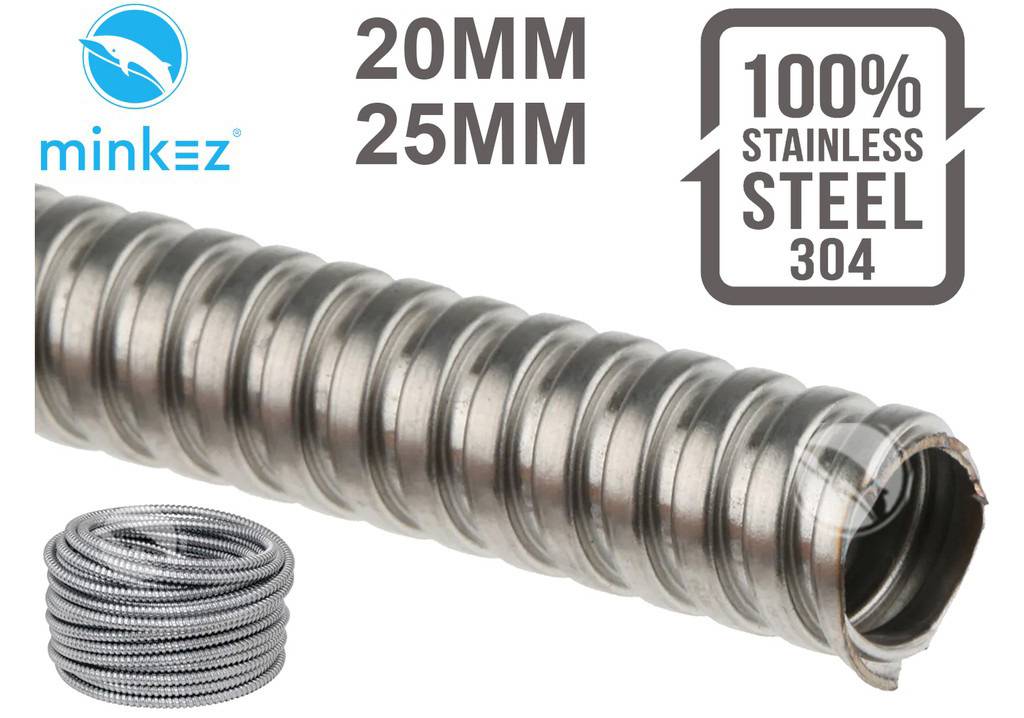
So, what exactly is this magical tubing? Basically, it's a tube made out of thin strips of stainless steel that are wound together. This creates a flexible, yet incredibly tough, pathway for your electrical wires. It’s like a knight’s armor for your precious cables, but way more bendy! Imagine trying to run wires through a tight corner or around some awkward machinery. Trying to force straight conduit there would be like trying to teach a cat to do ballet – messy and likely to end in disaster. But with flexible conduit? It’s a breeze!
Why stainless steel, you ask? Ah, a question that tickles my technical fancy! Stainless steel is, as the name suggests, stainless. This means it doesn't rust. Hallelujah! No more worrying about moisture turning your conduit into a crumbly mess. It's also super resistant to corrosion, which is a big deal if your project is anywhere near… well, anything that might get a bit damp or salty. Think garages, workshops, maybe even that slightly questionable outdoor shed where you keep your lawnmower and those mystery jars.
Plus, it’s ridiculously strong. You could probably run a small truck over it (though I highly advise against testing this theory, for obvious reasons!). This toughness means it’s fantastic for protecting your wires from physical damage. We're talking about bumps, scrapes, and even the occasional enthusiastic pet deciding your wires look like a new chew toy. Keep those little furballs away, people!
Now, let’s talk about the flexible part. This is where the magic really happens. Unlike rigid conduit, which is as straight as an arrow and just as unyielding, flexible conduit can bend and twist to fit your needs. Need to go around a curve? No problem. Need to snake through a tight space? Easy peasy. It’s like having a wire whisperer, guiding your cables exactly where they need to go without a fuss.
Different Flavors of Flexible Conduit
Just when you thought it was simple, there are a few different types of stainless steel flexible conduit out there. Don’t panic, it’s not rocket science (though sometimes it feels like it, doesn't it?). The main differences are in how the steel strips are interlocked and the resulting properties.
You'll often hear about interlocked or gimbal construction. Interlocked is probably the most common. Imagine tiny C-shaped strips of steel that hook into each other. This gives it great flexibility and also a good amount of crush resistance. It’s the workhorse of the flexible conduit world. It’s like the comfortable old sneakers of your electrical toolbox – reliable and ready for anything.
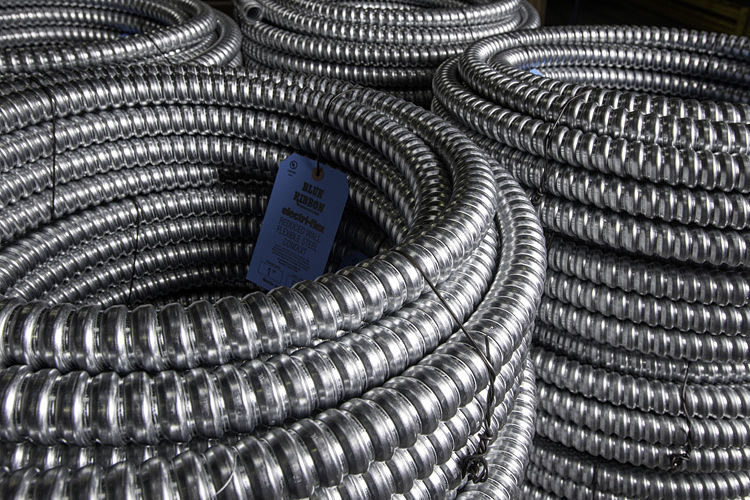
Then there’s the gimbal type. This is a bit more advanced, often with a smoother, more circular profile. It can be even more flexible and might offer a better seal against dust and moisture. Think of this as the fancy running shoes for your wires – sleek and efficient.
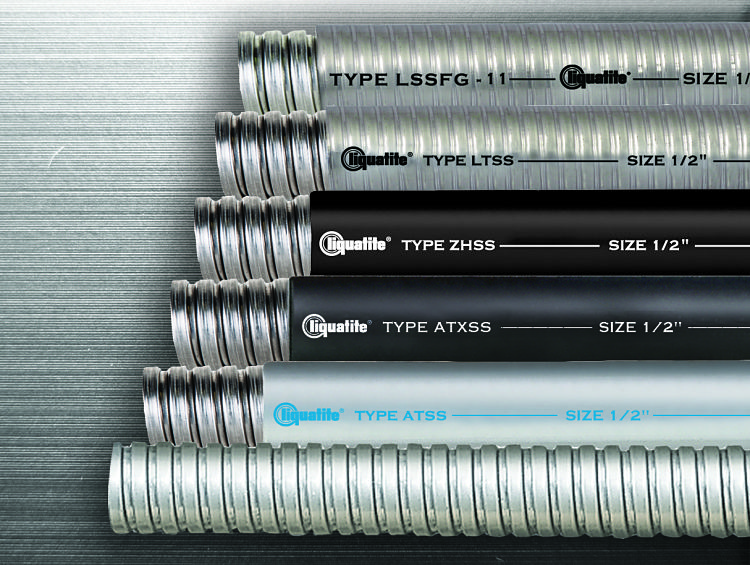
There’s also the matter of the inner core or lack thereof. Some flexible conduit has an inner lining, often made of PVC or other plastic. This adds an extra layer of protection and can make it easier to pull wires through. It's like giving your wires a cozy sleeping bag for their journey. Others are “bare,” meaning just the interlocking metal. This is often more durable and can handle higher temperatures, but pulling wires might be a tad trickier. It’s all about choosing the right tool for the job, my friends!
Where Does This Marvel of Engineering Shine?
So, where would you actually use this stuff? The applications are surprisingly broad!
Machine Connections: This is a big one. Think about any machinery that moves, vibrates, or has parts that need to articulate. You need a conduit that can flex and move with it without kinking or breaking. Stainless steel flexible conduit is perfect for this. It's like giving your machine's electrical system a flexible spine, allowing it to bend and twist without losing its electrical integrity. Imagine a robot arm – it needs to move freely, and its wiring needs to keep up without getting tangled or strained. That’s where this conduit comes in like a silent, metallic hero.
Outdoor Applications: Remember that rust-resistant superpower? That makes it ideal for any outdoor electrical runs. Exposed to the elements? Rain, sun, maybe even a rogue sprinkler? Stainless steel flexible conduit is built to handle it. It's like giving your outdoor lights and power outlets a suit of armor against Mother Nature’s whims. No more worrying about corrosion weakening your connections. It’s a tough cookie!
High-Temperature Environments: Certain types of stainless steel flexible conduit can handle some serious heat. If you're working near an engine, a furnace, or any place where things get toasty, this stuff can be a lifesaver. It protects your wires from melting or degrading in the heat. It’s like giving your wires a tiny, heat-resistant oven mitt.
Areas Prone to Vibration: Lots of machinery vibrates, and this can wear down standard wiring over time. Flexible conduit absorbs some of that vibration, protecting the wires inside and extending their lifespan. It’s like giving your wires a gentle massage while they’re working hard. Less wear and tear, more happy electrical circuits!
Tight Spaces and Complex Runs: This is where its flexibility truly shines. Instead of trying to force straight conduit into impossible angles, you can bend and maneuver flexible conduit with ease. It makes those tricky installations a lot less frustrating. It's like having a flexible straw for your electrical needs – bends wherever you need it to!
General Protection: Even in less extreme environments, flexible conduit offers excellent protection against physical damage. If your wires are in an area where they might get bumped, scraped, or otherwise abused, this is a robust solution. It’s the bodyguard of the electrical world.
Benefits Galore! Let's Count 'Em!
Okay, so we’ve touched on some of the advantages, but let’s really hammer them home. Why should you reach for stainless steel flexible conduit instead of, say, good old-fashioned spaghetti (not the electrical kind, obviously)?
- Durability: We’ve mentioned it a million times, but it bears repeating. This stuff is tough. It resists corrosion, rust, and physical damage. It’s built to last, which means fewer headaches and fewer emergency repairs down the line. Think of it as a long-term investment in electrical peace of mind.
- Flexibility: The star of the show! It bends and maneuvers to fit your needs, making installations in tight or complex spaces a dream. No more wrestling with stubborn, rigid pipes.
- Safety: By protecting your wires from damage and the elements, you’re significantly improving the safety of your electrical system. Fewer exposed wires mean fewer chances of shorts, shocks, or fires. It’s like putting your wires in a safe, cozy, and unbreachable fortress.
- Longevity: Because it’s so durable and protective, your wiring system will likely last much longer. This saves you time, money, and the sheer annoyance of having to replace things prematurely.
- Ease of Installation (relatively speaking): While pulling wires through any conduit can be a bit of a wrestling match, the flexibility of this conduit makes the routing part much, much easier. Especially if you have that inner liner.
- Versatility: From the workshop to the great outdoors, it’s suitable for a wide range of applications. It’s the Swiss Army knife of electrical protection.
Things to Consider (Because Nothing is Perfect, Except Maybe Chocolate)
While stainless steel flexible conduit is pretty darn awesome, there are a few things to keep in mind:
Cost: Let’s be honest, stainless steel isn't the cheapest material. You might find that flexible conduit costs a bit more upfront than some of its plastic or galvanized steel counterparts. However, when you factor in the durability and longevity, it often pays for itself in the long run. It’s like buying a really good pair of shoes – they cost more, but they’ll last you for ages.
Bending Radius: While it's flexible, it does have a limit. You can't tie it in a knot (again, please don't try). There's a minimum bending radius it can handle without kinking or damaging the interlocking mechanism. Check the manufacturer's specifications for this! It's like not bending a paperclip too many times, or it'll snap.
Pulling Wires: If you're using a conduit without an inner liner, pulling multiple wires through can sometimes be a bit of a challenge. You might need a bit of lubricant (specifically designed for electrical wire pulling, of course!) and a lot of patience. It’s like threading a needle with a slightly frayed thread – doable, but requires a gentle touch and maybe a bit of humming for good luck.
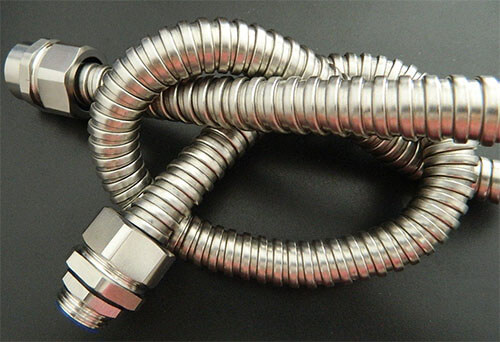
Fittings: You’ll need appropriate fittings to connect the conduit to junction boxes, panels, or other conduit runs. Make sure you get the right size and type of fitting for your specific conduit. It’s like needing the right key for the lock – crucial for a secure connection.
Making the Switch: When to Go Flexible
So, when is it time to ditch the rigid and embrace the bendy?
If your project involves any movement or vibration, flexible conduit is usually your best bet. If you're working outdoors or in a potentially damp environment, that stainless steel protection is invaluable. If you have a particularly tricky routing or a lot of tight corners, flexible conduit will save your sanity (and possibly your knuckles). And honestly, if you just want that extra layer of robust protection for your wires, it’s a solid choice.
Think of it as upgrading your electrical system's wardrobe. Sometimes, a sturdy, flexible outfit is exactly what it needs to tackle the world with confidence and resilience. It’s not just about protecting wires; it’s about building a reliable, safe, and enduring electrical infrastructure.
And hey, at the end of the day, wrestling with wires can be a bit of a chore. But when you’ve got the right tools, like this nifty stainless steel flexible conduit, it can transform a daunting task into something… well, manageable. Maybe even a little satisfying! So, the next time you’re planning an electrical project, remember this flexible wonder. It’s ready to bend over backwards for your wires, keeping them safe, sound, and smiling… just like you’ll be when you see the beautifully organized and protected result!