
Stainless Steel Gasless Mig Wire

Hey there, fellow tinkerers and garage wizards! Grab your mug, settle in, because we need to talk about something pretty darn cool that’s been making waves in the welding world. We're diving deep, or at least a good shallow wading, into the magical realm of stainless steel gasless MIG wire. Yeah, you heard me. Stainless steel. Without the bulky gas bottle. Mind-blowing, right?
So, imagine this: you’re in your happy place, the workshop, got a killer project brewing. Maybe it’s a sweet custom exhaust for your ride, or perhaps you’re building that epic outdoor grill you’ve been dreaming of. And you want it to look chef’s kiss gorgeous, that shiny, rust-proof beauty of stainless steel. But then comes the dreaded thought: gas. The big, clumsy bottle, the regulator, the hoses… it’s like bringing a whole extra toolbox just for the shielding gas. Ugh. Who has the space? Who wants the hassle?
Well, my friends, that’s where our superhero, the gasless MIG wire, swoops in. Think of it as the all-in-one solution. It’s like a self-sufficient welder, all packed into one neat little spool. No gas bottle needed! Seriously, no gas. How does it do its magic? It’s all thanks to some clever chemistry happening right there at the tip of your welding gun. The wire itself is packed with these special flux ingredients. When you start welding, these ingredients get all excited, melt, and create a protective cloud of shielding gas. Bam! Protection achieved. Pretty neat, huh?
And for stainless steel? Oh man, that's the real kicker. Stainless steel. It's beautiful, it's durable, it doesn't rust. What's not to love? But it can be a bit… finicky. It needs that proper protection when you're welding it, otherwise, you can end up with all sorts of nasty stuff happening. We're talking discoloration, oxidation, even a reduction in its precious corrosion resistance. And nobody wants a rusty stainless steel project, do they? That would be a betrayal of its very essence!
So, the traditional way to weld stainless steel MIG is with good ol' Argon or a Tri-mix gas. Great stuff, don't get me wrong. It does its job like a champ. But like I said, the gear. Plus, you've got to be really careful about drafts. A little breeze can totally ruin your gas shield, and then you're back to square one, staring at a weld that looks like it went through a paintball fight. Not ideal. Especially when you’re trying to get that mirror finish.
Now, this gasless MIG wire for stainless steel, it's not some newfangled, untested gimmick. It’s been around, and it’s gotten good. Really good. It’s designed to give you that excellent protection without the need for external gas. So, you can be out in the open, maybe a slightly breezy garage, or even… dare I say it… outdoors, and still get a decent weld. This is huge for us DIY folks, the hobbyists, the guys who don't have a dedicated welding bay with perfect climate control. We just want to build cool stuff, right?
So, why should you even care about this gasless stuff?
Let’s break it down, shall we? Think about the convenience. No more lugging around those heavy gas cylinders. Seriously, if you’ve ever had to wrestle a full argon bottle into your car, you know what I’m talking about. It’s an Olympic sport. With gasless wire, it’s just you, your welder, and a spool. Simpler. Faster. Less chance of back injury. Win-win-win.

Then there's the portability. Imagine taking your welder to a job site, or even just moving it around your property. Without the gas bottle, it’s way easier. You're more mobile. You can reach those awkward spots without tripping over a hose or worrying about knocking something over. It’s freedom, people! Welding freedom!
And the cost, let’s not forget the cost. Gas can be pricey. Refills, rental fees… it all adds up. While gasless wire might have a slightly higher initial cost per pound compared to regular MIG wire, when you factor in the elimination of gas costs, it can actually be more economical in the long run, especially for smaller projects or infrequent welding. Plus, no more surprise bills when you go to swap out an empty cylinder.
Now, you might be thinking, "Okay, it's convenient, portable, and potentially cheaper. But how's the weld quality?" Ah, the million-dollar question. And the honest answer is… it’s getting there. For a long time, gasless wire, especially for stainless, was a bit of a mixed bag. You’d get some good welds, and then some… well, let’s just say they weren’t winning any beauty contests. There could be spatter, porosity, and the dreaded "sugaring" on the back of the weld.
But here’s the exciting part: technology marches on! Manufacturers have been putting a lot of brainpower into developing better formulations for these flux-cored wires. Modern gasless stainless steel MIG wires are a revelation. They offer significantly improved arc stability, reduced spatter, and much better weld bead appearance. You can actually get some pretty darn nice-looking welds with them now. Seriously, some of them rival the appearance of gas-shielded welds.
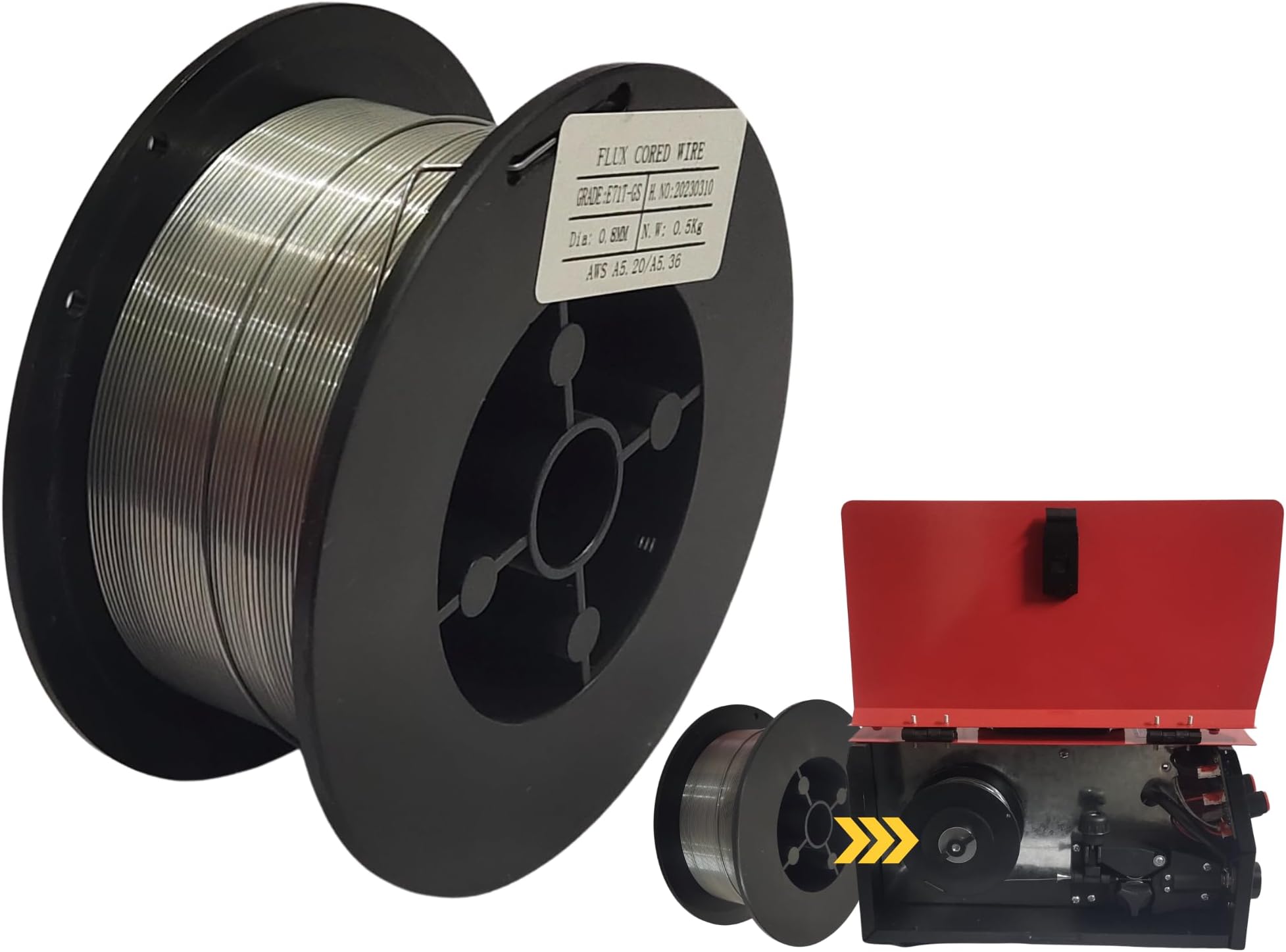
You'll still find that the best results, especially for critical applications where aesthetics are paramount or for high-pressure tubing, often still lean towards gas shielding. But for a huge range of common projects, like fabricating brackets, working on exhaust systems, or even building some stylish outdoor furniture, gasless stainless steel MIG wire is more than up to the task. It’s about finding the right tool for the right job, and this wire is becoming an increasingly powerful tool in our arsenal.
So, what are the catches? Because nothing is perfect, right?
Let's be real. There are always a few things to keep in mind. The biggest one is probably the slag. Because the flux is actually in the wire, it melts and creates slag during the welding process. Think of it like stick welding, but with a MIG gun. This slag needs to be cleaned off after welding. It’s usually pretty easy to chip off, but it’s an extra step. You can’t just grind and go, like you might with some gas-shielded welds. So, factor in some cleaning time.
Then there's the spatter. While it's gotten way better, gasless wires can sometimes produce a bit more spatter than their gas-shielded counterparts. This means you might need to do a bit more cleanup, and you definitely want to make sure your welding machine and surrounding area are protected. Nobody likes picking tiny hot metal bits out of their eyebrows. Trust me on this one.
Penetration can also be a bit different. Some gasless wires tend to have slightly less penetration than their gas-shielded cousins on the same settings. This isn't always a bad thing, as it can make them more forgiving on thinner materials, but for thicker stuff, you might need to adjust your technique or settings to ensure you get good fusion. It’s all about experimenting and finding what works best for your specific setup and material.

And here’s a crucial one for stainless steel: oxidation and discoloration. While the flux does provide shielding, it’s not always as robust as a dedicated gas shield, especially in windy conditions. This means you can still get some discoloration on your stainless steel welds. It might not be as bad as with no shielding at all, but it’s something to be aware of. For those super critical, bright and shiny welds, you might still want to consider a gas shield, or at least a very calm environment.
Also, wire feed speed can be a bit more sensitive. Because the flux is integral, the wire’s diameter and consistency can affect how it feeds through your machine. You might need to do a bit of fine-tuning on your feed rollers and tension to get the smoothest feeding action. It’s not usually a major issue, but it’s worth keeping an eye on.
So, who is this gasless stainless steel MIG wire really for?
Honestly? It’s a fantastic option for the DIY enthusiast. The home mechanic, the metal artist, the weekend warrior who wants to build cool stuff without the fuss of gas. If you’re not fabricating rocket ships or medical implants, this wire could be your new best friend.
It’s also great for mobile welding. If you’re the type of person who gets called out to fix things, or you do a lot of on-site work, ditching the gas bottle is a game-changer. Think about working on a boat, a farm, or even just a tricky spot in your own yard. The freedom to move is priceless.

And for those who have a limited budget or space. If you’re just starting out, or if your welding corner is more of a corner than a full-blown shop, gasless wire makes getting started with stainless steel MIG welding much more accessible. No need for a dedicated regulator or a gas cage!
A word to the wise: choosing the right wire
Just like with anything in life, not all gasless stainless steel MIG wires are created equal. You’ll find different types out there, designed for specific stainless steel grades. Make sure you're grabbing the right one for your project. Are you working with 304 stainless? 316? There are wires formulated for each. Using the wrong one can lead to, you guessed it, less-than-ideal results. So, do a little homework. Read the packaging. Consult the manufacturer's recommendations. It's like picking the right tool for the job; you wouldn't use a hammer to screw in a screw, right?
Also, pay attention to the manufacturer’s recommendations for welding parameters. They’ll give you a good starting point for voltage, wire speed, and polarity. It’s always a good idea to do some test welds on scrap material before you dive into your main project. Dial in those settings. Get a feel for how the wire behaves. This is where the magic happens, where you go from a novice to a pro… or at least a very competent welder!
And don't be afraid to try different brands. What works like a dream for one person might be a bit finicky for another. We all have different machines, different welding styles, and different environmental factors. So, if the first spool you try doesn't blow your socks off, don't give up. Experiment! Find the brand and type that sings to your welding soul. It’s a journey, my friends, a journey of molten metal and triumphant welds!
So, there you have it. Gasless stainless steel MIG wire. It’s not a magic wand, but it’s pretty darn close for a lot of us. It’s about making our lives easier, our projects more achievable, and our stainless steel creations shine a little brighter, all without the fuss of a gas bottle. It’s a testament to how far welding technology has come, and I, for one, am pretty darn excited about it. Now, go forth and weld something awesome!