
Stainless Steel On Stainless Steel Galling
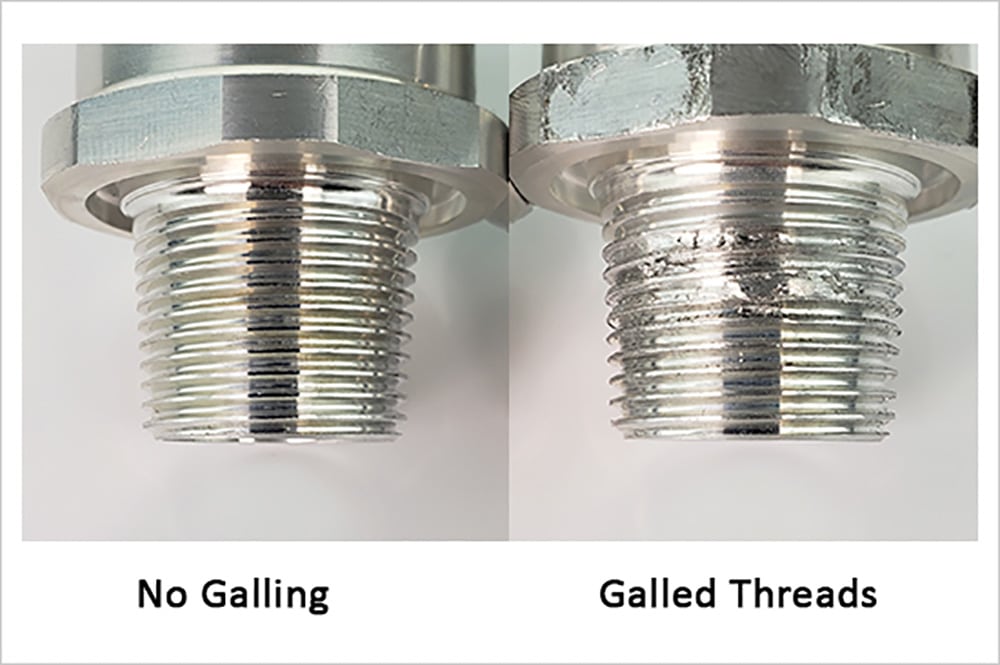
Ever found yourself admiring that gleaming stainless steel sink, or perhaps the sleek finish on your favorite kitchen appliance? Stainless steel is a superhero of modern materials, admired for its durability, rust resistance, and undeniably attractive shine. But even superheroes have their Kryptonite! Today, we're diving into a little-known but super useful quirk of stainless steel: galling. Don't let the fancy word scare you; it's a fascinating little phenomenon that’s actually pretty easy to understand, and knowing about it can save you a lot of frustration, especially if you work with metal or just love a well-maintained home.
So, what exactly is galling? Think of it as stainless steel's version of sticking or seizing. When two stainless steel surfaces rub against each other under pressure, tiny bits of metal can actually transfer from one surface to the other. It's like a mini, microscopic welding job happening right before your eyes! This can make it incredibly difficult to tighten or loosen bolts, screws, or any moving parts made of stainless steel. For beginners who are just starting to build or repair things, understanding galling is a fantastic way to prevent headaches down the line. Families might appreciate knowing this when assembling new furniture or dealing with outdoor equipment that uses stainless steel components – no more struggling with stubborn screws!
Hobbyists, especially those into metalworking, model making, or even high-end bicycle maintenance, will find this knowledge particularly invaluable. Imagine you're meticulously assembling a model ship with stainless steel fittings, or adjusting a sensitive mechanism. Galling can turn a satisfying project into a sticky, frustrating mess. Knowing how to avoid it ensures your creations remain smooth and functional.
Examples of where you might encounter galling are everywhere. Think about the stainless steel bolts on your boat trailer, the hinges on your stainless steel gate, or even the screws holding together a high-quality kitchen gadget. If you’ve ever felt a screw just stop turning, or require way too much force, you might have experienced galling firsthand. There are variations too; sometimes it's light, and other times it can be so severe that the parts are practically fused together. Some stainless steel alloys are more prone to galling than others, but the basic principle remains the same.
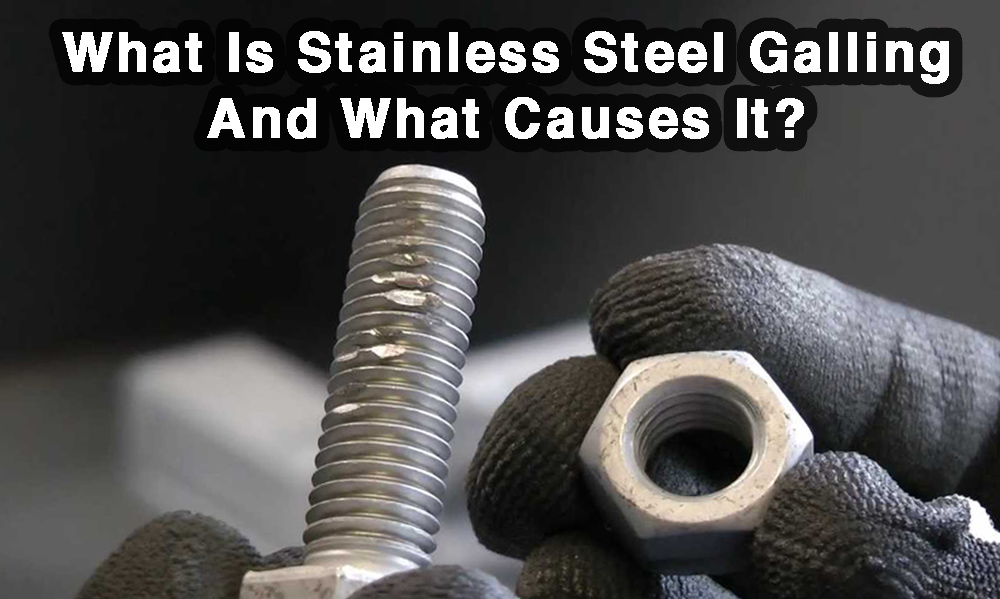
Getting started with preventing galling is surprisingly simple. The golden rule is to reduce friction. The easiest way to do this is by using a lubricant. For most everyday applications, a little bit of anti-seize compound specifically designed for stainless steel is your best friend. Other options include graphite-based lubricants or even a dab of petroleum jelly for less demanding jobs. Another tip is to avoid over-tightening. Once a stainless steel fastener is snug, give it a little extra nudge, but don't go all out. For more serious applications, consider using different materials for mating parts or exploring specialized coatings. Cleaning the surfaces thoroughly before assembly can also make a difference – grit and debris can exacerbate the problem.
In conclusion, understanding stainless steel galling isn't just about knowing a technical term; it's about gaining a practical skill that makes working with this popular material much more enjoyable and successful. So next time you’re working with stainless steel, remember to keep it well-lubricated and avoid that excessive force, and you'll be rewarded with smoother operations and a greater appreciation for this versatile metal.