
Stainless Steel Or Galvanized For Outdoors
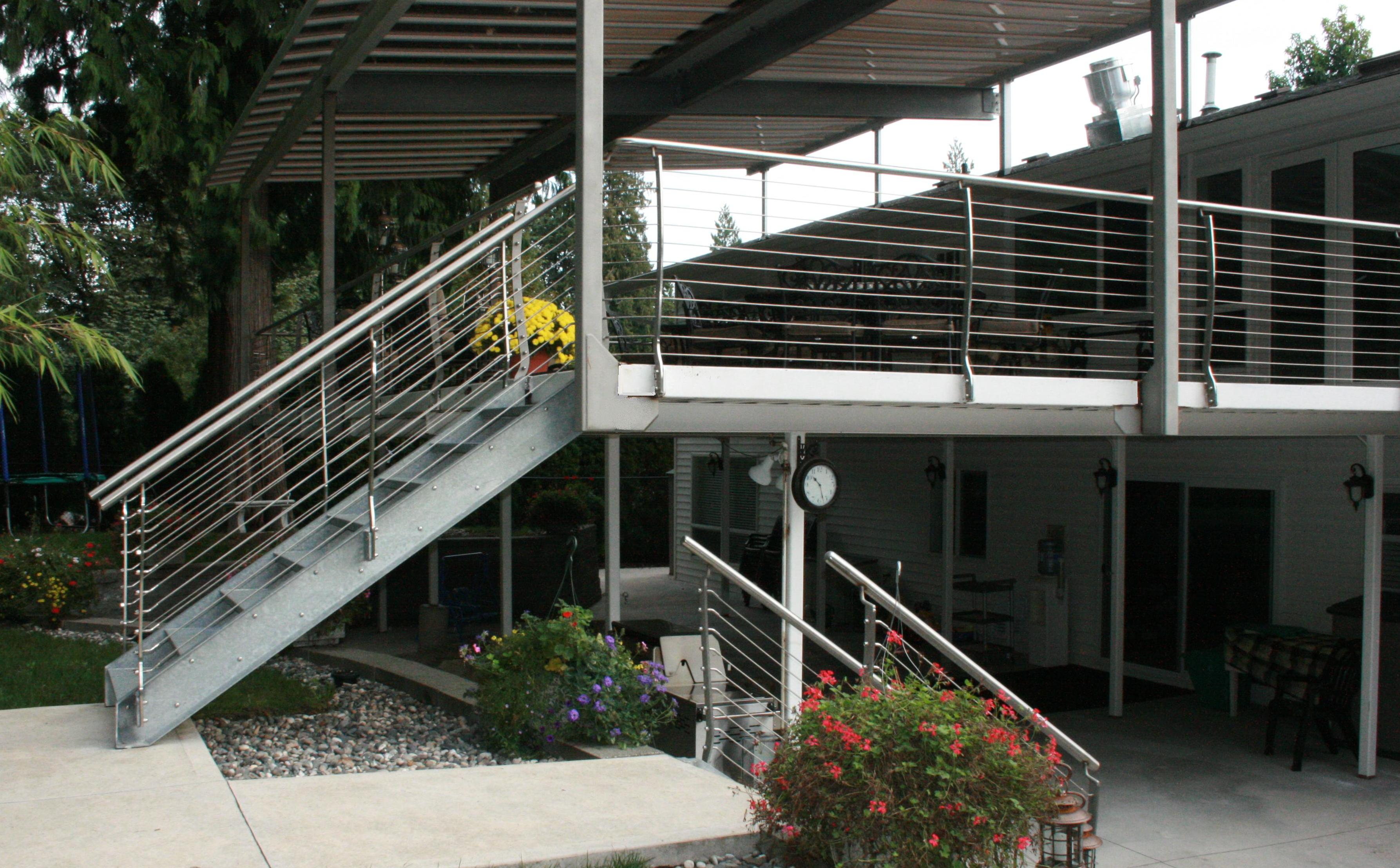
Hey there, friend! So, you're out there contemplating building something cool for your backyard, huh? Maybe a fancy new fence? Or perhaps you're finally tackling that garden planter you've been dreaming about? Whatever it is, the big question pops up: what kind of metal should you use for all those screws, bolts, and bits? Two titans often battle it out in this arena: stainless steel and galvanized. And let me tell you, it can feel like picking a side in a cosmic battle. Seriously, the fate of your outdoor project hangs in the balance! (Okay, maybe not that dramatic, but still important!) We’re talking about keeping things from turning into a rusty mess, right?
Let's dive in, shall we? Grab your virtual coffee – mine’s a strong latte, by the way. We’re going to break this down, no jargon overload, just good old-fashioned chat. Think of me as your slightly-too-enthusiastic metal-choosing buddy.
The Case for Stainless Steel: The Fancy Pants Friend
First up, let’s talk about stainless steel. This stuff is like the sophisticated cousin at the family reunion. You know, the one who always looks put-together and never seems to break a sweat? That’s stainless steel for you.
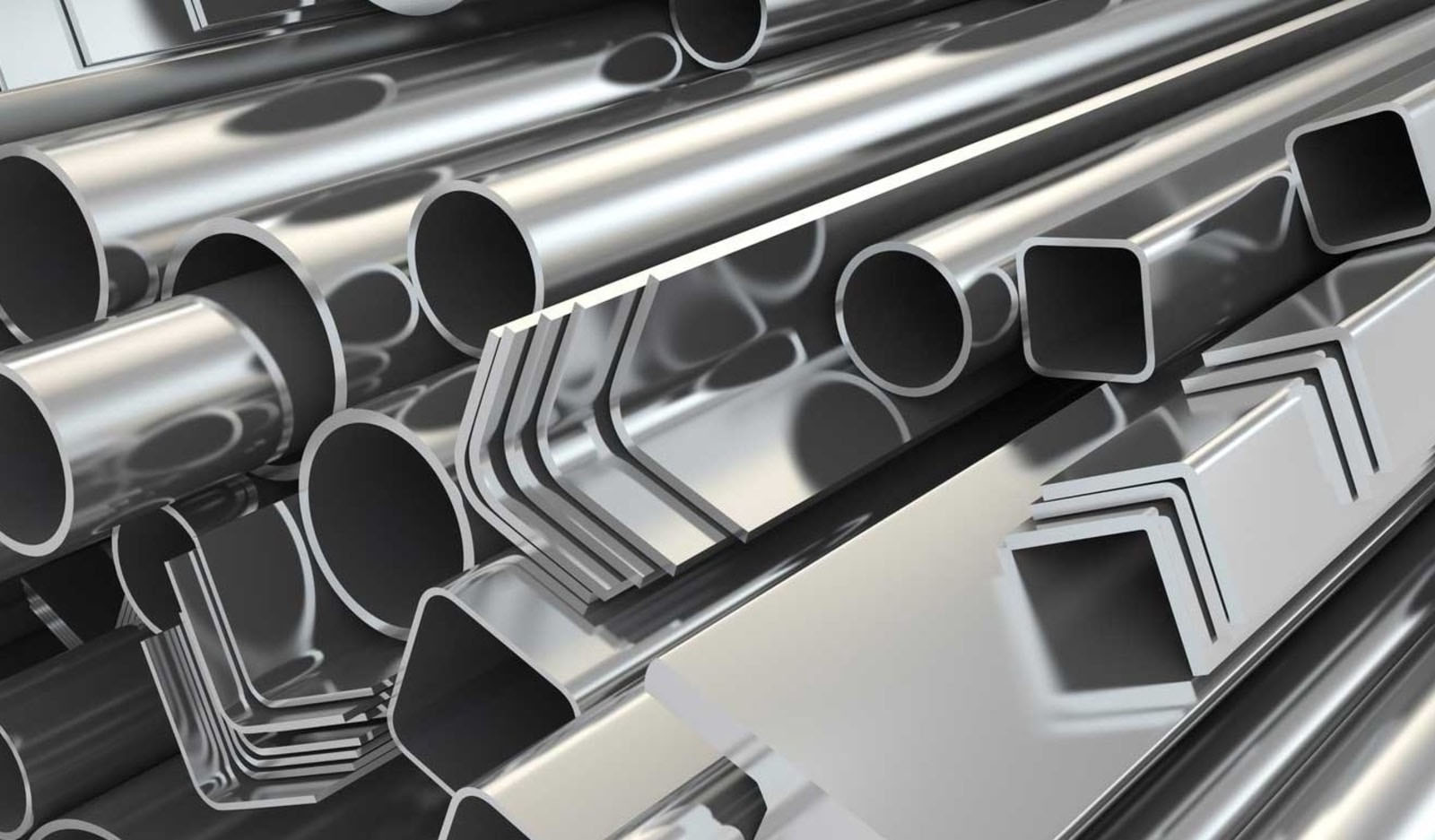
What makes it so special? It’s got this secret ingredient: chromium. Think of it as a superhero cape for the steel. When chromium meets oxygen, it forms this super-thin, invisible layer on the surface. This layer is like a shield, preventing rust from even thinking about setting up camp. Pretty neat, huh?
So, when you see "stainless steel," you can usually bet on it being super resistant to corrosion. That’s the fancy word for not rusting. And for outdoor stuff, where you’re dealing with rain, humidity, and maybe even salty air if you live near the coast? That’s a huge deal.
Plus, let's be honest, it just looks good. There’s a certain sleekness to stainless steel. If you’re building something where appearance matters, like a modern deck railing or some high-end outdoor furniture, stainless steel is your go-to. It’s like the little black dress of the fastener world – always appropriate, always stylish.
But here’s the catch, and it’s a pretty big one for some folks. Stainless steel is generally more expensive. Yep, you’re paying for that fancy, rust-proof superpower. So, if you're on a tight budget for your project, this might make your eyes water a little. It’s like choosing the caviar over the cheese puffs, you know? Delicious, but it costs more!
Now, it’s not invincible. You can still damage that protective layer if you’re not careful. Think of aggressive cleaning chemicals or scratching it with something really harsh. But for everyday outdoor use? It’s pretty darn tough.
And there are different grades of stainless steel too. You've got your 304, your 316... it’s a whole thing. For most general outdoor applications, 304 is usually perfectly fine. But if you’re really getting into salty environments, 316 is the next level up. It’s got a little extra something-something to fight off those salt bugs. You don’t need to be a metallurgist, but it’s good to know there are options!
Galvanized Steel: The Hard-Working Buddy
Okay, now let’s chat about galvanized steel. This is your reliable, hardworking friend. The one who shows up on time, gets the job done, and doesn't complain. It’s the workhorse of the outdoor metal world, and for good reason!
What’s the deal with galvanizing? It’s basically a process where they coat regular steel with a layer of zinc. Think of it like giving your steel a protective zinc bath. This zinc layer is the shield. It’s not quite as fancy as the chromium layer on stainless steel, but it’s super effective.
How does it work? Well, the zinc actually acts as a sacrificial metal. What does that even mean, you ask? It means that if the zinc coating gets scratched or damaged, the zinc will corrode instead of the steel underneath. The zinc is basically saying, "Don’t worry about the steel, I’ll take the hit for you!" Talk about dedication! It’s like a bodyguard for your screws.
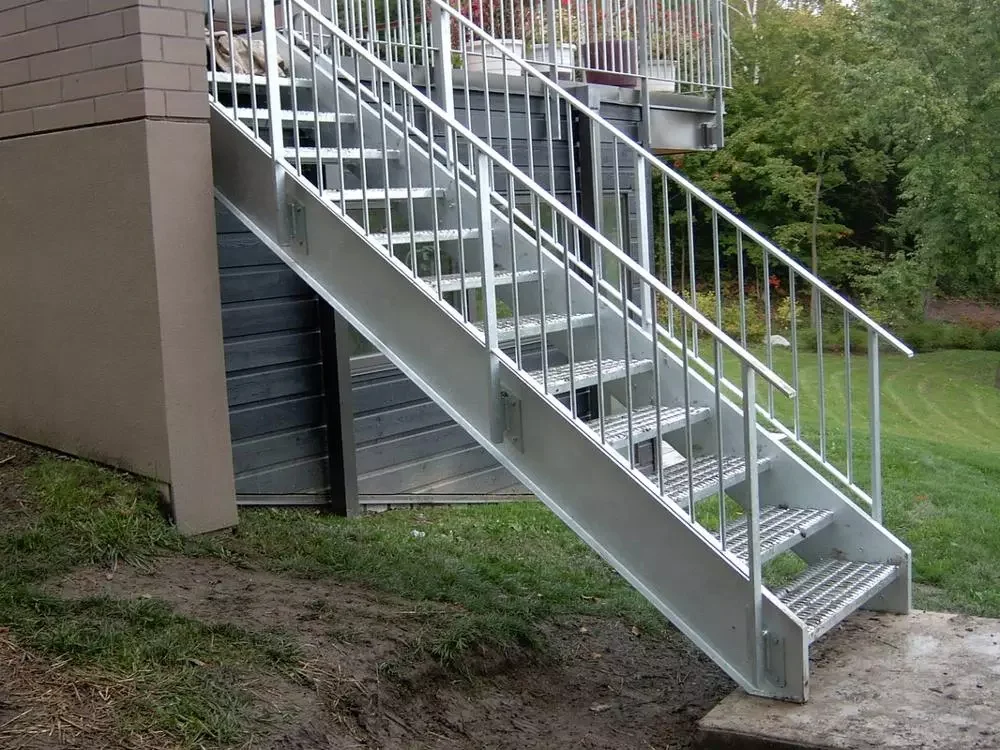
This makes galvanized steel really good at preventing rust. It’s not quite as corrosion-resistant as stainless steel, especially in harsh environments, but it’s more than sufficient for most typical outdoor projects. For a standard fence post, a deck, or a garden trellis? Galvanized is usually your sweet spot.
And the best part? Galvanized steel is significantly cheaper than stainless steel. We’re talking a noticeable difference in price. So, if you’ve got a lot of fasteners to buy, or you’re trying to stretch your DIY budget, galvanized is a lifesaver. It’s like getting a great deal on something that still works like a charm.
You’ll see two main types of galvanizing: hot-dip galvanized and electro-galvanized. Hot-dip is the older, more robust method. They dip the steel right into a molten zinc bath. This gives you a thicker, more durable coating, which is generally better for outdoor use. Electro-galvanized is a bit thinner and might not hold up as well in really tough conditions. So, if you see "hot-dip galvanized," that's usually a good sign for outdoor projects.
Now, galvanized steel can sometimes have a bit of a rougher finish than stainless. It might look a little more utilitarian, less polished. And if you try to cut or drill into it, you can sometimes expose the raw steel underneath, which could rust eventually if not protected. But for the most part, that zinc coating does its job admirably.
So, Which One Should You Pick? The Million-Dollar Question!
Alright, the moment of truth. You’ve got your fancy friend (stainless steel) and your reliable buddy (galvanized). How do you choose? It really comes down to a few key things:
Your Budget
This is often the biggest deciding factor, isn’t it? If you’re looking to save some cash, galvanized steel is usually the clear winner. You can buy a lot more galvanized screws for the same price as stainless steel ones. If you’re building a huge deck or a whole property’s worth of fencing, the price difference can be substantial. Seriously, it can add up faster than you think!
Stainless steel is the premium option. If your budget allows and you want that extra peace of mind and aesthetic, then go for it. But don’t feel like you have to break the bank. Galvanized is perfectly capable!
The Environment
Where are you putting this amazing creation of yours? If you live in a place with lots of moisture, salt, or humidity – think coastal areas, places with frequent rain, or even just generally damp climates – then you might lean towards stainless steel for maximum protection. That extra corrosion resistance can make a big difference in longevity.

For most other areas, though, a good quality hot-dip galvanized steel will do a fantastic job. It’s built to withstand the elements for a good, long time. You’re not usually building a submarine in your backyard, so the standard protection often suffices.
The Look You’re Going For
Are you aiming for a super modern, sleek look? Or is it more of a rustic, functional vibe? Stainless steel tends to have a brighter, more polished appearance. It’s often preferred for visible hardware where you want a clean, high-end finish.
Galvanized steel has a more matte, sometimes slightly duller finish. It can look perfectly fine, especially for structural components or things that aren't front and center. Some people even like the industrial look of galvanized hardware!
How Long Do You Expect It to Last?
If you want something that will practically outlive you and your great-grandchildren, and you’re willing to pay for it, stainless steel offers the longest lifespan when it comes to resisting corrosion. It’s the superhero that never quits.
Galvanized steel still offers excellent durability and a long service life. It’s not going to fall apart after a couple of years. For most homeowners, the lifespan of galvanized fasteners is more than adequate for their needs. It’s the reliable workhorse that gets the job done for a very, very long time.
A Few Extra Tips for the Road
No matter which you choose, here are a few little nuggets of wisdom:

Don’t mix and match! Try to use the same type of metal for your fasteners and the material you’re attaching them to, especially if you’re going with stainless steel. Mixing different metals can sometimes lead to something called galvanic corrosion, which is… well, not good. It’s like a little fight between metals that can cause one or both to degrade faster. So, if your deck boards are steel, don’t use aluminum screws. You get the idea!
Check the quality. Even with galvanized, there are varying degrees of quality. Look for reputable brands and, if possible, try to find out if it’s hot-dip galvanized. It’s worth the extra research to ensure you’re getting a good product.
Consider fasteners specifically made for outdoor use. Many hardware stores will have sections for deck screws, fence screws, etc. These are usually made with the correct coatings and materials to handle the outdoors.
Think about maintenance. While both are designed to resist rust, nothing is truly maintenance-free. A little occasional cleaning or inspecting your hardware won’t hurt, regardless of what you choose.
So there you have it! Stainless steel is your premium, stylish, super-resistant choice. Galvanized is your affordable, reliable, hardworking champion. Neither is inherently "bad," they just have different strengths and weaknesses. It’s all about matching the metal to your project and your priorities.
Now go forth and build something awesome! And if you ever need to chat about the merits of different types of washers, you know where to find me. Cheers!