
Stainless Steel Pipe Tig Welding
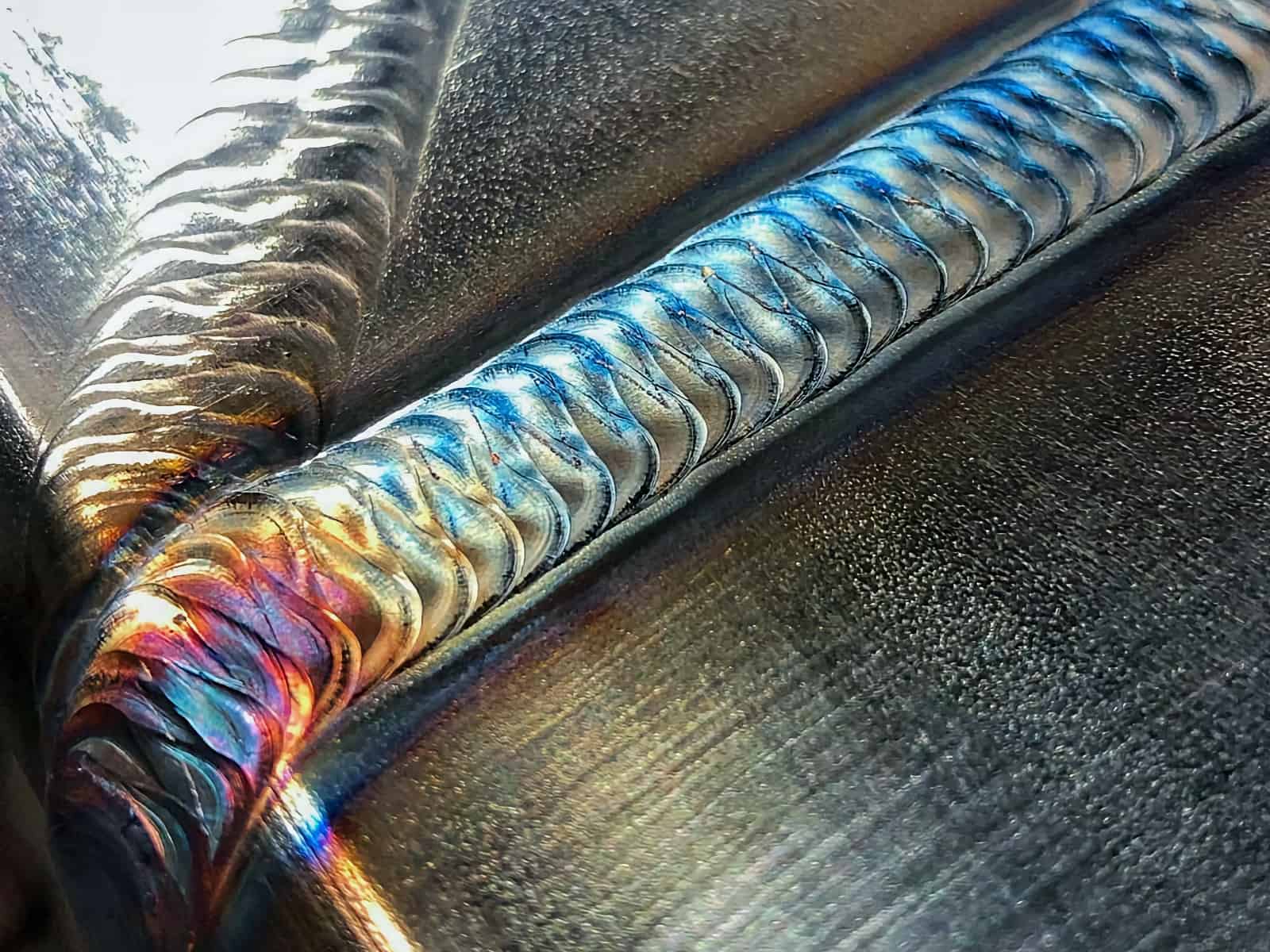
Ever marvel at the gleaming, seamless connections on your fancy kitchen appliances, that sleek exhaust system on a cool car, or even the intricate plumbing in a high-end brewery? Chances are, a bit of stainless steel pipe TIG welding played a starring role. It might sound technical, but at its heart, it’s a process that blends artistry with precision, creating connections so clean and strong they often become invisible. Think of it as the superhero of joining metals, especially when it comes to that incredibly versatile and good-looking material: stainless steel.
Why is this particular type of welding so popular and frankly, quite cool? Well, stainless steel itself brings a lot to the party. It's known for its incredible resistance to rust and corrosion, meaning your projects will look great and last a very, very long time, even when exposed to the elements or aggressive substances. Now, when you combine that with TIG welding (which stands for Gas Tungsten Arc Welding), you're talking about a welding method that’s renowned for its cleanliness, control, and the ability to produce incredibly beautiful, precise welds. It’s like wielding a high-tech magic wand that fuses metal with minimal fuss and maximum finesse.
The Marvel of a Flawless Fusion
So, what’s the big deal about joining stainless steel pipes with TIG? The purpose is elegantly simple: to create robust, leak-proof, and aesthetically pleasing joints between sections of stainless steel tubing. But the benefits extend far beyond just a secure connection. For starters, the inherent strength of a TIG weld is legendary. It creates a fusion that’s as strong, if not stronger, than the base metal itself, which is crucial for applications where pressure or stress is a factor.
But it’s the look that often steals the show. TIG welding produces a weld bead that’s incredibly neat and tidy. Unlike other welding methods that might leave a messier, more textured finish, a well-executed TIG weld on stainless steel can appear almost as if the pipe is a single, continuous piece. This is especially important in industries where hygiene and visual appeal are paramount, like food and beverage processing, pharmaceuticals, and of course, those stylish architectural and automotive applications we mentioned.
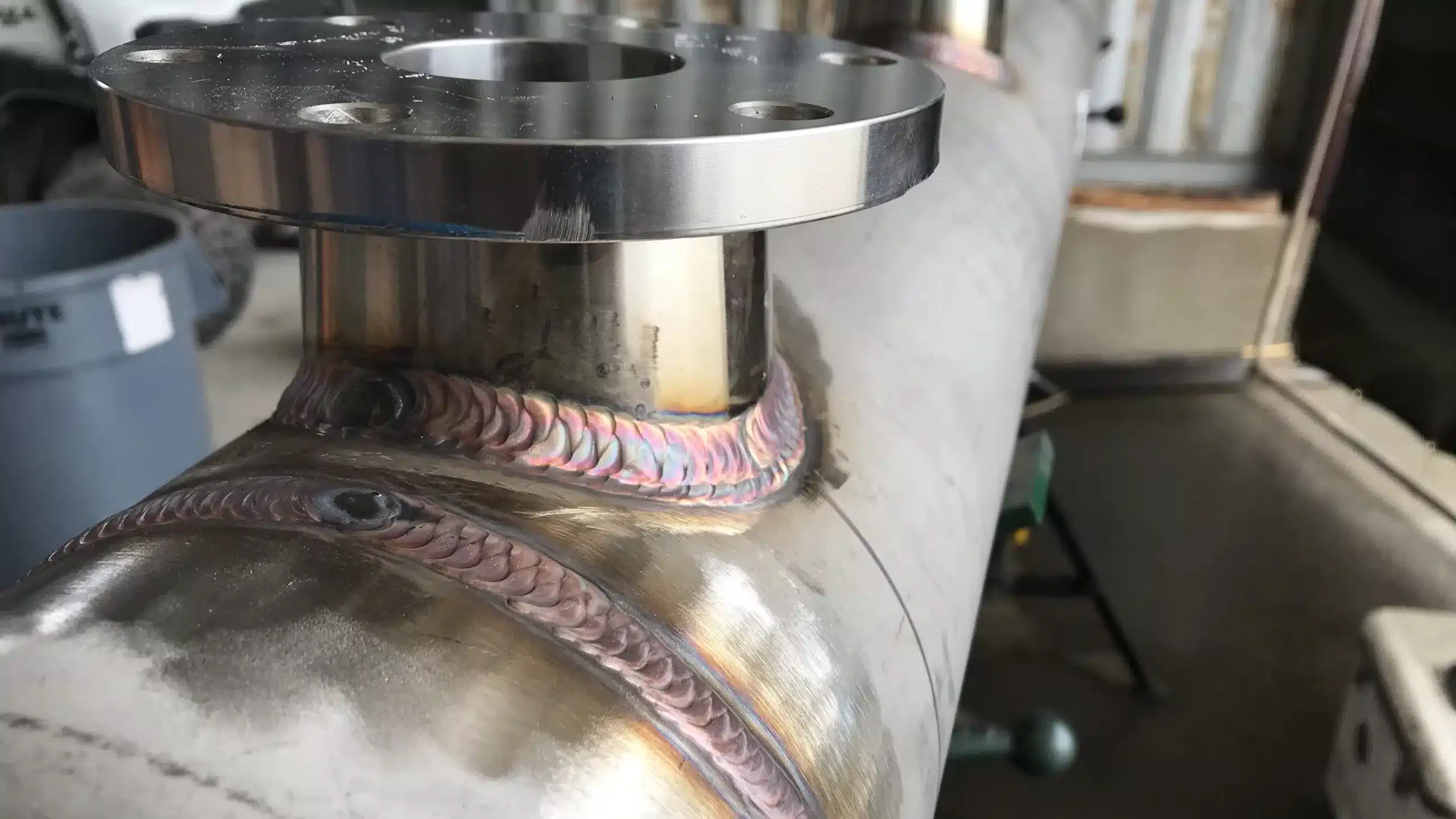
"Think of TIG welding as the artist’s brushstroke for metal – precise, controlled, and leaving a beautiful, lasting impression."
Another massive advantage is the lack of spatter. Spatter refers to those little molten metal droplets that can fly off during welding. TIG welding, when done correctly, produces virtually no spatter. This means less cleanup and a much cleaner working environment. Plus, it protects the surrounding material from damage. And let’s not forget about the versatility. TIG welding is perfect for a wide range of stainless steel thicknesses, from wafer-thin tubes used in intricate jewelry to much thicker pipes found in industrial settings.
Why Stainless Steel + TIG is a Dream Team
Stainless steel, with its chromium content, naturally forms a protective oxide layer that prevents rust. However, this same layer can make welding a bit more challenging compared to regular steel. This is where the precision of TIG welding truly shines. The controlled heat input and the use of an inert shielding gas (usually Argon) help to prevent contamination of the molten puddle, ensuring that the stainless steel’s corrosion resistance isn't compromised at the weld joint. This is critical for maintaining the integrity and longevity of stainless steel components.
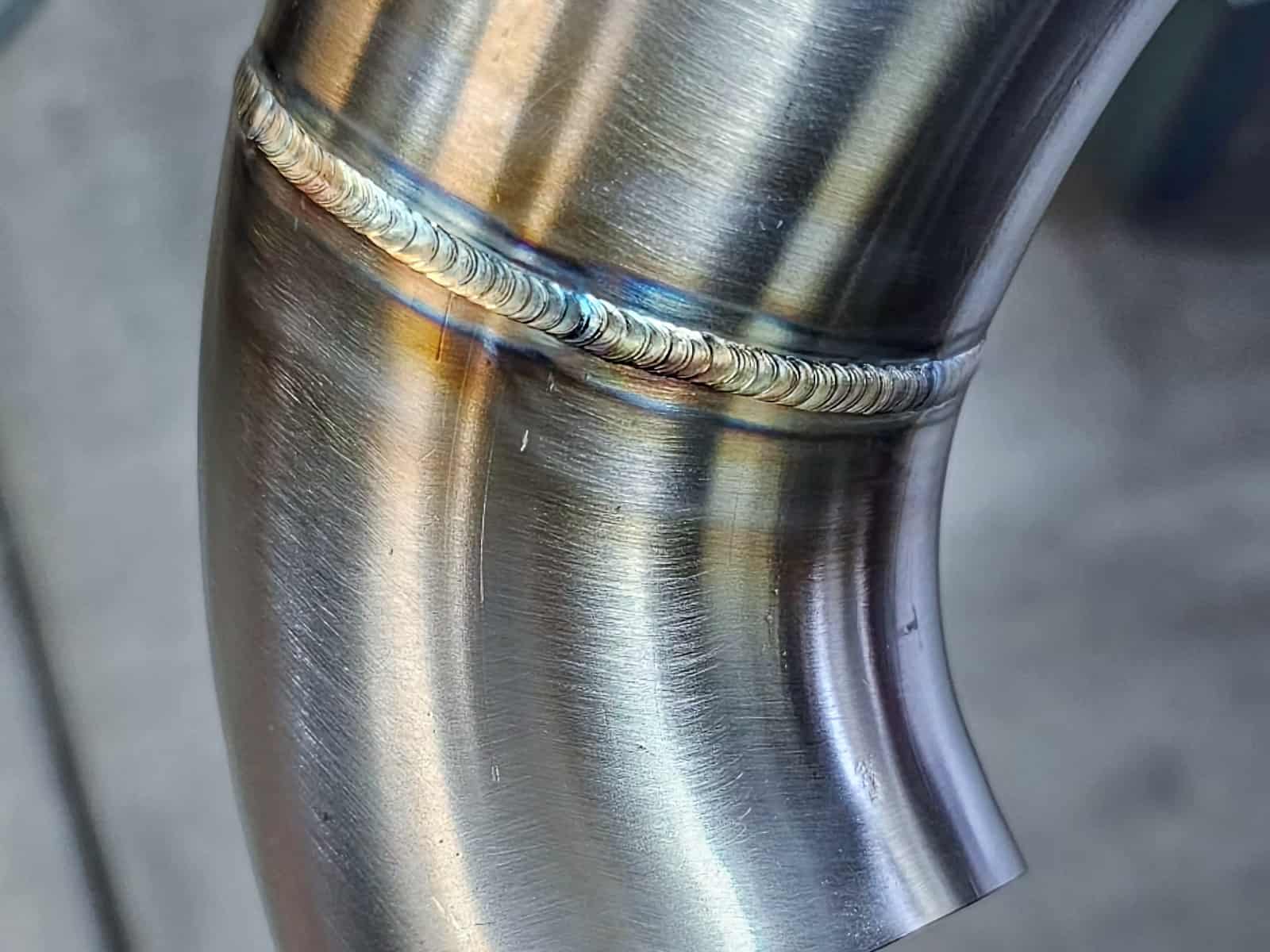
The filler metal used in TIG welding also plays a key role. Specific filler rods are chosen to match the grade of stainless steel being welded, ensuring compatibility and optimal performance of the final joint. The welder uses a non-consumable tungsten electrode to create the arc and a separate filler rod to add material as needed, all while a shielding gas flows to protect the weld from atmospheric contamination. This delicate dance allows for incredible control over the weld pool, preventing overheating and distortion, which are common issues when working with thinner stainless steel.
Whether you're a hobbyist building a custom exhaust, a professional fabricator creating bespoke kitchen fittings, or an engineer designing critical industrial piping, the ability to TIG weld stainless steel opens up a world of possibilities. It’s a skill that combines technical knowledge with a steady hand, and the results are consistently impressive. So, next time you see a perfectly smooth, gleaming stainless steel joint, remember the magic of TIG welding – a process that makes the ordinary extraordinary and the functional, beautiful.