
Stainless Steel Rotary Airlock Valve

Hey there, amazing human! Ever found yourself staring at a piece of industrial equipment and thinking, "Wow, this is… fascinating"? No? Well, buckle up, buttercup, because we’re about to dive headfirst into the surprisingly delightful world of the Stainless Steel Rotary Airlock Valve. Yes, you read that right. Airlock valve. Sounds a bit sci-fi, doesn't it? But trust me, this little marvel is more than just a clunky metal thingy. It’s a behind-the-scenes hero, a silent guardian, and honestly, kind of a party starter for your industrial processes!
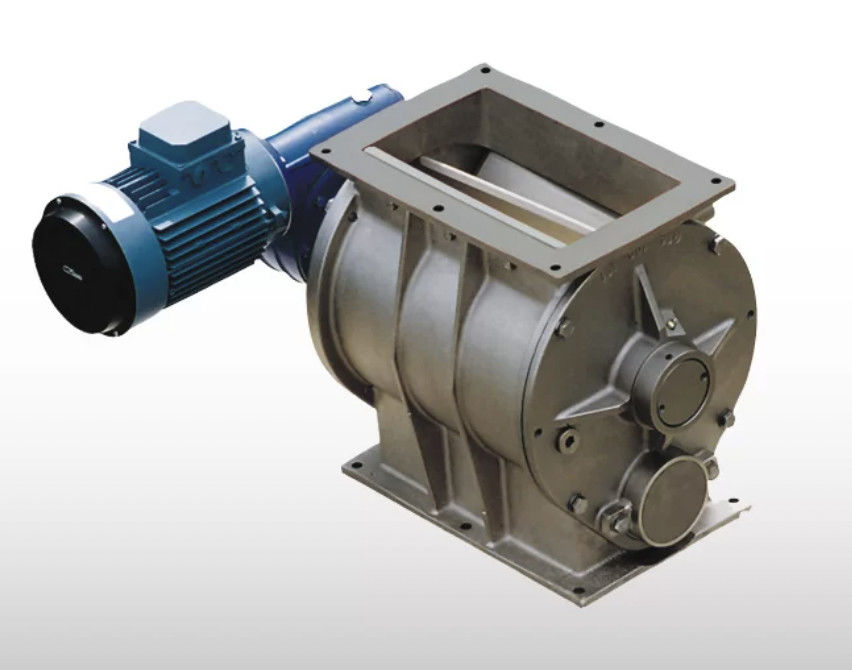
So, what exactly is this enigmatic contraption? Imagine a hamster wheel, but instead of a furry friend running on it, we’ve got precious powders, granules, or even tiny pellets zipping around. That’s a super simplified idea, but stick with me! The rotary airlock valve is essentially a clever device designed to control the flow of bulk materials from one pressure zone to another, all while keeping a tight seal. Think of it as a magical gatekeeper for your stuff.
Why stainless steel, you ask? Ah, excellent question! Stainless steel is the superhero of materials when it comes to durability, corrosion resistance, and general good looks (yes, industrial equipment can have good looks!). It means our airlock can handle pretty much anything you throw at it – from harsh chemicals to sticky, gooey substances – without rusting or breaking down. Plus, it’s super easy to clean, which is a big win in any manufacturing setting. Hygiene and longevity? Sign us up!
The Silent Superstar of Material Handling
Let’s get a little more specific. Picture this: you’re running a massive bakery, churning out delicious loaves of bread. You’ve got mountains of flour coming in, and you need to move it from a big silo into your mixing machines without letting all the air out of the silo, or, conversely, letting all the delicious bakery air escape into the outside world. This is where our trusty rotary airlock valve struts onto the stage, cape fluttering (metaphorically, of course).
It works by having a rotor with pockets that spin continuously. As the rotor turns, these pockets pick up material from the inlet and then rotate to the outlet, releasing the material. Simple yet brilliant! And the best part? It creates a pretty darn good seal. This is crucial for a couple of reasons.

Firstly, it prevents unwanted air leakage. If you’re trying to maintain a specific atmosphere in your processing area – maybe it’s a super dry environment for delicate chocolate chips, or a nitrogen-filled space to prevent oxidation of something fancy – the airlock is your best bud. It keeps that precious atmosphere locked in, ensuring your product quality stays top-notch. No more precious ingredients going off because of rogue air!
Secondly, it allows for controlled feeding. You don’t want a sudden avalanche of flour into your mixer, right? You want a steady, consistent flow. The speed of the rotor can be adjusted, allowing you to precisely control how much material is transferred. This means less waste, more efficiency, and ultimately, a happier production line. It’s like having a perfectly choreographed dance for your bulk materials!
Making Life (and Production) More Fun!
Okay, maybe "fun" isn't the first word that springs to mind when you think of industrial valves. But hear me out! When things run smoothly, efficiently, and without a hitch, doesn't that just feel good? That's the ripple effect of a well-functioning rotary airlock valve. It’s the unsung hero that prevents chaos, minimizes downtime, and lets everyone else focus on the more glamorous parts of their jobs. Think of the engineers who get to design even cooler systems, or the operators who don't have to deal with messy material spills!
Imagine a world where every time you try to move bulk materials, there's a huge mess, a loss of product, or your carefully controlled environment is ruined. Sounds like a nightmare, right? Our stainless steel friend is out there, bravely doing its job, day in and day out, making sure that kind of chaos is kept firmly at bay. It’s the quiet competence that allows for innovation and creativity elsewhere in the factory. It's the foundation upon which delicious foods are made, essential pharmaceuticals are processed, and countless other amazing things come to life.

And let’s not forget the aesthetic! Stainless steel has a sleek, modern look. While it might be tucked away in a production facility, knowing that these robust, shiny valves are diligently working away adds a certain… industrial chic to the environment. It’s a testament to good engineering and thoughtful design. It says, "We care about our processes, and we use the best tools for the job!"
Moreover, the versatility of these valves is truly impressive. They aren't just for flour! They handle everything from plastic pellets in a manufacturing plant to fine powders in the pharmaceutical industry, or even sticky food ingredients. They are the adaptable workhorses that keep a diverse range of industries humming along. It's like a Swiss Army knife, but for bulk materials!

Consider the impact on safety too. By controlling material flow and preventing uncontrolled releases, rotary airlocks contribute to a safer working environment. No more unexpected dust clouds or material surges to worry about. That's a serious win for everyone working on the factory floor. A little bit of well-engineered peace of mind goes a long way, doesn't it?
So, the next time you enjoy a perfectly baked cookie, a smooth-flowing chemical product, or even just admire a well-organized industrial facility, take a moment to appreciate the silent, steely dedication of the Stainless Steel Rotary Airlock Valve. It’s more than just a piece of machinery; it’s a testament to human ingenuity and a vital component in creating the products we rely on every day. It’s a little slice of operational perfection, keeping things moving, contained, and just… right.
Isn't it amazing how even the most specialized components can have such a significant impact? The world of industrial equipment is full of these unsung heroes, each with a vital role to play. Feeling a spark of curiosity? Dive deeper! Explore how these valves are designed, the different types available, and the ingenious ways they’re integrated into complex systems. You might just find yourself inspired by the sheer cleverness of it all!