
Stainless Steel Square Tubing Sizes Chart
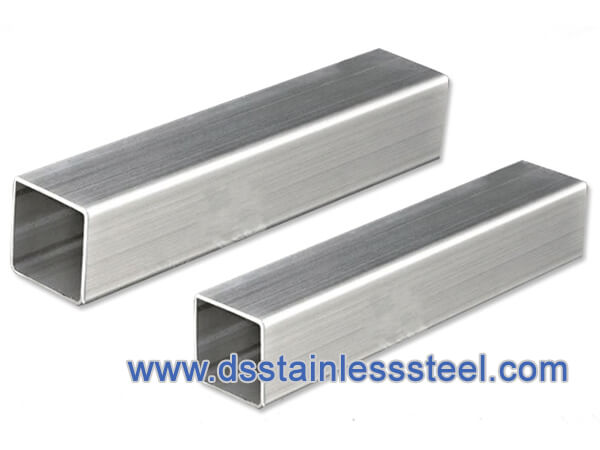
You know, I remember this one time, I was helping my buddy Dave build this ridiculously elaborate pergola in his backyard. Think Indiana Jones meets a fancy patio. Dave, bless his enthusiastic heart, had this vision. He wanted it to be epic. We spent weeks sourcing reclaimed wood, painstakingly sanding it, and then came the metalwork. He'd decided he wanted stainless steel for that sleek, modern look that wouldn’t rust into oblivion after the first rainy season. Sounds great, right? Well, until we got to the store and were faced with a wall of shiny metal tubes. My brain promptly went into overload. Square tubing? Round tubing? What size? What even is a “size” in the world of metal tubing?! Dave, meanwhile, was pointing vaguely and muttering about structural integrity and aesthetics. I swear, if it weren't for a very patient salesperson and a somewhat dog-eared chart that looked like it had survived a hurricane, we'd still be standing there, blinking at each other, surrounded by shimmering potential.
And that, my friends, is how I learned that understanding stainless steel square tubing sizes isn’t just for engineers in lab coats. It’s for us regular folks who just want to build a cool thing without ending up with a wobbly mess or a bill that makes your eyes water. Whether you're building that dream workbench, a unique piece of furniture, or even tackling a more complex DIY project, knowing your sizes is, dare I say, crucial.
So, let’s dive into this shiny world, shall we? Forget the overly technical jargon for a moment. Think of this as your friendly, slightly bewildered guide to navigating the land of stainless steel square tubing. We’re going to break down what these sizes actually mean and why it matters. Because nobody wants their carefully constructed masterpiece to look like it’s about to do a swan dive.
The Basics: What Are We Even Talking About?
Alright, first things first. When we talk about stainless steel square tubing sizes, we’re generally referring to two key dimensions: the outside dimensions of the square (think width and height) and the wall thickness. These two numbers are your golden ticket to choosing the right tubing for your project.
Imagine it like buying lumber. You don't just ask for "wood," right? You ask for a 2x4 or a 4x6. Tubing is similar. You’ll hear terms like "1 inch square" or "2 inch square." This typically refers to the outside measurement of the sides. So, a "1 inch square" tube means each of its four sides, when measured from the outside, is approximately one inch long.
But wait, there's more! The wall thickness is just as important, if not more so. This is how thick the metal itself is. You'll often see this expressed in gauges (like the old electrical wire system) or in fractions of an inch or millimeters. A thicker wall means a stronger, more rigid tube. A thinner wall means it's lighter and potentially cheaper, but also less robust. It’s all about finding that sweet spot for your needs.
Think of it this way: if you’re building a tiny decorative shelf, a thinner wall might be perfectly fine. But if you’re building a frame that needs to support significant weight, like a workbench for serious power tools, you’ll definitely want a thicker wall. Don't skimp here unless you absolutely know you can get away with it!
The "Nominal" Size vs. The "Actual" Size: A Little Wordy, But Important
Now, here’s where things can get a tad confusing, and honestly, it’s a source of much head-scratching for DIYers and even some pros. When you see sizes listed, especially in older charts or for certain types of tubing, you might encounter the term "nominal size." This is basically a standard, convenient way of referring to a size, but it’s not always the exact measurement.

For example, you might see a "1 inch square" tube. The actual outside dimensions might be slightly less than 1 inch, like 0.98 inches or 1.00 inches, depending on manufacturing tolerances and standards. Similarly, the wall thickness might be listed as a gauge, and when converted to actual measurement, it might have a small variation.
Why does this happen? It’s a mix of historical standards, manufacturing processes, and the need for a simplified naming convention. It's not usually a huge difference, but it’s something to be aware of, especially if you're working with very precise tolerances or joining different pieces together. Most modern charts will provide the actual outside dimensions and wall thickness, which is what you really want to focus on.
My advice? Always double-check the specifications provided by the manufacturer or supplier. If you can, measure it yourself before you commit to a big purchase. Better safe than sorry, right?
So, What Are the Common Stainless Steel Square Tubing Sizes?
This is the juicy part! Let's look at some of the sizes you're likely to encounter. Keep in mind, this isn't an exhaustive list of every single size ever made (that would be a book!), but it covers the most common ones you'll find for general construction, fabrication, and DIY projects.
We’re going to talk about the outside dimensions first, usually listed as Width x Height. Then, we'll touch on common wall thicknesses. Remember, the wall thickness is often the real determinant of strength.
Small and Mighty (Up to 1 inch Square)
These are your more delicate options, great for lighter-duty applications. Think decorative elements, small shelves, frames for artwork, or even components in robotics or model making.

- 1/2 inch square: You might find these with wall thicknesses ranging from around 0.035 inches (very thin) up to 0.065 inches. Good for minimal load-bearing.
- 3/4 inch square: A step up in size and strength. Wall thicknesses can be similar, perhaps up to 0.083 inches. Still good for moderate decorative or light structural needs.
- 1 inch square: This is a popular size that offers a bit more substance. Wall thicknesses commonly range from 0.049 inches (light duty) to 0.120 inches (more robust). This is where you can start building some decent shelves or frames.
When you see these smaller sizes, really scrutinize the wall thickness. A 1-inch square tube with a thin wall won't hold as much as one with a thicker wall. It’s like the difference between a straw and a sturdy drinking cup – both are round, but their capacity to hold things differs dramatically!
The Workhorses (1 inch to 3 inches Square)
This is where a lot of DIY projects and general fabrication happen. You get a good balance of strength, size, and workability.
- 1.5 inch square: A very popular choice. You’ll see wall thicknesses from around 0.065 inches to a sturdy 0.180 inches or even more for heavy-duty applications. Great for furniture frames, workbench legs, and structural supports for medium-sized projects.
- 2 inch square: This is a substantial piece of tubing. Wall thicknesses can range from 0.065 inches (still surprisingly strong at this size) up to a beefy 0.250 inches for serious load-bearing. Excellent for robust furniture, significant structural framing, and equipment stands.
- 2.5 inch square: Getting into some serious territory here. Wall thicknesses are typically from 0.120 inches upwards, easily reaching 0.250 inches and beyond. This is for projects where you need maximum rigidity and strength without going to the largest sizes.
- 3 inch square: This is a beast. Wall thicknesses will generally start at 0.120 inches and can easily go up to 0.250 inches or more. You’re looking at industrial applications, very heavy-duty machinery frames, or architectural features that need to be incredibly strong.
If you’re unsure, and your project involves any kind of weight or stress, it’s almost always better to err on the side of caution and go for a slightly larger size or a thicker wall. Nobody wants their perfectly crafted coffee table to sag like a sad balloon.
The Giants (Over 3 inches Square)
These are for the big leagues! Think industrial machinery, large architectural elements, or custom fabrication jobs where serious scale and strength are paramount.
- 4 inch square: You’re definitely in industrial or large-scale fabrication territory now. Wall thicknesses will typically be substantial, starting around 0.120 inches and easily going to 0.375 inches or more.
- Larger sizes (e.g., 5 inch, 6 inch square and up): These are less common for typical DIY but are readily available for commercial and industrial use. Wall thicknesses will be significant, designed to handle immense loads and stresses.
For most home-based projects, you'll likely be happily working within the 1-inch to 3-inch range. But it's good to know the options are there if you ever need to build a small, very strong bridge for your garden. (Just kidding… mostly.)

Understanding Wall Thickness: The Unsung Hero
We’ve touched on it a lot, but let’s give wall thickness its own moment in the sun. This is arguably the most critical factor in determining the strength and rigidity of your stainless steel square tubing. It’s what prevents buckling, bending, and outright failure under load.
Wall thickness is usually expressed in two ways:
- Gauge: This is an older, but still common, system. Lower gauge numbers mean thicker walls. For example, 16 gauge is thicker than 18 gauge, which is thicker than 20 gauge. You’ll often see charts that convert these gauges into actual measurements (in inches or millimeters).
- Actual Measurement: This is the direct measurement of the steel’s thickness. It’s usually given in inches (e.g., 0.065", 0.120", 0.180") or millimeters. This is generally the clearer and more reliable way to understand the material.
Pro tip: When you're comparing prices for tubing, don't just look at the outside dimensions. Make sure you're comparing tubes with the same or a similar wall thickness. A 2-inch square tube with a 0.065" wall will be significantly weaker and cheaper than a 2-inch square tube with a 0.180" wall.
Common Wall Thicknesses and What They Mean
Here’s a quick rundown of typical wall thicknesses and what you might use them for:
- 0.035" - 0.050" (around 20-22 gauge): Very thin. Suitable for decorative purposes, small model components, or where only minimal structural integrity is needed. Likely to bend easily.
- 0.065" - 0.083" (around 16-18 gauge): Light duty. Can handle light loads, such as small shelves, decorative framing, or components in smaller furniture. Good for projects where appearance is key and load is minimal.
- 0.095" - 0.120" (around 14-11 gauge): Medium duty. This is a very common range for DIY projects. Good for furniture frames, workbench tops, sturdy shelving, and general structural framing. Offers a good balance of strength and ease of fabrication.
- 0.125" - 0.180" (around 10-8 gauge): Heavy duty. For projects requiring significant strength and rigidity. Think substantial workbenches, machine frames, heavy-duty shelving, or supports for substantial weight.
- 0.250" and thicker (around 1/4" or more): Extreme duty. Industrial applications, very heavy machinery, structural supports for large installations. This is very robust material.
Always, always, always consider the forces your tubing will be subjected to. Think about the weight of the materials you'll place on it, the stresses it will encounter (like vibration or impact), and how it's supported. A well-engineered frame with thinner tubing can sometimes outperform a poorly designed frame with thicker tubing. It's a system!
Putting It All Together: Choosing the Right Size
So, you've got your project idea. You've looked at the beautiful, shiny stainless steel square tubing. How do you pick the right one?

Here’s a simplified thought process:
- What is the primary function? Is it purely decorative? Does it need to support weight? Will it be subjected to significant forces?
- What is the span? If it’s a shelf, how long is it? Longer spans will require stronger (thicker wall or larger) tubing to prevent sagging.
- What are the support points? How is the tubing attached or supported? More support points generally mean less stress on any single piece of tubing.
- What is your budget? Thicker walls and larger dimensions cost more.
- What are your fabrication capabilities? Thicker tubing is harder to cut, drill, and weld. Make sure you have the tools and skills to work with your chosen size.
If you're designing something like furniture or a workbench, try sketching it out and imagining the forces. Sometimes, you can even find similar projects online that will give you an idea of what sizes others have used successfully. A quick search can save you a lot of guesswork!
A Handy Chart to Keep in Mind (Not an Official Spec Sheet!)
While you should always refer to manufacturer specifications, here’s a general idea of common sizes and their typical applications. Think of this as a helpful cheat sheet.
| Outside Dimensions (Width x Height) | Common Wall Thicknesses | Typical Applications |
|---|---|---|
| 1/2" Square | .035" - .065" | Decorative trim, small models, very light duty frames |
| 3/4" Square | .049" - .083" | Light decorative frames, smaller shelves, craft projects |
| 1" Square | .049" - .120" | Moderate shelves, furniture components, light structural framing |
| 1.5" Square | .065" - .180" | Furniture frames, workbench legs, medium-duty shelves, general fabrication |
| 2" Square | .065" - .250" | Robust furniture, workbench construction, equipment stands, significant structural framing |
| 2.5" Square | .120" - .250"+ | Heavy-duty furniture, industrial equipment frames, high-load supports |
| 3" Square | .120" - .250"+ | Industrial frames, large machinery, architectural elements requiring high strength |
| 4" Square and Larger | .120" - .375"+ | Heavy industrial, large structural applications |
Remember, this is a general guide. The actual strength of a tube also depends on the grade of stainless steel (e.g., 304, 316), which affects its corrosion resistance and some mechanical properties, but for most DIY, the size and wall thickness are your primary concerns for structural integrity.
So there you have it! A dive into the often-overlooked, but incredibly important, world of stainless steel square tubing sizes. It's not as intimidating as it first seems, right? With a little understanding of dimensions and wall thickness, you can approach your next project with confidence, knowing you're choosing the right shiny metal companions for your creation.
Now go forth and build something amazing! Just try not to get lost in the shimmer.