
Stainless Steel Vs Sterling Silver Necklace
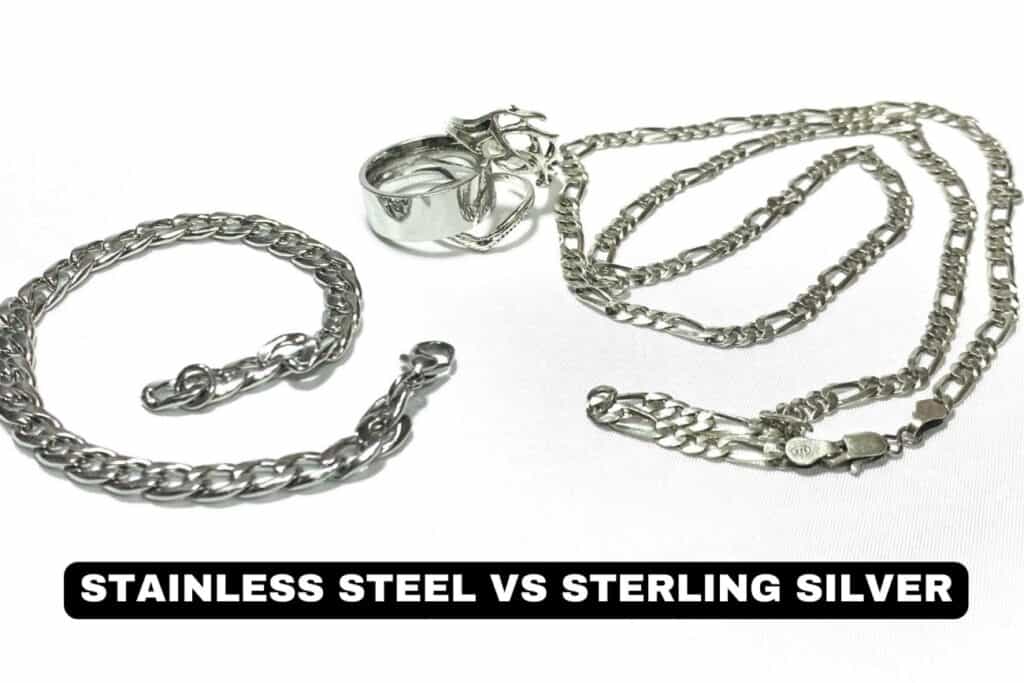
Ever found yourself staring at a beautiful necklace online or in a shop, only to be met with a confusing array of material options? You see "stainless steel" here, "sterling silver" there, and suddenly that simple jewelry purchase feels a bit like a science experiment. Well, fret no more! Understanding the difference between these two popular necklace materials isn't just about making an informed purchase; it can also be a surprisingly fun little dive into the world of everyday materials. Think of it as unlocking a secret handshake for jewelry lovers!
So, why bother with this distinction? Because the material of your necklace significantly impacts its appearance, durability, cost, and how you'll care for it. This knowledge empowers you to choose a piece that perfectly suits your style, your budget, and your lifestyle. Whether you're looking for something to wear every single day without a second thought, or a special piece for occasional wear, knowing your stainless steel from your sterling silver is key.
Let's break them down. Stainless steel is a modern marvel. It's an alloy, meaning it's a mixture of iron and other elements, most notably chromium. This chromium content is what gives it its superpower: resistance to rust and tarnishing. This makes it incredibly durable and low-maintenance. Think of those sleek, modern, minimalist pendants or chunky chain necklaces – many of those are likely stainless steel. Its strength means it can withstand the bumps and scrapes of daily life, making it a fantastic choice for active individuals or those who simply don't want to worry about taking their jewelry off for every little thing. It’s often more affordable than sterling silver, offering great value.
On the other hand, sterling silver is a classic for a reason. It's a precious metal, defined as 92.5% pure silver mixed with 7.5% other metals (usually copper) to make it durable enough for jewelry. Pure silver is very soft, so the alloy is essential. Sterling silver has a beautiful, bright, and lustrous white color that many people find absolutely captivating. It’s the traditional choice for fine jewelry, offering that timeless elegance. While it is beautiful and valuable, it does require a bit more care. Over time, sterling silver can tarnish, developing a darker patina. But here's a cool fact: this tarnish can often be easily removed with a simple polishing cloth, revealing that original shine again. It’s a metal with a rich history and a luxurious feel.

You might encounter these materials in all sorts of places. In education, understanding alloys like stainless steel can be part of science lessons on material properties. In daily life, beyond necklaces, you see stainless steel in everything from cutlery to surgical instruments, highlighting its versatility and hygienic properties. Sterling silver, historically, has been used for everything from fine tableware to intricate sculptures, showcasing its status as a precious metal.
So, how can you explore this further? It's quite simple! Next time you're browsing for jewelry, pay attention to the material descriptions. Look at necklaces side-by-side if you can – you might notice subtle differences in sheen or tone. Try on a stainless steel piece and then a sterling silver one. How do they feel? How do they catch the light? You could also try a simple test at home with a small, inexpensive piece of each. See how they react to being exposed to the air (carefully and for a short period, of course!) or how easily they clean up. It’s a great way to get a feel for their characteristics firsthand without any pressure. Happy exploring!