
Stainless Steel Vs Surgical Steel Earrings

So, you're ready to dive into the sparkling world of earrings, and you've landed on two of the most popular materials out there: stainless steel and surgical steel. If you've ever felt a twinge of confusion wondering what the real difference is, or which one is your ear's best friend, you've come to the right place! This isn't just about choosing pretty danglers; it's about picking jewelry that keeps your ears happy and healthy, especially if you're prone to those pesky reactions. Think of it as a little ear-health adventure, and we're here to guide you through it with a smile and some super useful info.
The Great Earring Material Debate: Why It Matters
Let's face it, we all want our earrings to look fabulous. But behind the sparkle, there's a whole science to what makes certain metals better for our skin. For anyone who's ever experienced redness, itching, or that dreaded swelling after wearing a new pair of earrings, you know exactly what we're talking about! The culprit is often a metal allergy, and the heroes of our story are materials like stainless steel and surgical steel. These aren't just fancy names; they represent a commitment to comfort and safety for your delicate earlobes. Choosing the right metal can transform your earring experience from a potential itchy ordeal to pure, unadulterated joy.
"Choosing the right metal can transform your earring experience from a potential itchy ordeal to pure, unadulterated joy."
The purpose of using these specific steels in earrings is quite straightforward: they are chosen for their hypoallergenic properties and durability. This means they are less likely to cause allergic reactions compared to other common earring materials like nickel, copper, or even some types of silver. For people with sensitive skin or known metal allergies, this is a game-changer. It allows them to express their personal style through jewelry without the worry of discomfort or adverse reactions. Furthermore, both stainless steel and surgical steel are known for their resistance to tarnishing and corrosion, meaning your earrings will look as good as new for a long time, making them a fantastic long-term investment.
Unpacking the Stars: Stainless Steel vs. Surgical Steel
Now, let's get down to the nitty-gritty: what exactly are these steels, and how do they stack up against each other? It can be a little confusing because the terms are often used interchangeably, but there are some key distinctions that are worth knowing.
Stainless Steel is a fantastic all-around material. When we talk about stainless steel in jewelry, we're usually referring to alloys that contain a significant amount of chromium. This chromium forms a protective layer on the surface of the steel, making it resistant to rust and corrosion. It's the same stuff used in kitchen appliances and even surgical instruments, which should tell you something about its robustness! For earrings, stainless steel is a popular choice because it's affordable, durable, and generally hypoallergenic for most people. It comes in a variety of finishes, from brushed to polished, offering a range of aesthetic options. Many people with mild sensitivities can wear stainless steel earrings without any issues whatsoever.

Surgical Steel, on the other hand, is a bit more specific. While all surgical steel is stainless steel, not all stainless steel is surgical steel. The term "surgical steel" typically refers to specific grades of stainless steel that are exceptionally pure and have a very low nickel content. These grades, such as 316L (often called "implant-grade" stainless steel), are the materials of choice for medical implants and surgical tools because they have the lowest allergenic potential of all the stainless steels. This is crucial for piercings, especially new ones, as the body is most vulnerable during the healing process. If you have particularly sensitive skin or a diagnosed nickel allergy, surgical steel is your safest bet. It's designed to be inert, meaning it's highly unlikely to react with body tissues.
The Verdict: Which One is Right for You?
So, how do you decide? It really boils down to your personal needs and sensitivities.
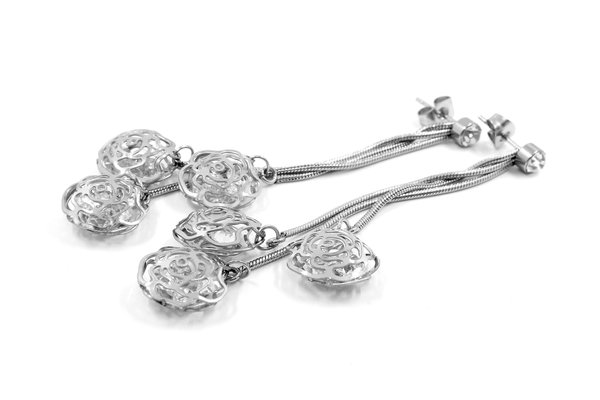
If you have generally non-sensitive skin and are looking for stylish, durable, and affordable earrings, stainless steel is an excellent option. You'll find a vast array of designs and finishes at a great price point.
However, if you have known metal allergies, sensitive skin, or are getting a new piercing and want the absolute best for healing, then opting for surgical steel (specifically 316L grade) is the wise choice. It offers the highest level of biocompatibility and minimizes the risk of any adverse reactions. Think of it as the gold standard for ear comfort!
Ultimately, both stainless steel and surgical steel are fantastic materials for earrings, offering beauty, longevity, and a much-appreciated peace of mind for many wearers. So go ahead, pick those perfect pair, and let your ears shine with confidence and comfort!