
Star Trek The Next Generation Identity Crisis
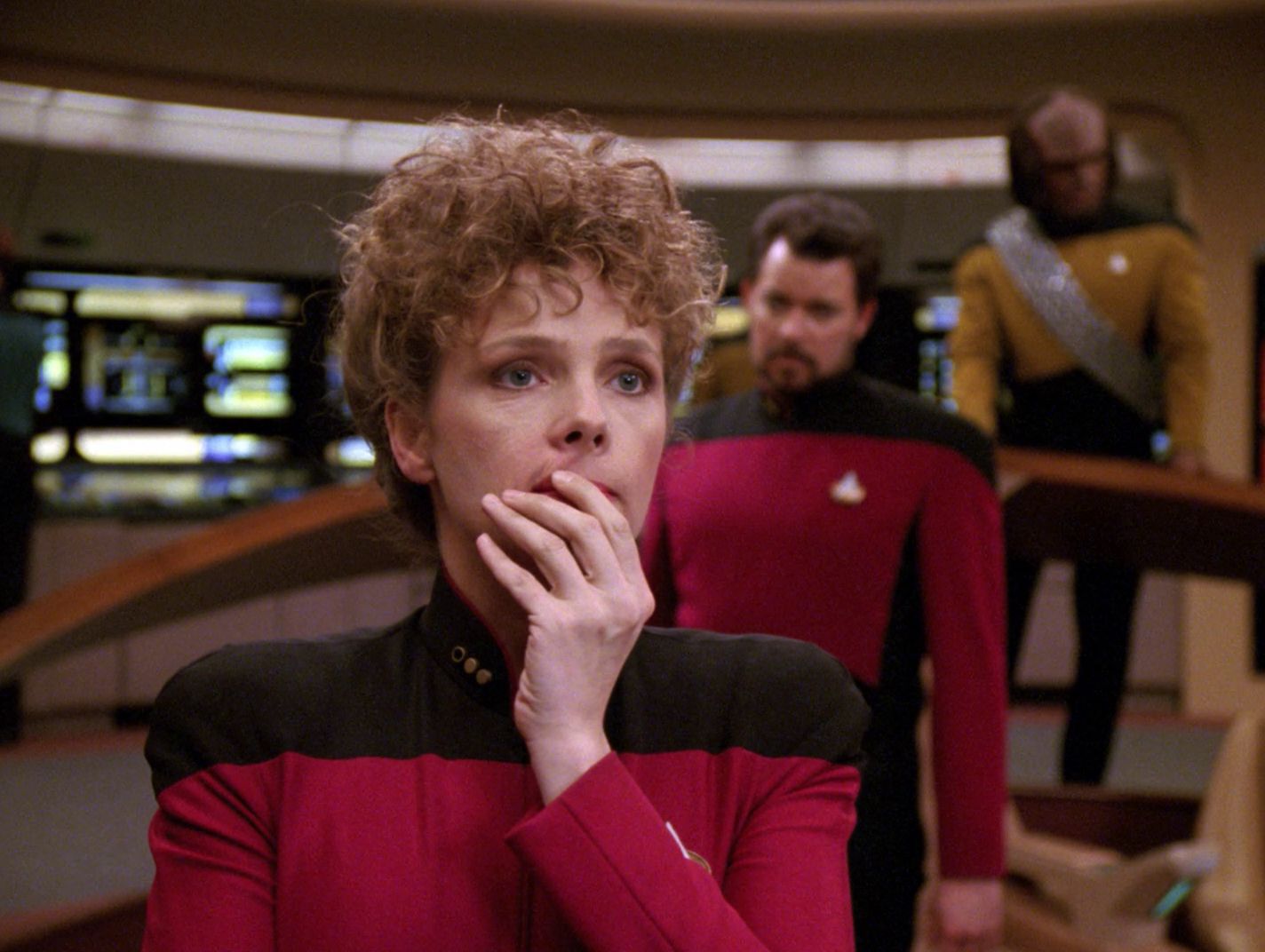
So, let's talk about Star Trek: The Next Generation. It’s a classic, right? We all love Captain Picard and his crew. But, and this is just my little whisper in the cosmos, I think TNG had a bit of an identity crisis. Or maybe, it was our identity crisis trying to figure out TNG.
Think about it. The show started with a bang. A whole new ship, a whole new crew. No Kirk, no Spock. This was supposed to be the future, all shiny and advanced. They even had a computer that understood full sentences. That felt futuristic back then!
But then, things got a little… wobbly. Were they trying to be the original series but with better hair? Sometimes it felt like it. We’d get episodes that echoed familiar themes. A crew member feeling lost, a moral dilemma, a strange alien of the week.
And then there was Data. Oh, Data. The android who desperately wanted to be human. He was a fantastic character, don't get me wrong. But his quest for humanity became the central, recurring plot for, like, seven seasons. Every other episode seemed to involve Data learning about emotions or art or friendship.
It’s like the writers had this brilliant idea for an advanced AI. Then they thought, "Okay, what else can we do with him? Let's make him try to be like us!" It was endearing, sure. But it also felt like they were using his storyline to fill gaps. A bit of a crutch, maybe?
And then there’s Counselor Troi. Her role was… interesting. She was the empath. She could sense feelings. Useful, right? But often, her “sensing” just led to exposition. "Captain, I sense he's angry." "Captain, he's hiding something." We got it, Troi!
It felt like her primary function was to tell Picard what the audience was already figuring out. Or worse, to be the damsel in distress. Sometimes I just wanted her to, you know, do something with her empathy beyond just feeling it.
And what about Wesley Crusher? Bless his heart. Young prodigy, solving problems with pure intellect. He was supposed to be the future of Starfleet. But let's be honest, he was a bit much. Too perfect, too smart. The "nerd who saves the day" trope got old pretty fast.
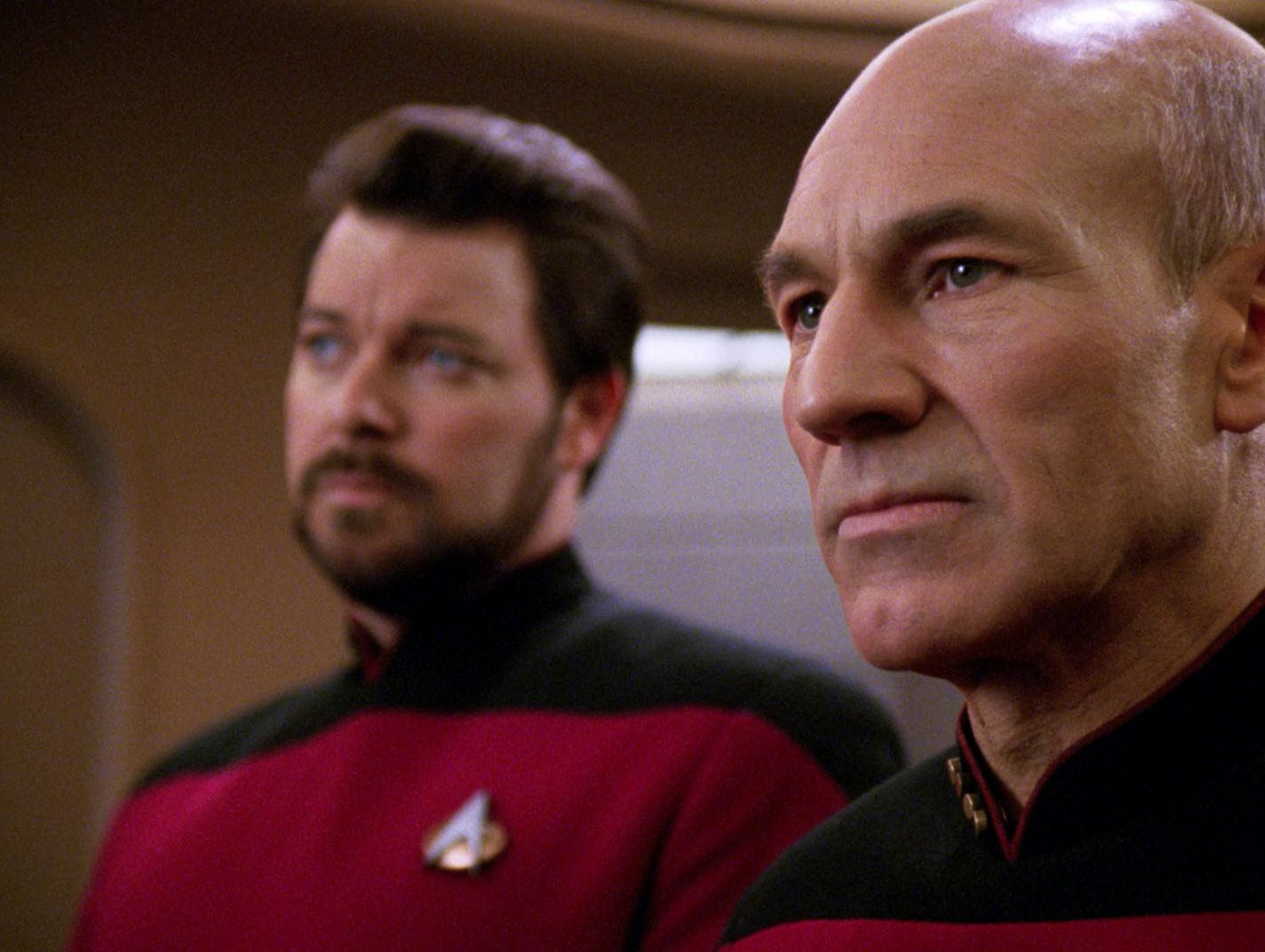
The show was always trying to be smarter than us. It wanted to teach us lessons. About diplomacy, about prejudice, about the meaning of life. And that's great! But sometimes it felt like a lecture. Like we were back in school, and Captain Picard was the teacher with a really long beard.
Sometimes, I just wanted them to have some good old-fashioned space adventures. Blast some aliens. Explore some weird planets. Have a space bar fight. You know, fun stuff.
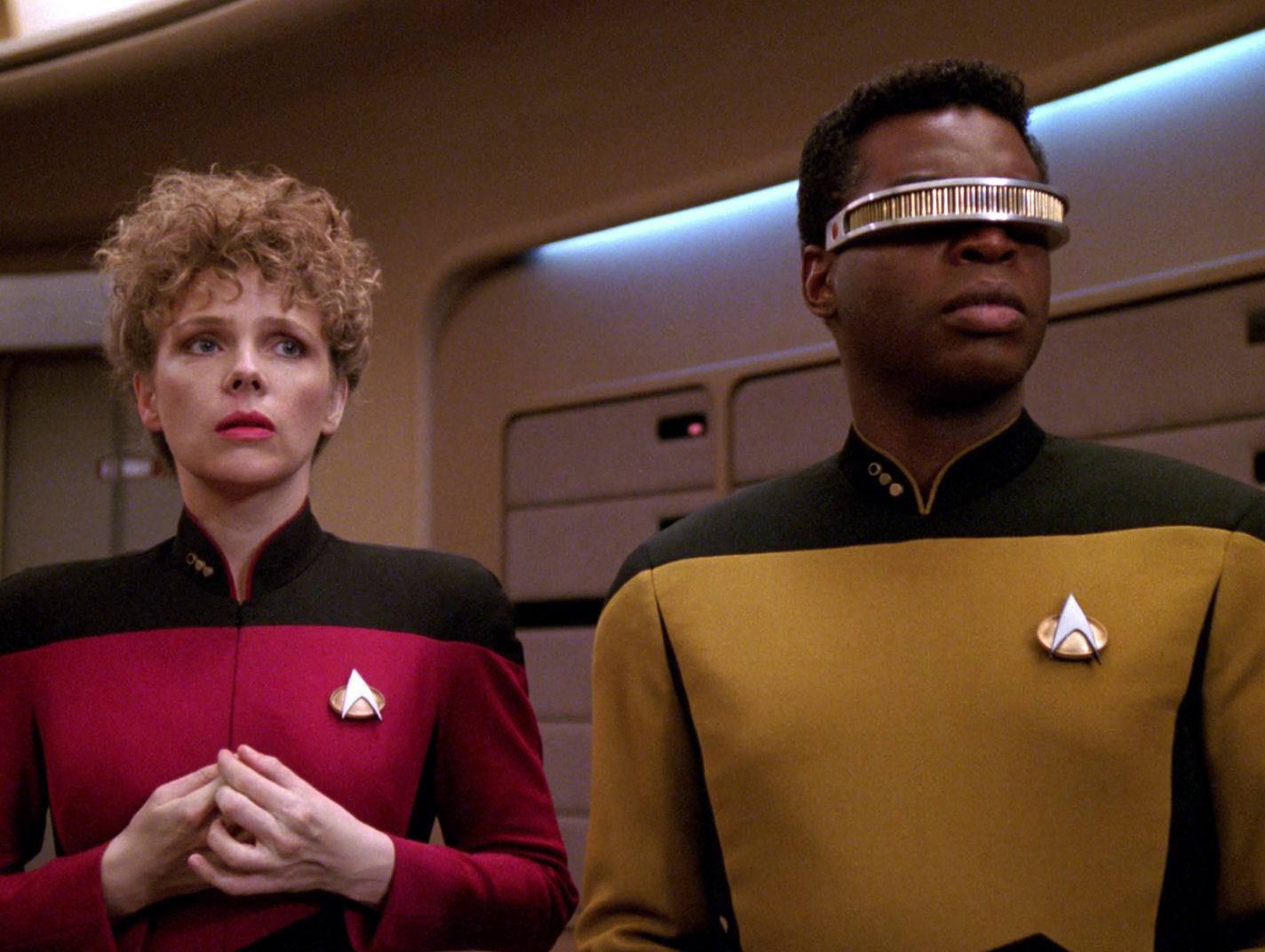
But instead, we got a lot of philosophical debates. Picard staring into the distance, pondering existence. Riker stroking his beard. Geordi adjusting his VISOR. These were the moments that defined TNG for many. The quiet contemplation.
This is where the identity crisis comes in, for me. Was TNG a space opera? A philosophical treatise? A character study? It tried to be all of them. And it did it with varying degrees of success.
When it worked, it was magnificent. Episodes like "The Inner Light". Wow. That’s a masterpiece. Or "Yesterday's Enterprise". Pure sci-fi magic.
But then there were episodes… less so. The ones that felt like they were recycling old plots or leaning too heavily on one or two characters. You know the ones I mean. The ones that make you sigh and think, "Here we go again."
The show also struggled with its own legacy. It was the successor to the legendary Original Series. How do you live up to that? They tried to distance themselves, create their own identity. But you could see the echoes. The ship's cat, Spot, was practically a nod to Kirk's occasional animal companions.
They introduced new characters, gave them quirky personalities. Worf, the grumpy Klingon security chief. He was a fantastic addition. He brought a different flavor. But even he sometimes got stuck in repetitive storylines about honor and duty.
And the whole Q Continuum? Fascinating concept. John de Lancie as Q was brilliant. He was the ultimate antagonist, and also a playful god. But sometimes, his appearances felt like a convenient way to shake things up, to give the crew a nigh-impossible challenge.
The early seasons of TNG are particularly telling. They were finding their feet. The characters were a bit rougher around the edges. Picard was more stern. Riker was more of a swaggering womanizer. Data’s programming was more primitive.
It’s like the show itself was going through an identity crisis. "Who are we? What kind of show are we making?" They experimented. Some experiments worked, some… didn't.
By the later seasons, they really hit their stride. The characters felt more fleshed out. The storylines were more sophisticated. They embraced their unique voice.
But that initial period of exploration, of trying to figure out what TNG was, is what I find so charmingly chaotic. It wasn't always polished. It wasn't always perfect.
It’s almost as if the crew of the Enterprise-D were also trying to understand their place in the galaxy, just like the show was trying to understand its place in the sci-fi landscape.
The writers were pushing boundaries. They were exploring new frontiers of storytelling. Sometimes they tripped, but they always got back up. And they always had that underlying sense of optimism and exploration.

Maybe the identity crisis wasn't a flaw. Maybe it was the very thing that made TNG so interesting. It was a show that dared to be something new, even if it wasn't always sure what that was.
It was a show that made you think. It was a show that made you feel. And sometimes, it was just a show that made you wonder, "What the heck is going on?" And that's okay.
It’s easy to look back with rose-tinted glasses. But TNG wasn't always the seamless masterpiece we remember. It had its awkward teenage years. It had its growing pains.
And perhaps, in its own way, that’s what made it so relatable. We all have moments of uncertainty. We all question who we are and where we’re going. Even highly advanced androids.
So, the next time you rewatch a TNG episode, pay attention. See if you can spot those little moments of identity searching. Those instances where the show felt like it was trying on different hats. It’s part of its charm. It’s part of what makes it Star Trek: The Next Generation, in all its beautiful, sometimes confusing, glory.
And that, my friends, is my little, slightly unpopular opinion. The show that shaped a generation was, itself, a bit of a work in progress. A glorious, galaxy-spanning work in progress.