
Steel Frame House Vs Wood

So, you're thinking about building a house, huh? Exciting stuff! But then you hit the big question: what's it gonna be made of? Wood? Steel? It's like choosing between your favorite pizza toppings – tough, but somebody's gotta do it!
Let's dive into the whole steel frame vs. wood frame debate. Grab your imaginary coffee mug, let's chat.
The Good Ol' Reliable Wood Frame
Alright, first up, the OG: the wood frame house. It’s what your grandma probably grew up in, and her grandma before that. It's tried and true, like a comfy old armchair. You know it, you love it. Or do you?
Wood is, well, natural. It’s that cozy, earthy vibe. Think of those charming log cabins in the woods. Picturesque, right? Plus, most builders are super familiar with it. It's like their comfort zone, their happy place. They’ve been wrangling lumber since, like, forever. This usually means it's a bit easier to find skilled labor for wood framing.
And let's be honest, there's something inherently warm about wood. It has a certain… je ne sais quoi? Maybe it's the smell. Or maybe it's just that it's been around for ages and feels familiar. It’s the default, the guy everyone knows.
Plus, when it comes to making little tweaks or additions down the line, wood can be pretty accommodating. Need to hang a ridiculously heavy piece of art? Probably easier to find a stud in a wood frame. Want to add a shelf for your extensive gnome collection? Wood’s your friend. It’s… malleable, in a way that steel isn't.
But here's where things get a little less cozy. Wood, as lovely as it is, has its weaknesses. Bugs, for starters. Termites? Carpenter ants? They see your wood frame house as a five-star buffet. Seriously, they can munch through your house like it's a particularly delicious loaf of bread. Nightmare fuel, right?
And then there's fire. Wood burns. It’s kinda its thing. While modern building codes have made wood frames much safer, you're still dealing with a combustible material. That’s a little… unsettling, no?
Humidity and moisture can also be a real headache for wood. Ever seen a warped door frame? Or a floor that creaks and groans like an ancient mariner? That's often moisture doing its sneaky work. Wood can swell, shrink, and rot if it’s not properly protected. Talk about maintenance!
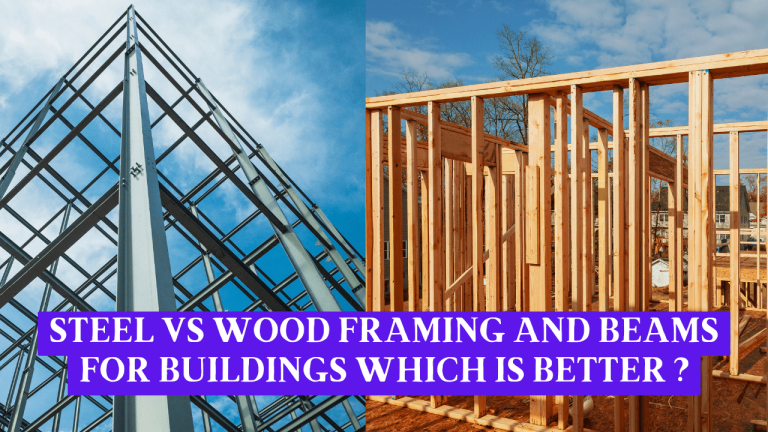
And pests aren't just limited to termites. Squirrels? Mice? They can burrow into your walls, making your home sound like a tiny, furry rave at 3 AM. Fun times.
So, while wood feels familiar and charming, it's got some serious potential for… drama. You gotta be vigilant. It’s like having a really pretty, slightly high-maintenance pet.
Enter the Shiny, Strong Steel Frame
Now, let’s talk about the newcomer, the underdog (or maybe the superhero?) – the steel frame house. It’s sleek, it’s modern, and it’s got this undeniable strength about it. Like a superhero in disguise, but instead of a cape, it’s got… structural integrity.
First off, the strength-to-weight ratio on steel is insane. It’s ridiculously strong, way stronger than wood. This means you can span longer distances, create more open floor plans, and generally have more design freedom. Think massive windows, fewer walls getting in your way. It’s like building with LEGOs, but way more grown-up and way more structurally sound.
And the best part? Steel doesn't have any of those pesky wood-related problems. No termites dining on your dinner table (or, you know, your walls). No carpenter ants having a structural rave. Steel is impervious to pests. Hallelujah!
Fire? Steel doesn't burn. It can warp and lose strength at very high temperatures, sure, but it’s not going to go up in flames like a matchstick. This can translate to better fire safety and potentially lower insurance premiums. Who wouldn't want that?
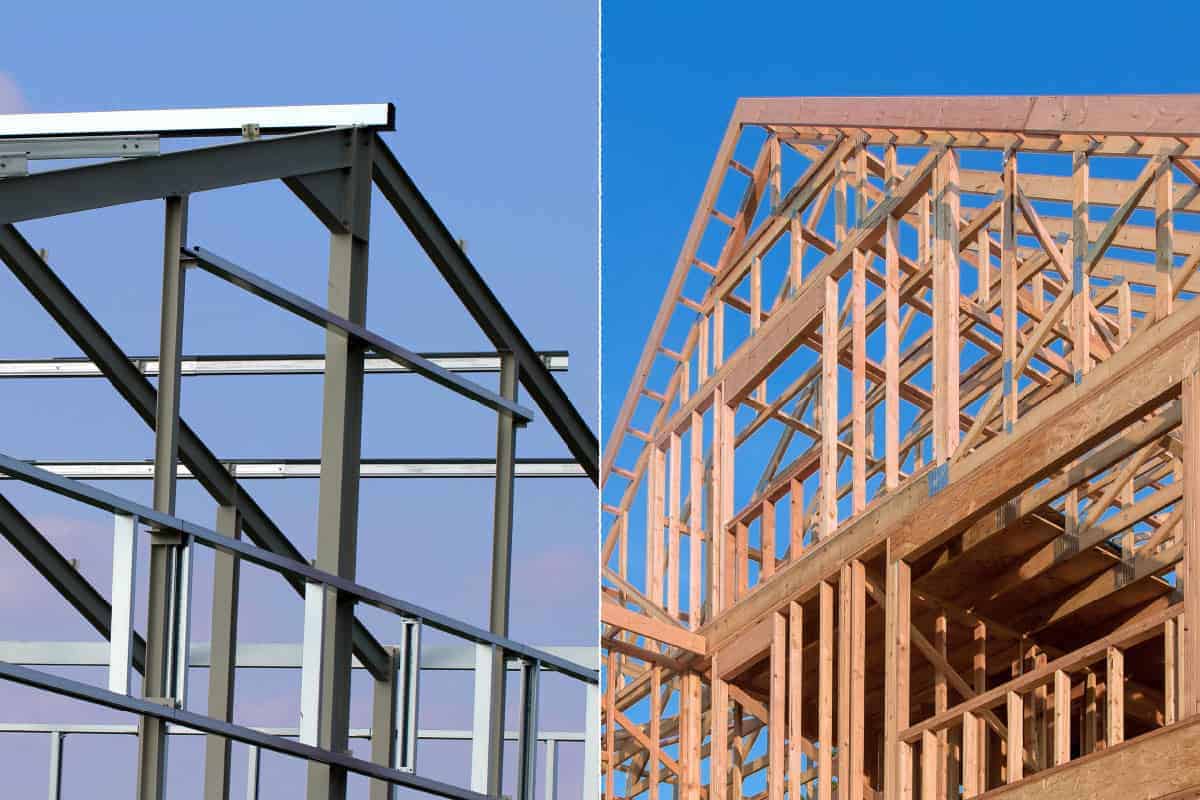
Moisture is also less of an issue. Steel doesn't rot. It doesn't warp. It doesn't swell. It just… is. This means a potentially more stable structure over the long haul, with less worry about things going wonky due to humidity. Pretty sweet, right?
Steel is also incredibly dimensionally stable. What does that even mean? It means it doesn't expand and contract much with changes in temperature or humidity. This can lead to fewer cracks in your drywall over time and a generally more solid-feeling home. No more mysterious creaks!
And because steel is manufactured to precise specifications, you get a really consistent product. Every piece is the same. This can lead to faster construction times, as there’s less guesswork involved. It’s like a perfectly machined puzzle.
So, why isn’t everyone building with steel then? Ah, the plot thickens.
The Steel Frame Downsides (Yes, They Exist!)
While steel sounds like a superhero, even superheroes have their kryptonite. First off, cost. Often, the initial cost of steel framing can be higher than wood framing. It’s a bit of an investment upfront. You’re paying for that superior strength and durability, so it makes sense, but it’s definitely something to consider for your budget.
Then there’s the labor. While more builders are getting comfortable with steel, it’s still not as common as wood. You might need to find specialized contractors who are experienced in steel framing. This could mean a smaller pool of options and potentially higher labor costs due to that specialization.
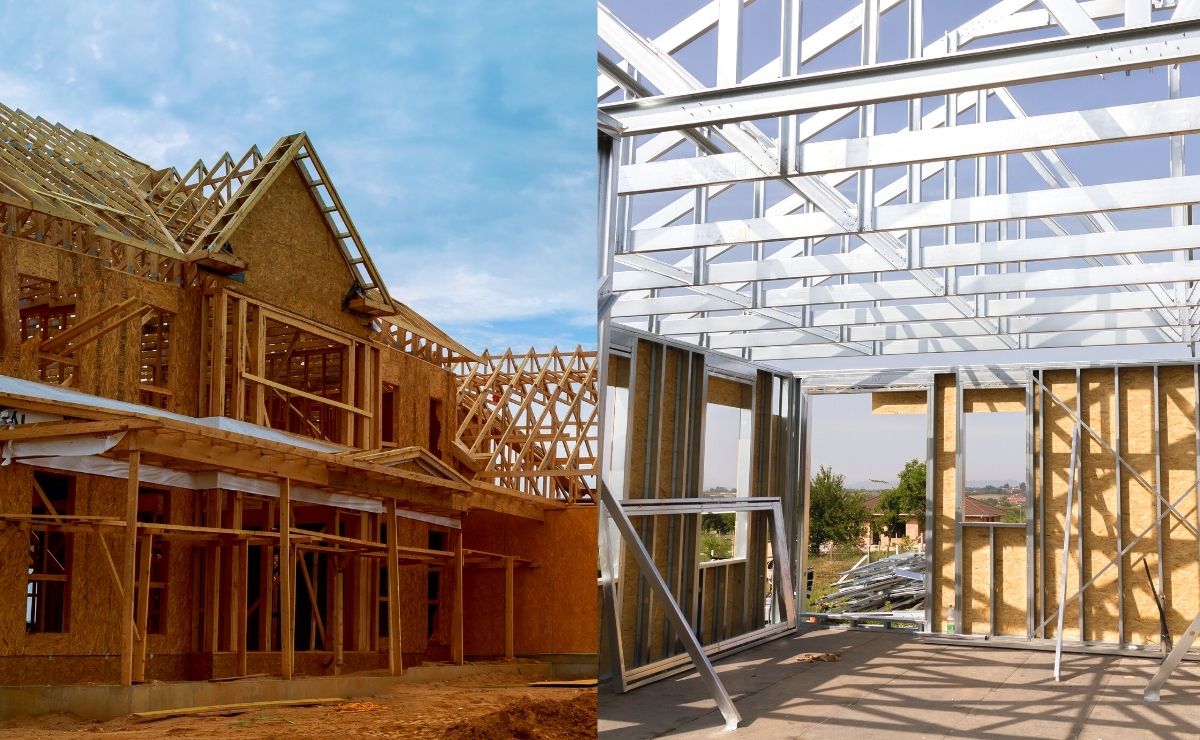
Steel is also a conductor of heat and cold. This means if you don't have proper insulation, you could have more thermal bridging – where heat or cold travels through the steel studs into your home. This can impact your energy efficiency and make your heating and cooling bills a little… punchier. Proper insulation is absolutely key here, more so than with wood.
And while steel doesn't rot, it can rust if exposed to moisture for extended periods. However, most steel framing used in residential construction is galvanized or coated to prevent this. It’s more of a concern in industrial settings or if there’s a significant water intrusion issue.
Also, think about trying to hang that ridiculously heavy artwork I mentioned earlier. With steel studs, you can’t just nail into them. You need specialized fasteners and techniques. It’s less forgiving for DIY hanging sessions. So, that gnome collection might need a different strategy.
Lastly, there’s the environmental impact of steel production. While steel is highly recyclable, the manufacturing process itself can be energy-intensive. Wood, being a renewable resource, has its own environmental considerations, but they’re different. It’s a complex equation, isn’t it?
So, Which One Wins?
Honestly? There’s no single "winner." It totally depends on what’s important to you and your specific situation. It’s like choosing between a comfy couch and a sleek sports car – both are great, but they serve different needs.
If you’re all about that classic, cozy feel, are on a tighter upfront budget, and have easy access to experienced wood framers, then wood might be your jam. Just be prepared for the ongoing vigilance against pests, fire, and moisture. It’s the traditional path, and for many, it’s a perfectly good one.
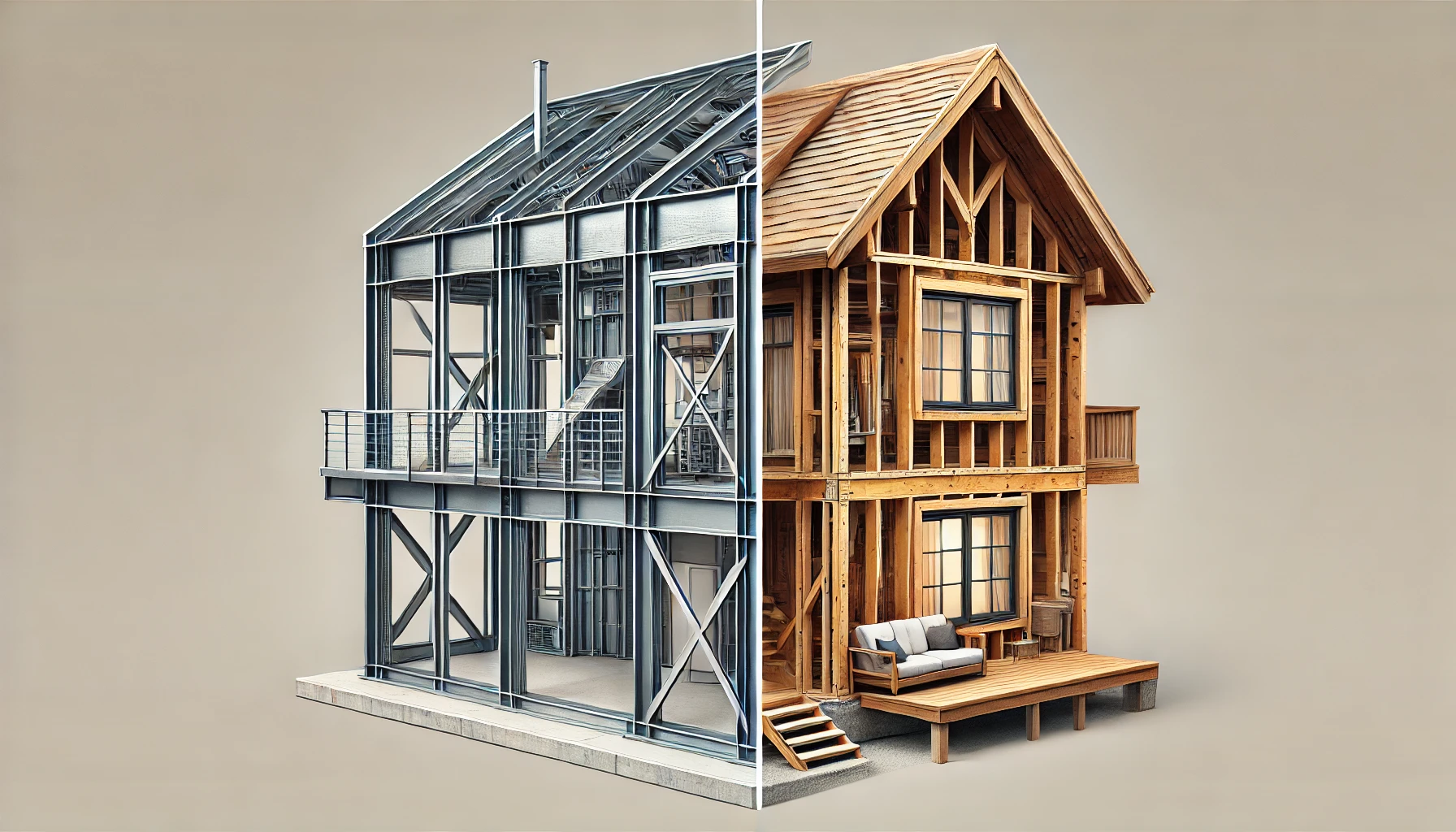
But if you prioritize durability, pest resistance, fire safety, and a modern, open-plan design, and you’re willing to potentially invest a bit more upfront for those benefits, then steel could be your perfect match. It’s the future-forward choice, built to withstand a lot more than a bad hair day.
Think about your climate. Are you in an area prone to termites? Maybe steel is looking pretty good. Is your area super humid? Steel might offer more stability. What are your local building codes? Sometimes, one is more prevalent or easier to get approved than the other.
Consider your long-term goals. Are you planning to stay in this house forever and want something virtually maintenance-free? Steel might win. Or are you looking for something more budget-friendly now, with the understanding that you might do more upkeep later?
And don't forget about insulation. Whichever you choose, good insulation is crucial for comfort and energy efficiency. For steel, it’s an absolute must-have to combat thermal bridging.
It’s a big decision, for sure. It’s worth talking to builders experienced in both methods. Get quotes. Ask them about the pros and cons in your specific area. They’ll have the real-world insights that can make all the difference.
Ultimately, both wood and steel frame houses can be beautiful, functional, and long-lasting homes. It’s about weighing the trade-offs and choosing the material that best fits your vision, your budget, and your lifestyle. So, no pressure, but choose wisely! And hey, whatever you pick, make sure it’s a place you’ll love.