
Steel Processing For Seismic Protection Applications
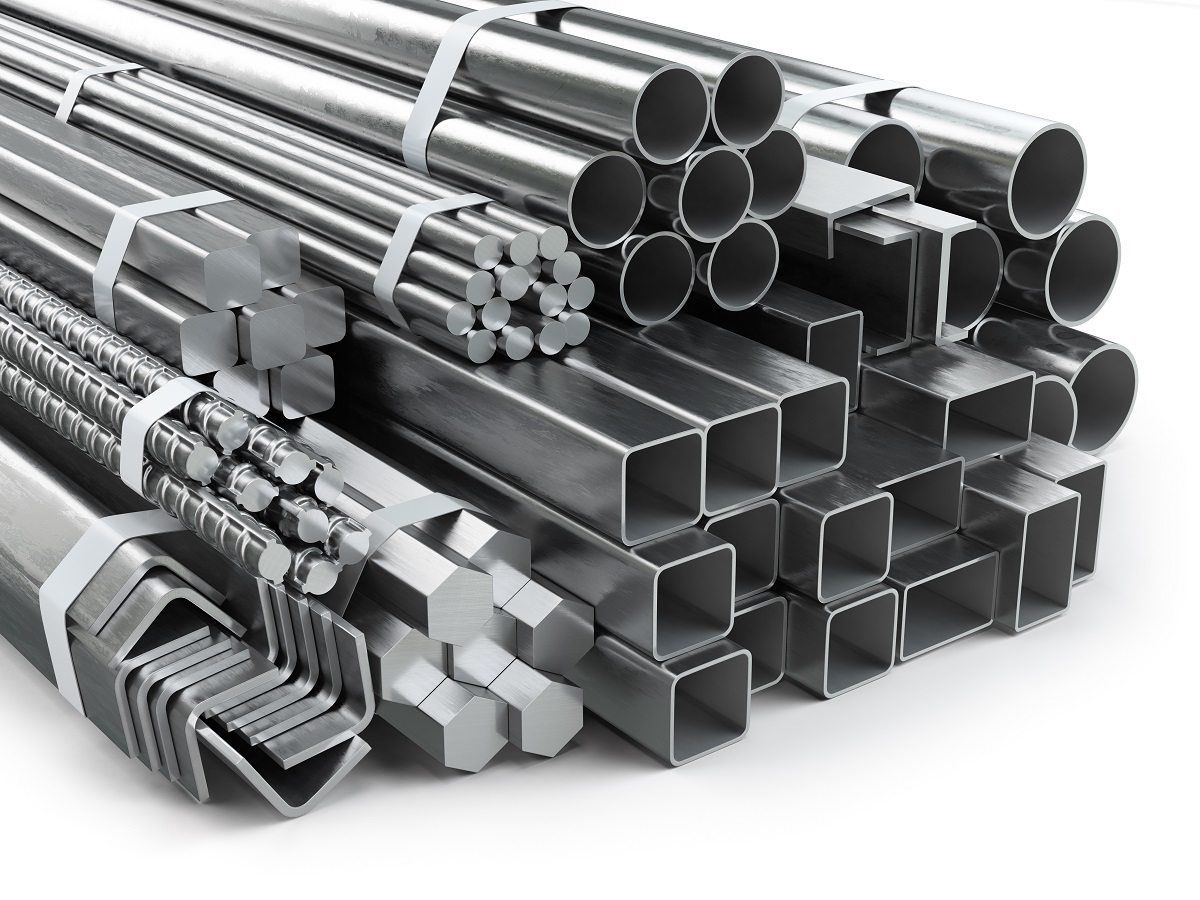
So, ever thought about what happens to that awesome steel you see in buildings? You know, the stuff that’s supposed to keep everything from going… boing… when the earth decides to do its little shimmy?
Yeah, that's what we're diving into today! We're talking about steel processing for seismic protection applications. Sounds fancy, right? But really, it’s just about making steel super-duper tough for when the ground gets a bit wobbly.
Earthquakes: The Ultimate Stress Test
Think about it. Earthquakes are basically the universe’s way of saying, "Hey, let's see how strong you really are!" Buildings are the ones who have to take the brunt of it. And what’s a building’s backbone? Yep, it's that strong, reliable steel.
But not just any old steel will do. We need steel that’s been trained. Steel that's been put through its paces. Steel that’s ready to dance with the tremors, not crumble.
Not Your Average Backyard BBQ Grill Steel
You wouldn’t use your flimsy barbecue grill metal to build a skyscraper, would you? Nope. Seismic-grade steel is a whole different beast. It’s processed with special care to make it bendy, yet incredibly strong.
The goal? To absorb all that shaking energy. We want the building to sway, to flex, not to snap. Imagine a really strong, well-trained gymnast. They bend, they twist, they recover. That’s the kind of vibe we’re going for with seismic steel.
The Magic Behind the Metal
So, how do we get this super-steel? It’s a bit like a chef in a high-tech kitchen. They start with raw materials and whip them into something amazing.
First up, we’ve got melting and refining. We take iron ore and other goodies, melt them down in giant furnaces. Think of it like a super-sized cauldron. But instead of a bubbling potion, we’re cooking up molten steel.
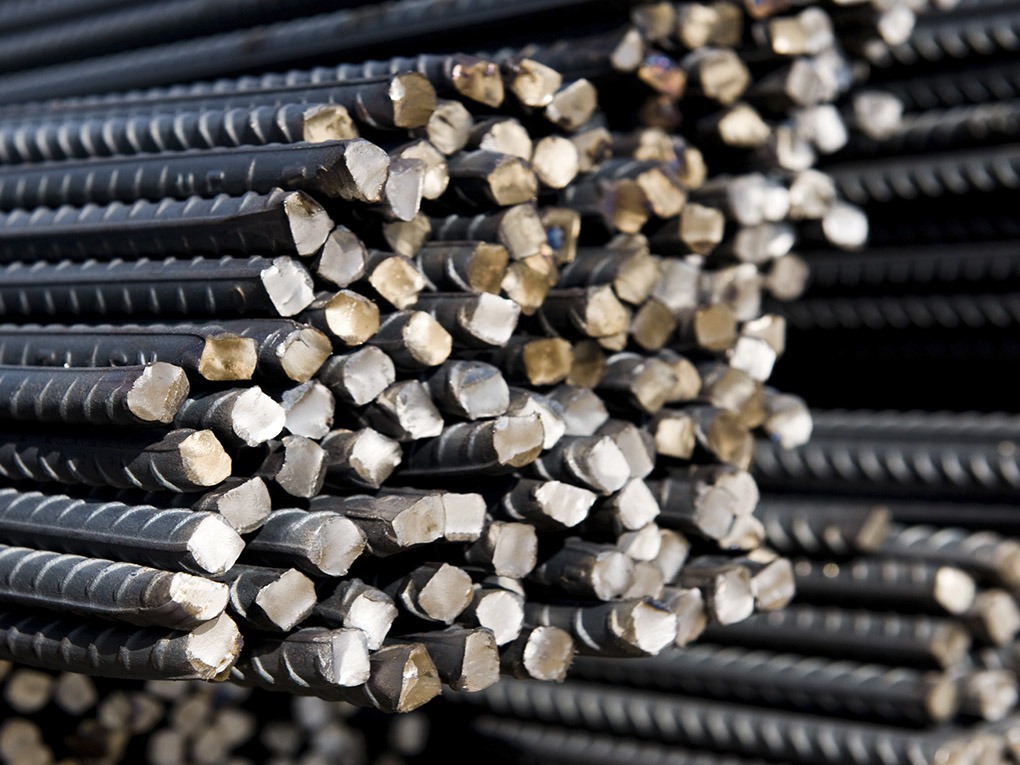
During this stage, we're really picky about what goes in. We want just the right amount of carbon and other elements. Too much of one thing, and the steel might be too brittle. Too little, and it might not be strong enough. It’s a delicate balance, like getting your coffee just right.
Then comes the alloying. This is where we add other metals, like manganese, silicon, and sometimes even bits of copper or nickel. These additions aren't for flavor, folks! They’re the secret sauce that gives the steel its specific, earthquake-fighting properties.
Manganese, for instance, helps improve toughness. Silicon acts as a deoxidizer, which sounds technical, but basically means it cleans up the molten steel. It’s like tidying up your room before a big party – makes everything work better!
Rolling and Shaping: Giving Steel Its Moves
Once we’ve got our perfectly mixed molten steel, it’s time to give it a shape. This is usually done through hot rolling. Imagine a giant, fiery pasta maker, but for steel beams!
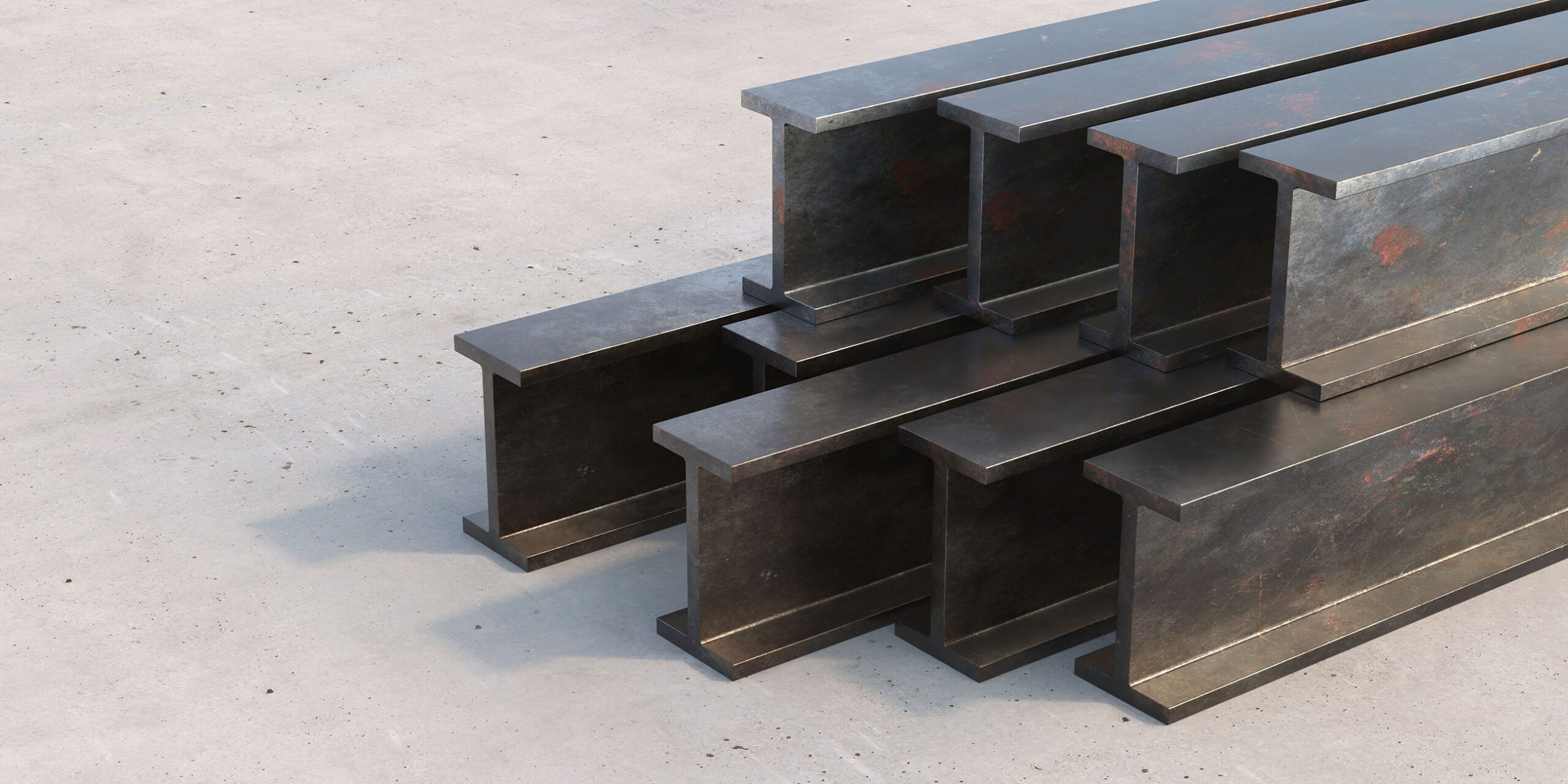
The hot steel is squeezed and pulled through massive rollers. These rollers shape the steel into the beams, bars, and plates that we see holding up our buildings. The heat makes the steel malleable, like play-doh, so it can be easily formed.

This isn't just about making it look pretty. The rolling process also refines the grain structure of the steel. Think of the grain structure like the wood grain in a piece of furniture. A good, consistent grain structure makes the steel stronger and more uniform.
Sometimes, after it’s cooled, we might do some cold forming. This is where we bend or shape the steel further at room temperature. It’s a bit like bending a paperclip – you can do it, but it takes a bit more effort because it’s already solid.
This cold forming is important for creating specific shapes needed in earthquake-resistant structures. We want things to fit together perfectly, like a giant, incredibly strong Lego set.
The Quirky Bits: What Makes Seismic Steel Special?
Okay, here's where it gets really fun. Seismic steel isn't just about being strong. It's about being cleverly strong. It needs to have a good dose of ductility.
What’s ductility? It’s the ability of a material to deform significantly under tensile stress before fracturing. In plain English? It means the steel can stretch and bend a LOT without breaking. It’s the difference between a brittle cookie that snaps and a piece of taffy that stretches.
This is crucial in an earthquake. When the ground shakes, the building needs to move. If the steel were too brittle, it would just snap under the strain. Ductile steel, however, can absorb the shock by deforming. It might get a little bent out of shape, but it won't fail catastrophically.
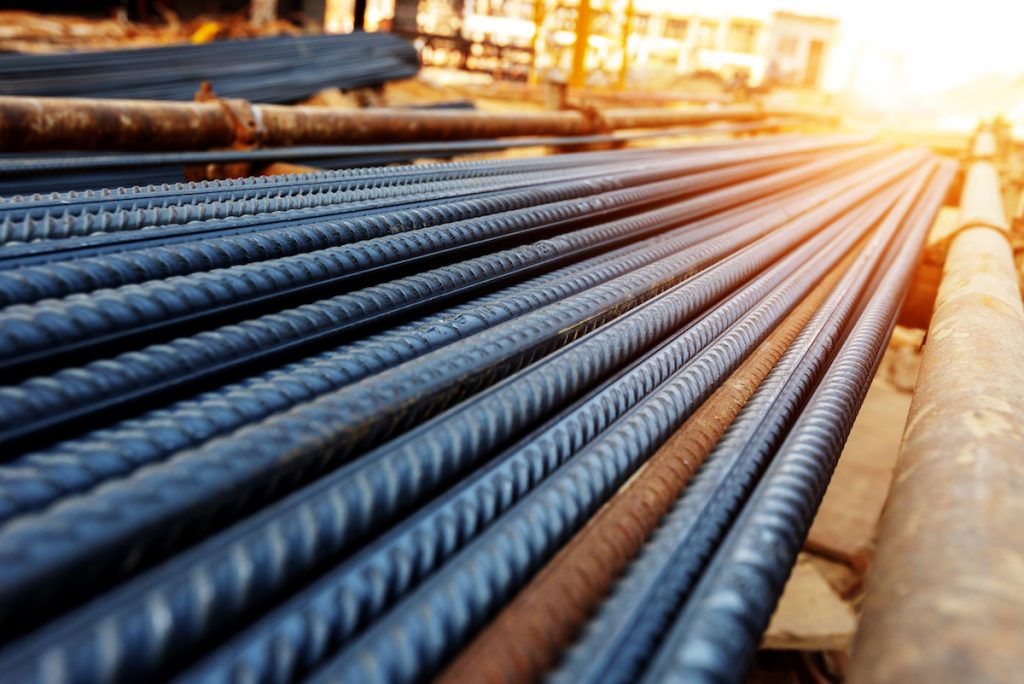
Another cool factor is toughness. This is the ability of the steel to absorb energy and deform plastically before fracturing. It's like the steel’s superpower for resisting sudden impacts or stresses.
Think of it like a superhero’s shield. It can take a punch, absorb the impact, and still protect what's behind it. Tough steel can handle those sudden jolts and vibrations that come with seismic activity.
Testing, Testing, 1, 2, 3!
Before this super-steel even gets near a construction site, it goes through rigorous testing. We’re talking about pulling, bending, and shaking it like it owes us money!
These tests make sure the steel meets all the strict standards. They check its strength, its ductility, and its toughness. It's like sending your kid off to college – you want to be sure they're prepared for whatever comes their way.
One common test is the tensile test. We literally pull a piece of steel until it breaks. Sounds brutal, right? But it tells us exactly how much stress it can handle before giving up the ghost. We measure how much it stretches (its ductility) and how much force it takes to break it (its strength).
Then there’s the impact test, often using something called a Charpy V-notch test. A weighted pendulum swings down and smashes into a notched sample of steel. If the steel shatters, it’s probably not tough enough. We want it to absorb that impact with a satisfying thump, not a crack!
Why Should You Care?
Well, because you probably live or work in a building, right? And you probably don’t want it to turn into a pile of rubble when the earth decides to have a tantrum.
This fancy steel processing is what makes our modern cities safer. It’s the unsung hero in the background, working hard to keep us protected.
It’s also pretty cool to think about the science and engineering involved. Taking humble iron ore and turning it into something that can withstand nature’s most powerful forces? That’s pretty darn impressive.
So, next time you see a skyscraper or a bridge, take a moment to appreciate the steel. Especially the seismic-grade stuff. It’s been through a lot to get there, and it’s working overtime to keep you safe. Pretty neat, huh?
It’s a reminder that even though we can't control the earth, we can certainly build smarter and stronger. And that, my friends, is pretty darn satisfying.