
Steel Stress And Strain Curve
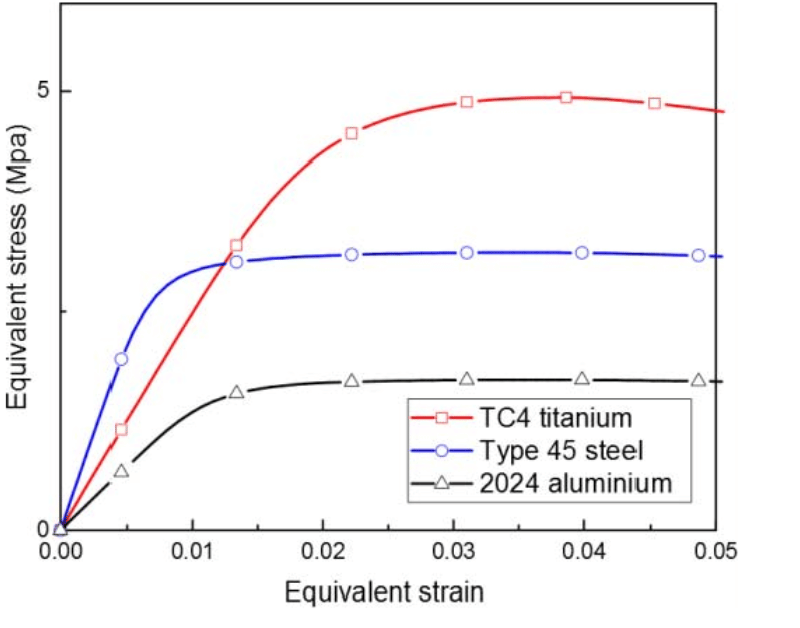
Ever wondered what makes that skyscraper stand tall, or how a bridge can support tons of traffic without crumbling? It’s not just magic or a really good builder; it’s all about the secret life of steel! Today, we’re diving into something super cool called the Steel Stress and Strain Curve. Now, I know that might sound a bit… well, stressful and straining, but trust me, it’s actually a fascinating peek into how this amazing metal behaves when we push and pull it. Think of it as the ultimate report card for steel, showing us exactly how it handles pressure, and why it’s the superhero of the construction world.
Why You Should Care About Steel's "Report Card"
So, why is this “stress and strain curve” even a thing? Well, imagine you're designing a building. You need to know if the steel beams you’re using are strong enough to hold up all those floors, people, and furniture. You also need to know what happens if something unexpected occurs, like a really strong wind or even an earthquake. The stress and strain curve is our cheat sheet! It tells engineers exactly how much force (that’s stress) steel can take before it starts to deform permanently, or even break (that’s strain).
The benefits are huge! For starters, it ensures our safety. Every time you walk across a bridge, drive through a tunnel, or even sit at your desk, you're benefiting from engineers understanding this curve. It helps them choose the right type of steel for the job, making sure it’s strong enough to do what’s needed, but also flexible enough to handle some give without snapping. This knowledge prevents disasters and allows us to build incredible things that would otherwise be impossible. It's like knowing your phone's battery life – essential for making sure it works when you need it!
Unpacking the Curve: A Steel Adventure
Let’s break down this mystical curve. Imagine we have a piece of steel, and we start pulling on it, gently at first, then harder and harder. We’re measuring two things:
- Stress: This is the internal force that the steel is resisting. Think of it as how hard the steel is pushing back against our pull. We measure it in units like Pascals (Pa) or pounds per square inch (psi).
- Strain: This is how much the steel stretches or deforms in response to that pull. It’s usually expressed as a percentage or a ratio of the original length.
Now, we plot these measurements on a graph, with stress on the vertical axis and strain on the horizontal axis. What we get is a curve that tells us a story:

The initial part of the curve is usually a straight line. This is the elastic region. In this phase, if we were to stop pulling, the steel would snap right back to its original shape, like stretching a rubber band and letting go. It’s perfectly happy and behaving predictably. This is the “I can handle this!” phase.
As we keep pulling, we reach a point called the yield strength. This is a super important number! Once the steel passes its yield strength, it enters the plastic region. In this stage, if we were to release the stress, the steel wouldn't go back to its original shape. It has been permanently stretched, like bending a metal spoon – it stays bent. This permanent deformation is called yielding.

The curve then continues to rise as the steel gets stronger and stronger, even as it’s deforming. This is known as work hardening or strain hardening. The steel is actively resisting the further stretching, becoming tougher in the process. It's like the steel is saying, "Okay, you're really trying to change me, but I'm going to get stronger while you do it!"
Finally, we reach the ultimate tensile strength. This is the absolute maximum stress the steel can withstand before it starts to neck down. “Necking” is when a specific spot in the steel begins to thin out significantly, like a piece of taffy being pulled. After this peak, the stress required to continue deforming it actually decreases, even though it's still stretching.
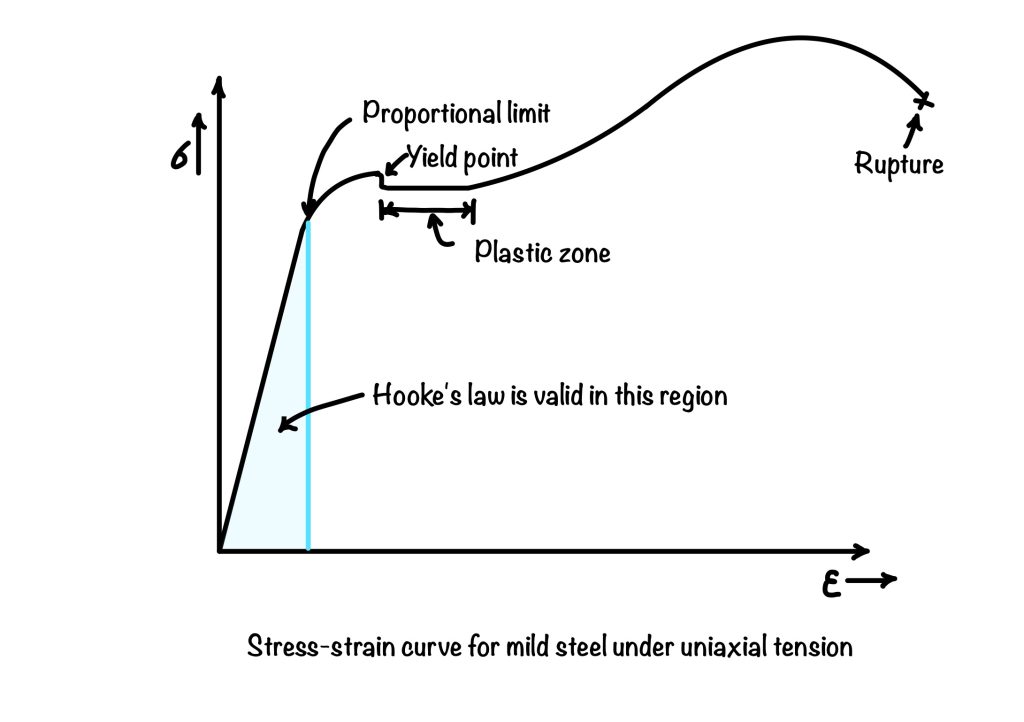
The grand finale is when the steel finally fractures, or breaks. The point where it breaks is the final point on our curve. The area under the curve actually tells us how much energy the steel can absorb before it breaks – a measure of its toughness.
More Than Just Steel: A Universal Concept
Understanding the stress and strain curve isn't just for steel fanatics. This concept applies to all sorts of materials, from the plastics in your phone case to the concrete in buildings. It’s a fundamental principle in engineering and material science that helps us build a safer, stronger, and more innovative world.
So, the next time you see a towering structure or a sleek car, remember the hidden story of its materials. The stress and strain curve is the silent, unsung hero, ensuring that the things we rely on everyday are robust, reliable, and ready to face whatever comes their way. It’s a testament to how understanding the fundamental properties of materials allows us to create the marvels of our modern age!