
Steel Strings On Nylon Guitar
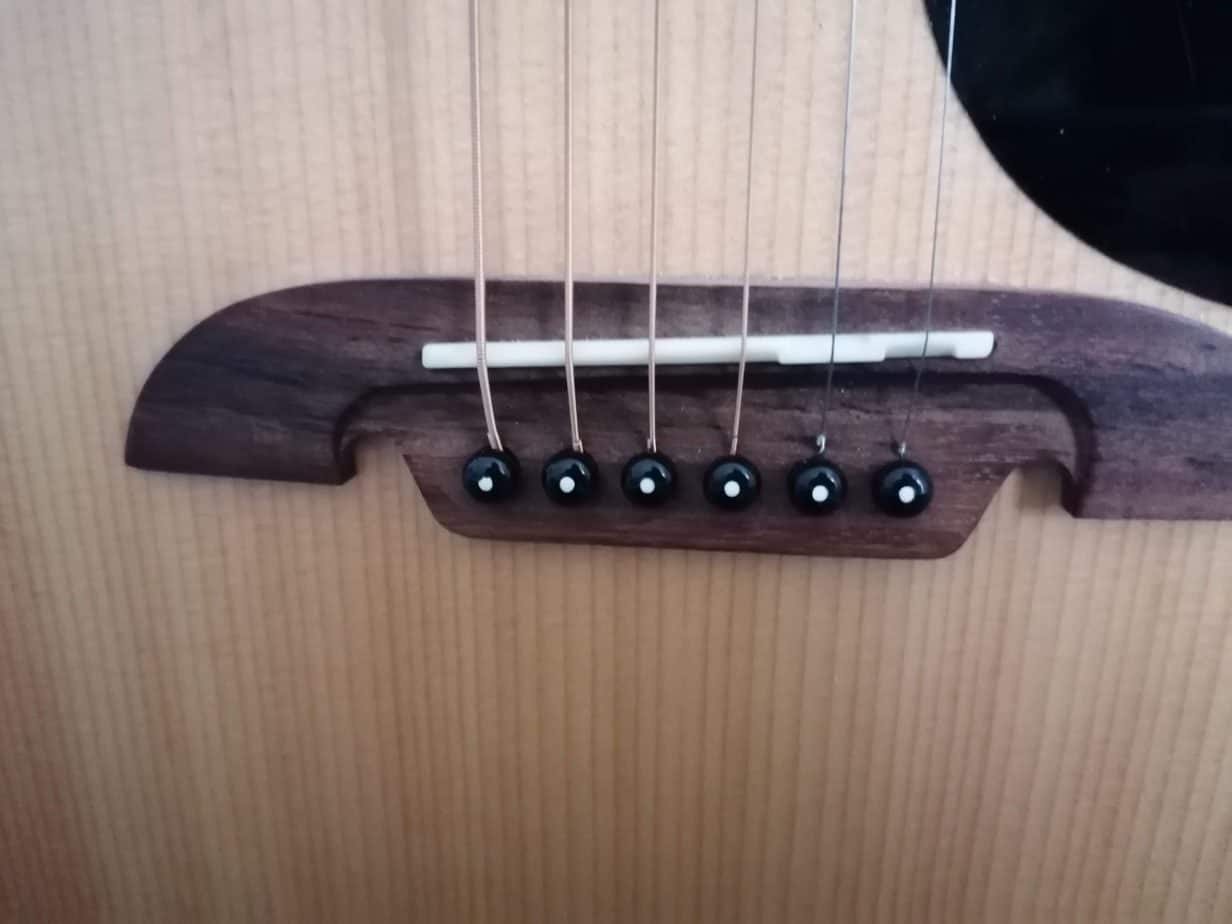
There’s a certain romance to the acoustic guitar, isn't there? The way it rests against you, a warm, resonant partner in song. And for many, that partnership begins with the gentle embrace of nylon strings. They’re forgiving, sweet-toned, and evoke images of sun-drenched piazzas and flamenco fire. But what if your heart yearns for a bit more sparkle, a touch more sustain, a sound that cuts through with a bit more clarity? What if you’ve found yourself eyeing those gleaming steel strings, wondering if they could ever grace the fretboard of your beloved nylon-stringed beauty?
Let’s be frank: the answer, for the most part, is a resounding "no". But before you close this tab and dismiss the idea entirely, let's dive into why this notion pops up, what happens if you do try it (and trust me, some brave souls have!), and the actual ways to achieve a brighter, more articulate sound on your classical or flamenco guitar without inviting disaster.
The Allure of Steel: Why the Question Even Arises
It's easy to see the appeal. Steel strings, typically found on acoustic guitars with a truss rod, offer a brighter, louder tone. They have a sharper attack, a longer sustain, and can shimmer and ring with an almost ethereal quality. Think of the driving rhythm of a folk ballad, the crisp articulation of a country picking pattern, or the sheer volume needed to compete with a band. Nylon strings, on the other hand, are mellower, warmer, and have a softer attack. They’re ideal for classical music, fingerstyle melodies that require nuance, and styles like Bossa Nova where a smooth, round tone is paramount.
So, the question of putting steel strings on a nylon guitar is born from a desire to blend these sonic worlds. Imagine the warmth of a nylon-stringed guitar with the clarity and projection of steel. It’s a tantalizing thought, especially for players who dabble in multiple genres or find themselves wanting a bit more oomph from their nylon instrument. It's like wanting to put racing tires on your cozy sedan – you're after a different kind of performance.
The Technical Truth: Why It's Generally a No-Go
Here's where we get a little technical, but stick with me, it’s important. The fundamental difference lies in the tension. Steel strings exert significantly more tension on the guitar's neck than nylon strings. A classical or flamenco guitar is built to handle the relatively gentle pull of nylon strings. Its neck, bracing, and even the bridge are designed for this lower tension.
When you string a nylon guitar with steel strings, you're essentially applying a much greater force to a structure that isn't designed to withstand it. This can lead to a cascade of unfortunate events. The neck can start to bend or warp under the increased tension, leading to high action (strings far from the fretboard) and buzzing. In more extreme cases, the bridge can lift away from the soundboard, or even the soundboard itself can become damaged. It's like asking a perfectly good hammock to hold a sumo wrestler – it's just not built for that kind of load.
Acoustic guitars designed for steel strings have a reinforced neck, usually with a truss rod. This is an adjustable metal rod embedded in the neck that allows luthiers (guitar makers) to counteract the pull of the strings and keep the neck straight. Most nylon-stringed guitars do not have a truss rod. This is a key structural difference that makes them incompatible with steel strings.

The "What Ifs" and the Aftermath: Tales from the Fretboard Frontier
Now, I know there are players out there who have tried it. Perhaps they were desperate for a specific sound, or simply curious. What happens then? Well, the results are rarely pretty. You might get a slightly brighter sound initially, but it’s often accompanied by a host of problems.
The increased tension can make the guitar incredibly difficult to play. The strings will feel much harder under your fingertips, and the action will likely skyrocket. This makes it painful and frustrating to even attempt to play chords or melodies. Beyond playability, the structural damage is a very real risk. I’ve heard stories (and seen pictures!) of bridges detaching, tops bulging, and necks becoming permanently warped. It’s a recipe for an expensive, and often unfixable, guitar.
Think of it this way: you wouldn't put diesel fuel in a gasoline car. It might run for a bit, but you're going to cause serious, expensive damage. The guitar is a delicate instrument, and its components are designed to work in harmony with specific types of strings.
Beyond the Steel String Dream: Achieving a Brighter Tone (the Smart Way)
So, if steel strings are out of the question, how can you achieve that desired brighter, more articulate tone on your nylon-stringed guitar? Fortunately, there are several effective and safe methods that won't risk your instrument's structural integrity.
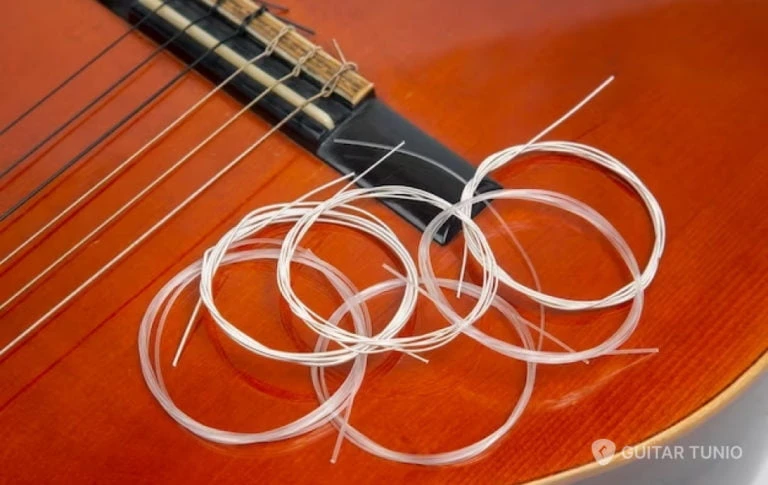
1. Experiment with Different Nylon String Types
This is your first and easiest port of call. Not all nylon strings are created equal. They come in various tensions and materials, each offering a distinct tonal character. You’ll often see strings categorized as "normal tension," "hard tension," or "extra-hard tension."
For a brighter, more articulate sound, you'll want to explore strings with higher tension. These strings will feel a bit firmer under your fingers, but they'll also produce a more percussive attack and a clearer, more ringing tone. Brands like D'Addario, La Bella, and Hannabach all offer excellent options in various tensions. Don't be afraid to try a few different sets to find what resonates with your playing style and your guitar.
Some strings also use different materials for the treble strings (the thin E, B, G). While traditional nylon is common, you might find sets that incorporate materials like carbon fiber or even titanium. These materials can offer increased brightness and sustain compared to traditional nylon.
2. Consider "Composite" or "Composite Core" Strings
These are strings that aim to offer a brighter sound while still being safe for nylon-stringed guitars. They often feature a composite material for the core of the string, which can lead to increased projection and a clearer tone. The winding on the bass strings is usually still nylon or a similar material, so the tension remains within acceptable limits for classical guitars. Brands like Aquila often have innovative composite string options that might be worth exploring.
3. Adjust Your Playing Technique
This might sound obvious, but your playing technique has a massive impact on your tone. To achieve a brighter sound on your nylon guitar:

- Pluck closer to the bridge: Plucking closer to the bridge of the guitar naturally produces a brighter, more articulate sound. Experiment with your picking position.
- Use your fingernails: If you have well-maintained fingernails, using them to pluck the strings can add a significant amount of clarity and attack. This is a cornerstone of many classical and flamenco techniques.
- Vary your picking angle: The angle at which your pick or fingernail strikes the string influences the tone. A more direct strike will be brighter.
- Practice alternate picking: For faster passages, mastering alternate picking (down-up-down-up) with precision will enhance your clarity and articulation.
Think about the legendary Andres Segovia. He achieved an incredible range of tones from his classical guitar, all through masterful technique and a deep understanding of his instrument. Your technique is a powerful tool.
4. Explore Alternative Guitar Types
If you find yourself consistently yearning for the sound of steel strings, it might be time to consider a different instrument altogether. There are guitars that bridge the gap:
- "Cross-over" or "Hybrid" Guitars: These instruments are essentially nylon-stringed guitars with a slightly narrower neck and often a shallower body profile, designed to accommodate players who are used to steel-string necks. Some might even have a very subtle truss rod, but they are still designed for nylon strings. They offer a bit more of a "modern" feel.
- Twelve-String Guitars: While not a direct substitute, a twelve-string guitar, typically strung with steel, can offer a rich, shimmering sound that might appeal to those seeking an enhanced acoustic presence.
- Steel-String Acoustic Guitars: Ultimately, if the sound of steel strings is what you're after, a well-crafted steel-string acoustic guitar is the most direct and safest route. There's a vast world of dreadnoughts, OMs, and smaller-bodied acoustics, each with its own unique tonal palette.
Consider the vibrant world of folk music, the driving rhythms of blues, or the intricate fingerpicking of Americana. These genres are born from the voice of the steel-string guitar. If your heart beats to that rhythm, embracing a steel-string instrument might just be the most fulfilling path.
5. Professional Luthier Consultation
This is a last resort, and even then, it's highly unlikely a luthier will recommend putting steel strings on a standard nylon guitar. However, if you're curious about more extreme modifications or have a very specific, custom build in mind, consulting a luthier is the way to go. They can explain the physics involved and the feasibility of any structural changes. But be prepared for them to gently steer you towards the appropriate instrument for the sound you desire.

A Cultural Note: The Evolution of Sound
The distinction between nylon and steel string guitars isn't just technical; it's deeply ingrained in musical history and culture. The classical guitar, with its nylon strings, rose to prominence in the 19th century, associated with art music and composers like Fernando Sor and Francisco Tárrega. Flamenco music, originating in Andalusia, Spain, also relies on the percussive and expressive qualities of nylon strings, albeit often with a slightly different construction and playing technique.
The steel-string acoustic guitar, on the other hand, became the voice of American folk, blues, and country music in the late 19th and early 20th centuries. Think of the pioneers like Robert Johnson, Woody Guthrie, and later, the folk revival artists. The brighter, louder sound of steel strings was essential for these genres, allowing guitarists to be heard in bars, at campfires, and eventually, on stages.
So, when you consider putting steel strings on a nylon guitar, you're essentially trying to force a historical and cultural shift in the instrument's identity. It's a bit like asking a flamenco dancer to perform a tap routine in pointe shoes – the tools and traditions matter.
Fun Little Facts to Ponder
- The earliest guitars, dating back to the Renaissance, likely used gut strings, which are softer than nylon.
- The invention of modern steel strings revolutionized the acoustic guitar, allowing for greater volume and different tonal possibilities.
- Some vintage guitars have been known to have been restrung with steel strings by previous owners, often leading to significant damage.
- The "buzz" you sometimes hear on a steel-string acoustic can be a desirable tonal characteristic in certain genres, adding a gritty texture.
- The "doming" of a guitar's soundboard (a slight outward curve) is carefully engineered to withstand string tension and resonate effectively.
A Daily Reflection: Embracing Your Instrument's Voice
Ultimately, every instrument has a voice, a personality designed to express itself in a particular way. Your nylon-stringed guitar, with its warm embrace and gentle tone, is a beautiful instrument with a rich legacy. Trying to force it to sing a steel-string song is like trying to make a lullaby sound like a rock anthem – it's not what it's meant to do.
Instead, consider this an invitation to explore the depths of your current instrument. Experiment with different strings, hone your technique, and discover the full spectrum of sound your nylon guitar is capable of producing. You might be surprised at the brilliance and clarity you can unlock, all while staying true to the instrument's inherent character. It’s a journey of understanding and appreciation, and one that will undoubtedly deepen your connection with your musical companion. And sometimes, the greatest joy comes not from changing our instruments, but from learning to truly hear and play the music they were made to create.