
Steel Structure Beam Column Connection
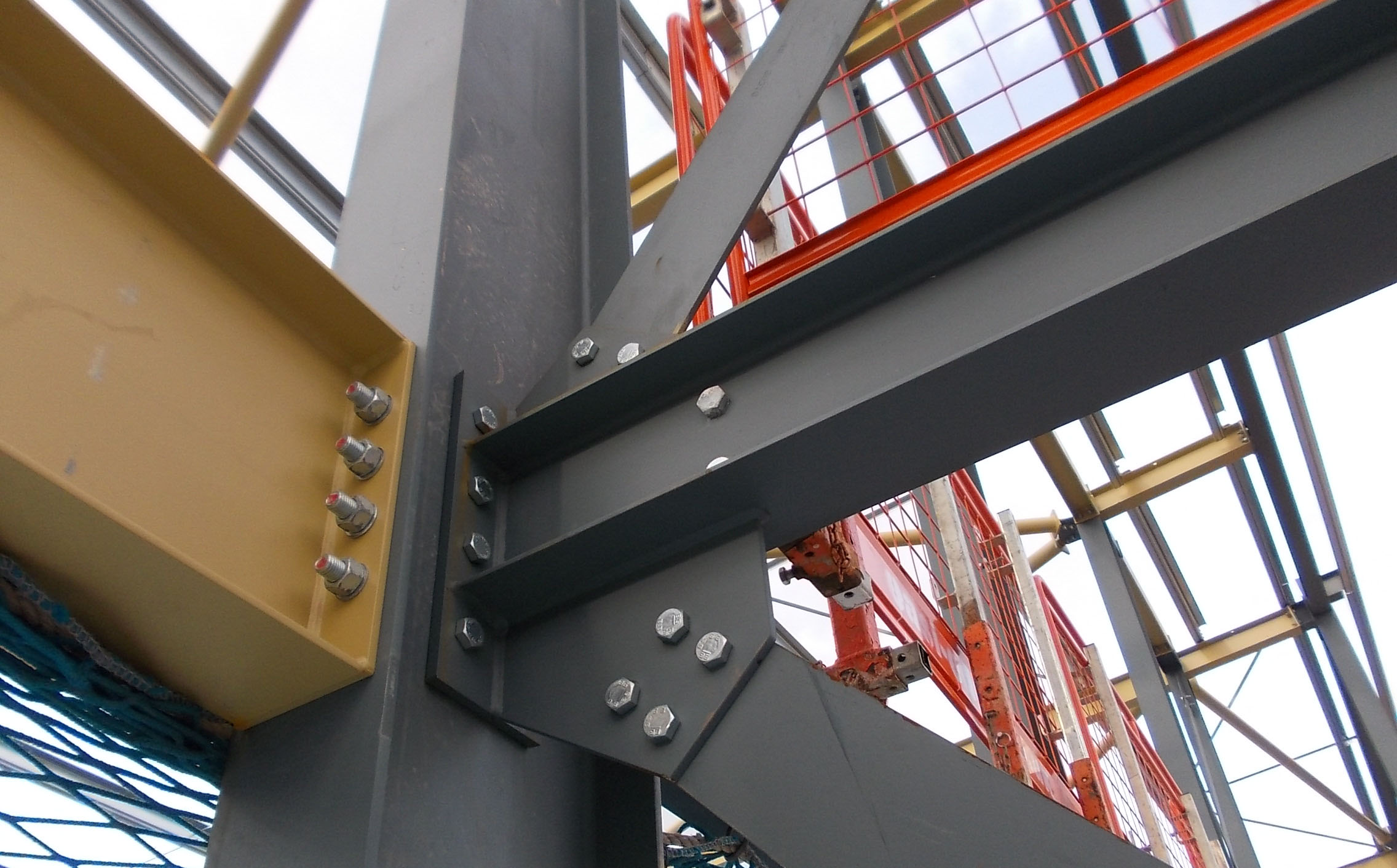
Ever looked up at a tall building and wondered what’s holding all that up? It’s not magic, and it’s not just giant LEGO bricks. It’s a super smart system of beams and columns, and the real unsung heroes are the connections between them. Think of it like this: your body has bones (columns) and muscles (beams), and all those bits need to be securely attached to each other so you don't just… well, flop over. That’s exactly what steel structure beam-column connections do for buildings.
Let’s break it down in a way that’s as simple as making a cup of tea. You have columns, which are the strong, upright pillars – like the sturdy legs of your dining table. Then you have beams, which are the horizontal pieces that span between those columns – imagine the tabletop itself. Now, the beam has to sit on the column and be attached to it, right? If they were just resting there, a strong gust of wind or someone bumping into the table might send everything tumbling. That’s where the connection comes in.
It’s the way the beam and column are joined together that makes the whole structure strong and stable. Imagine you’re building a fort out of blankets and chairs. If you just drape a blanket over a chair, it’s pretty wobbly. But if you tie the blanket corners to the chair legs, suddenly your fort is much more secure. That tie-down is your connection!
The Mighty Duo: Beam and Column
So, why should you, a person who probably doesn’t spend their days drawing blueprints, care about these seemingly technical bits of steel? Because these connections are the secret sauce to everything from the skyscraper you marvel at to the sturdy bridge you drive over every day. They are the glue (well, technically bolts and welds, but you get the idea!) that holds our modern world together.
Let’s zoom in on our stars: the steel beams and columns. Columns are designed to carry heavy loads, usually from above, and send them down to the ground. Think of them as the strong, silent types. Beams, on the other hand, are the load-bearers that span distances. They’re the ones taking all the weight from the floor above and transferring it to the columns.
But here’s the kicker: a beam and a column can’t just do their jobs in isolation. They need to have a really good chat, and by ‘chat,’ I mean a super strong physical link. This link is the beam-column connection.
More Than Just a Handshake
When we talk about connections, we’re not talking about a casual high-five. These are engineered marvels designed to handle all sorts of forces. Buildings have to deal with gravity, of course, which is constantly trying to pull everything down. But they also have to contend with other things:
- Wind: Especially in taller buildings, wind can push and pull with incredible force. Think of a kite on a windy day – it’s being tugged and twisted.
- Earthquakes: These are the ultimate test for any structure, and connections play a vital role in how a building survives.
- People: We love to move around, jump, and occasionally drop things. All that activity adds to the forces on a building.
A good connection ensures that the beam and column work together as a team, rather than trying to go their separate ways when things get tough. It’s like a really reliable friendship – when one person needs support, the other is there to hold them up.
Different Types, Different Jobs
Just like there are different ways to tie your shoelaces (some are fancier than others!), there are different types of steel beam-column connections. The engineers choose the best type depending on how much load the connection needs to handle and how the building is expected to behave.
One common type is a bolted connection. Imagine you have two pieces of wood you want to join. You could drill holes through both and use bolts and nuts to cinch them together. It’s straightforward, reliable, and you can even take it apart if you need to. In buildings, these bolts are usually very large and incredibly strong.
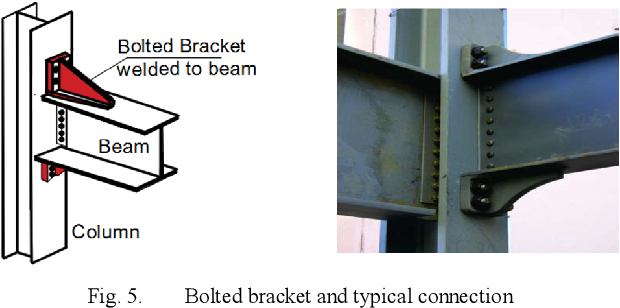
Then there’s the welded connection. This is where you use intense heat to actually melt the steel of the beam and column together, creating a single, continuous piece. It's like giving them a super-strong, permanent hug. Welds are fantastic for creating very stiff connections, meaning they resist bending and twisting really well.
Sometimes, you’ll see a combination of both. Think of it like having a really good friend who’s always there for you (welded) but also has a super practical side and is happy to help you fix something with tools (bolted).
The “Simple” Connection: Don’t Let the Name Fool You!
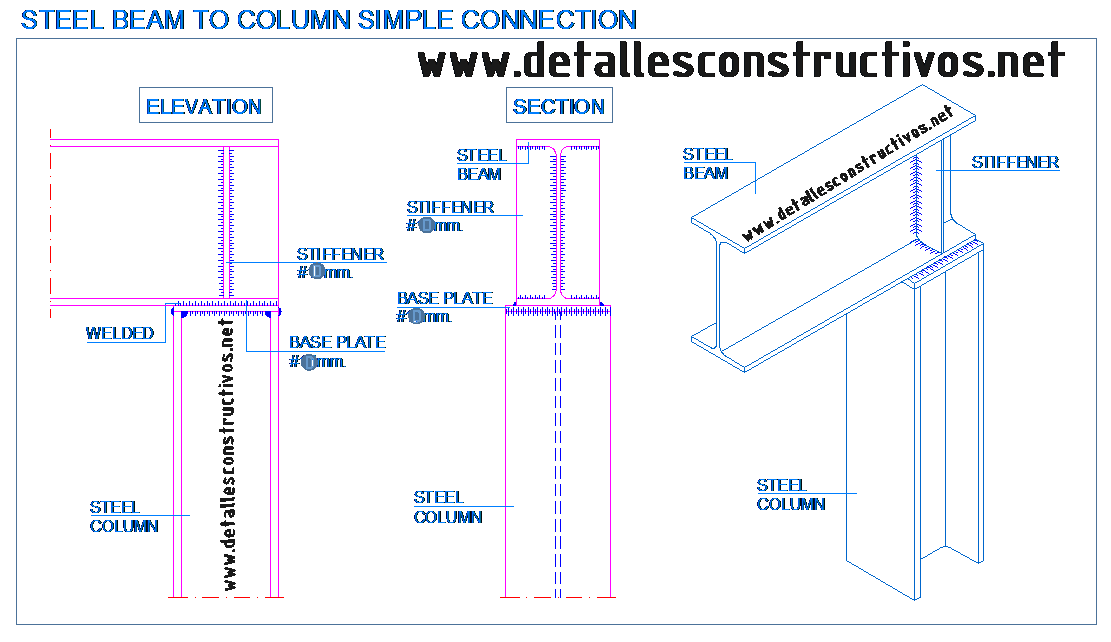
There’s a type called a “simple” connection, but don’t let the name fool you into thinking it’s weak! It’s called simple because it’s designed to primarily transfer vertical loads (gravity) and allow for some movement. It’s like a very sturdy hinge that lets the beam pivot a bit. Imagine a clothesline – the pegs holding the clothes are like simple connections. They hold the line up, but the line can still sway a little.

On the other hand, you have “moment” connections. These are the powerhouses! They’re designed to resist not just vertical loads but also bending and twisting forces. Think of the connection where a tree branch joins the main trunk. It’s super strong and doesn't let the branch just flop down. Moment connections are crucial in areas prone to strong winds or earthquakes, or for creating large, open spaces without too many internal columns.
The key takeaway is that these connections aren’t just afterthoughts. They are carefully designed and meticulously put together to ensure the safety and longevity of the structures we rely on.
Why It Matters to You (Yes, You!)
So, why should you, the person enjoying a coffee at a café on the 10th floor, care about how a beam is connected to a column? Because if those connections fail, that coffee might end up on the ground floor, along with a lot of other things! These connections are fundamental to the safety of every building we inhabit, work in, or visit.
Think about the last time you were in a really tall building. Did you feel a sense of awe? That awe is built upon countless strong, reliable connections. They allow architects to design these incredible structures that reach for the sky. Without them, our cities would look very different – much shorter and perhaps a lot less exciting.

It’s also about efficiency. Steel is a fantastic material, and these connections allow us to use it in the most effective way possible. They ensure that the load is distributed properly, so we don't need to use excessive amounts of material, which is good for the environment and for the cost of building.
And let’s not forget about durability. A well-designed and well-executed connection means a building can stand strong for decades, even centuries. It’s an investment in something that will last, something that generations can benefit from. It’s like buying a good quality piece of furniture that will be passed down, rather than something that falls apart after a year.
A Tiny Detail, A Giant Impact
Next time you see a steel structure, whether it’s a towering skyscraper, a sturdy bridge, or even a simple warehouse, take a moment to appreciate the unseen work. The beams, the columns, and especially the connections are working tirelessly, often out of sight, to keep everything safe and sound. They are the silent guardians, the unsung heroes of our built environment, and understanding them, even a little, helps us appreciate the incredible engineering that shapes our world.
So, there you have it. Steel structure beam-column connections: not so scary, right? Just a clever way to make sure our buildings give us a strong, stable place to live, work, and play. And for that, we can all be thankful!