
Steel Versus Graphite Iron Shafts

Ever stood in a golf shop, surrounded by shiny clubs, and felt a little overwhelmed? You’re not alone! We’re talking about golf shafts today, and specifically, the age-old showdown: steel versus graphite. It sounds a bit like deciding between a sturdy old oak tree and a sleek, modern sports car, doesn't it? Both get you there, but in their own unique way. Let’s break it down, no fancy jargon, just good old common sense, so you can figure out what makes your clubs tick.
Think about it this way: your golf club is like your trusty bicycle. The clubhead is the wheel, doing all the hard work of hitting the ball. The grip is where you hold on. And the shaft? That’s the frame of your bike. It connects the two, transfers all your effort, and basically dictates how smoothly and powerfully you roll down the fairway. And just like you wouldn't put racing slicks on a tractor, or giant knobby tires on a road bike, the right shaft for you matters.
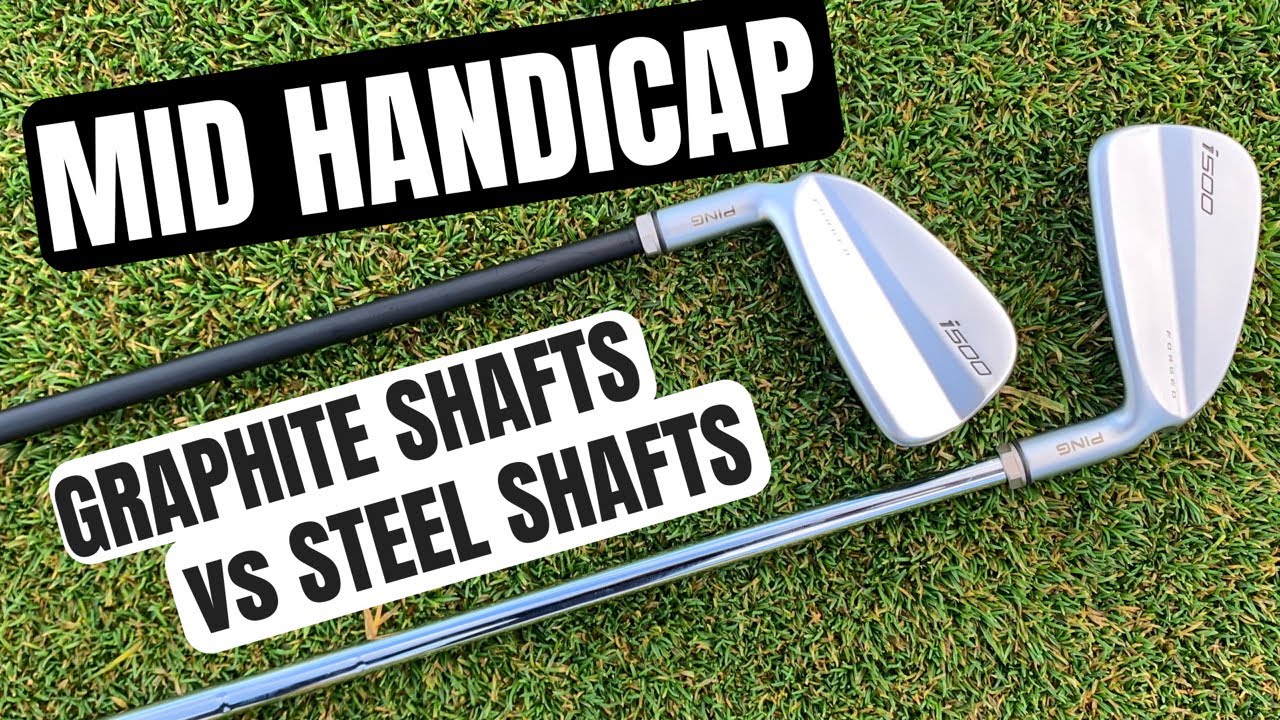
For a long, long time, steel was the king of golf shafts. And you know what? It’s still a fantastic choice for a lot of golfers. Imagine a knight’s sword – strong, reliable, and has seen its fair share of battles. Steel shafts are like that. They’re known for their durability and that satisfyingly solid feel when you connect with the ball. It’s a very traditional feel, like biting into a perfectly aged steak. You know it’s substantial.
Steel shafts tend to be a bit heavier than their graphite counterparts. Now, don’t let that scare you! For some golfers, that extra weight is a good thing. It can actually help with control and rhythm, kind of like how a heavier hammer feels more stable in your hands when you’re really trying to drive a nail. Think of those golfers who can swing a club with incredible speed and power – they often thrive with the stability that a steel shaft provides. It’s like they’re anchored to the ball.
One of the biggest reasons steel has been around forever is its consistency. The way a steel shaft flexes and performs is very predictable. It’s like a well-trained retriever – you know it’s going to do its job, every single time, without fuss. And because they’re so robust, they tend to last forever. You could probably hand down a set of steel shafted clubs to your grandkids, and they'd still be hitting the ball straight as an arrow.
So, who should be looking at steel?
If you’re a golfer who values that classic, connected feel to the ball, and you’ve got a good swing speed, steel might just be your best friend. It’s also often a more budget-friendly option, which is always a nice bonus, isn’t it? Think of it as the reliable, no-nonsense workhorse of the golf world. It gets the job done, and it gets it done well, with a satisfying thwack!
Now, let’s talk about the new kid on the block (well, not that new anymore, but certainly the more modern sensation): graphite. If steel is a sturdy oak, graphite is more like a super-light, aerodynamic carbon fiber bike frame. It’s a material born from cutting-edge technology, and it’s revolutionized how golf clubs are made and how they feel.
The most obvious difference with graphite is its weight. Graphite shafts are significantly lighter than steel ones. This is a game-changer for many golfers. Imagine trying to carry a heavy toolbox all day versus a lightweight backpack. That’s the kind of difference we’re talking about. This lighter weight can translate to faster swing speeds. And what does faster swing speed mean? You guessed it – potentially more distance off the tee!
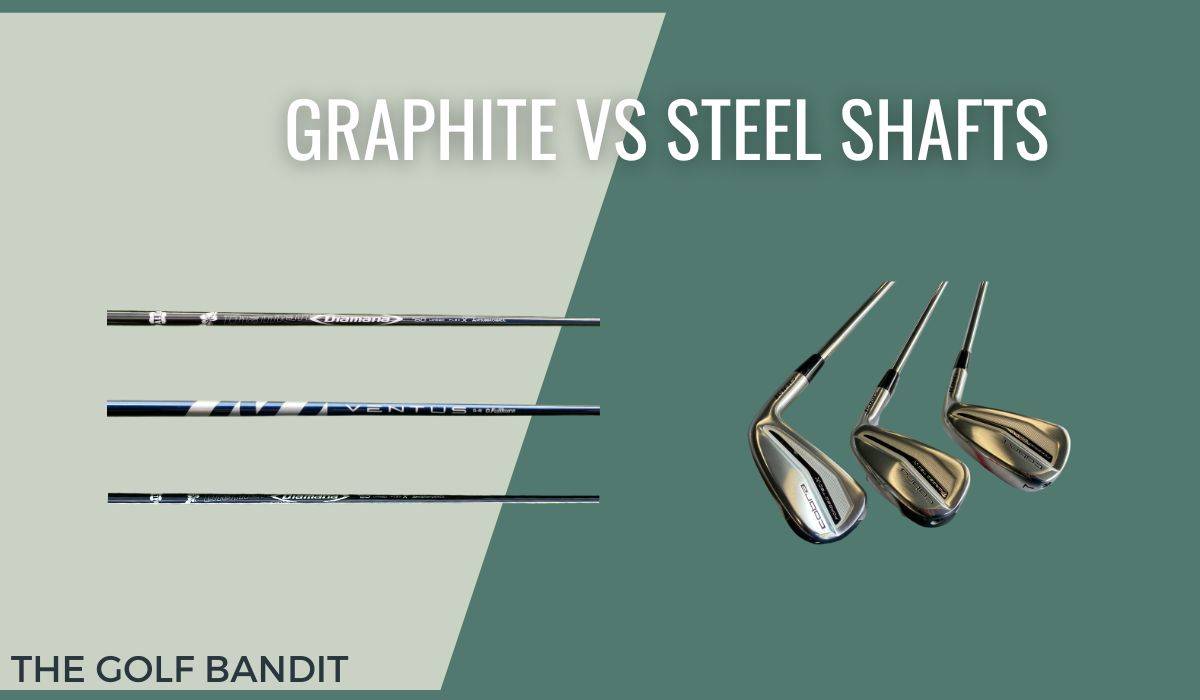
Think about it like this: if you’re trying to throw a baseball, and you have a heavy medicine ball in your throwing hand, it's going to be a lot harder to get it moving quickly. But if you have a lightweight tennis ball, you can whip your arm around much faster. That’s the principle behind lighter graphite shafts helping golfers generate more clubhead speed.
Beyond just being lighter, graphite shafts can be engineered to have different flex profiles. This is a bit like having different types of running shoes. Some are designed for speed and responsiveness, while others offer more cushioning and support. Golf shaft designers can fine-tune how a graphite shaft bends and releases throughout the swing. This means they can create shafts that are tailored to specific swing speeds and types, helping to promote a more consistent and powerful strike.
This ability to customize flex means graphite shafts can be incredibly forgiving. If your swing isn't perfect (and whose is, every time?), a well-matched graphite shaft can help to smooth out inconsistencies and still deliver a decent shot. It’s like having a little bit of helpful magic built into your club. They can also help to reduce vibration, making those off-center hits feel a lot less jarring. Remember that jarring feeling when you hit a baseball way out on the handle? Graphite shafts can be designed to mute that unpleasant sensation.

Who should be considering graphite?
Pretty much any golfer can benefit from graphite. If you’re looking to add a few extra yards to your drives, or if you find steel shafts feel a bit too heavy and taxing on your swing, graphite is definitely worth exploring. It’s particularly great for golfers who might be younger, or those who are looking for a bit of help in generating swing speed. Think of it as the modern marvel that can give your game a little boost.
It’s also worth noting that the price of graphite shafts has become much more accessible over the years. While the very top-end models can still be pricey, there are plenty of excellent, mid-range graphite options out there that offer fantastic performance for the money. So, it's not just for the pros anymore!
Ultimately, the choice between steel and graphite isn't about one being better than the other, but rather which one is better for you. It’s like choosing your favorite ice cream flavor. Chocolate is classic and dependable, but maybe you’re in the mood for something a bit more exciting and complex, like a rocky road. Both are delicious, but they offer a different experience.
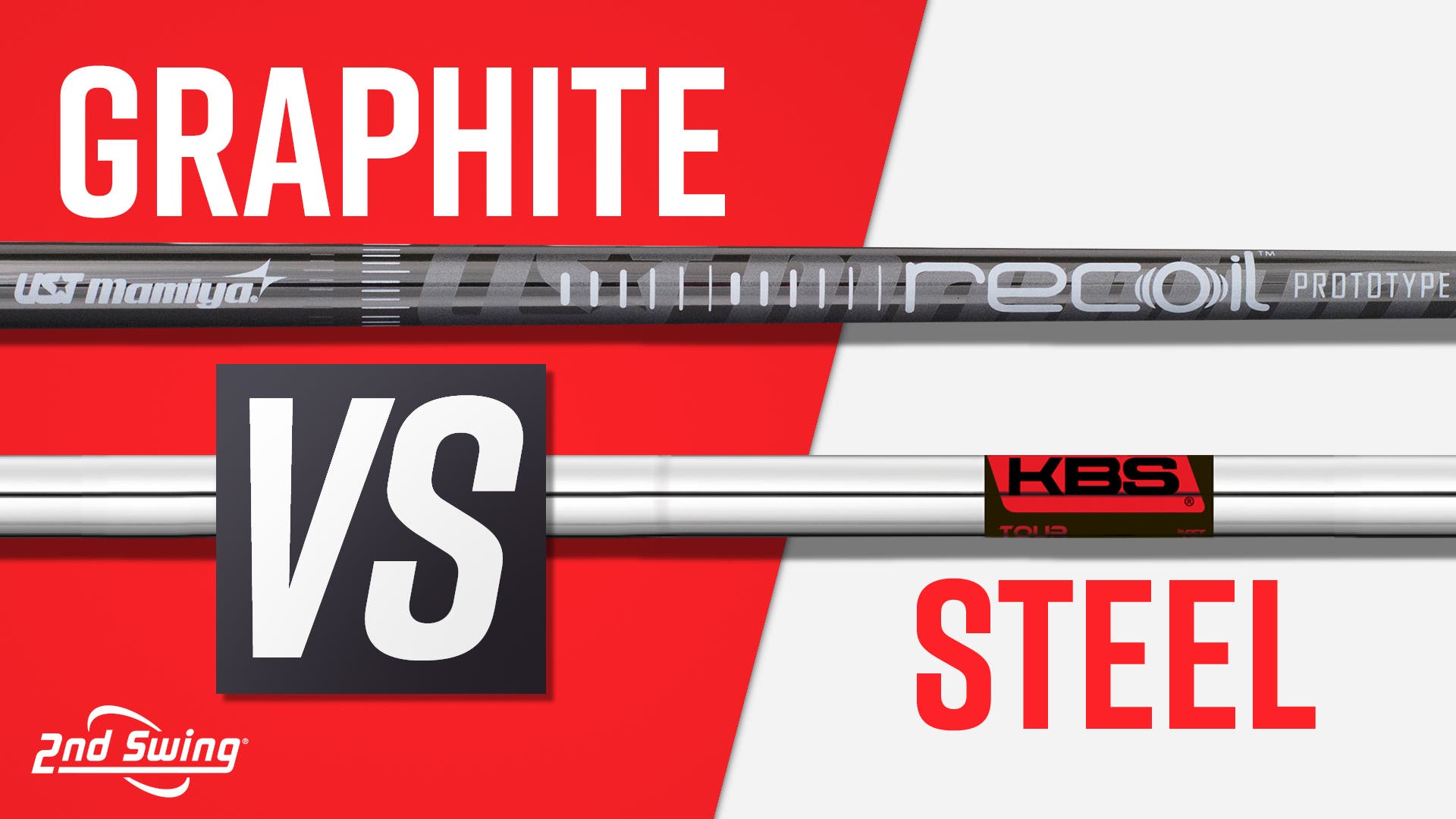
The best advice is always to try them out. Most reputable golf stores will let you swing a few different clubs with different shaft types. Pay attention to how they feel in your hands, how they feel during your swing, and most importantly, how the ball flies. Does one feel more natural? Does one give you more confidence? That’s your gut telling you what’s right.
Don’t be afraid to ask the pros at the golf shop for their recommendations. They’ve seen it all and can help guide you based on your swing speed, your typical ball flight, and your general golfing goals. They’re like the friendly mechanics who know exactly what your car needs to run its best.
So, whether you’re a traditionalist who loves the feel of steel, or you’re ready to embrace the speed and forgiveness of graphite, remember that the shaft is a crucial part of your golf club. It’s the unsung hero that connects your talent to the ball. Choose wisely, have fun, and may your drives be long and your putts be short!