
Steel Vs Aluminum Gravel Bike

So, you're thinking about getting a gravel bike. Awesome! It's like the Swiss Army knife of bicycles. It can handle paved roads, bumpy dirt tracks, and everything in between. But then you hit a bit of a fork in the road, a classic bike-nerd dilemma: Steel vs. Aluminum.
It sounds like a tough decision, right? Like choosing between a comfy old armchair and a sleek new sports car. Both have their charms, and honestly, neither is a bad choice. It all comes down to what kind of adventure you're dreaming of.
Let's dive into the world of gravel bikes and see what makes these two materials so different. Think of it as a friendly rumble, a showdown of sorts, but with way more snacks and fewer punches. We're here to make sense of it all, no fancy jargon, just good old-fashioned chat.
The Steel Soul of a Gravel Bike
Imagine a trusty steed, one that's seen it all and is ready for more. That's often the feeling you get with a steel gravel bike. It's got a certain charm, a classic vibe that just feels right.
Steel is known for its incredible durability. It's like a well-loved denim jacket – it just gets better with age and use. You can throw a lot at a steel frame, and it tends to take it like a champ. This is a big win for anyone who likes to push their limits or explore places where the pavement ends abruptly.
But here's where it gets really cool: the ride. Steel has this magical ability to soak up vibrations. It's often described as having a "springy" or "lively" feel. This means those little bumps and jitters from the road or trail get smoothed out, making your ride feel more comfortable and less fatiguing. Your arms and back will thank you after a long day out!
This comfortable ride isn't just about feeling good; it's about performance too. When you're less rattled, you can focus more on the path ahead. You can enjoy the scenery and the thrill of exploration without feeling like you're in a constant massage chair that's gone slightly wrong.
Now, steel does have a bit of a reputation for being heavier. And, well, it can be. But for a gravel bike, a little extra weight often translates to stability, especially when you're loaded up with gear for a bikepacking trip. Think of it as adding ballast to a ship; it helps you stay steady.
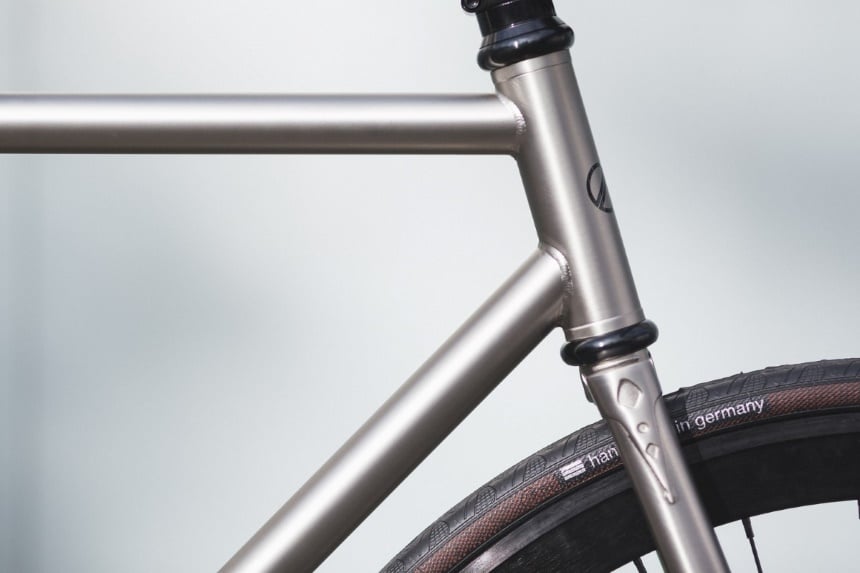
Another fantastic thing about steel is its repairability. If, by some wild chance, your steel frame gets a dent or a ding, it's often easier and cheaper to fix than with other materials. This adds to its reputation as a long-term, reliable companion for your adventures.
The Classic Charm of Steel
There's a certain romance to steel bikes. They have a heritage, a history of carrying riders through all sorts of journeys. It's a material that feels organic and alive beneath you.
When you're riding a steel bike, you might feel a connection to the road or trail that's unique. It's not just metal; it's a carefully crafted piece of engineering designed to bring you joy and adventure.
So, if you're someone who values comfort, durability, and a bit of classic character, a steel gravel bike might just be your perfect match. It’s the dependable friend who’s always up for an adventure, no matter how rough the path.
The Speedy Spirit of Aluminum
Now, let's switch gears and talk about aluminum. If steel is the comfy armchair, aluminum is more like a high-performance sports car. It's built for speed and efficiency, and it does it with a youthful energy.
The most noticeable thing about aluminum bikes is their lightness. They are significantly lighter than their steel counterparts. This makes a huge difference when you're climbing hills or trying to accelerate quickly. Every pedal stroke feels more efficient, and you can really feel the bike wanting to go!

This lightness isn't just about bragging rights; it's about making your rides easier and more enjoyable, especially over long distances. Less effort to move the bike means more energy for you to explore further and faster.
Aluminum frames are also known for their stiffness. This means when you put power down, it goes straight to the wheels. There's less flex, so you feel a more direct connection to the road and a responsive feel to your pedaling. It's like the bike is eager to respond to your every command.
While stiffness can sometimes mean a harsher ride, modern aluminum frames are incredibly well-engineered. Manufacturers use clever designs and tube shapes to balance stiffness with comfort. You can still have a great time on an aluminum bike without feeling like you're riding a jackhammer.
Aluminum is also quite resistant to corrosion, which is a big plus for a bike that's going to be out in all sorts of weather. You don't have to worry as much about rust sneaking in and causing problems down the line.
Another point in aluminum's favor is its affordability. Generally, aluminum bikes tend to be less expensive than comparable steel or titanium bikes. This makes them a fantastic entry point into the world of gravel cycling without breaking the bank.
The Modern Edge of Aluminum
Aluminum frames often have a more modern aesthetic. They can be shaped into sleek, aerodynamic designs that look fast even when the bike is standing still. It’s all about that cutting-edge feel.

If you're someone who loves to feel the speed, enjoys climbing, and appreciates a bike that feels nimble and quick, then an aluminum gravel bike might be your perfect partner. It’s the enthusiastic friend who’s always ready to race you to the top of the next hill.
The choice between steel and aluminum is really about what kind of personality you want your bike to have. Do you crave that smooth, comforting ride, or are you all about that lightweight, zippy feel?
The Big Showdown: Steel vs. Aluminum
So, let's put them head-to-head. It’s not about one being definitively "better," but about what suits you and your riding style.
For the Comfort Seekers and Long-Haul Adventurers: If you dream of epic, multi-day trips, or just want to minimize fatigue on longer rides, steel often takes the crown. Its ability to absorb road chatter is legendary. You’ll feel more relaxed, more connected, and ready for more miles. It's the friend who always has your back, no matter how bumpy the road.
For the Speed Demons and Climbers: If you love the feeling of acceleration, enjoy attacking hills, and want a bike that feels light and agile, aluminum is your champion. The weight savings and stiffness make a noticeable difference when you're pushing the pace. It's the energetic companion who’s always ready to pick up the pace.
Durability: Both are tough, but steel has a slight edge in its forgiving nature and repairability if things go south. Aluminum is also very robust and corrosion-resistant.

Price: Generally, aluminum bikes offer more bang for your buck if you're on a tighter budget. Steel can sometimes command a higher price, especially for higher-end tubing.
Weight: This is aluminum's win. It’s significantly lighter, which translates to easier climbing and acceleration. Steel is heavier, but this can sometimes translate to a more planted feel.
The Ride Feel: This is the most subjective part. Steel is often described as "springy" and "supple," while aluminum can feel "stiff" and "responsive." It's about what your body prefers. Some people love the subtle flex of steel, while others prefer the directness of aluminum.
Ultimately, the best way to decide is to try them both. Hop on a steel bike, then hop on an aluminum one. Feel the difference. Talk to other riders. Read reviews. Think about where you’ll be riding the most and what kind of experiences you want.
Don't overthink it too much! Both steel and aluminum gravel bikes are fantastic machines that will open up a world of adventure. They're designed to be ridden, to get dirty, and to bring you countless smiles.
So, are you leaning towards that timeless, comforting feel of steel, or the energetic, go-fast nature of aluminum? Whichever you choose, get ready for some incredible rides. The gravel is calling!