
Steel Vs Timber Frame Cost
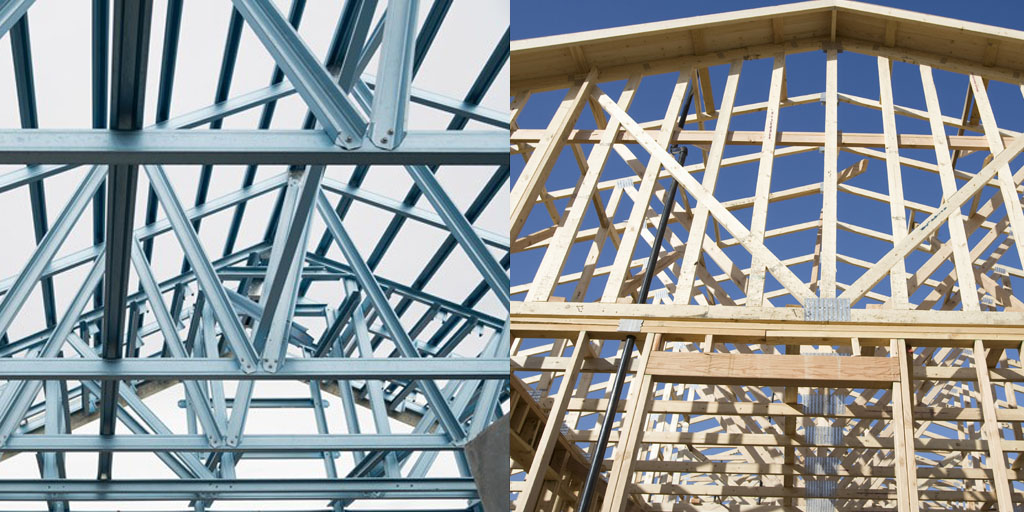
Ever find yourself staring at the skeleton of a new building, wondering what makes it tick? Or maybe you’re dreaming of building your own little slice of paradise and are drowning in a sea of construction jargon? Well, get ready to dive into one of the most fundamental—and surprisingly fascinating—discussions in the building world: steel versus timber frame. It’s not just about what holds up the roof; it’s about budget, sustainability, and the very soul of your future home or structure. Think of it as a friendly showdown between two titans of construction, each with its own unique strengths and charm. This isn't just a dry comparison; it's about understanding the options that can shape your dream project, making it both beautiful and budget-friendly.
So, what’s the big deal? At its core, this is about the primary structural material used to build the frame of a building. For centuries, timber has been the go-to. It’s the stuff of cozy cottages, grand old houses, and rustic barns. It’s renewable, it’s relatively easy to work with, and it has a warmth that’s hard to replicate. On the other hand, steel has stormed onto the scene as a modern powerhouse. Think sleek skyscrapers, industrial warehouses, and contemporary architectural marvels. It’s incredibly strong, durable, and can span vast distances. The choice between these two can have a massive impact on everything from how quickly your project is built to how much it costs and even how it feels to live or work inside.
The Tale of the Timber Frame
Imagine a warm, inviting space, perhaps with exposed beams that tell a story of craftsmanship. That’s the essence of a timber frame. This method uses large, solid pieces of wood—often specially engineered for strength—to create the structural skeleton. Think of it like building with giant, perfectly fitted LEGO bricks, but made of wood!
Benefits of Timber Framing:
- Aesthetic Appeal: The natural beauty of wood is undeniable. Exposed beams can be a stunning architectural feature, adding warmth and character to any space.
- Sustainability: Wood is a renewable resource. When sourced responsibly (look for certifications like FSC!), it can be an incredibly eco-friendly choice.
- Ease of Construction: For many builders, working with timber is familiar. It can be cut, shaped, and assembled relatively easily on-site.
- Insulation Properties: Wood has natural insulating qualities, which can contribute to a more comfortable and energy-efficient building.
- Flexibility: Timber frames offer a good degree of design flexibility, allowing for a range of architectural styles.
But like any classic option, there are things to consider. The upfront cost of the timber itself can vary significantly based on the type of wood, its source, and the complexity of the design. While generally considered a more traditional and perhaps less ‘industrial’ option, the aesthetic can be a huge draw for many. It’s a choice that often speaks to a desire for natural beauty and a connection to traditional building methods.
The Strength of Steel
Now, let’s talk about steel. If timber is the classic artist, steel is the cutting-edge engineer. Steel framing uses prefabricated steel beams and columns to construct the load-bearing structure. It’s known for its incredible strength and precision. This is what allows for those soaring, open spaces you see in modern museums, stadiums, and offices.

Benefits of Steel Framing:
- Superior Strength and Durability: Steel is incredibly strong, allowing for larger spans, taller buildings, and greater resistance to extreme weather conditions like high winds and earthquakes.
- Speed of Construction: Because steel components are often prefabricated off-site to precise specifications, assembly on-site can be much faster than traditional timber framing.
- Fire Resistance: Steel is non-combustible, which can be a significant advantage in terms of fire safety and insurance costs.
- Pest and Rot Resistance: Unlike timber, steel doesn’t rot, warp, or become susceptible to termites and other pests.
- Design Versatility: Steel’s strength allows for innovative architectural designs, including very large open-plan spaces and complex geometric shapes.
Steel frames are often associated with modern, industrial, or commercial buildings, but their use in residential construction is growing. While the material itself might not have the same inherent warmth as wood, its ability to create expansive, light-filled spaces can be incredibly appealing. The precision of steel also means less on-site waste, contributing to a cleaner construction process.
The All-Important Cost Comparison
Ah, the million-dollar question, or perhaps the hundred-thousand-dollar question! When it comes to cost, the landscape is nuanced and can change rapidly based on market conditions, location, and the specifics of your project. For a long time, the perception was that timber framing was the more budget-friendly option for residential builds, especially for smaller, more traditional homes. However, this isn’t always the case anymore.
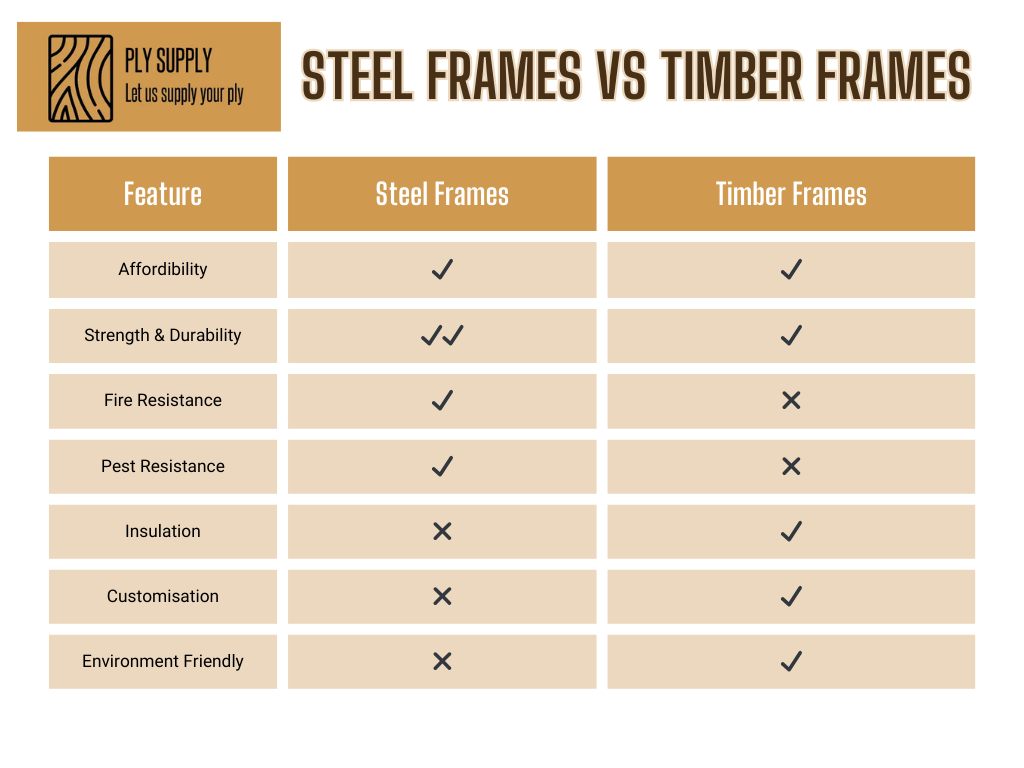
The cost of timber can fluctuate significantly. Factors like the rising demand for lumber, global supply chain issues, and the specific grade and type of wood chosen all play a role. For simple, standard residential designs, a timber frame might still come out as the more affordable initial choice. However, if you’re looking for custom, large-dimension timbers or specific high-grade woods, the cost can quickly escalate, sometimes even surpassing that of a comparable steel frame.
On the other hand, steel framing, while historically perceived as more expensive for residential use, has become increasingly competitive. The precision and speed of steel construction can lead to significant savings in labor costs and construction time, which can offset the initial material cost. Think about it: if your project is completed weeks or even months sooner, you’re saving on site rental, labor, and carrying costs. Furthermore, the long-term benefits of steel—its durability, low maintenance, and resistance to pests and fire—can translate into lower insurance premiums and fewer repair bills over the lifespan of the building, offering significant savings down the line.
When comparing upfront material and installation costs, it’s crucial to get detailed quotes for both scenarios. A simple timber frame for a standard-sized house might be less expensive initially. However, if you’re planning a larger home, a structure with very open spans, or a design that requires exceptional strength and durability, a steel frame could prove to be more cost-effective when all factors are considered. It’s also worth noting that the availability of skilled labor for each type of framing in your specific region can influence pricing. A shortage of experienced timber framers, for instance, could drive up labor costs for that option.
Beyond the immediate construction budget, consider the lifecycle costs. Steel buildings often require less maintenance over their lifespan. They are resistant to rot, rust (with proper treatment), and pests, which can mean fewer repair bills compared to timber. Timber frames, while beautiful, might require more upkeep, especially in certain climates. Furthermore, insurance costs can sometimes be lower for steel structures due to their inherent fire resistance and structural integrity.
Ultimately, the "cheaper" option isn't a one-size-fits-all answer. It’s a complex equation that depends heavily on your specific project needs, design, location, and priorities. Do you value the warm, natural aesthetic and potential for a lower initial outlay for a simpler design? Or do you prioritize the strength, speed, and long-term durability that steel offers, even if it means a potentially higher upfront investment? The best approach is to consult with architects, engineers, and builders to get detailed costings for both steel and timber framing tailored to your unique project. This will empower you to make the most informed decision for your budget and your dream!