
Steelhead Trout Vs Rainbow Trout
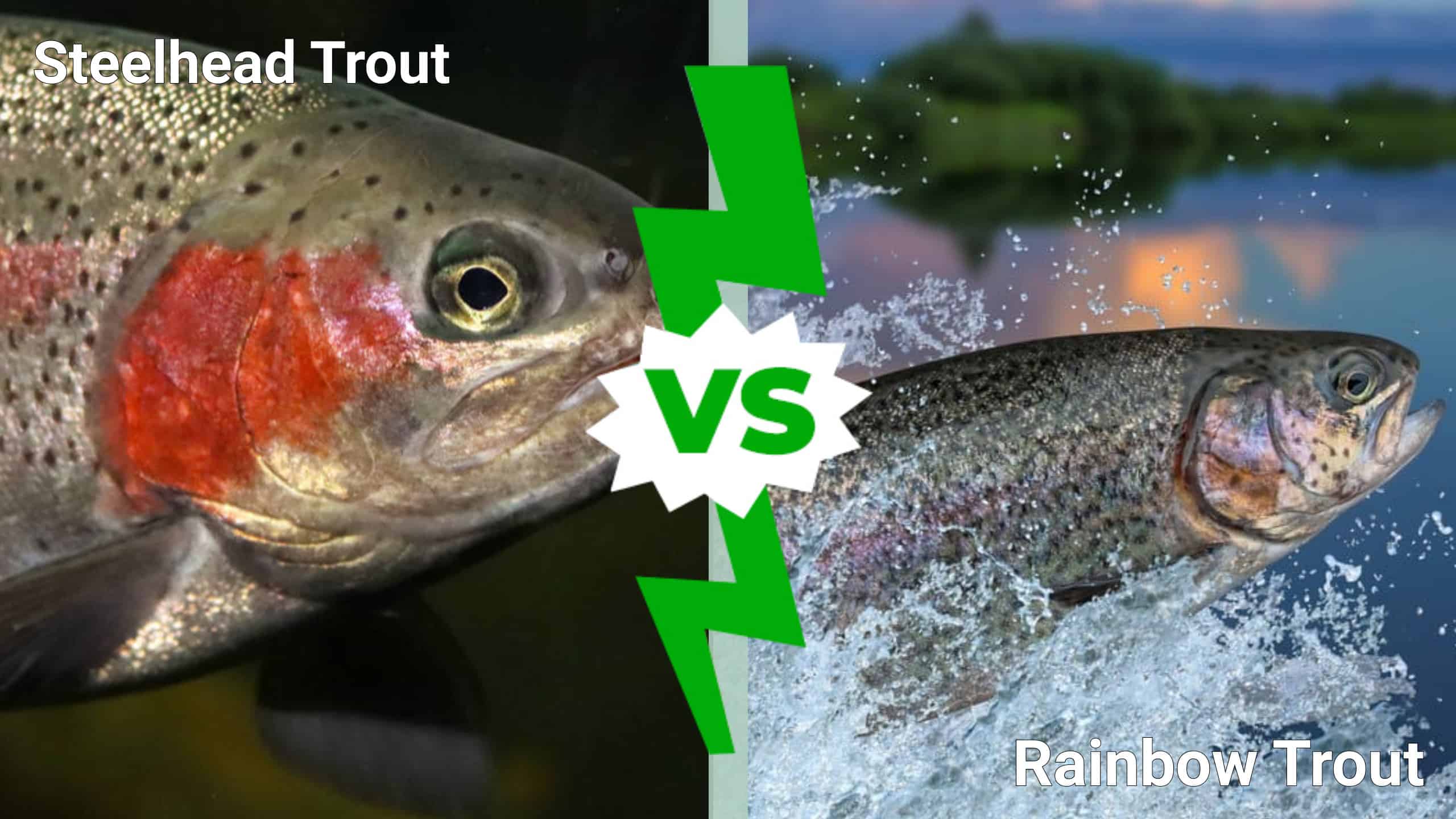
Picture this: you're out by a crystal-clear river, the kind that whispers secrets through the reeds. The sun's warm on your face, and you've got a good feeling about the day. You're hoping to catch something that'll make a great story, maybe even a delicious meal. But then you get a bite, and it’s a tussle. As you reel it in, you start wondering, "Is this a steelhead, or is it just a really, really good-looking rainbow trout?"
It's a question many anglers, from seasoned pros to weekend warriors, have pondered. And honestly, it's a bit like asking if a Ferrari is just a fancy Fiat. They're related, sure, but they've definitely got their own vibe. Let's dive into the fascinating world of these two iconic freshwater fish, a conversation that's as chill as a lazy afternoon by the water.
The Family Tree: Where They Come From
First off, let's get something straight: steelhead trout and rainbow trout are, genetically speaking, the same species. Yep, you read that right. They're both members of the Oncorhynchus mykiss family. Think of it like cousins who grew up in different neighborhoods. One stayed put, and the other went on a grand adventure.
The rainbow trout, for the most part, is the landlocked version. It’s born in freshwater, lives its whole life in rivers and lakes, and generally stays pretty colorful, often sporting that signature pinkish stripe that gives it its name. It's the classic trout you might catch in a mountain stream, a true symbol of wild, untamed beauty.
The steelhead, on the other hand, is the ocean-going, or anadromous, cousin. It starts life as a rainbow trout in a freshwater stream, but when it's ready for a change of scenery (and a serious growth spurt!), it heads out to the big blue. It spends a year or two, or sometimes more, feasting on the abundant food sources in the ocean, bulking up and developing that silvery sheen that’s practically its trademark.
This migratory journey is the key differentiator. It's like a trout's gap year, a chance to explore, to grow, and to come back stronger and more impressive. And when they return to their natal streams to spawn, they are, without a doubt, steelhead.
The Look Test: Spotting the Differences
So, how do you tell them apart when you've got one on the line? It’s not always black and white, or rather, silver and colorful, but there are some pretty good clues.
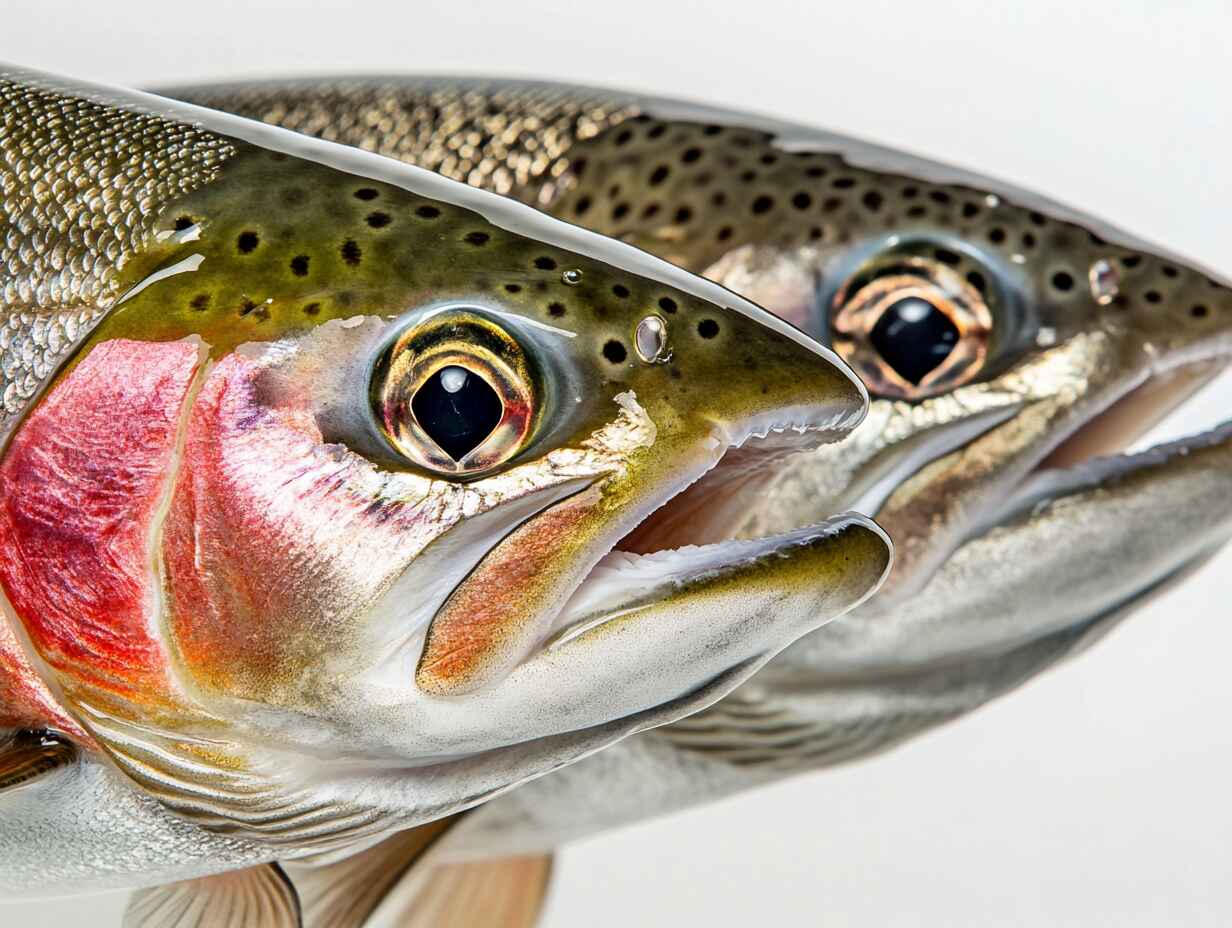
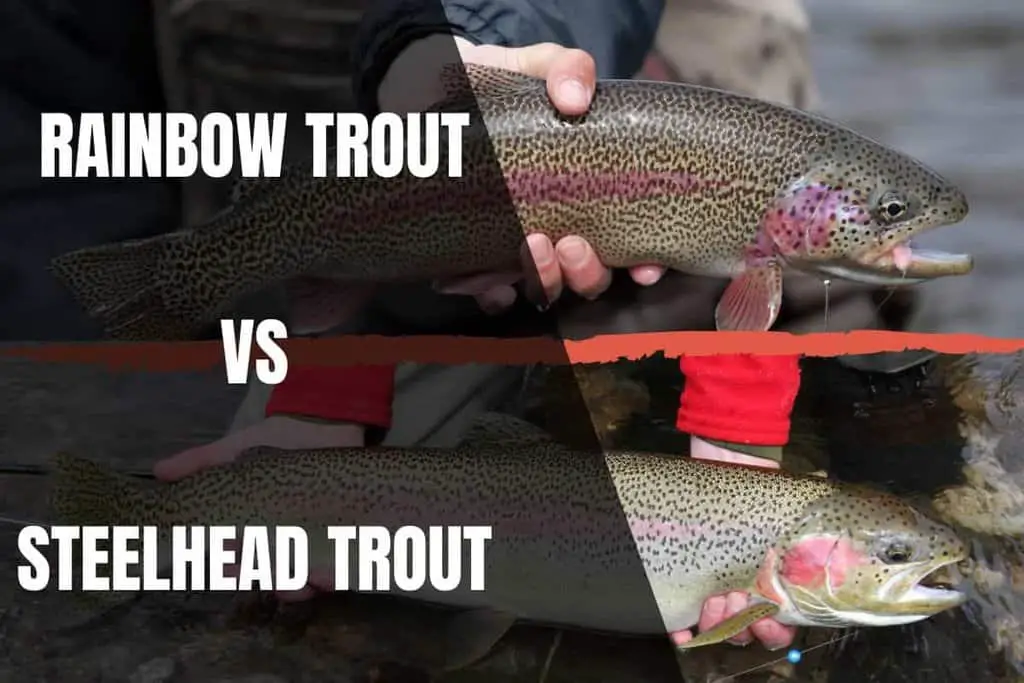
Steelhead, fresh from the ocean, will typically have a more streamlined, torpedo-like body. They’re built for speed and power in the open water. Their color tends to be more silvery overall, often with a darker back and fewer, or much fainter, spots compared to their freshwater cousins. Think of a polished chrome finish, ready to tackle the big leagues.

Rainbow trout, especially those that have never ventured out of their home waters, often have a more robust, stockier build. Their colors can be more vibrant, with that distinct pink or red band running along their sides. They might have more pronounced black spots scattered across their bodies, a bit like freckles. They're the charming locals, content with their familiar surroundings.
However, this is where it gets tricky. A rainbow trout that’s been in a lake for a while can start to develop a more silvery sheen, and a steelhead that's been back in freshwater for a bit, preparing to spawn, can regain some of its brighter colors. It’s like they’re blending in, getting ready for their next act.
The spots are another thing. Generally, steelhead have smaller, more numerous spots, often extending onto their fins. Rainbow trout tend to have larger, more distinct spots, concentrated more on the back half of their body. But, as with all things in nature, there are exceptions!
The Fight: What to Expect on the Line
This is where the real magic happens, isn't it? And let me tell you, both species are renowned for putting up a fantastic fight. However, there’s a general consensus among anglers that steelhead, having had the advantage of ocean-fed diets and years of navigating challenging currents, tend to be more powerful and acrobatic.
When you hook a steelhead, expect a blistering run. They’re known for their incredible bursts of speed and their aerial displays. You might see them leap out of the water multiple times, shaking their heads in an attempt to throw the hook. It’s a true test of your tackle and your angling skill. It’s less a polite handshake and more a full-on tango!

Rainbow trout, while still feisty and exciting, might offer a more sustained, deeper fight. They're strong and determined, and they’ll use their body weight to their advantage, trying to drag you down into the deeper parts of the river or lake. It’s a solid, dependable challenge, like a good, long conversation.
The experience also depends heavily on the environment. A large rainbow trout in a fast-flowing river can be just as formidable as a steelhead in the ocean. And a weary steelhead returning upstream might not have the same explosiveness as one fresh from the sea.
A Note on Conservation and Catch-and-Release
Both steelhead and rainbow trout are incredibly important to aquatic ecosystems and to the fishing community. Many populations, especially wild steelhead, are facing conservation challenges due to habitat loss, pollution, and overfishing in the past. This is why the practice of catch-and-release is so vital.
When you release a fish, you’re giving it the chance to survive, reproduce, and contribute to future generations. It’s about respecting the wildness of these creatures and ensuring they continue to grace our waters for years to come. Think of it as a handshake agreement with nature – you get the thrill of the catch, and they get to live another day.
If you are keeping a fish, make sure you know the local regulations. Respect size limits and bag limits. A good meal is one thing, but a healthy fishery is something truly special.
Culinary Delights: The Taste of the Water
Let's be honest, for many, the ultimate goal of fishing is a delicious meal. And both rainbow trout and steelhead are highly prized for their flavor and texture.
Rainbow trout, often described as having a delicate, mild flavor, is incredibly versatile in the kitchen. It’s delicious pan-fried, baked, or grilled. Its flesh is typically flaky and a lovely pinkish-orange hue. It’s the kind of fish that pairs wonderfully with simple herbs like dill or lemon, letting its natural taste shine through.
Steelhead, having spent time in the ocean, tends to have a richer, more robust flavor, often compared to salmon. Its flesh can be a deeper orange or even red, and it’s often firmer in texture. Steelhead is fantastic grilled, smoked, or even cured. It can handle bolder flavors and is a real treat for any seafood lover.
The "taste" of the fish can also be influenced by its diet and the water it comes from. A trout from a pristine, cold-water stream might taste different from one from a more nutrient-rich lake. It’s all part of the intricate tapestry of nature.
Fun Facts and Cultural Footprints
Did you know that the term "steelhead" comes from the fish's silvery, steel-like color? Pretty straightforward, but it’s a good reminder of their oceanic journey. They’re like the seasoned travelers of the trout world, carrying the glint of the sea with them.
Both species hold a special place in the hearts of many cultures. Indigenous peoples of the Pacific Northwest have revered these fish for millennia, relying on them for sustenance and incorporating them into their art, stories, and spiritual practices. They are considered sacred, a gift from the rivers and the ocean.
And for modern anglers, the pursuit of a steelhead is often considered a pilgrimage. It's not just about the fish; it's about the journey, the anticipation, and the connection to the wild. It's the kind of experience that stays with you long after you've left the riverbank.
The Takeaway: More Than Just a Fish
So, to sum it up, the distinction between steelhead and rainbow trout is primarily about lifestyle. One is the adventurous, ocean-going explorer, and the other is the contented, home-loving resident. But fundamentally, they are one species, sharing the same DNA, the same instincts, and the same incredible beauty.
When you're out fishing, whether you land a vibrant rainbow or a silver steelhead, take a moment to appreciate the incredible journey these fish have made. They are a testament to the resilience and adaptability of nature. Each fish tells a story – a story of its home, its travels, and its fight for survival.
This is more than just a fishing debate; it's a reminder of the interconnectedness of our world. Just like we have different paths and experiences that shape us, so do these incredible fish. And perhaps, in the grand scheme of things, the journey itself is what truly defines them, giving them their unique character and their undeniable allure. It’s a beautiful metaphor for how even within the same "species," life offers countless ways to grow, explore, and ultimately, to thrive.