
Strength Of Titanium Vs Steel

Hey there! So, you wanna talk about metals, huh? Specifically, the heavyweight showdown between titanium and steel. Grab your coffee, settle in, ‘cause this is gonna be a fun chat. It’s like comparing a superhero to a really strong, but maybe a little less flashy, superhero. You know?
Let’s be honest, when you think “strong,” steel usually pops into your head, right? It’s everywhere! Bridges, cars, buildings, that sturdy bike you love… it’s the OG of strong materials. And for good reason, it’s a total champ.
But then there’s titanium. Ooh, fancy! It sounds so… sci-fi. You see it in airplanes, in those sleek sports cars, and heck, even in your fancy pots and pans if you’re feeling fancy. So, what’s the deal? Is titanium just a prettier, more expensive version of steel, or is there more to it?
The Steel Story: Our Reliable Buddy
Steel, bless its metallic heart, is basically iron with a little bit of carbon thrown in. That carbon is the magic ingredient, you see. It’s like adding a pinch of spice to a recipe – it changes everything! Without it, iron would be, well, pretty weak and prone to rust. Not ideal, right?
The cool thing about steel is that you can tweak its properties. Add different stuff to the mix, and you get different kinds of steel. Stainless steel, for example, is a superhero in its own right, mostly thanks to chromium. It’s like the polite cousin who never gets rust stains, even after a messy dinner party. So handy!
And the strength? Oh boy. Steel can take a beating. It’s got this amazing ability to resist bending and breaking. Think about a skyscraper. It’s gotta withstand wind, earthquakes, and probably a flock of very determined pigeons. Steel is usually the backbone, holding it all together. It’s the dependable friend who always shows up when you need them.
Plus, let’s not forget the cost factor. Steel is generally way more affordable than titanium. This is a HUGE deal, especially when you’re talking about building things on a massive scale. Imagine trying to build all those bridges with pure titanium. Your wallet would probably weep. Steel is the sensible choice for when you need serious strength without breaking the bank. It’s the workhorse, the reliable steed. No complaints here!
But, and there’s always a “but,” right? Steel can be heavy. Like, really heavy. If you’ve ever tried to lug around a steel beam, you know what I’m talking about. It’s a workout, even before you start building anything! And while stainless steel is rust-resistant, other types of steel can be a magnet for corrosion. Rust. The arch-nemesis of many a metal object. It’s like that one friend who always shows up late and leaves a mess.
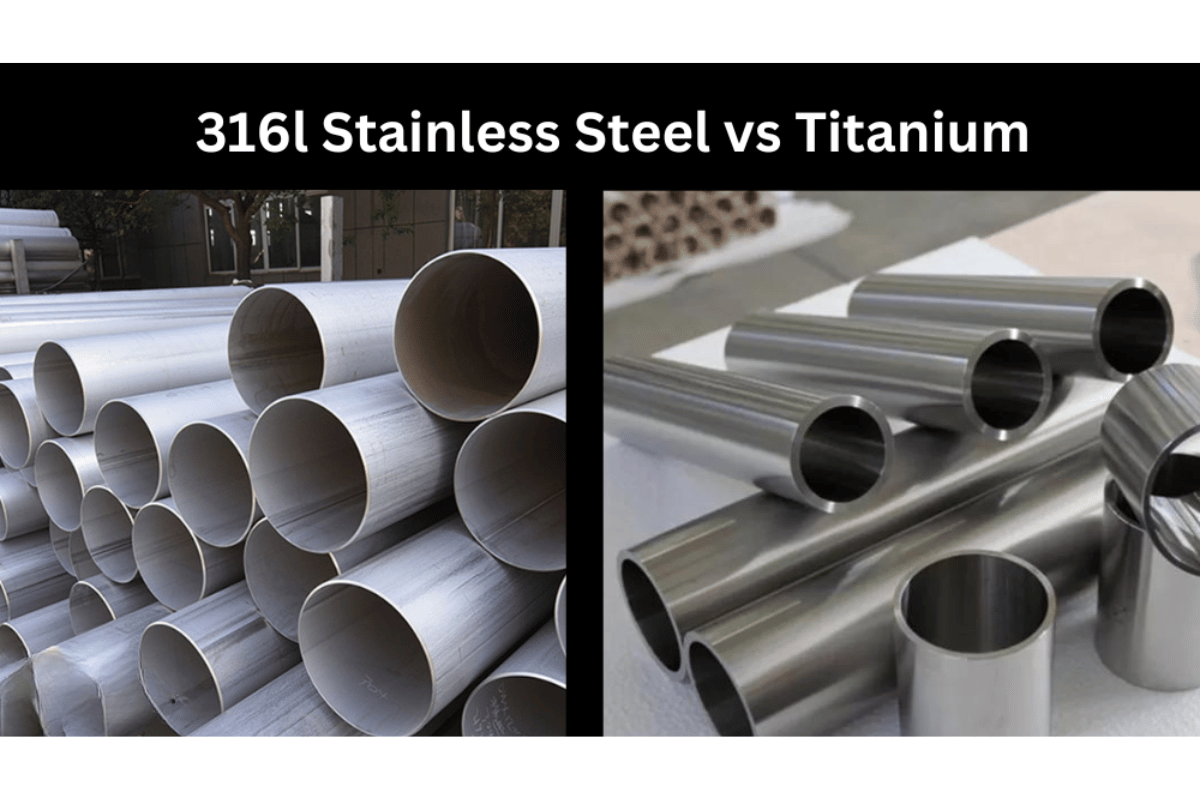
So, steel is strong, versatile, and cost-effective. But it can be a bit of a heavyweight, both literally and figuratively, and prone to the dreaded rust. Got it?
Enter Titanium: The Sleek, Lightweight Champ
Now, let’s talk about titanium. This stuff is, like, the James Bond of metals. It’s sophisticated, it’s strong, and it looks darn good doing it. It’s also naturally resistant to corrosion. Like, seriously resistant. It’s so good at fighting off rust and other nasties that it’s used in medical implants. Yeah, you heard me. Stuff that goes inside your body. That’s some serious confidence in its anti-corrosion abilities, wouldn't you say?
So, what makes titanium so special? Well, it’s an element, and it’s known for its incredibly high strength-to-weight ratio. This is where it really starts to shine, literally and figuratively. Imagine you need something to be super strong, but you also want it to be light. Like, really light. That’s titanium’s jam.
Think about airplanes. Every ounce counts, right? You don’t want your plane to be a flying brick. Titanium helps make aircraft lighter, which means they use less fuel. Cha-ching! And for sports cars? Lighter means faster. Obviously. It’s the same principle for bicycles, too. A lighter bike is a happier rider, trust me.
But here’s the kicker, and it’s a big one: titanium is stronger than many common steels, but it’s also significantly lighter. We’re talking about a difference that makes you go, “Whoa.” So, you get the same (or even better) strength, but with a fraction of the weight. It’s like having your cake and eating it too, but the cake is made of super-strong, feather-light metal.

And the heat resistance? Titanium is also pretty darn good at handling high temperatures. This is another reason why it’s so popular in aerospace. Stuff gets hot when you’re flying through the atmosphere at Mach-whatever. Titanium says, “Bring it on!” Steel, depending on the type, might start to get a bit wobbly at those temperatures.
However, there’s that little thing called price. Titanium is, shall we say, a bit more of an investment. It’s a lot more expensive to mine and process than steel. So, while it’s amazing, it’s not always the go-to for, say, your garden fence. Unless you’re really, really into your garden fence.
Also, working with titanium can be a bit trickier. It’s not as easy to weld or machine as steel. It needs special techniques and equipment. So, while it’s strong and light, it demands a bit more respect and expertise when you’re shaping it. It’s like that super-talented artist who requires a very specific type of paint.
The Strength Showdown: Who Wins?
Okay, so let’s break down the strength aspect specifically. When we talk about strength, we’re usually talking about a few different things:
Tensile Strength: The Pulling Power
This is how much a material can withstand being pulled apart before it breaks. Think of stretching a rubber band. Tensile strength is how hard you can pull that rubber band before snap! Generally, high-strength steels can have very high tensile strength, sometimes rivaling or even exceeding that of titanium, depending on the specific alloy. But here's the trick: titanium can achieve similar tensile strengths with much less weight. So, for a given amount of weight, titanium often wins the tensile strength contest.
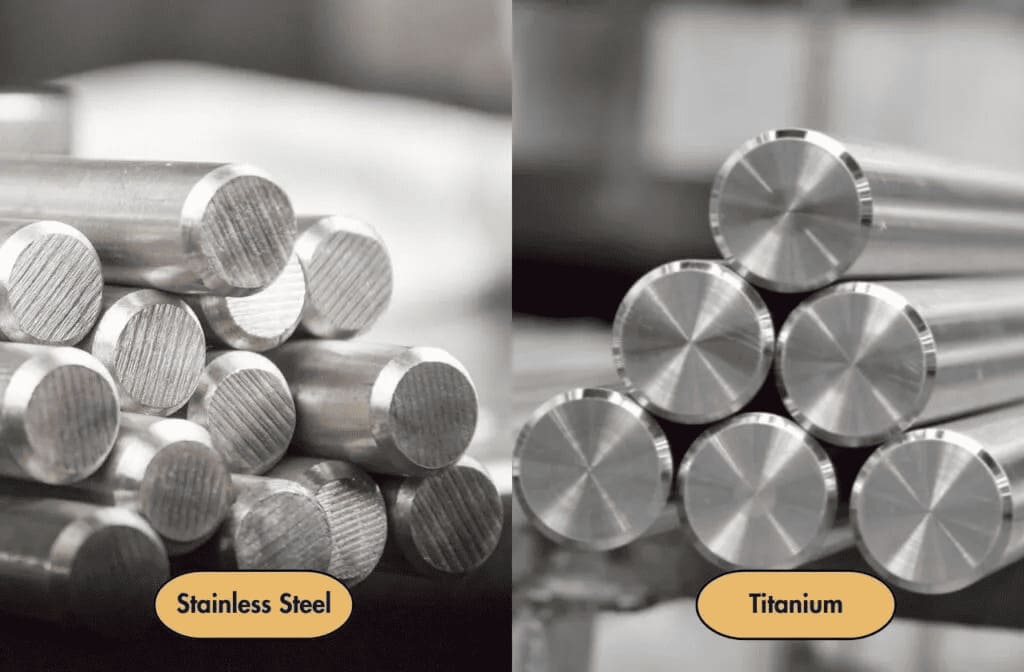
Imagine you need to build a suspension bridge cable. You need something that can handle immense pulling forces. Both steel and titanium can do this, but if you want that cable to be as light as possible, titanium starts to look very attractive. It’s all about that trade-off, isn’t it?
Yield Strength: The Bending Point
Yield strength is about how much a material can be deformed before it permanently changes shape. Think of bending a paperclip. If you bend it a little, it goes back to its original shape. Bend it too much, and it stays bent. Yield strength is that “too much” point. Again, specific steel alloys can achieve incredibly high yield strengths. But for a given weight, titanium often has a higher yield strength. This means it can resist deformation better for its weight.
So, if you’re designing something that might get pushed or stressed, like a bicycle frame, you want a material with good yield strength. You don’t want your bike frame permanently bending after hitting a small bump. Titanium’s combination of high yield strength and low weight is a dream for applications like this.
Hardness: The Scratch Resistance
Hardness is all about resisting scratching and denting. Think about dropping your phone. You don’t want the screen to get all scratched up, right? Steel, especially certain hardened steels, can be incredibly hard. This makes them great for things like tools, knives, and armor plating. They can take a beating and keep on going. Titanium is hard, but generally, it’s not as hard as many of the best steels. So, for pure scratch and dent resistance, steel often has the edge.
If you’re making a knife that needs to hold a razor-sharp edge and resist nicks, you’re probably going to be looking at a very specific type of steel. Titanium might be great for the handle, but for the blade itself, steel usually reigns supreme in the hardness department.

The Verdict? It Depends!
So, who’s the ultimate winner in the strength department? The honest answer is: it totally depends on what you need it for. They’re both incredibly strong materials, but they have different strengths (pun intended!).
If you need raw, brute force strength and don’t mind a bit of heft, and cost is a major consideration, steel is your guy. It’s the reliable workhorse that’s been getting the job done for centuries. It’s strong, it’s versatile, and it’s affordable. Perfect for buildings, bridges, and most everyday applications.
If you need strength combined with lightness, and you can afford the premium, titanium is the clear winner. It’s the high-performance material for when every gram counts. Think aerospace, high-end sports equipment, and even medical devices. It's the sleek, sophisticated option that doesn't compromise on toughness.
Think of it like this: Steel is your trusty pickup truck. It can haul a lot, it’s reliable, and it gets the job done. Titanium is your high-performance sports car. It’s faster, it’s lighter, it’s cooler looking, but it’ll cost you a pretty penny.
Both are amazing. Both are strong in their own ways. And both have their place in our world. It’s not really about one being “better” than the other, but rather about choosing the right tool for the job. So, next time you’re admiring a bridge or a fancy watch, you’ll have a better appreciation for the metals holding it all together, and why one might have been chosen over the other. Pretty neat, huh?