
Stress Strain Relationship For Mild Steel
Ever wondered what makes bridges stand strong or why that metal beam doesn't just buckle? It's all about how materials, like the trusty old mild steel, behave when you give them a good tug or push. And guess what? Understanding the stress-strain relationship of mild steel isn't just for super-smart engineers; it's actually quite fascinating and incredibly useful, even for us everyday folks!
Think of it like this: stress is the force you apply, and strain is how much the material deforms in response. Imagine stretching a rubber band. The more you pull (stress), the more it stretches (strain). Mild steel is a bit like that, but much, much tougher. Knowing how it reacts helps us ensure things we build and use are safe and reliable. For beginners curious about how the world around them works, it’s a peek into the hidden science of everyday objects. Families might find it a fun way to explain why certain toys are strong or why a swing set needs to be sturdy. Hobbyists, especially those into metalworking or even building elaborate LEGO structures (okay, maybe not LEGOs, but you get the idea!), can appreciate the fundamental principles that make their projects work.
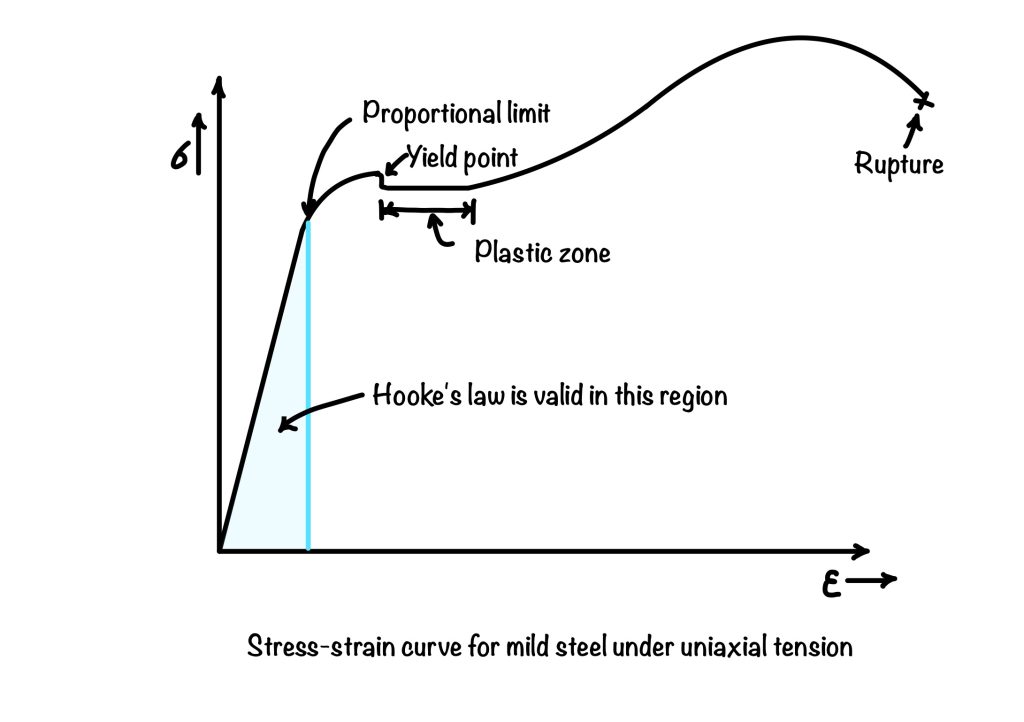
The beauty of the mild steel stress-strain relationship lies in its predictable nature. When you pull on mild steel, it initially stretches a little, and when you let go, it springs right back to its original shape. This is called the elastic region. It's like a really strong, but still flexible, spring. Keep pulling, and you reach a point where it starts to deform permanently – it won't fully bounce back. This is the plastic region. And if you pull hard enough, it will eventually snap! Engineers use this knowledge to design everything from car parts to skyscrapers, making sure they operate safely within that elastic region, with a good buffer for unexpected forces.
You might even see variations of this concept in action. Ever bent a paperclip back and forth until it breaks? You’re observing stress and strain! Or think about how a metal spoon can be bent out of shape if you use it to pry something open – that's permanent deformation, or plastic strain. Mild steel, being widely available and relatively inexpensive, is a common material used in many of these scenarios.
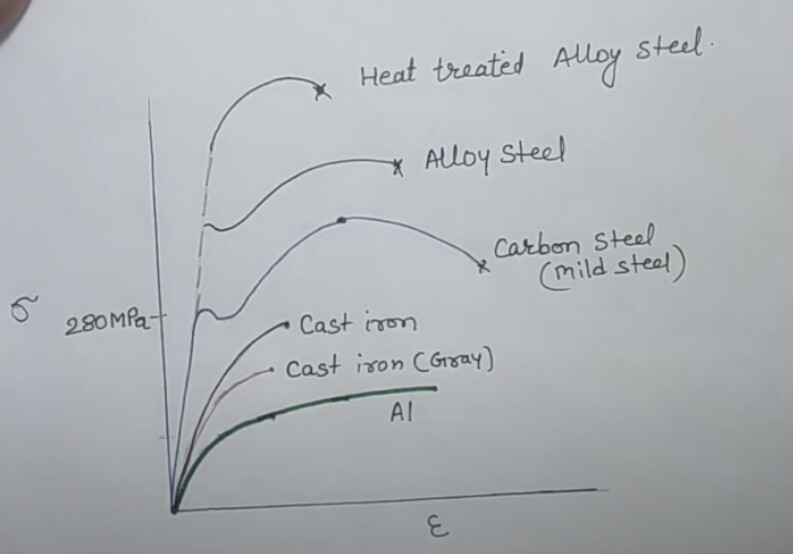
Getting started with understanding this is easier than you think. You don't need fancy equipment. The next time you see a metal object that has been stressed – perhaps a dented car fender or a slightly bent railing – take a moment to consider the forces that might have caused it. You can even find simple diagrams online that show the typical stress-strain curve for mild steel. Look for the key points: the yield strength (where plastic deformation begins) and the ultimate tensile strength (the maximum stress it can withstand before breaking).
So, the next time you admire a sturdy structure or use a reliable metal tool, give a little nod to the humble stress-strain relationship of mild steel. It’s a cornerstone of engineering, a fascinating peek into material science, and ultimately, a key to understanding the strength and resilience of the world around us. It’s a simple concept with profound implications, and there’s real satisfaction in grasping these fundamental principles!