
Structural Steel For Multi-family Buildings
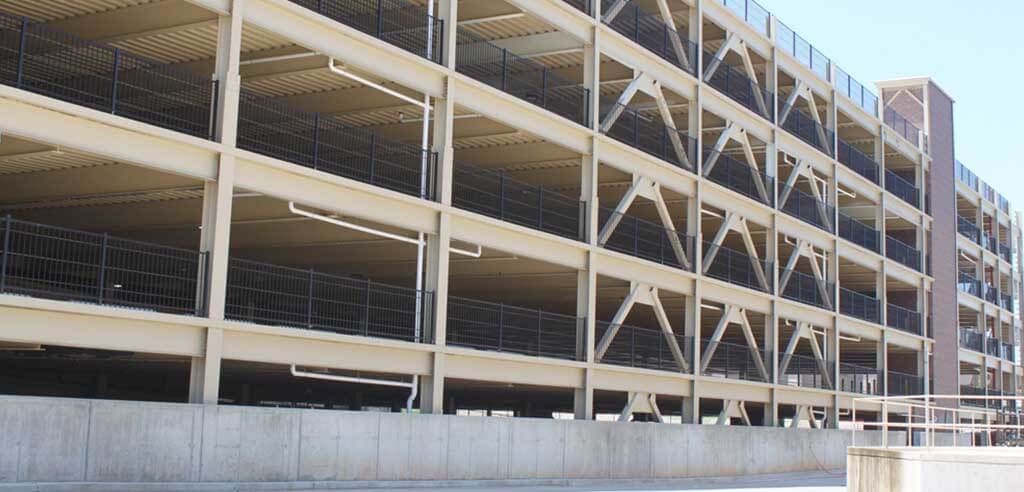
Ever looked up at one of those really tall apartment buildings and wondered, "How on earth does that thing stay up?" It's not magic, though it might feel like it sometimes. A big part of the answer, especially for the more modern and towering structures, is something you might not think about much: structural steel.
Yep, that same stuff used for bridges and those massive industrial cranes? It's also a superhero in the world of multi-family housing. So, let's dive into why this metal marvel is such a big deal when it comes to building places where lots of people live together, from cozy duplexes to sky-high apartment complexes.
Steel: The Backbone of Your Apartment Building
Think of a multi-family building as a giant Jenga tower. You've got a lot of weight pressing down, and you need something super strong to hold it all together. While concrete gets a lot of the spotlight (and it's important too!), steel offers some pretty unique advantages that make it a go-to choice for builders.
So, what makes steel so special? Well, for starters, it's incredibly strong. We're talking about a material that can handle immense forces – both the weight of the building itself and the stresses from things like wind and even earthquakes.
Imagine trying to build a really tall LEGO tower. If you used only those thin, wobbly bricks, it wouldn't get very far, right? You need those sturdy, interlocking pieces. Structural steel acts a bit like that, but on a massive scale. It's fabricated into beams, columns, and other shapes that form the skeleton of the building.
Lightweight, But Mighty
Now, here's a cool paradox: while steel is immensely strong, it's also surprisingly lightweight compared to other materials that offer similar strength. This means that the overall weight of the building can be reduced. Why is that a good thing?
Well, a lighter building puts less stress on the ground below. This can be a huge advantage, especially in areas with softer soil or where foundations are more challenging and expensive to build.
It’s like packing for a trip. You want to bring everything you need, but you also don't want your suitcase to weigh a ton, making it a pain to carry. Steel lets you build strong and tall without the crushing heaviness.
Speedy Construction: More Apartments, Sooner!
Let's be honest, waiting for your new apartment to be built can feel like an eternity. One of the reasons steel is so popular for multi-family buildings is that it can significantly speed up the construction process. How?
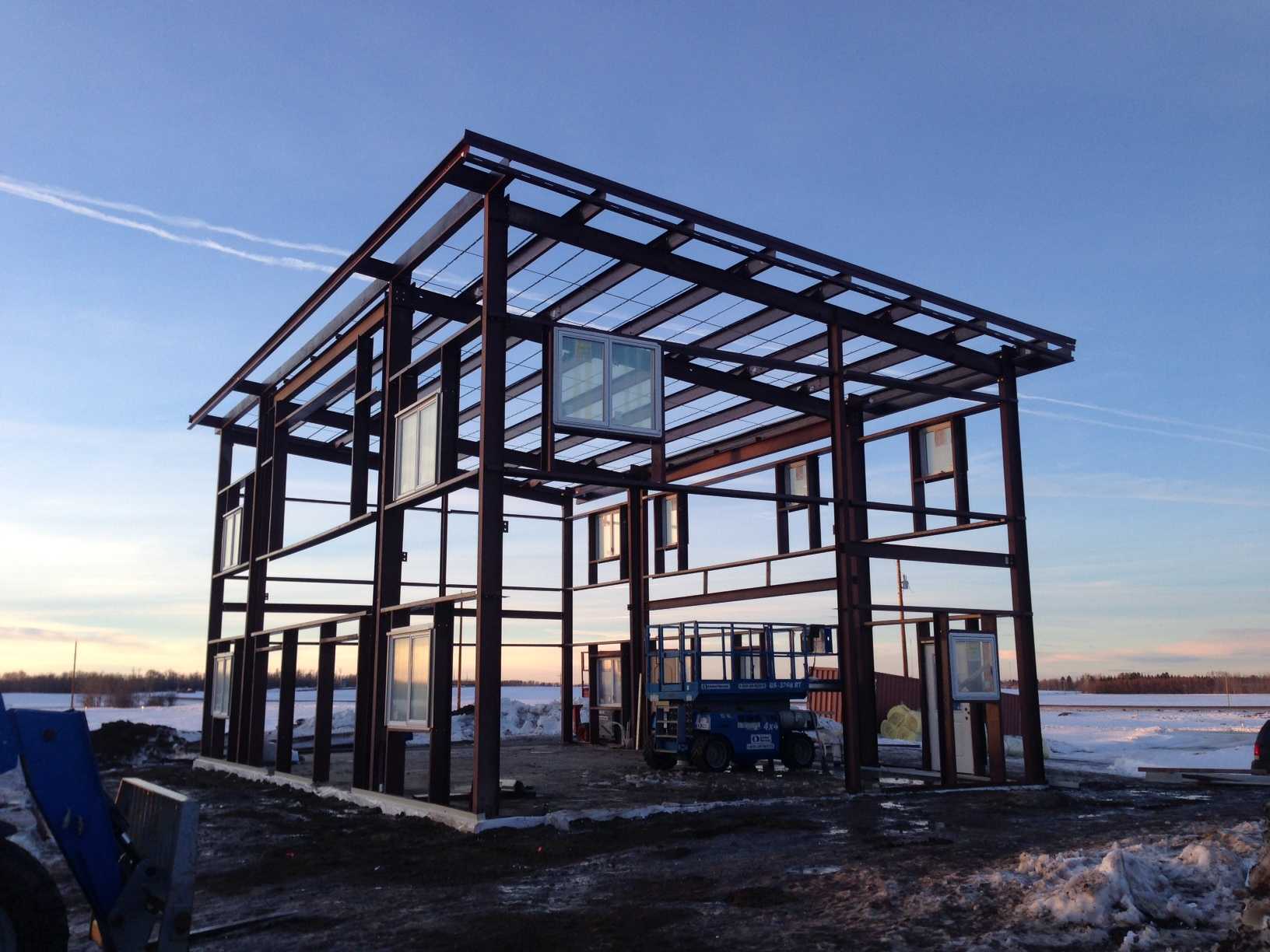
Steel components are typically fabricated off-site in controlled factory environments. This means they can be manufactured with incredible precision and then delivered to the construction site ready to be assembled, much like a giant, intricate puzzle.
Think of it like ordering a pre-fabricated shed versus building one from scratch with raw lumber. The pre-fab option is usually much quicker to put up. Steel beams and columns can be lifted into place by cranes and bolted or welded together relatively quickly. This "bolt-together" or "weld-together" approach means less on-site cutting and fitting, which translates to less mess, less noise, and ultimately, faster project completion.
And for those of us eager to find a place to live, faster construction means more housing available, which can only be a good thing, right?
Less Weather Dependent
We all know how unpredictable the weather can be. Rain, snow, extreme heat – these can all cause significant delays on traditional construction sites. Steel, however, is much less affected by the elements.
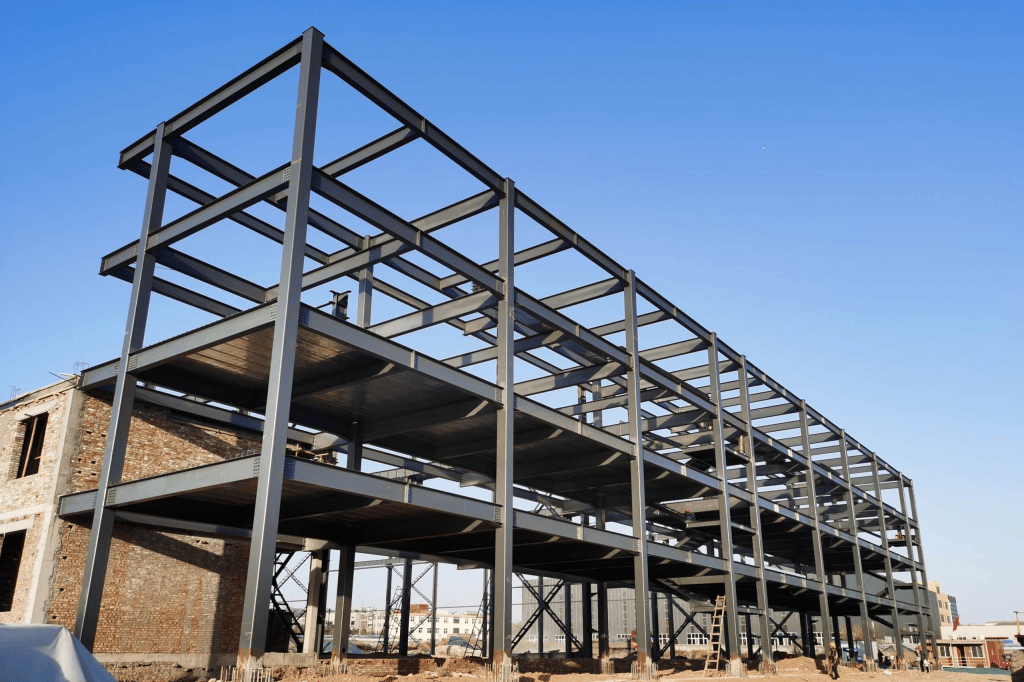
Since so much of the work happens off-site in a factory, the main construction can proceed even when the weather isn't cooperating. Once the steel frame is up, other trades can often continue working, even if there's a bit of rain.
It’s like being able to assemble your patio furniture indoors on a rainy day. You still get the job done, even if the sun isn't shining. This consistency helps keep projects on schedule and within budget.
Flexibility and Design Freedom
Ever notice how some apartment buildings have really unique shapes or layouts? Steel is a big reason why designers have so much freedom to get creative.
Because steel beams can span longer distances without needing as many internal supports (those thick columns you sometimes see in concrete buildings), architects can create more open floor plans. This means fewer columns in the middle of apartments, giving residents more flexibility in how they arrange their furniture and live.
Imagine a living room with a massive picture window or an open-concept kitchen that flows seamlessly into the dining area. Steel allows for these kinds of spacious and visually appealing designs.

It’s like having a really versatile set of building blocks. You can arrange them in ways that just aren't possible with more rigid materials. This flexibility is key when trying to maximize space and create desirable living environments in multi-family buildings.
Adapting to the Future
Buildings aren't static. Sometimes, needs change, or new technologies emerge. Steel's inherent strength and the way it's assembled also make it more adaptable over time. While a full renovation is always a big undertaking, a steel frame can sometimes make future modifications or even additions more feasible than with other construction methods.
Sustainability: A Greener Choice?
In today's world, we're all thinking more about our environmental impact, and the construction industry is no exception. Steel is actually a pretty interesting player in the sustainability game.
A significant portion of the steel used in construction is made from recycled materials. Steel is one of the most recycled materials on the planet, and recycling it uses far less energy than producing new steel from raw iron ore.
When a steel building reaches the end of its life (which is a very long time, by the way!), the steel itself can be recycled again and again, without losing its quality. This circular economy approach is a big win for the environment.
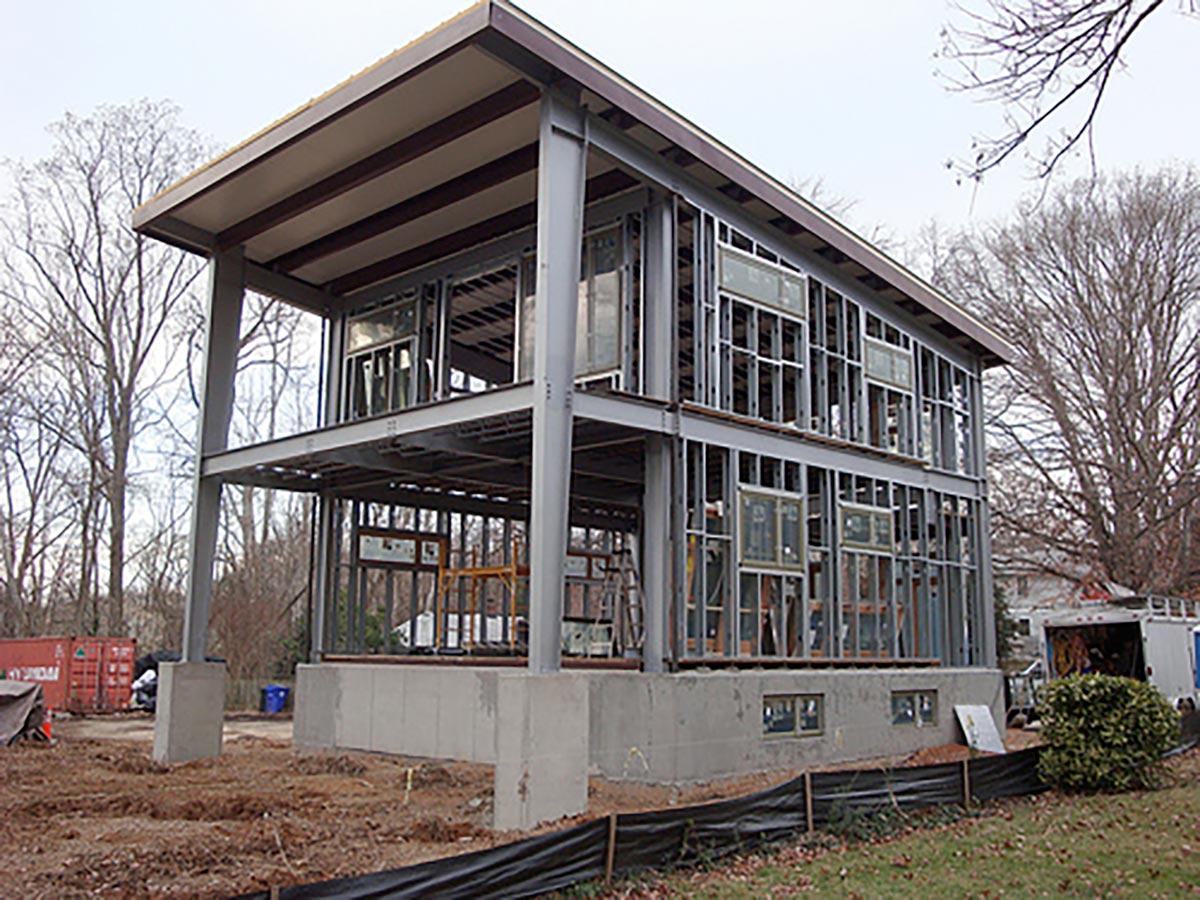
Think of it like a reusable coffee cup versus a single-use plastic one. Steel keeps getting used, minimizing waste and the need for new resources. This makes it a compelling choice for builders looking to create more sustainable homes.
Fire Resistance: A Safety Net
Safety is obviously paramount when building homes for people. You might be surprised to learn that steel, while it can get very hot, is inherently non-combustible. This means it won't catch fire.
Of course, in a real fire, steel can lose some of its strength at very high temperatures. That's why buildings are designed with fireproofing measures to protect the steel structure. But the fundamental fact that the material itself doesn't burn provides a crucial layer of safety.
It's like having a really tough raincoat. It won't stop the water from getting cold, but it won't let the water through itself. This non-combustible nature is a critical safety feature in multi-family buildings where many people are living close together.
The Bottom Line
So, the next time you're admiring a modern apartment building, take a moment to appreciate the unseen hero: structural steel. It's the strong, light, fast, flexible, and often recycled backbone that makes so many of these buildings possible.
It’s a material that allows for innovative design, efficient construction, and a degree of adaptability that’s hard to beat. It's not just about building walls; it's about building communities, and steel plays a vital, and frankly, pretty cool role in that.