
Summary Of Who's Afraid Of Virginia Woolf
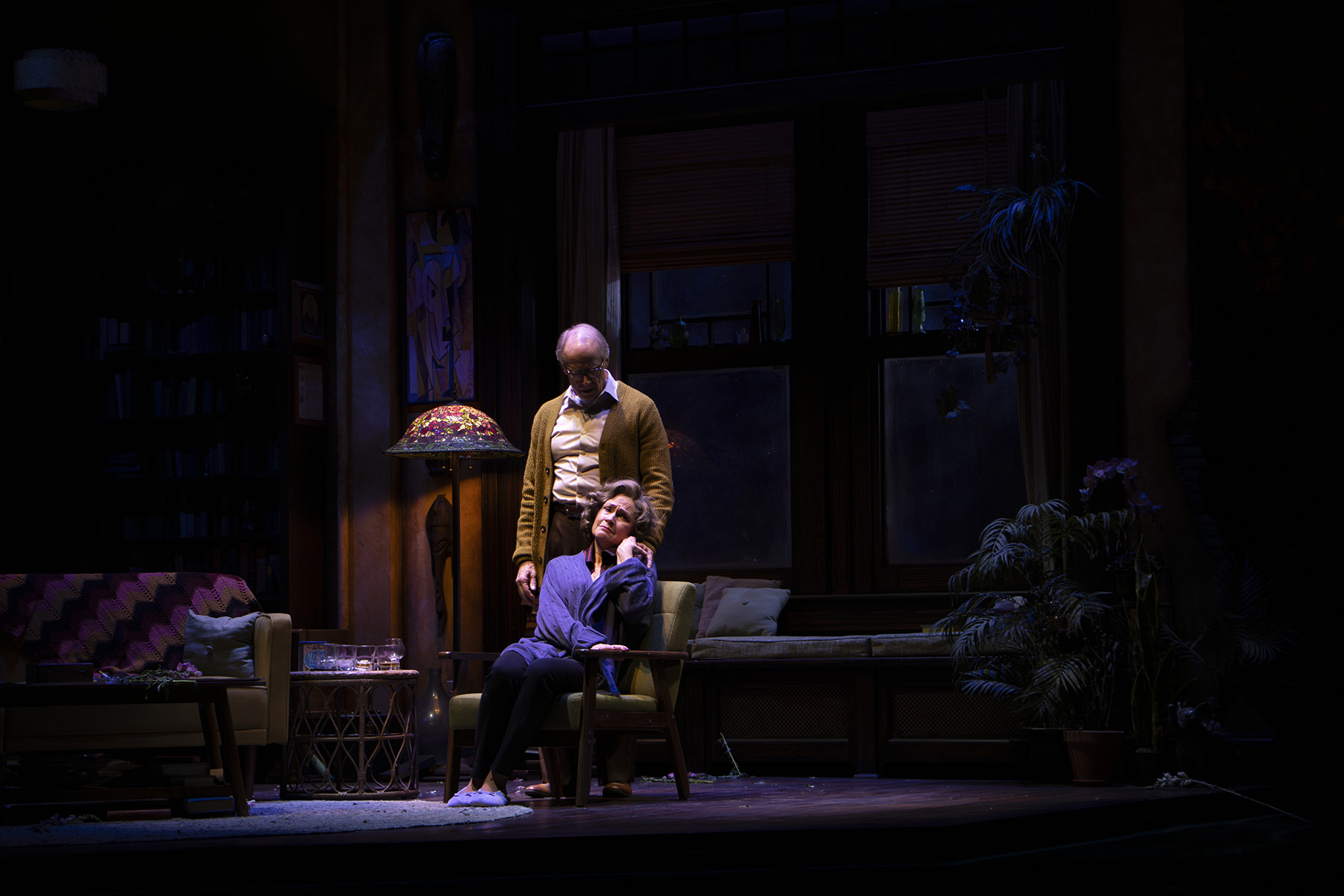
Alright, so picture this: you're settling in for a "cozy" evening. You know, the kind where you've invited friends over, maybe you’ve even cooked something vaguely edible. You've got the drinks chilled, you’re ready to dish about your week, maybe even tell a few embarrassing stories about your boss. It’s all supposed to be, you know, pleasant.
And then… things take a turn. Suddenly, it’s like someone flipped a switch from "friendly banter" to "full-blown gladiatorial combat, but with passive-aggression and gin." If that sounds remotely familiar, then congratulations, you’ve just dipped your toes into the wild and wacky world of Edward Albee's Who's Afraid of Virginia Woolf?.
This isn't your average dinner party. Oh no. This is a full-blown emotional wrestling match disguised as a social gathering. Think of it like this: you know how sometimes you’re just having a casual chat with your significant other, and then somehow, inexplicably, you end up arguing about who left the milk out three years ago? Yeah, it's like that, but dialled up to eleven, and with more shouting. And a lot more alcohol. Like, a lot more.
Our main characters are Martha and George. They’re the hosts of this… event. Martha is the daughter of the university president, so she's got that whole "important family" air about her. She's sharp, she’s loud, and she seems to have a PhD in relentless provocation. George is her husband, an associate professor who, let's just say, has seen better days. He's got this quiet, simmering resentment that's about as subtle as a ton of bricks falling on your foot.
They're like that couple who've been together for ages, and they've developed their own secret language of insults. It's not just "you're driving me crazy." It's more like, "Oh, darling, your existence is simply a blight upon this otherwise mediocre evening." They've perfected the art of the backhanded compliment to the point where it's almost a superpower. You find yourself thinking, "Is that a compliment? Or did she just call me an idiot? I can't tell anymore."
So, the stage is set. Martha, in a fit of… well, let's call it "impulsive hospitality," invites a younger, seemingly more innocent couple, Nick and Honey, over for drinks after a faculty party. Nick is a new biology professor, all bright-eyed and bushy-tailed, ready to conquer the academic world. Honey is his wife, a fragile, sickly thing who seems perpetually overwhelmed by life, like a butterfly caught in a hurricane.
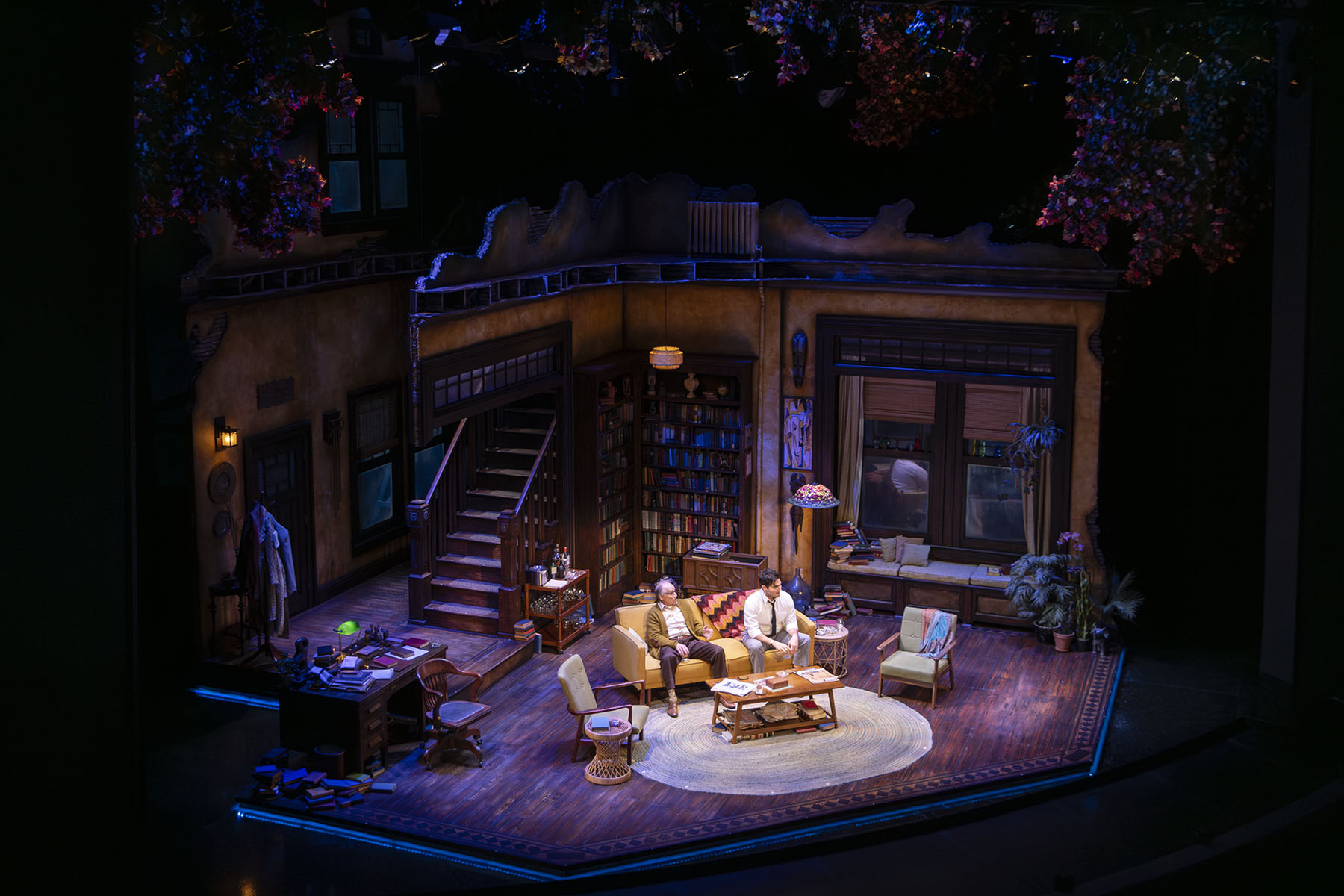
And right from the get-go, you can tell this isn't going to be a calm, "how was your week, dear?" kind of night. Martha basically hijacks the evening. She’s got this energy, this manic gleam in her eye, like she's just been let loose in a casino. She’s all over Nick, flirting outrageously, dropping hints that are less subtle than a foghorn. George, meanwhile, is sitting there, nursing his drink, looking like he’s mentally calculating the fastest route to escape, or perhaps contemplating the philosophical implications of why he married Martha in the first place. It’s a masterclass in awkward social dynamics.
As the night wears on, and the alcohol flows more freely – and trust me, it flows freely – the politeness wears thinner than a cheap paper towel. Martha and George start throwing jabs at each other, each one more pointed than the last. They dig up old grudges, they bring up embarrassing memories, they dissect their marital failures with the precision of a surgeon who’s had a few too many shots of anaesthetic. It’s like watching two old married couples at a wedding reception who have had just enough champagne to forget their filters, and suddenly they’re airing all their dirty laundry in front of the bride and groom.
And Nick and Honey? They're just… there. Like two deer caught in the headlights of a runaway train. They try to be polite, they try to contribute to the conversation, but they’re basically just collateral damage in this marital war zone. Honey keeps getting these "weak spells" – you know, the kind where you suddenly feel faint and have to sit down, usually after someone’s said something particularly brutal. And Nick? He’s just trying to keep his head down, trying not to get sucked into the vortex of Martha and George's chaos. He’s the guy at the party who just wants to leave but is too polite to make a move. We’ve all been there, right? Stuck listening to Uncle Barry’s questionable political opinions for an hour too long.
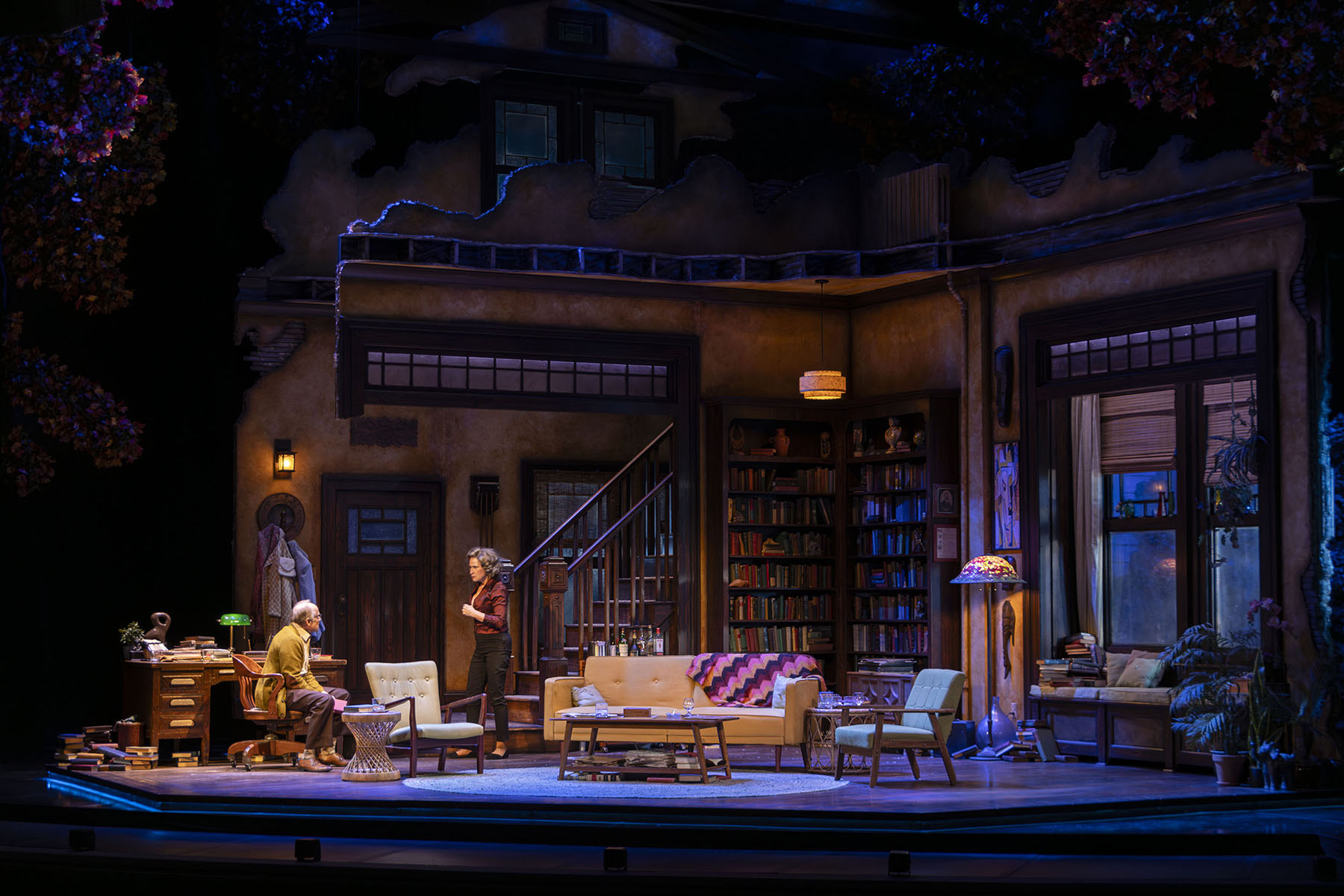
The really fascinating thing about this play is how Albee makes you, the audience, complicit. You’re sitting there, probably with your own drink in hand, feeling a mixture of horror and morbid fascination. You can’t look away, even though it’s like watching someone try to assemble IKEA furniture blindfolded and with oven mitts on. It’s a disaster, but you’re glued to the screen. Or the stage, in this case.
George and Martha have this… game they play. It’s called "Humiliate the Host," and they’re both exceptionally good at it. They’re like a married couple who’ve invented their own Olympic sport: the Synchronized Sarcasm Dive. They take turns trying to one-up each other, pushing each other to the absolute brink. It's a twisted kind of love, I guess, where the only way they know how to connect is by tearing each other down.
And then there are the layers. Oh, the layers! Just when you think you’ve figured out what’s going on, Albee throws in another curveball. There’s this whole thing about their son, a son that George and Martha seem to have invented. Or maybe he's real? It's all very hazy, much like your memory after a particularly wild New Year's Eve party. They use this "son" as a pawn in their games, as a way to hurt each other, to score points. It's a bit like when parents tell their kids, "Well, your brother/sister never does that!" but on a much, much grander and more psychologically damaging scale.
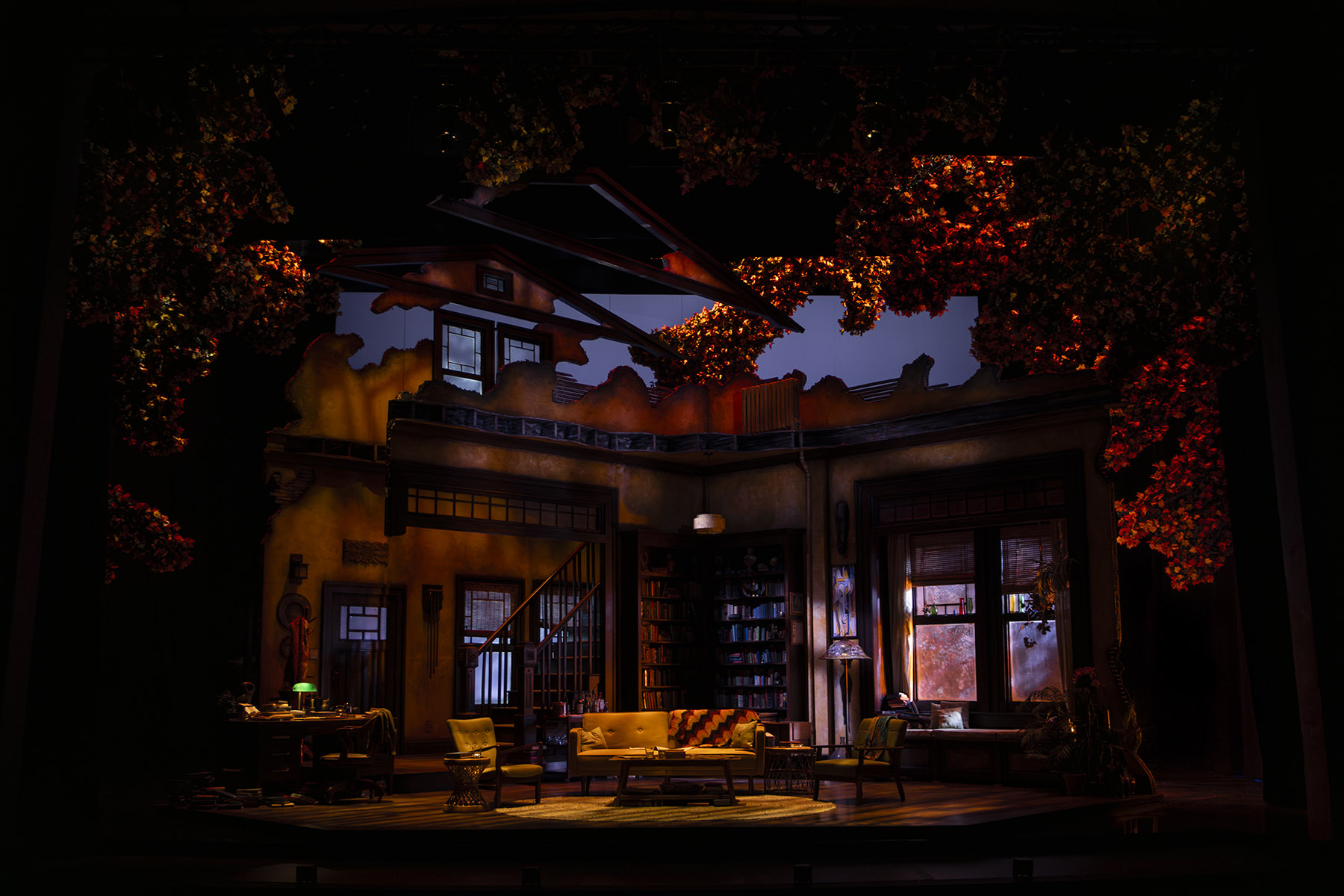
Nick, our eager beaver professor, starts to get a bit too involved. He’s trying to play it cool, but Martha's got him wrapped around her little finger. And George, bless his weary soul, is subtly manipulating Nick too. It's like a chess game where all the pieces are drunk and have forgotten the rules. Everyone’s got an agenda, and nobody’s playing fair.
Honey, the sweet, fragile Honey, starts to reveal her own little secrets. She's not as innocent as she seems. She’s got her own coping mechanisms, her own ways of dealing with the absurdity of it all. She’s like a quiet observer who suddenly pipes up with a surprisingly sharp observation that cuts through all the noise. You know the type – the one who’s been silent the whole time, and then drops a truth bomb that makes everyone else blink.
By the time the sun starts to creep up over the horizon – because, of course, this party goes all night – everyone is exhausted, raw, and utterly exposed. The pretense is gone. The carefully constructed masks have all fallen off. It’s like that moment after a really intense argument, where you’re both just too tired to keep fighting, and you’re left with the wreckage. But instead of saying, "Let's just go to bed," George and Martha have a different kind of resolution.
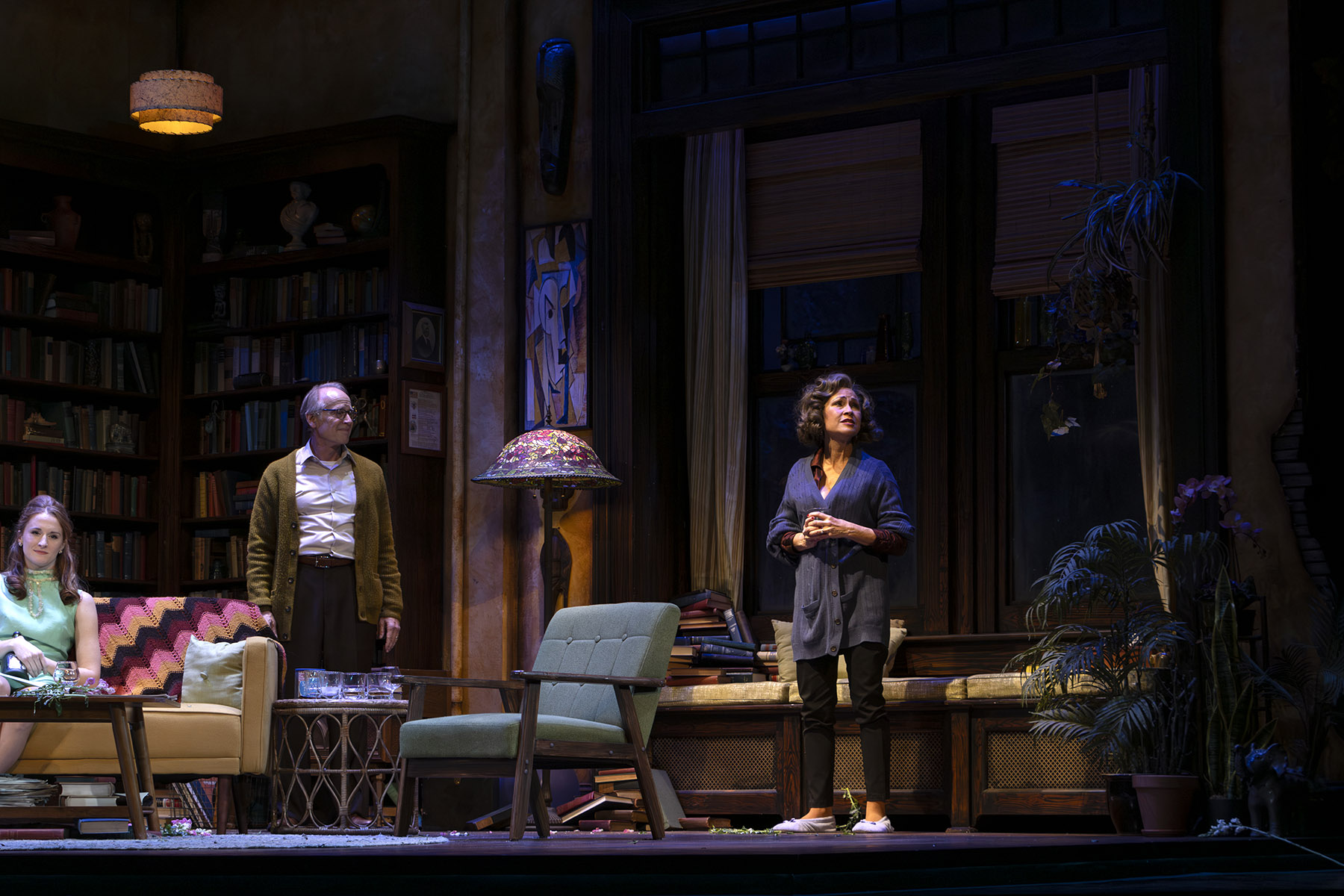
The play is essentially an exploration of illusion and reality. How do we cope with disappointment? How do we build our lives around comfortable lies? How do we deal with the fact that sometimes, the people we love most are the ones who hurt us the most? It’s a bit like looking in the mirror after a long night out and realizing you’ve somehow ended up with glitter in your hair and a questionable stain on your shirt. You’re not sure how it happened, but here you are.
Who’s Afraid of Virginia Woolf? isn't a feel-good romp. It’s not a sitcom where everyone laughs it off at the end. It's more like a psychological thriller disguised as a domestic drama, with a healthy dose of dark comedy thrown in. It's about the messy, complicated, often painful business of being human. It's about the games we play with ourselves and with each other, and the sometimes devastating consequences of those games.
So, if you're ever invited to a dinner party that feels a little too intense, and the conversation starts to take a sharp left turn into the bizarre, just remember Martha and George. And maybe, just maybe, have a backup escape plan. Because sometimes, the most entertaining dramas aren't on television; they're happening right there, at your friend's place, fuelled by cheap wine and years of unspoken resentments. And you, my friend, are now an unwitting participant.
It’s the kind of play that stays with you, like that one song you can’t get out of your head, except this song is about the fundamental flaws of human relationships. And it’s sung with a lot more venom. But in a strangely beautiful way, because it’s all so real. It's a reminder that behind all the polite smiles and small talk, there's often a whole lot of complicated stuff going on. And sometimes, it all comes boiling to the surface, usually after midnight, over a bottle of something strong. Just another Tuesday night, really.