
Surface Finish Of Stainless Steel
Ever admired that sleek, modern look of your kitchen appliances? Or wondered why some metal surfaces gleam with an almost mirror-like quality, while others have a more subtle, brushed appearance? You’re looking at the magic of surface finish of stainless steel! It’s not just about making things look pretty; it’s a crucial detail that impacts everything from how easy it is to clean to how well it performs. Think of it as the stylish outfit that also happens to be incredibly practical.
Why is this so fascinating? Because stainless steel is everywhere, and its finish dictates its character. From the humble sink to the high-tech medical equipment, the way its surface is treated unlocks a world of possibilities. It’s a testament to human ingenuity, turning a robust metal into something that can be both aesthetically pleasing and incredibly functional. So, buckle up, and let’s dive into the wonderfully polished (or brushed, or textured!) world of stainless steel finishes.
The Art and Science of a Smooth Operator
So, what exactly is a surface finish? In simple terms, it’s the texture or appearance of the outermost layer of the stainless steel. It’s achieved through various mechanical processes like grinding, polishing, brushing, or even chemical treatments. But it’s not just about aesthetics; each finish serves a distinct purpose and offers a unique set of benefits.
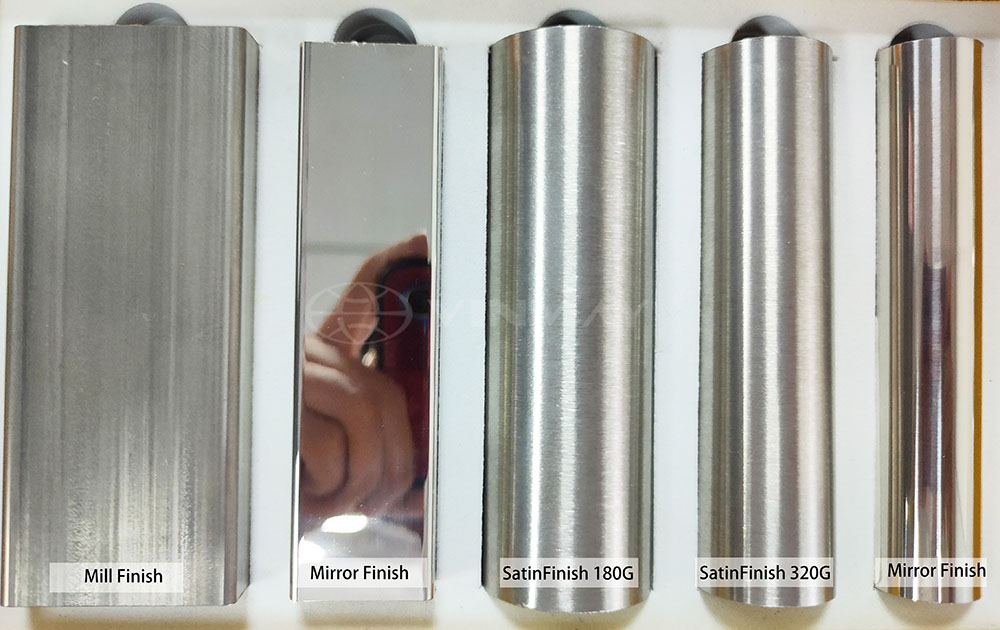
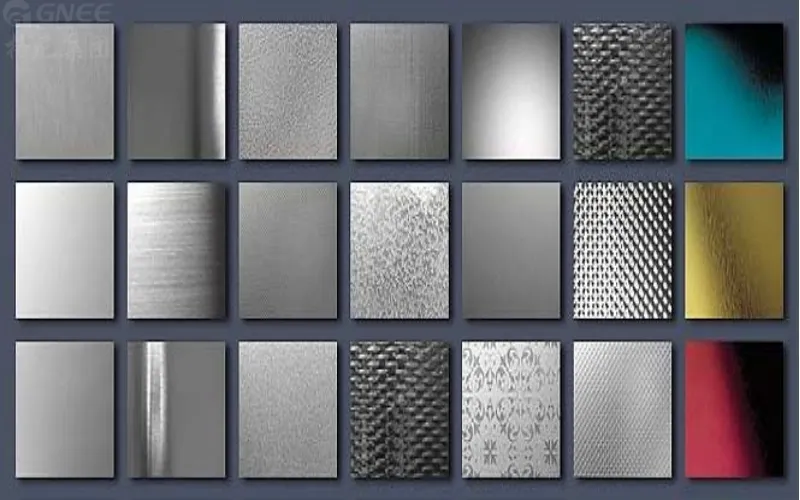
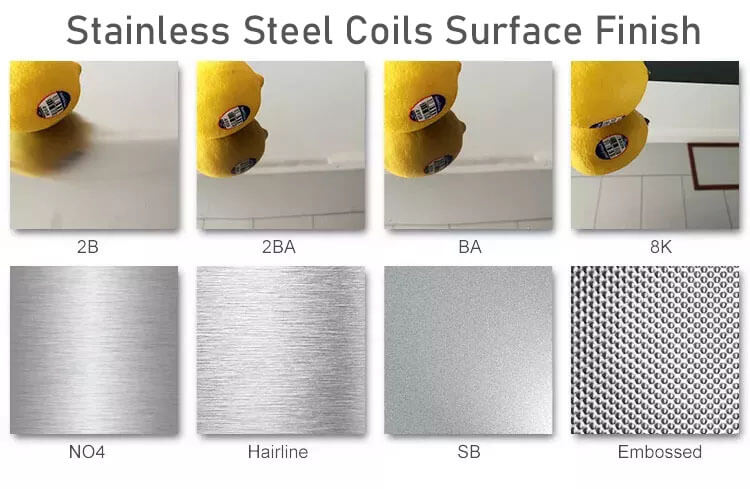
Let’s talk about the most popular kid on the block: the brushed stainless steel finish. You know, the one that has those subtle, directional lines? This finish is incredibly popular because it’s fantastic at hiding fingerprints and minor scratches. Imagine a busy kitchen – a brushed finish means less time spent polishing away smudges and more time enjoying your beautiful surroundings. It offers a sophisticated, matte look that blends seamlessly into various decors. The lines guide the eye and add a tactile dimension, making it feel more approachable than a high-gloss surface. It’s the low-maintenance superhero of finishes!
Then there’s the showstopper: the mirror polish. This finish is as reflective as, well, a mirror! It’s achieved through extensive grinding and polishing, removing virtually all imperfections. The result is a dazzling, high-gloss surface that can make spaces feel larger and more luxurious. Think of the gleaming interiors of upscale restaurants or the sophisticated look of high-end architectural features. A mirror polish is perfect for applications where maximum reflectivity and a pristine appearance are desired. However, it does show every speck of dust and every fingerprint, so it requires regular attention to maintain its shine.

The beauty of stainless steel finishes lies in their versatility.
Beyond these two, there’s a whole spectrum! You’ve got the satin finish, which is smoother than brushed but not as reflective as mirror polish. It’s a fantastic middle ground, offering a soft sheen that’s still good at hiding minor imperfections. Then there are more textured finishes, like diamond plate, which has a raised pattern that provides excellent slip resistance and durability – you often see this in industrial settings or on rugged vehicle components. And let's not forget about the creative possibilities with colored stainless steel, achieved through PVD (Physical Vapor Deposition) coatings, which can add vibrant hues to architectural designs or product aesthetics.
Why Bother with a Fancy Finish? The Benefits Unveiled
The benefits of choosing the right surface finish are numerous and impactful. Firstly, durability and longevity. While stainless steel is inherently strong, the finish can enhance its resistance to wear and tear. For example, a harder, polished finish might be more resistant to abrasion in high-traffic areas.
Secondly, hygiene and ease of cleaning. Smoother finishes, like a high polish, are generally easier to clean and sanitize. Bacteria and grime have fewer places to hide. This is why polished stainless steel is a go-to in hospitals, laboratories, and food processing plants. Even the slightly textured brushed finish is far easier to wipe down than many other materials.
Thirdly, corrosion resistance. While stainless steel itself is resistant to rust and corrosion, certain finishes can further bolster this. A smooth, dense surface can prevent corrosive substances from penetrating and causing damage.
And of course, there's the undeniable aspect of aesthetics. The surface finish is the first impression. It dictates the mood and style of a product or space. A brushed finish evokes warmth and practicality, while a mirror polish screams elegance and luxury. Choosing the right finish allows designers and manufacturers to achieve a specific look and feel, making stainless steel a truly adaptable material.
In essence, the surface finish of stainless steel isn't just a cosmetic detail; it's an engineering choice that optimizes performance, enhances usability, and elevates design. It’s where practicality meets personality, making stainless steel a material that’s not only strong and reliable but also incredibly adaptable to our ever-evolving world.