
Telescope Optical Tube Assembly
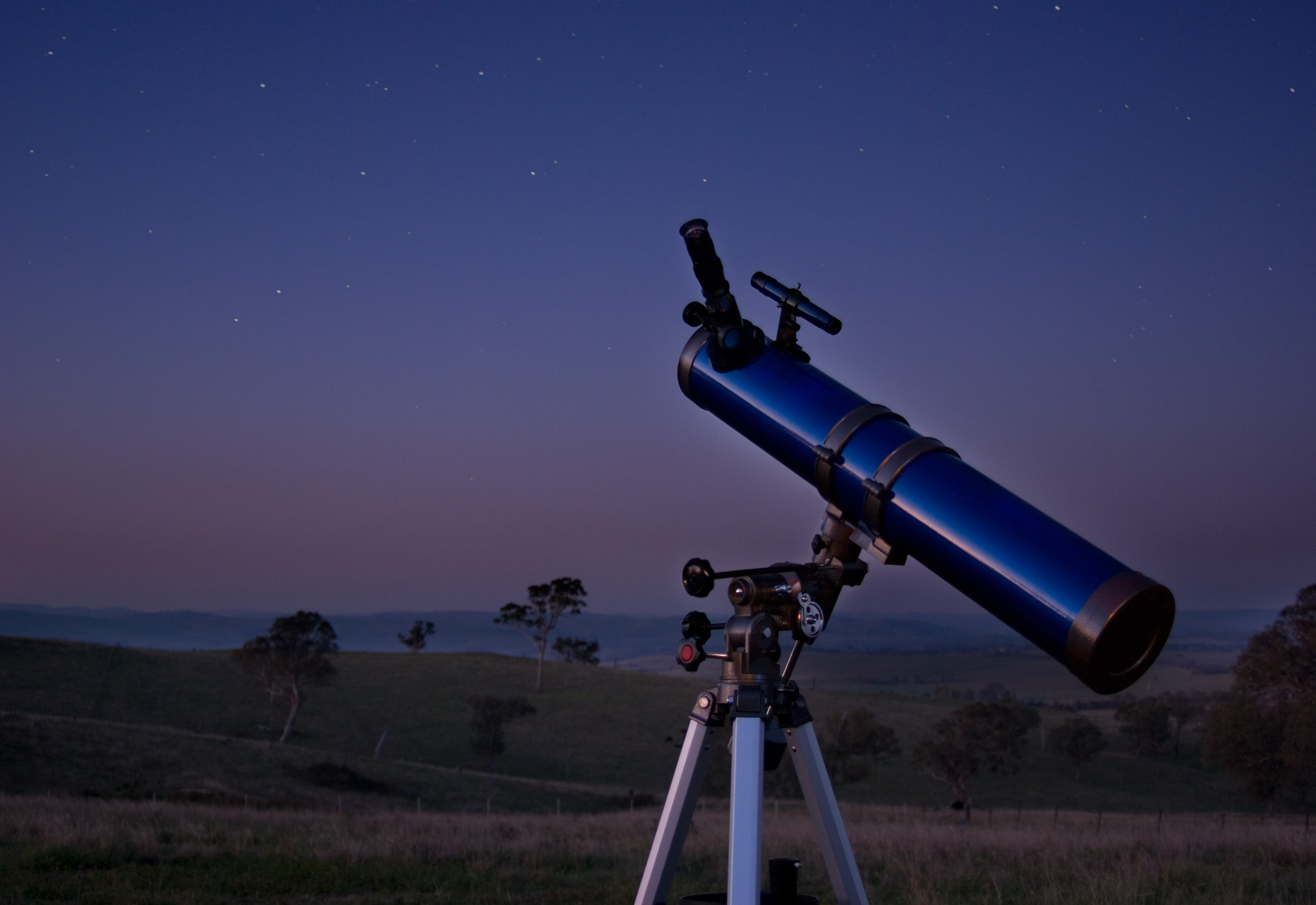
Ever gazed up at the night sky, felt that little tug of wonder, and thought, "Wow, there's so much more out there than just streetlights and fluffy clouds"? Yeah, me too. And guess what? That feeling, that spark of curiosity, is exactly what the humble, yet mighty, optical tube assembly (OTA) is all about. Think of it as your personal portal to the cosmos, a magic wand that turns fuzzy dots into dazzling celestial wonders!
Now, I know what you might be thinking. "Optical tube assembly? Sounds a bit… technical." And okay, yes, there are some fancy words involved, but honestly, it's not nearly as intimidating as it sounds. In fact, it's probably one of the most fun parts of diving into the world of stargazing.
The Heart of the Matter: What Is This Thing?
So, let's break it down. The OTA, or optical tube assembly, is basically the main body of your telescope. It's that long, usually cylindrical thing that you point at the sky. It’s where all the magic happens, where light from distant galaxies and nebulae gets collected and focused so your eye can see it.
Imagine it like a super-powered magnifying glass, but instead of looking at a ladybug's intricate wings (which is also pretty cool, by the way!), you're looking at the rings of Saturn or the swirling clouds of Jupiter. Pretty neat, right?
The OTA is where the optical elements – the lenses or mirrors – are housed. These are the workhorses that do the heavy lifting, gathering all that faint starlight and bringing it to a crisp, clear point. Without a good OTA, even the most sophisticated mount and eyepiece wouldn't get you very far.
Two Main Flavors: Refractors and Reflectors (And Why They're Both Awesome!)
When you start looking into OTAs, you'll quickly discover there are two main types: refractors and reflectors. Don't let the names scare you! They’re just different ways of bending light.

The Refractor: Smooth and Sharp
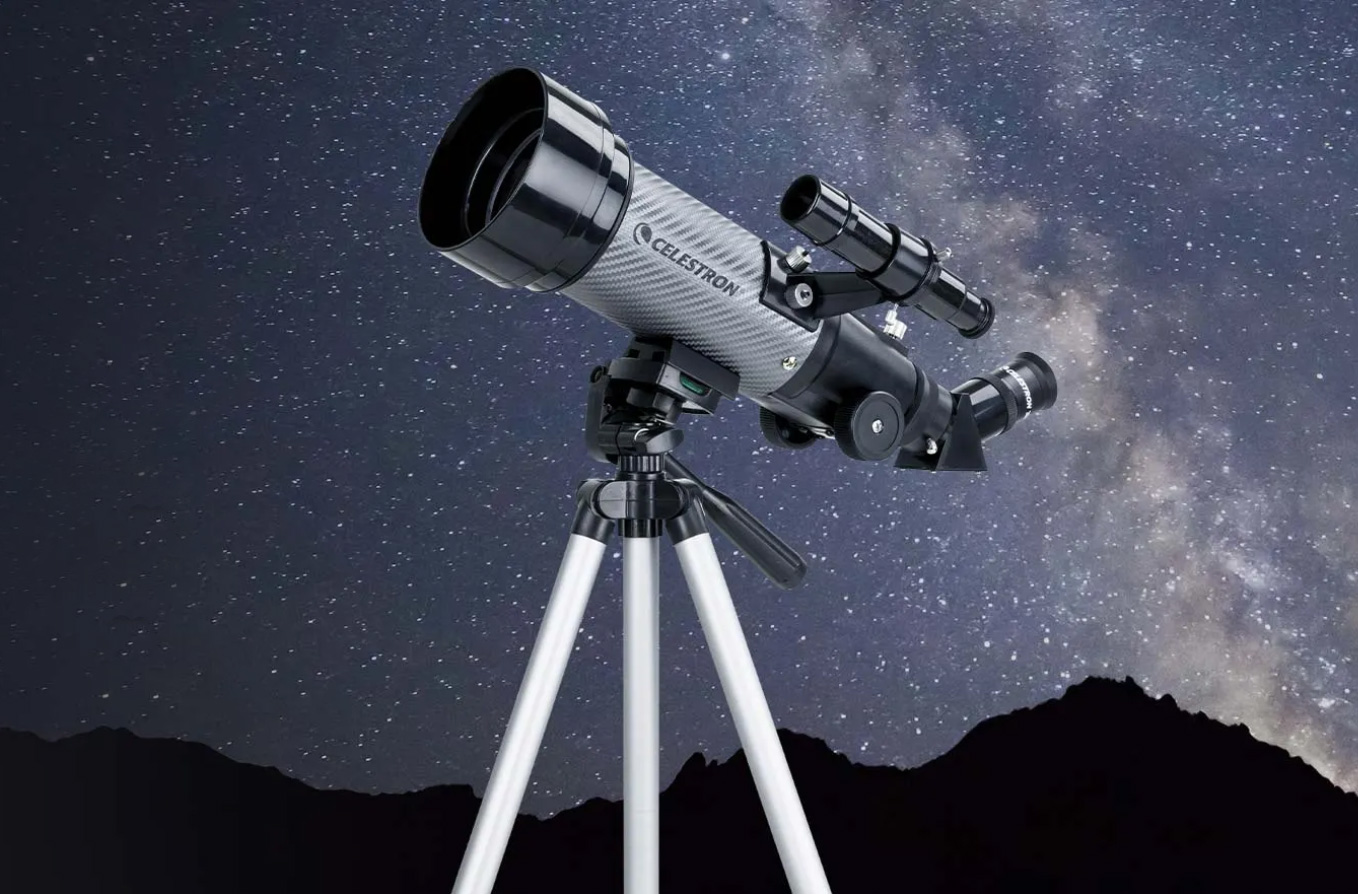
A refractor telescope uses lenses to gather and focus light. Think of it like a really, really good pair of glasses for the universe. These are often the ones that look like classic, sleek tubes, sometimes with a little objective lens cap on the front. They're known for delivering sharp, high-contrast images, making them excellent for looking at things like planets and double stars.
If you’ve ever seen a picture of an old-school telescope, chances are it was a refractor. They have a certain timeless elegance to them, don't they? Plus, they're generally quite low maintenance. You just point and look. Simple, effective, and oh-so-satisfying.
The Reflector: Big and Bold
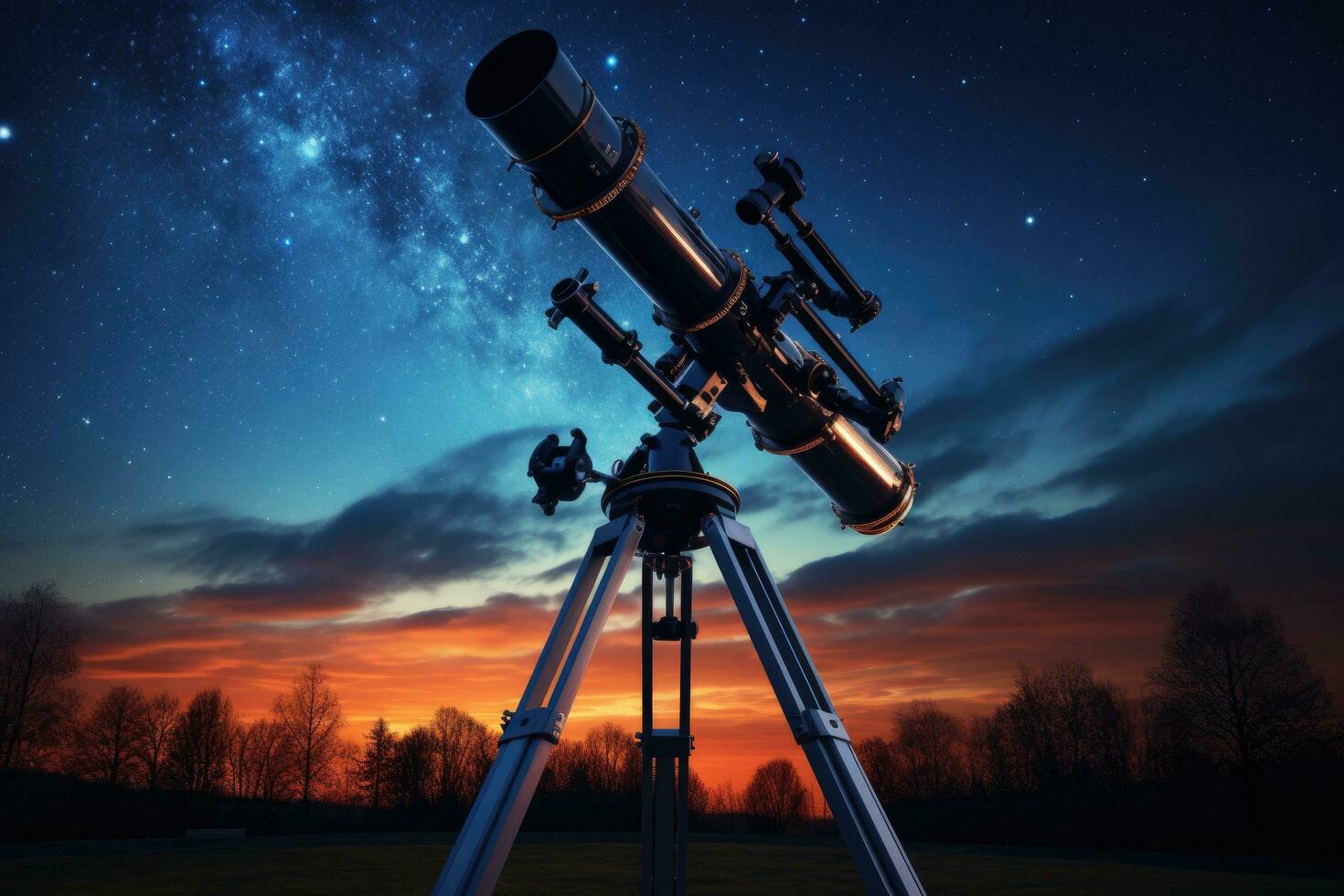
Now, reflectors use mirrors to gather and focus light. Imagine a perfectly curved mirror catching all the faint light from a distant galaxy and bouncing it straight to your eye. These OTAs are often chunkier and might have a secondary mirror near the front, a little obstruction that looks like it’s getting in the way, but trust me, it’s crucial!

Reflectors are fantastic for capturing faint, fuzzy objects like nebulae and galaxies. They tend to offer more aperture (that's the diameter of your main mirror or lens) for the money, meaning they can gather more light and show you fainter details. More light equals more of the universe to explore!
Why the OTA Makes Life More Fun
So, why all this fuss about the OTA? Because it's the key to unlocking incredible sights. Imagine this: you’ve set up your telescope on a clear night, pointed your OTA towards a patch of sky, and suddenly, what looked like a faint smudge through binoculars transforms into the magnificent Orion Nebula, a swirling cloud of gas and dust where stars are being born!
Or, picture yourself gazing at the Moon and seeing craters so detailed you feel like you could reach out and touch them. With a good OTA, you’re not just looking at the sky; you’re experiencing it.
It’s about connecting with something so much bigger than ourselves. It’s about realizing that those twinkling lights are actually suns, some of them unimaginably far away, with their own planetary systems. It’s a humbling, awe-inspiring, and utterly fun experience.
Think of the conversations you'll have! Explaining the craters on the Moon to your kids, sharing the wonder of Saturn’s rings with friends, or even just silently marveling at a distant star cluster. Stargazing with a capable OTA is a shared joy, a way to bring people together under the vast canopy of the night.
And it’s not just about looking; it’s about learning too. Each object you observe sparks new questions. "What is that nebula made of?" "How far away is that galaxy?" Your OTA becomes a gateway to endless exploration and discovery. You'll find yourself devouring books, watching documentaries, and maybe even joining a local astronomy club. It’s a journey, and the OTA is your trusty vehicle.
It's Your Ticket to Adventure!
The beauty of the OTA is that it’s the heart of your telescope. While mounts and eyepieces are important, it’s the OTA that dictates the fundamental quality of the image you'll see. Choosing one that suits your interests and budget is the first, and perhaps most exciting, step into a universe of wonder.
So, if that little tug of curiosity is still there, if the night sky still whispers promises of mystery and beauty, then consider this your gentle nudge. Don't be afraid of the technical terms; embrace the potential. The optical tube assembly is your personal invitation to adventure, a way to bring the breathtaking grandeur of the universe right to your doorstep.
Take that first step. Explore your options. Imagine what you could see. The universe is waiting, and with a good OTA, you're ready to answer its call. Go ahead, lift your gaze, and let the wonders unfold!