
Telescope Truss Tube Components
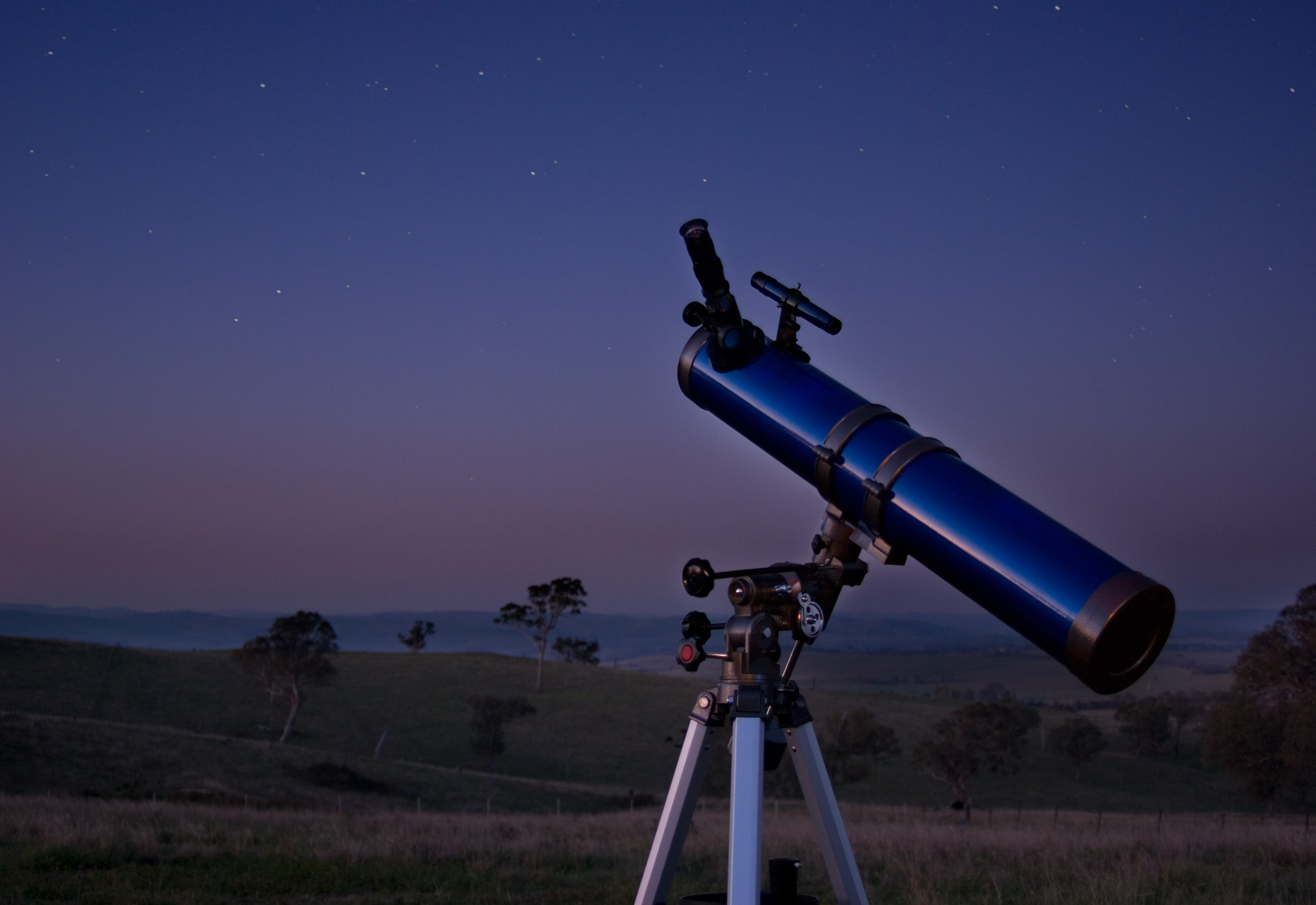
Ever looked up at the night sky and felt that little tug of wonder? Like, "Whoa, what's all that out there?" If you've ever gotten even a little bit curious about how we get those amazing close-up views of distant galaxies and nebulae, you've probably seen some pretty wild-looking telescopes. And a lot of the time, these aren't just simple tubes of metal. Nope, we’re talking about truss tube telescopes, and they’ve got a look all their own. So, what's the deal with all those struts and beams? Let's dive in!
Think about the classic telescope shape, right? A nice, solid tube. Easy to picture. But as telescopes get bigger and bigger, trying to build them as a solid tube becomes a real headache. Imagine trying to lug around a solid metal tube the size of a small building! It would be ridiculously heavy and, honestly, a bit of a pain to even move. Plus, when you’re trying to see something super faint and far away, every little bit of wobble or distortion is the enemy. And a giant, solid tube can be prone to flexing.
This is where the truss tube design comes to the rescue! It's like the engineer’s answer to "how do we make this huge thing strong, light, and portable?" Instead of a solid tube, a truss tube telescope is built with a whole bunch of interconnected pieces – think of it like a super-strong, open framework. Usually, you’ve got some kind of support structure at the top and bottom, and then a bunch of rods or beams connecting them. It’s a bit like the skeletal structure of a building, or maybe a really fancy tent frame.
So, why is this skeletal approach so genius? Well, for starters, it’s all about weight reduction. By using a whole bunch of relatively thin, strong rods instead of a solid, thick tube, you shave off a ton of weight. This makes these behemoth telescopes much more manageable to set up, take down, and even transport. Imagine having to assemble a puzzle instead of trying to hoist a giant metal pipe! It's a game-changer for amateur astronomers who want to observe from different locations.
The Backbone: Your Truss Tube Components
Let’s break down the key players in this truss tube system. It’s not just random rods sticking out; there’s a method to the madness!
The Rocker Box: The Base of Operations
At the very bottom, you’ll often find something called the rocker box. This is essentially the base of your telescope’s altitude-altitude mount. It’s the part that allows the telescope to pivot up and down (that’s the altitude part). Think of it as the sturdy chair or the foundation that everything else sits on and moves around. It needs to be solid and stable because it’s holding up the entire optical tube assembly, which can be quite substantial.

The rocker box is often made from wood or metal, and its design is crucial for smooth and precise movements. If this thing is wobbly, your whole viewing experience will be shaky. So, while it might not be the flashiest part, it's definitely one of the most important for keeping your view steady.
The Altitude Bearings: Smooth Swings
Attached to the rocker box are the altitude bearings. These are usually large, curved pieces that the main optical tube (or in this case, the bottom of the truss structure) rests on. They allow the telescope to smoothly swing up and down on its altitude axis. Imagine them as giant, perfectly curved tracks that let the telescope glide effortlessly as you point it towards different parts of the sky.
The smoothness of these bearings is absolutely critical. If they’re sticky or jerky, you’ll find yourself fighting with the telescope just to keep it pointed at your target. Good altitude bearings are like butter – they let you move with precision and grace.

The Support Struts: The Skeleton’s Strength
Now, we get to the star of the show: the support struts. These are the rods or beams that connect the top and bottom ends of the telescope. They’re the actual "truss" part. They create that open, skeletal structure that we talked about. These aren't just for show; they’re engineered to be incredibly strong and rigid, but also lightweight.
Think of them like the spars on an airplane wing or the struts on a bridge. They distribute the weight and forces evenly, creating a very strong yet light structure. This open design also means that air can flow through the telescope. Why is that cool? Well, it helps prevent what astronomers call tube currents. These are tiny, swirling air movements inside the telescope that can blur your view. With a truss tube, the air can escape, leading to sharper images. It’s like letting your telescope breathe!
The Primary Mirror Cell: The Heart of the Matter
At the very bottom of the truss structure, you'll find the primary mirror cell. This is where the main mirror of the telescope sits. In a reflector telescope, this is the mirror that gathers all the faint light from distant objects and bounces it up towards the eyepiece. The mirror cell needs to hold this precious mirror perfectly still and in alignment. It’s like the pedestal for a priceless artifact – it needs to be secure and precise.
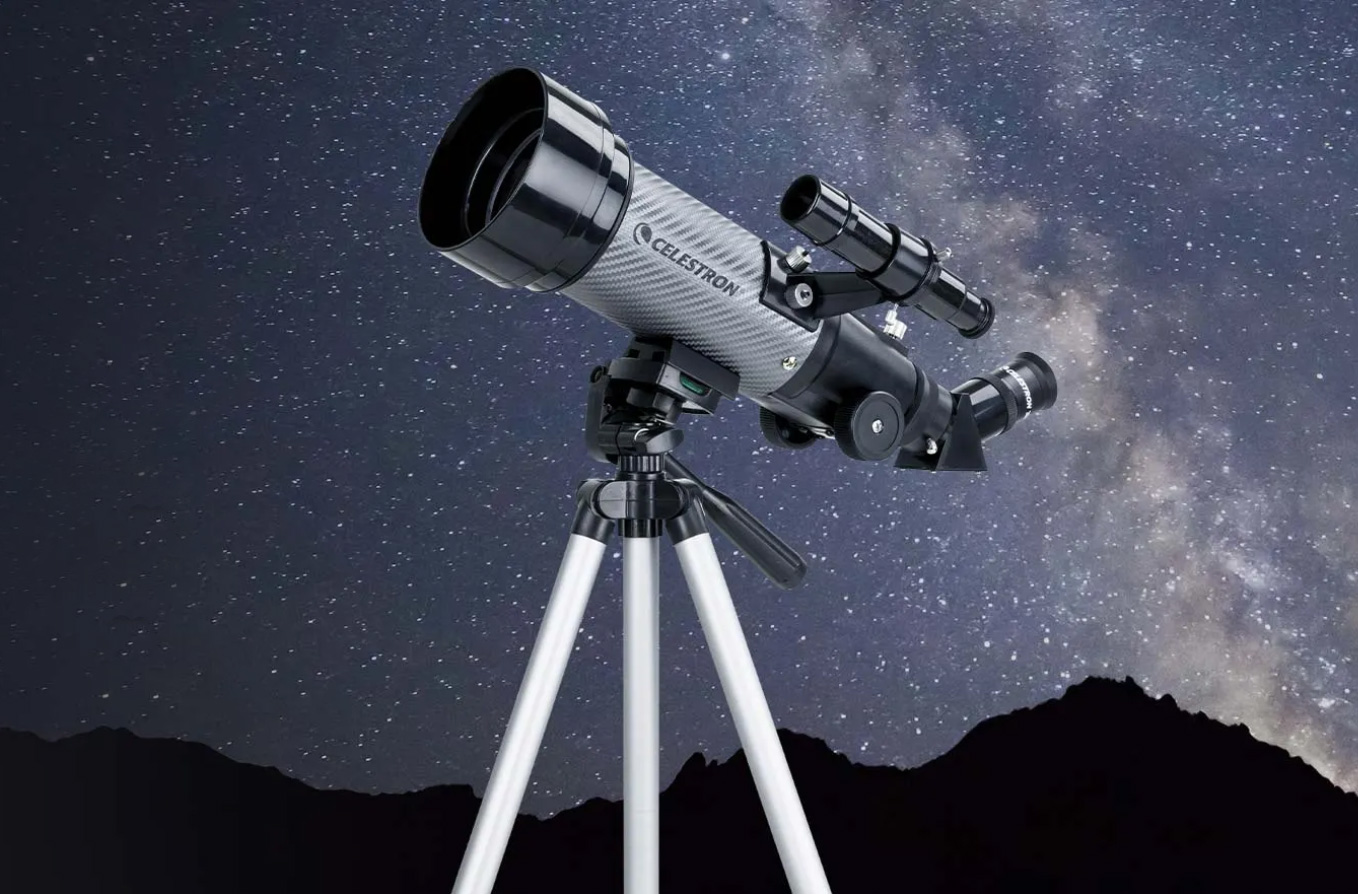
In a truss tube telescope, the primary mirror cell is often quite robust, designed to support the heavy mirror while also being integrated into the truss structure for rigidity. It’s a critical component because the quality of your images depends heavily on how well this mirror is supported and aligned.
The Secondary Mirror Support: Directing the Light
Up at the top of the truss structure, you’ll find the secondary mirror support. This is usually a spider-like assembly with thin vanes that hold the secondary mirror. This smaller mirror intercepts the light from the primary mirror and directs it towards the eyepiece, which is typically located on the side of the telescope tube. These vanes are designed to be as thin as possible to minimize diffraction, which can create little spikes on bright stars – those pretty starburst effects you sometimes see.
In a truss tube telescope, this secondary mirror support is often mounted on a separate structure that connects to the top of the truss. It needs to be incredibly stable, as even a tiny wobble here will be magnified in your view. This assembly is like the telescope's steering wheel, precisely directing the collected light on its journey to your eye.
Why It’s All So Cool
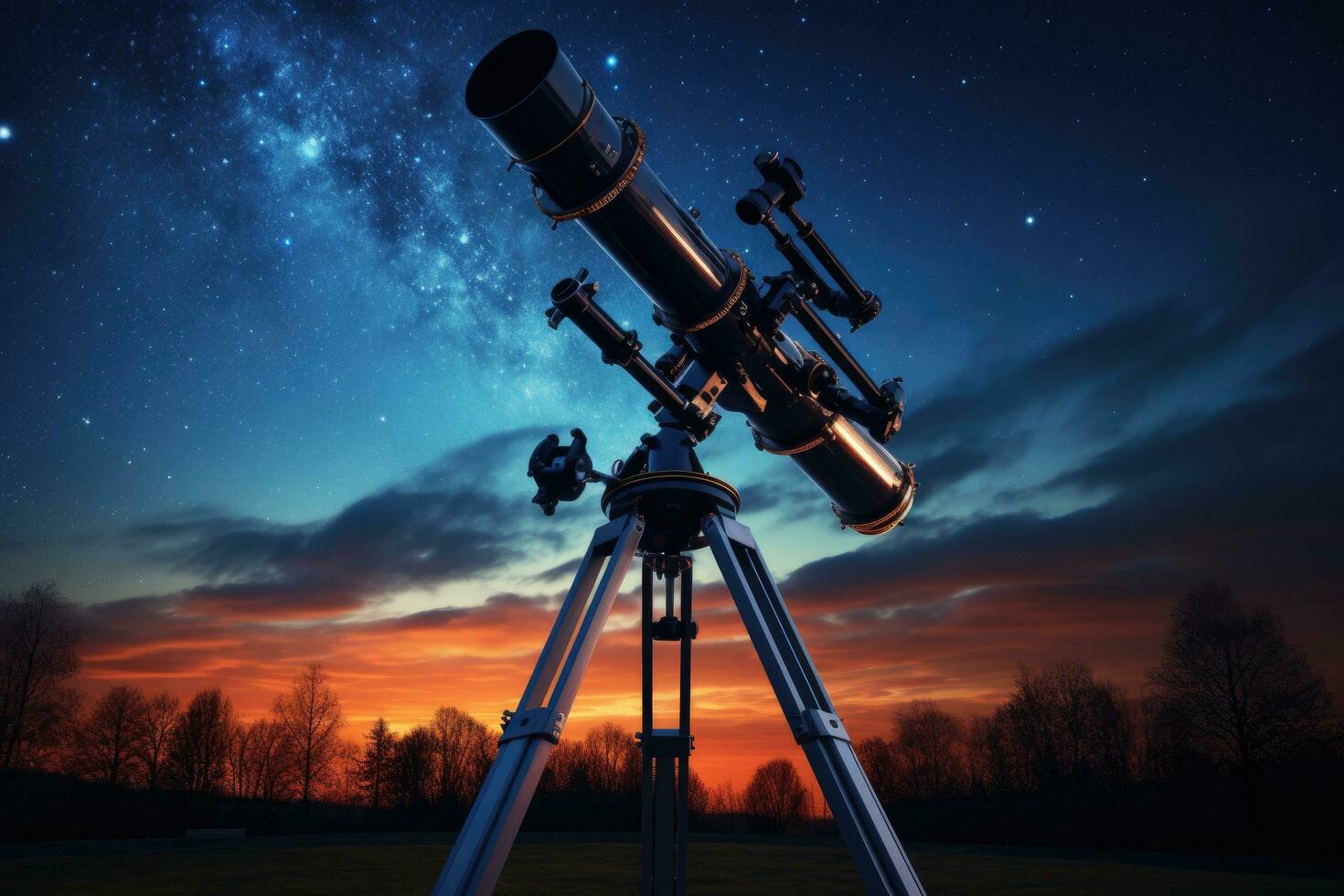
So, why go through all this complexity? Well, it boils down to performance and practicality for larger telescopes. For amateur astronomers who aspire to own a telescope with a large aperture (meaning, a larger primary mirror), a truss tube design makes it feasible. You can have a telescope that gathers a huge amount of light, revealing incredible detail in the cosmos, without it being an unmanageable monster.
Imagine a 16-inch or even an 18-inch telescope. If that were a solid tube, it would be astronomically (pun intended!) difficult to move. But with a truss tube, it can be disassembled into more manageable pieces, allowing you to take it to dark sky sites away from city lights. This portability is a huge advantage for anyone serious about observing faint deep-sky objects.
It’s also a testament to clever engineering. The way these components work together to create a stable, rigid, and lightweight structure is truly impressive. It’s a bit like a well-designed bicycle frame – strong, efficient, and built for purpose. When you look through a well-built truss tube telescope, you're experiencing the culmination of a lot of thought and design, all aimed at giving you the best possible view of the universe.
The next time you see one of these open-framework telescopes, you’ll know that it’s not just a bunch of rods. It’s a carefully orchestrated system of components working in harmony. It’s a marvel of engineering, designed to bring the wonders of the cosmos that much closer. And that, my friends, is pretty darn cool!