
Telescope Vs Optical Tube
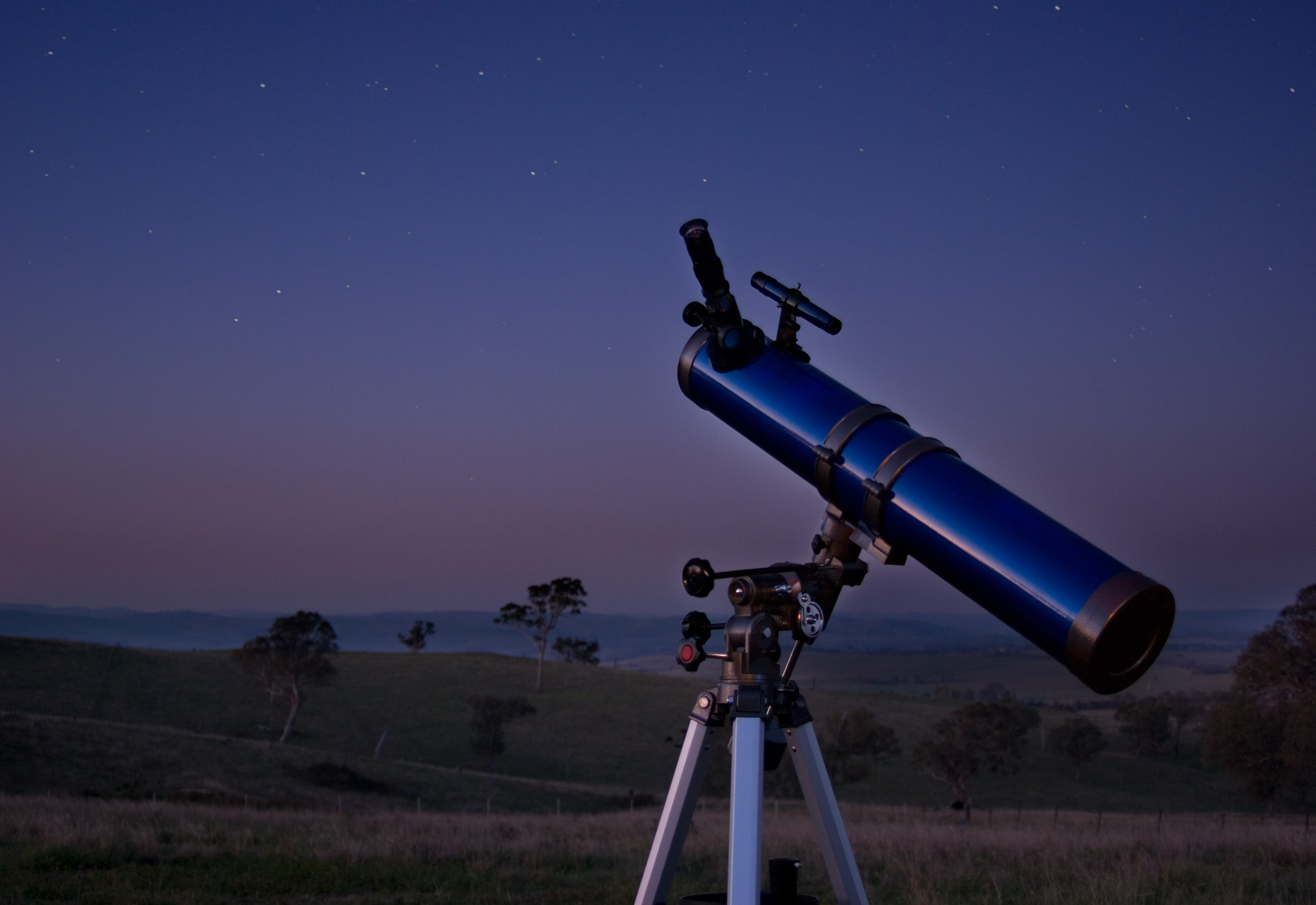
There's something utterly magical about looking up at the night sky, isn't there? Whether you're a seasoned stargazer or just someone who occasionally peeks out their window, the vastness of space holds an undeniable allure. It sparks our curiosity, reminds us of our place in the universe, and offers a breathtaking escape from our daily routines. And for many, the best way to truly experience this cosmic spectacle is through the powerful lenses of a telescope.
But here's a common point of confusion for budding astronomers: what exactly is the difference between a "telescope" and an "optical tube"? It might seem like splitting hairs, but understanding this distinction can actually make your journey into the cosmos a lot smoother and more enjoyable.
Think of it this way: the optical tube is the heart and soul of your stargazing adventure. It's the main body of the instrument, containing the lenses or mirrors that gather and focus light from distant objects. This is where the magic of magnification happens! The optical tube is the crucial component that brings those faint stars, nebulae, and planets into sharper view. Without a good optical tube, you're essentially looking at the sky with very good, but still limited, human eyes.
The telescope, on the other hand, is the complete package. It's the optical tube plus everything else you need to use it effectively. This includes the essential mount (which keeps the tube steady and allows you to point it accurately) and often a tripod or pier for stability. A telescope might also come with eyepieces (which determine your magnification and field of view), finderscopes (small, low-power telescopes to help you locate objects), and even camera adapters for astrophotography. So, you could say the optical tube is a vital part of the telescope, but the telescope is the entire system that allows you to observe the universe.
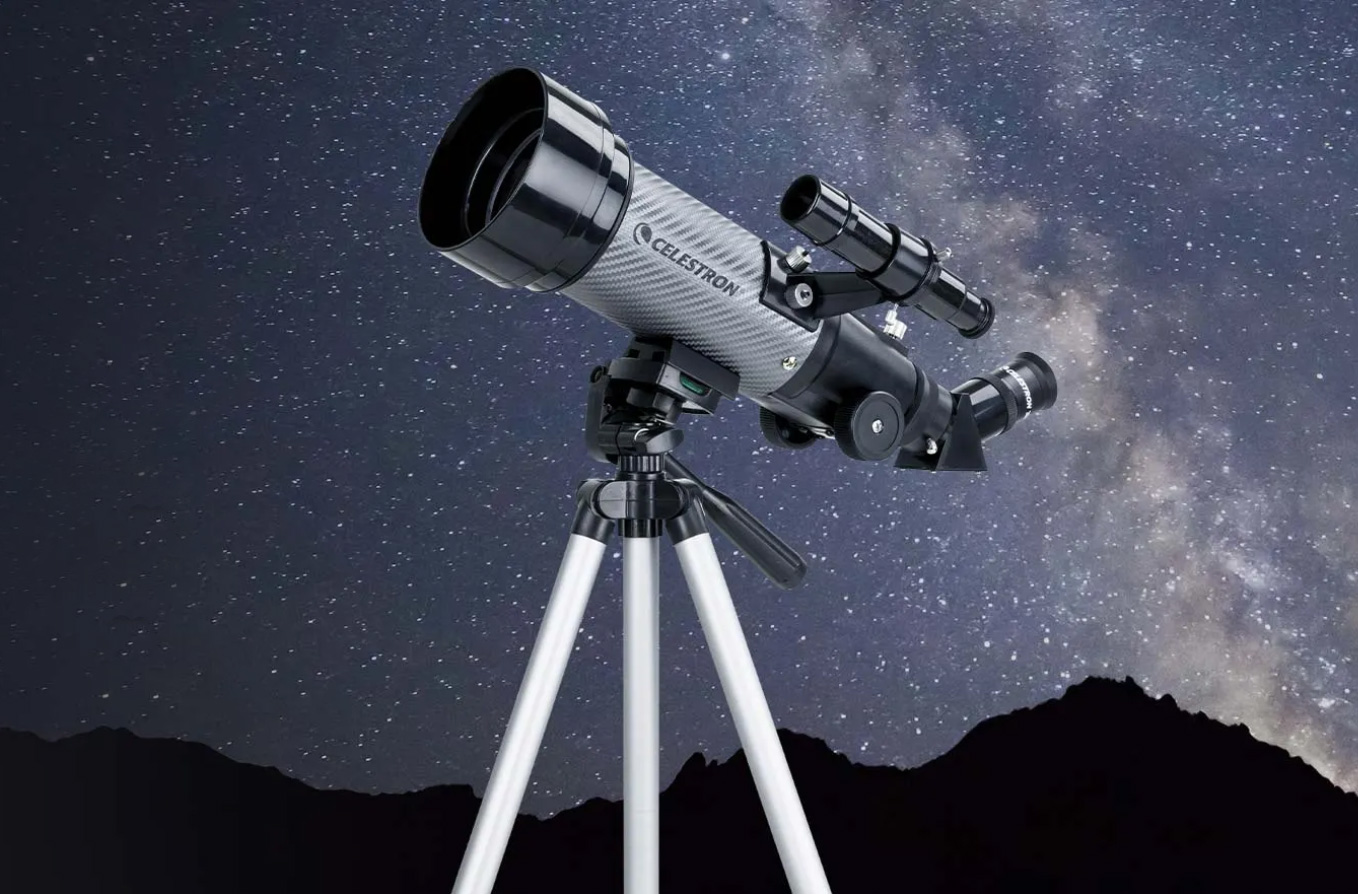
So, why is this distinction beneficial for everyday life? For starters, it helps you make informed purchasing decisions. If you're buying your first instrument, you're likely looking for a "telescope" – a ready-to-go setup. If you're a more experienced hobbyist looking to upgrade or customize, you might be specifically searching for a new "optical tube" to pair with your existing mount.
Common examples of optical tubes include refractors (which use lenses) and reflectors (which use mirrors). These come in all sorts of sizes and designs, each with its own strengths for viewing different celestial wonders. A refractor might be fantastic for crisp views of the Moon and planets, while a larger reflector might excel at gathering light for fainter deep-sky objects like galaxies.
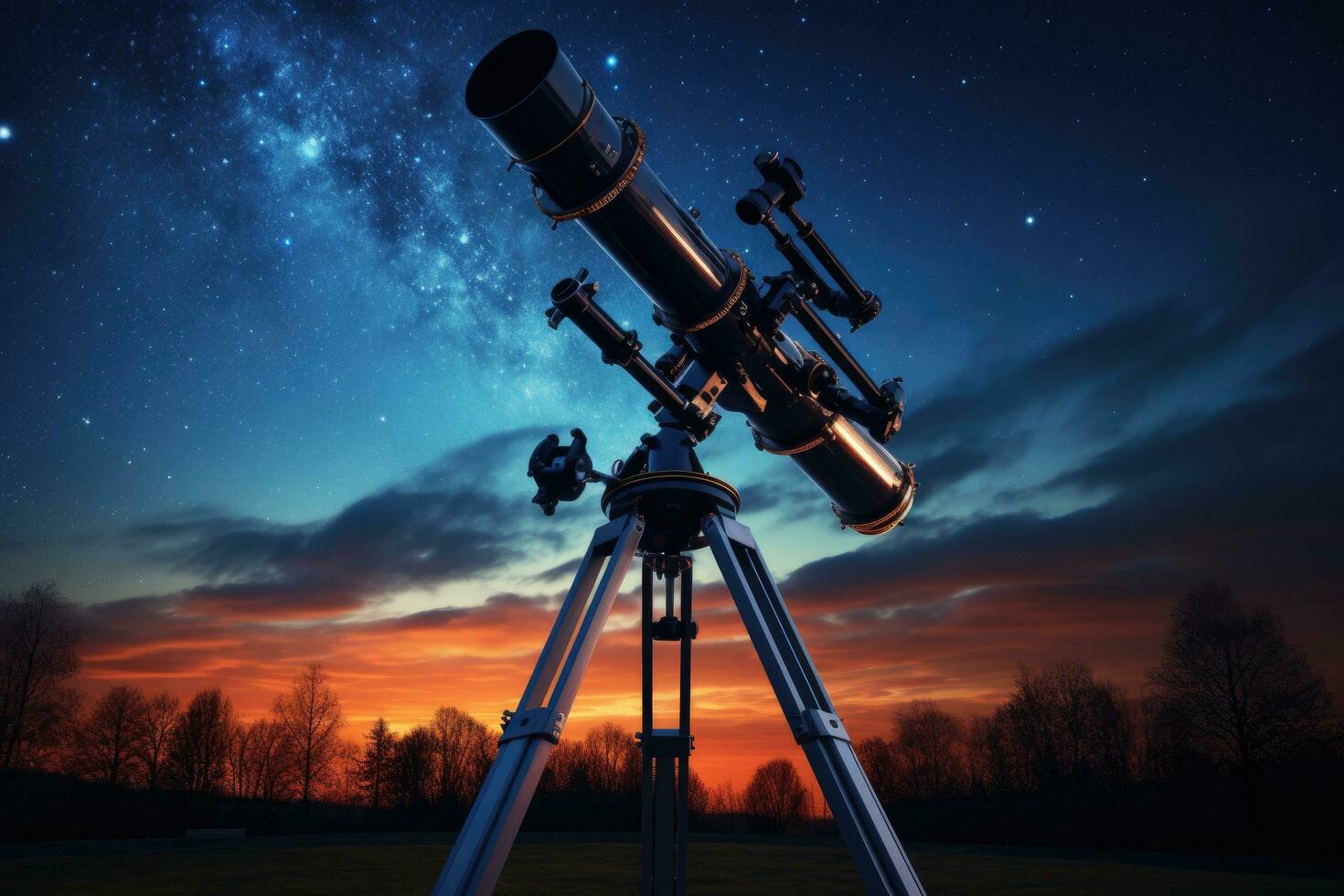
To enjoy your optical adventures more effectively, remember this: a sturdy mount is just as important as a high-quality optical tube. Even the most powerful optical tube will be rendered useless if it's wobbling around uncontrollably on a flimsy tripod. Another tip? Start with a lower magnification eyepiece. It gives you a wider field of view, making it easier to find your target, and then you can gradually increase magnification as needed.
Ultimately, whether you're talking about the optical tube or the complete telescope, the goal is the same: to unlock the wonders of the cosmos. So, the next time you hear these terms, you'll have a clearer picture of what makes each so important in your journey among the stars!