
Telescopes That Hook Up To Laptops
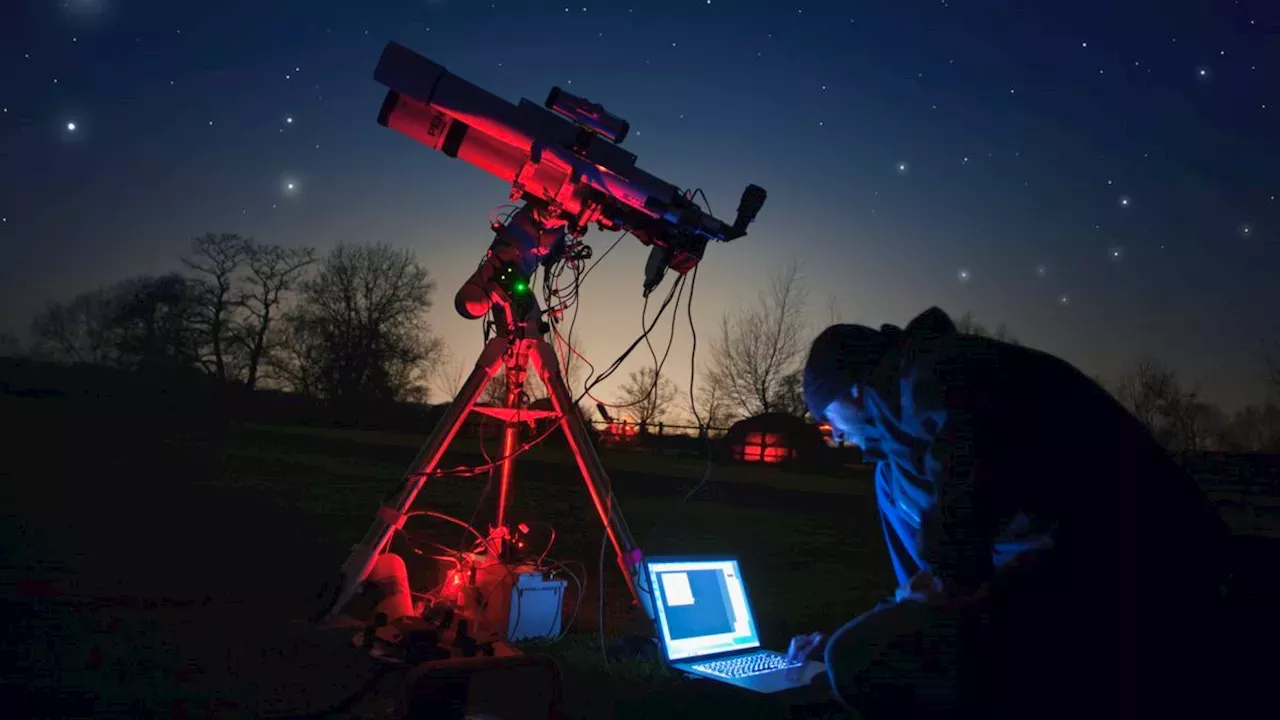
Remember those clunky telescopes from the dusty attic of your childhood? The ones that required an engineering degree to operate and offered a fuzzy, wobbly view of... well, mostly the moon’s craters, if you were lucky? Well, buckle up, stargazers, because the universe just got a whole lot more accessible, and a whole lot more plugged in.
We're talking about telescopes that don't just look at the stars, they talk to your laptop. Yep, the same trusty device that streams your favorite shows, orders your groceries, and probably holds the secret to your procrastination habits is now your gateway to the cosmos. This isn't science fiction anymore; it's an easy-going invitation to explore the infinite, right from your living room or backyard.
From Ancient Wonder to Digital Dream
For centuries, humanity has gazed upwards, charting constellations, naming planets, and dreaming of what lies beyond. Think of Galileo, peering through his rudimentary lenses, forever changing our understanding of our place in the solar system. Or the dedicated amateur astronomers of yesteryear, meticulously logging their observations with pen and paper.
Now, imagine translating that passion, that same sense of wonder, into a seamless digital experience. That's the magic of laptops connecting to telescopes. It’s like upgrading from a flip phone to a smartphone – the core function is still there, but the possibilities are exponentially expanded.
These modern marvels aren't just about pointing and looking. They're about understanding, analyzing, and even sharing your cosmic discoveries. It’s a blend of old-world curiosity and cutting-edge tech, making the universe feel a little less distant and a lot more personal.
The "Why Bother?" Breakdown: What's the Big Deal?
So, what makes hooking up your telescope to a laptop such a game-changer? Let's break it down:
1. Enhanced Control and Precision: Forget manually nudging your scope around. With laptop-connected telescopes, you can often control the entire pointing and tracking system through intuitive software. Think of it as having a virtual joystick for the sky. This means less fiddling and more finding. Whether you’re hunting for a faint nebula or the elusive rings of Saturn, your laptop makes it a breeze.

2. Sophisticated Star Charts and Databases: Your laptop comes pre-loaded with the internet, right? Well, telescope software often taps into vast astronomical databases. You can select celestial objects from a digital catalog, and your telescope will automatically slew (that’s astronomer talk for "move") to point them out. It’s like having a personal tour guide for the universe, curated by NASA and countless observatories.
3. Live Imaging and Astrophotography Simplified: This is where things get truly exciting. Many of these telescopes come with or can accommodate cameras that feed directly into your laptop. You can see live images on your screen, far clearer and brighter than through the eyepiece alone. And astrophotography? It used to be a dark art of film and complex processing. Now, with digital cameras and software, even beginners can capture stunning images of galaxies, planets, and star clusters. Imagine snapping a pic of Jupiter’s Great Red Spot and actually seeing it develop on your screen in real-time!
4. Data Analysis and Learning: Beyond just pretty pictures, these setups allow for more serious observation. You can record your observations, track object movements, and even run basic analysis. It transforms a casual stargaze into an opportunity for genuine learning and scientific exploration. It’s like turning your hobby into a mini-research project, without the pressure of a thesis.
5. Sharing the Wonder: Ever wanted to show your friends that incredible view of the Orion Nebula, but they can’t quite get their eye in the right spot? With live imaging on your laptop, you can display the feed on a larger screen, letting multiple people enjoy the view simultaneously. It makes stargazing a social, shared experience. Think of it as a cosmic live stream, with you as the host.
Types of Telescopes That Play Nice with Laptops
The term "telescope that hooks up to a laptop" is a bit of a catch-all, but it generally refers to a few key categories:

1. GoTo Telescopes: These are the superstars of computerized astronomy. They feature motorized mounts and internal databases that, when aligned with your laptop (or sometimes controlled directly by it), can find and track celestial objects. You type in what you want to see, and the telescope does the heavy lifting. Many use Wi-Fi or USB connections for laptop control.
2. Smart Telescopes: These take the "smart" to a whole new level. Some integrate Wi-Fi and can be controlled entirely by a smartphone or tablet app, which in turn can sync with your laptop for more advanced features. Others are built with sophisticated sensors and software for automatic alignment and tracking, often presenting a highly streamlined user experience that’s perfect for beginners who still want advanced capabilities.
3. DSLR/Mirrorless Camera Mounts with Computer Control: While not strictly a telescope itself, many dedicated astrophotography mounts allow you to control your camera and telescope pointing via your laptop. This is for those who are serious about capturing high-quality images. The laptop becomes the central hub for managing exposures, focusing, and tracking.
4. Dedicated Astrophotography Scopes with Imaging Trains: These are purpose-built for capturing the beauty of space. They often come with specialized sensors and software interfaces that are designed to communicate directly with your laptop for optimal image capture and processing. These are your workhorses if you dream of Hubble-like images (minus the Hubble budget, of course).
Getting Started: Your Cosmic Toolkit
Feeling inspired? Awesome! Here are some practical tips to get you started on your laptop-assisted stargazing journey:

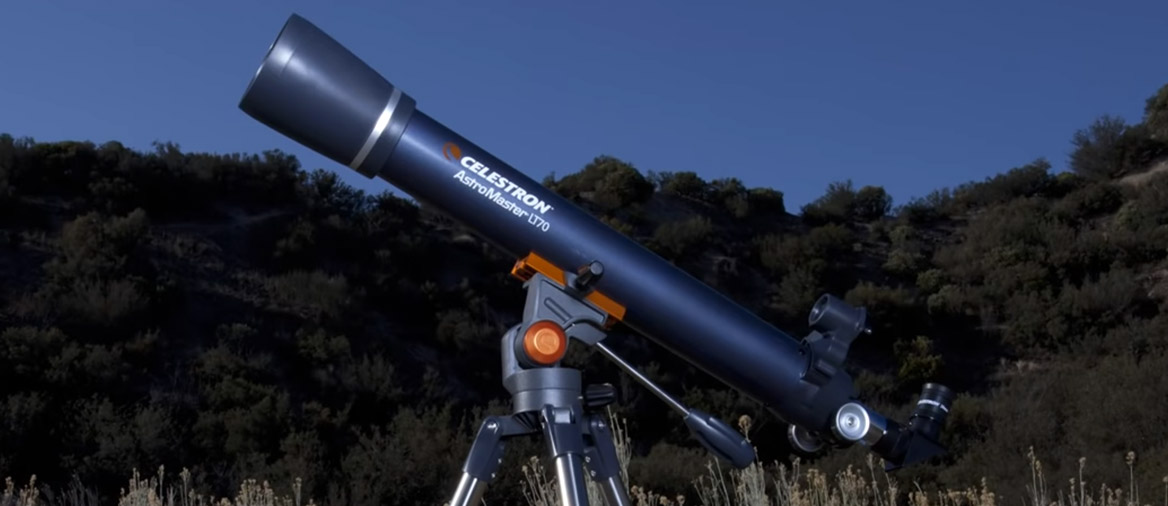
Choose the Right Telescope: For beginners, a computerized GoTo refractor or reflector telescope is often a great starting point. Look for models that explicitly mention laptop compatibility or have good reviews regarding their software. Brands like Celestron, Sky-Watcher, and Meade are popular choices.
The Laptop Connection: Most modern computerized telescopes connect via USB cable. Some newer models might offer Wi-Fi or Ethernet connections. Ensure your laptop has the necessary ports or adapters. You might also need a bit of driver installation – don't let that scare you; it's usually a straightforward process.
Software Savvy: This is your new control panel!
- Planetarium Software: Apps like Stellarium (free and open-source!), SkySafari, or Starry Night are invaluable. They create a virtual sky on your laptop, allowing you to click on an object and then tell your telescope to go there.
- Telescope Control Software: Your telescope manufacturer will likely provide their own software or recommend compatible third-party options. This is what allows your laptop to actually command the telescope's motors.
- Imaging Software: If you're diving into astrophotography, you'll need software to capture and process images. Programs like SharpCap (excellent for live stacking), DeepSkyStacker, and even Adobe Photoshop can be your allies.
Power Up: Don't forget that your telescope's mount will need power, and your laptop needs to be charged. A portable power bank for your laptop and a 12V DC power supply for your telescope mount are essential for those longer observing sessions away from an outlet.
Location, Location, Location: While laptop-connected telescopes make things easier, they can't change the laws of physics. Dark skies are still king! Try to get away from city lights for the best views. Even a local park on a clear night can be a significant improvement over your backyard if it's in a light-polluted area.
Patience and Practice: Like any new skill, there's a learning curve. Don't get discouraged if your first few attempts aren't perfect. Read the manuals, watch online tutorials, and join online astronomy forums. The community is usually incredibly supportive and eager to help newcomers.
Fun Little Facts to Impress Your Friends (or Yourself)
- Did you know that the first electronically controlled telescope was developed in the 1970s? We've come a long way from then!
- The software for many computerized telescopes can account for the Earth's rotation, so your telescope can automatically track objects as they move across the sky. It's like a celestial chase scene, all automated!
- When you're imaging, you're often capturing light that has traveled for millions or even billions of years. Your laptop screen is showing you echoes from deep time!
- Some advanced astrophotography techniques involve "lucky imaging," where you take thousands of short exposures and then use software to pick out the sharpest ones. It’s like finding the needle in a cosmic haystack, but the computer does the sifting!
Cultural Connections: The Sci-Fi Dream Becomes Reality
Think about all those sci-fi movies where characters effortlessly scan the stars or communicate with extraterrestrial life via advanced interfaces. While we're not quite at alien communication (yet!), the ability to control a powerful instrument of observation with a device we use daily feels like a direct nod to those futuristic visions. It’s the dream of ‘Star Trek’ democratized, bringing the bridge of the Enterprise to your desktop.
From ancient Babylonian astronomers observing planetary movements to modern-day individuals using their laptops to witness the birth of stars, the human drive to understand the cosmos remains constant. These laptop-connected telescopes are simply the latest, most accessible tools in that grand, ongoing quest.
A Reflection on Connection
It’s fascinating, isn't it? We spend so much of our lives connected to glowing screens, often feeling tethered to the immediate, the mundane, the digital noise of our daily routines. But with these telescopes, that same screen becomes a portal. It’s a reminder that technology, when used with intention, can expand our horizons rather than shrink them.
Connecting your telescope to your laptop is more than just a technical upgrade; it's a philosophy. It's about embracing the blend of the natural and the digital, the ancient and the modern. It’s about taking a moment to step back from the email inbox and the social media feed, and instead, to gaze upon a spectacle that has inspired awe for millennia. It's about realizing that the universe isn't just "out there"; it’s also right here, waiting to be discovered, one pixel, one observation, one connected moment at a time.