
Telescoping Carbon Fiber Square Tube
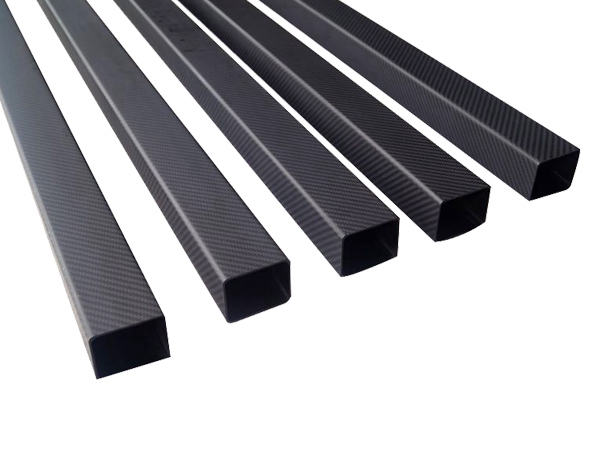
Hey there, fellow adventurers and DIY wizards! Ever find yourself staring at a project, maybe building a super-sleek drone, a portable camera rig, or even just a really fancy tent pole, and thinking, "Man, I wish I had something that could just… shrink when I don't need it, but then stretch out to be all strong and useful?" Well, buckle up, buttercup, because I've got a little secret to share that's going to make your gadget-loving heart sing: telescoping carbon fiber square tube!
Now, I know what you're thinking. "Carbon fiber? Telescoping? Square tube? Is that like, a secret agent's lunchbox?" (Ha! If only lunchboxes could be that cool.) But seriously, this stuff is pretty darn awesome, and it’s way less complicated than it sounds. Think of it as the ultimate shape-shifter for your projects. And when I say "shape-shifter," I mean it can go from being barely there to being a robust, dependable piece of engineering in a matter of seconds. It’s basically a magician for your materials!
Let’s break it down, shall we? First off, carbon fiber. If you're into anything remotely high-tech or performance-oriented, you've probably heard of it. It's that cool, black, woven material that looks like it came straight out of a sci-fi movie. Why is it so cool? Well, for starters, it's incredibly strong. Like, unbelievably strong for its weight. Imagine a spaghetti noodle that’s as strong as a steel beam. Okay, maybe not that extreme, but you get the idea. It's this amazing combination of being lightweight and tough. This means whatever you build with it won't weigh you down like a sack of potatoes, but it'll still hold its own against… well, whatever you throw at it (within reason, of course!).
And the "telescoping" part? That's where the magic truly happens. You know how those fancy umbrellas or adjustable desk lamps work? They’re made of sections that slide inside each other. That's telescoping! Our carbon fiber tubes do the same thing, but with a much cooler vibe. They're designed with multiple sections, each slightly larger than the one inside it. So, you can slide them out to extend them to your desired length, and then lock them in place. Or, when you're done, just give them a little push, and poof! They retract down to a much more manageable, compact size. It’s like having a superhero tool that can expand and contract on command!
Now, why square tube? You might be used to seeing round tubes in things like bike frames or tent poles. But there’s something special about a square profile. For starters, it's a bit more… stable. Think about it: a square shape naturally resists twisting and wobbling better than a round one. This means your extended structure will be less prone to those annoying, shaky movements. It’s like having four solid points of contact instead of just one curved surface. This added stability is a big deal, especially when you’re trying to create a rigid frame for something important.
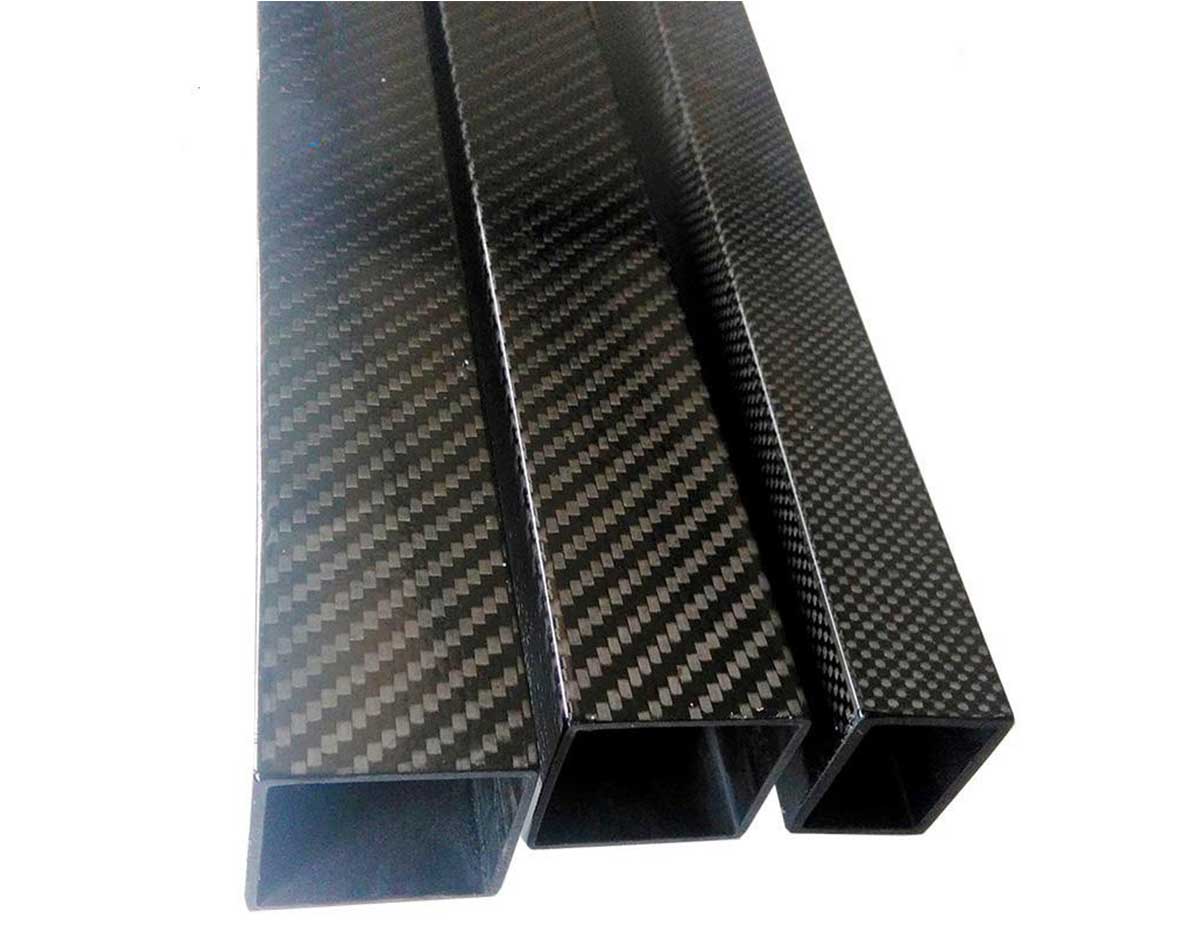
So, let’s put it all together. We’re talking about tubes made of that super-strong, lightweight carbon fiber material, that can extend and retract like a magic wand, and have a square shape for extra stability. Sounds pretty neat, right? Let’s dive into some of the fun stuff you can actually do with these bad boys.
The "Why Would I Ever Need This?" Department (Spoiler: You Probably Do)
Okay, let's get real. Why bother with telescoping carbon fiber square tubes when you could just use regular ol' metal poles or PVC pipes? Ah, my friend, that's where the beauty and the brilliance come in. Think about the scenarios:
- The "I Need It Longer, Then Shorter" Dilemma: You're setting up a temporary photography backdrop, and you need poles that are… let’s say, 8 feet long. But then, your next gig is in a tiny studio, and you only have 4 feet of space. With regular poles, you’d either have to buy two different sets or have ridiculously long poles lying around. With telescoping tubes, you just extend them to 8 feet, and when you're done, zip! They’re back to 4 feet (or even less!). It’s space-saving genius!
- Portability is King (or Queen!): Imagine carrying your gear. A long, fixed pole is a pain. It’s awkward to carry, it won’t fit in your car easily, and it’s generally a nuisance. Telescoping tubes pack down small, meaning you can chuck them in a backpack, a duffel bag, or even just tuck them under your arm without looking like you’re performing a balancing act. It’s freedom, people!
- The Strength-to-Weight Ratio: Chef's kiss. We talked about this, but it bears repeating. Carbon fiber is light. Really light. This is crucial for anything that needs to be moved around. If you're building a portable camera crane, you don't want it to weigh a ton before you even add the camera! With these tubes, you get incredible strength without the back-breaking heft. You can build stuff that’s both robust and easy to handle.
- The "Looks Pretty Darn Cool" Factor: Let's be honest. Carbon fiber just looks sophisticated. It has a sleek, modern aesthetic that can elevate any project. If you’re building something for show as well as for function, these tubes are a fantastic choice. They whisper, "I know what I’m doing, and I have excellent taste in materials."
- Adjustability is Your Best Friend: Need to fine-tune the height of something? Want to adjust the angle of a support? Telescoping tubes allow for that granular control. You’re not locked into a fixed length. You can adapt your creation on the fly. It’s like having a built-in adjustable wrench, but for length!
So, How Do They Work, Exactly? (It’s Not Rocket Science, But It’s Close!)
Okay, let’s get a little technical, but I promise to keep it fun. The magic of telescoping lies in the snug fit between the sections. Each section is designed to slide smoothly over the one below it. Think of it like a set of nested Russian dolls, but made of super-strong futuristic material.
The key is often a slight taper or a precise inner diameter. When you extend the tube, the sections slide out. To keep it from collapsing under pressure, there are usually locking mechanisms. These can be as simple as friction locks (where the fit is so precise, it just stays put) or more robust external clamps or internal expansion locks. Some higher-end ones might even have little twist-locks that you tighten to secure the sections. It’s like giving your tube a firm handshake to tell it to stay put!
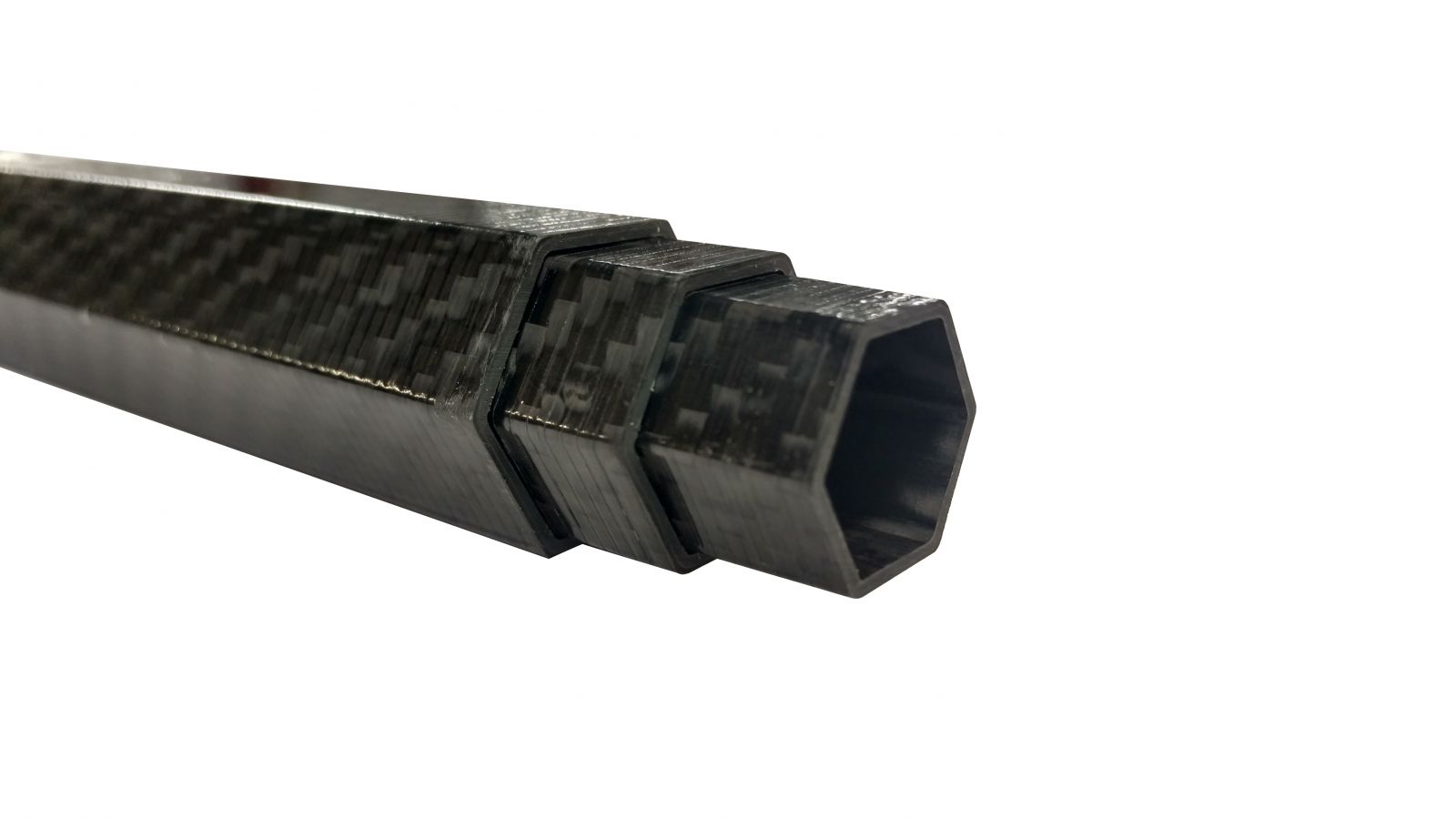
The square shape adds another layer of genius. Because the walls are flat, when you extend the tubes, they provide a more solid surface for locking mechanisms to grip. It also means that as you extend them, the overall structure is inherently more rigid and less likely to deform or bend compared to round tubes, which can be more prone to "ovaling" under stress. This is especially important for applications where you need to support weight or resist lateral forces. It’s like building with LEGOs versus trying to build with spaghetti – the LEGOs (or square tubes in this case) are just going to be more stable!
What Kind of Projects are We Talking About Here?
Get ready to have your mind blown. Telescoping carbon fiber square tubes are showing up in all sorts of cool places:

- Photography and Videography: This is a huge one. Think adjustable light stands, portable camera booms, adjustable tripod legs (though often round for those), and even custom-built camera rigs that need to extend and retract. The lightweight nature is a lifesaver for run-and-gun shoots.
- Drone Building: Need extendable landing gear? Or perhaps a telescoping arm for a specialized drone payload? Carbon fiber is the go-to material for its strength and lightness, and telescoping makes it versatile.
- Outdoor Gear: While less common than round for traditional tent poles, you can imagine custom-designed, high-end camping equipment, portable shelters, or even adjustable support structures for awnings.
- Robotics: Need an arm that can extend to reach something, or a linear actuator that’s lightweight and strong? These tubes are perfect for robotic applications.
- DIY Projects Galore: This is where your imagination can really run wild! Building a custom adjustable workbench? A retractable shelf? A portable podium? The possibilities are pretty much endless. If you can dream it, and it needs to extend and retract with strength, these tubes might be your answer.
- Trade Shows and Events: Setting up portable displays, retractable banners, or modular exhibition stands? Telescoping tubes are a natural fit.
A Few Things to Keep in Mind (Because No Magic is Entirely Without Rules)
Now, before you go ordering a lifetime supply, there are a couple of minor points to consider. These aren't deal-breakers, just things to be aware of:
- Cost: Carbon fiber, especially in a high-precision form like telescoping tubes, isn't the cheapest material out there. If you're on a super tight budget and your project doesn't demand its specific advantages, regular aluminum or even PVC might suffice. But for those projects where weight, strength, and compactness are paramount, the investment is often worth it. Think of it as paying for that superhero cape!
- Locking Strength: The locking mechanism is critical. Make sure the tubes you choose have a reliable and robust locking system for your intended application. If you're supporting significant weight, you'll want a secure lock. If it's just for positioning, a simpler friction lock might be fine. Always check the specifications!
- Precision: These tubes are designed for precision. Treat them with a bit of care. While strong, they can still be damaged by extreme forces or improper handling. Avoid yanking them aggressively or forcing sections together. Think gentle persuasion, not brute force.
The Final Word: Embrace the Extendable Awesome!
So there you have it! Telescoping carbon fiber square tubes. They’re not just fancy tubes; they’re tools of ingenuity, designed to make your projects lighter, stronger, more portable, and way more adaptable. They’re a testament to how far materials science has come, giving us the power to build smarter, not just bigger.
Whether you’re a seasoned maker or just someone with a twinkle in your eye and a project idea brewing, I hope this little chat has sparked some inspiration. Imagine the possibilities! The next time you’re faced with a length-related challenge or a portability puzzle, you’ll know there’s a sleek, strong, and incredibly cool solution waiting for you. Go forth, build amazing things, and remember to always embrace the extendable awesome! Happy creating!