
Telescoping Carbon Fiber Tube
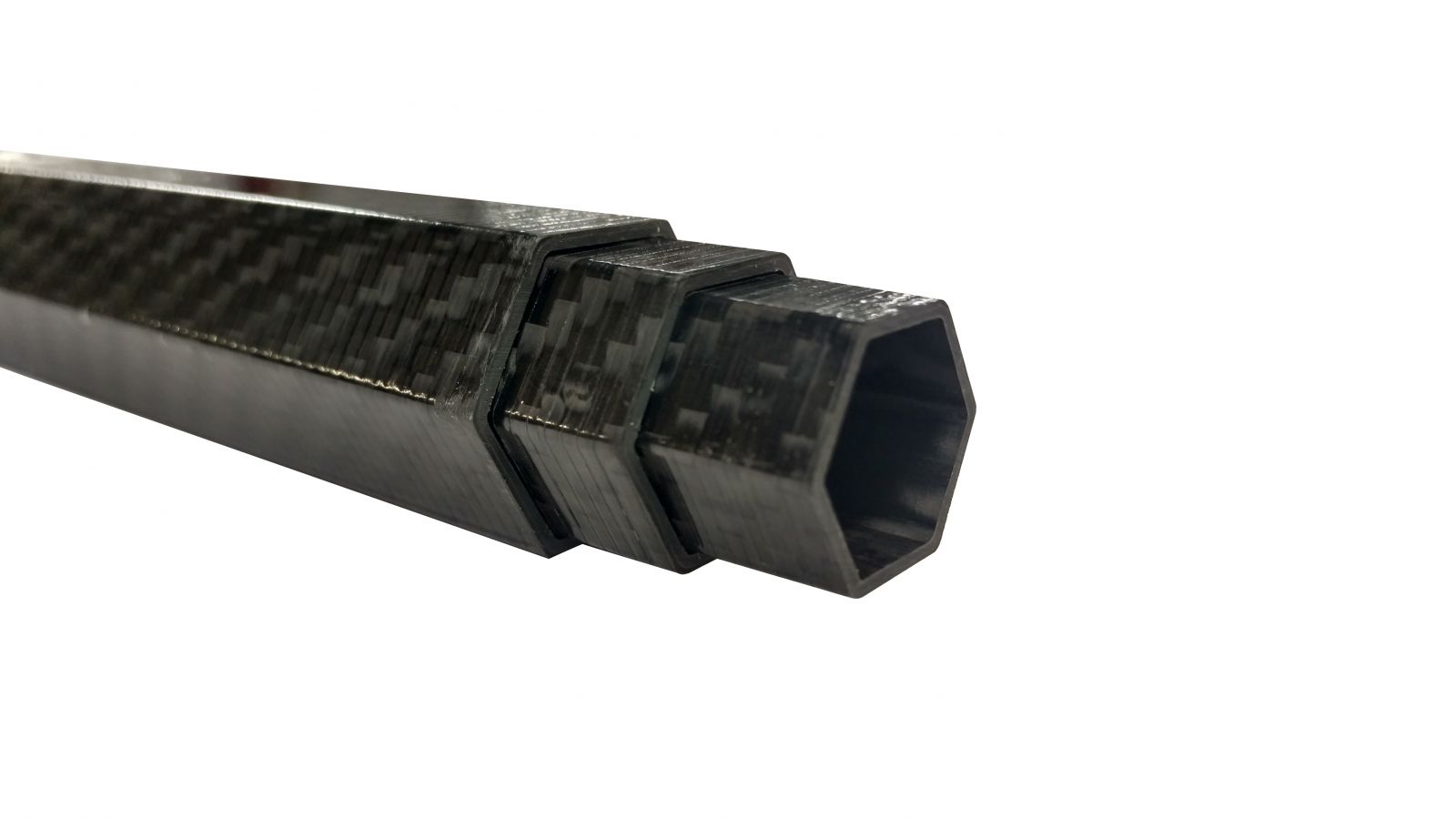
Okay, picture this: I was at this ridiculously over-the-top camping expo a few years back. You know the kind, where every tent costs more than my car and someone’s trying to sell you a solar-powered yak milker. Anyway, amidst all the titanium sporks and self-inflating mattresses that probably cost more than a small island, I stumbled upon this booth. It was pretty unassuming, not glitz and glam, just a guy fiddling with what looked like a fancy, very thin fishing rod. But it wasn't a fishing rod. He called it a "telescoping carbon fiber tube." And let me tell you, my inner geek did a little jig.
He extended it with this smooth, almost silent shiiing. Suddenly, from something about the size of a decent-sized umbrella, it was easily eight feet long. Then, with another gentle pull, it collapsed back down. It was so… elegant. And I, being me, immediately started peppering the poor guy with questions. What was it? Why carbon fiber? What could it do? He patiently explained, but my mind was already racing with possibilities. Forget yak milkers, this was the real innovation!
And that, my friends, is how I became mildly obsessed with telescoping carbon fiber tubes. Yes, I know. It doesn't sound like the most thrilling topic at first glance. It's not exactly a rocket launch or the latest AI breakthrough. But stick with me, because these seemingly simple tubes are actually pretty darn fascinating and, dare I say, a bit of a hidden superpower in the world of engineering and everyday life. Who knew something so unassuming could be so… versatile?
So, What Exactly IS a Telescoping Carbon Fiber Tube?
Let’s break it down, shall we? We’ve got two key components here: "telescoping" and "carbon fiber." The "telescoping" part is pretty straightforward. Think of those old-fashioned car antennas, or, as I mentioned, a fishing rod. It’s a series of tubes that slide inside each other, allowing you to extend or collapse the whole assembly to a desired length. Easy peasy.
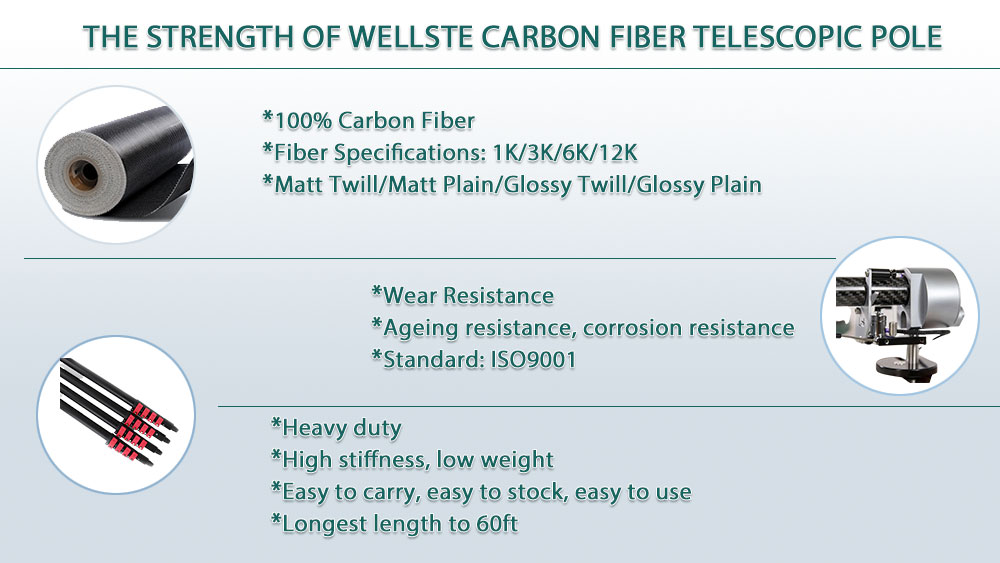
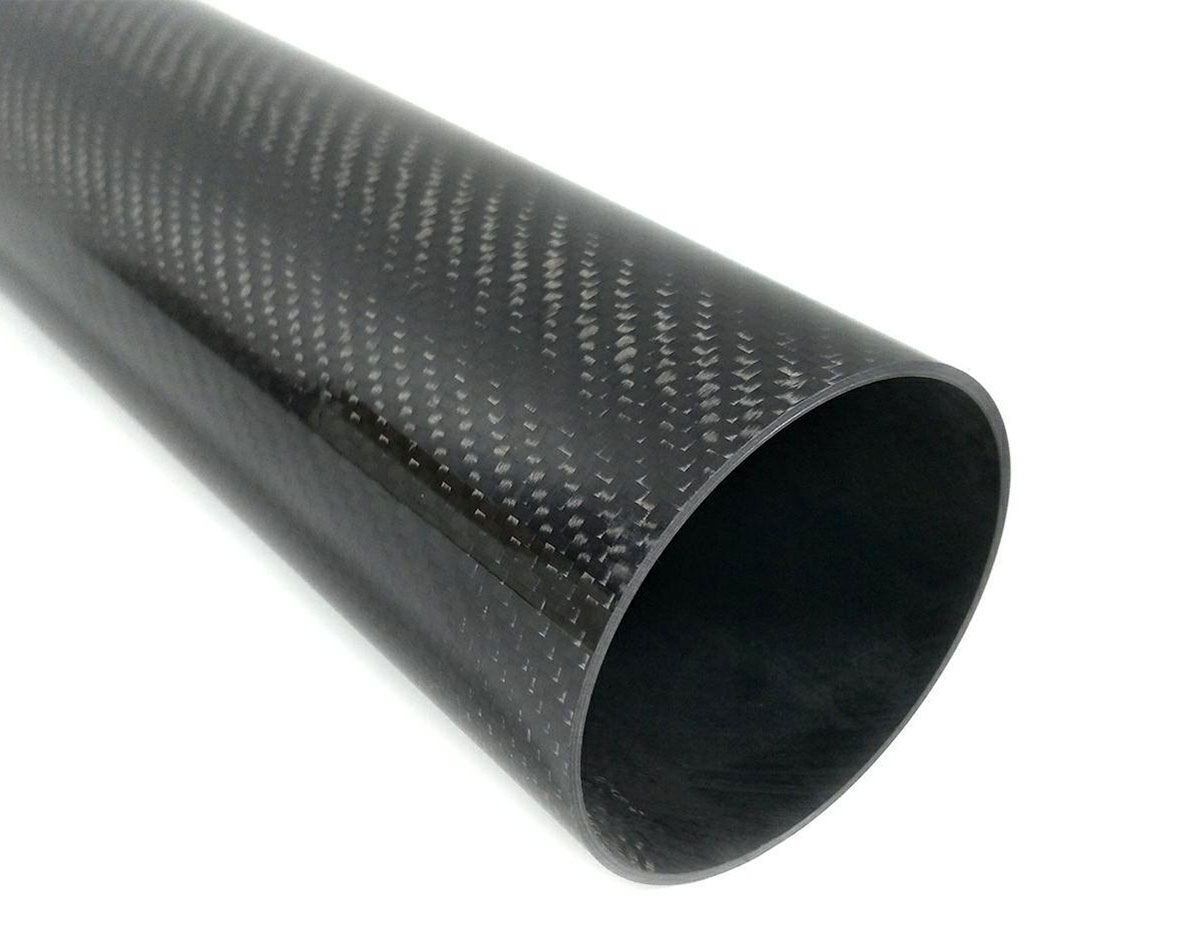
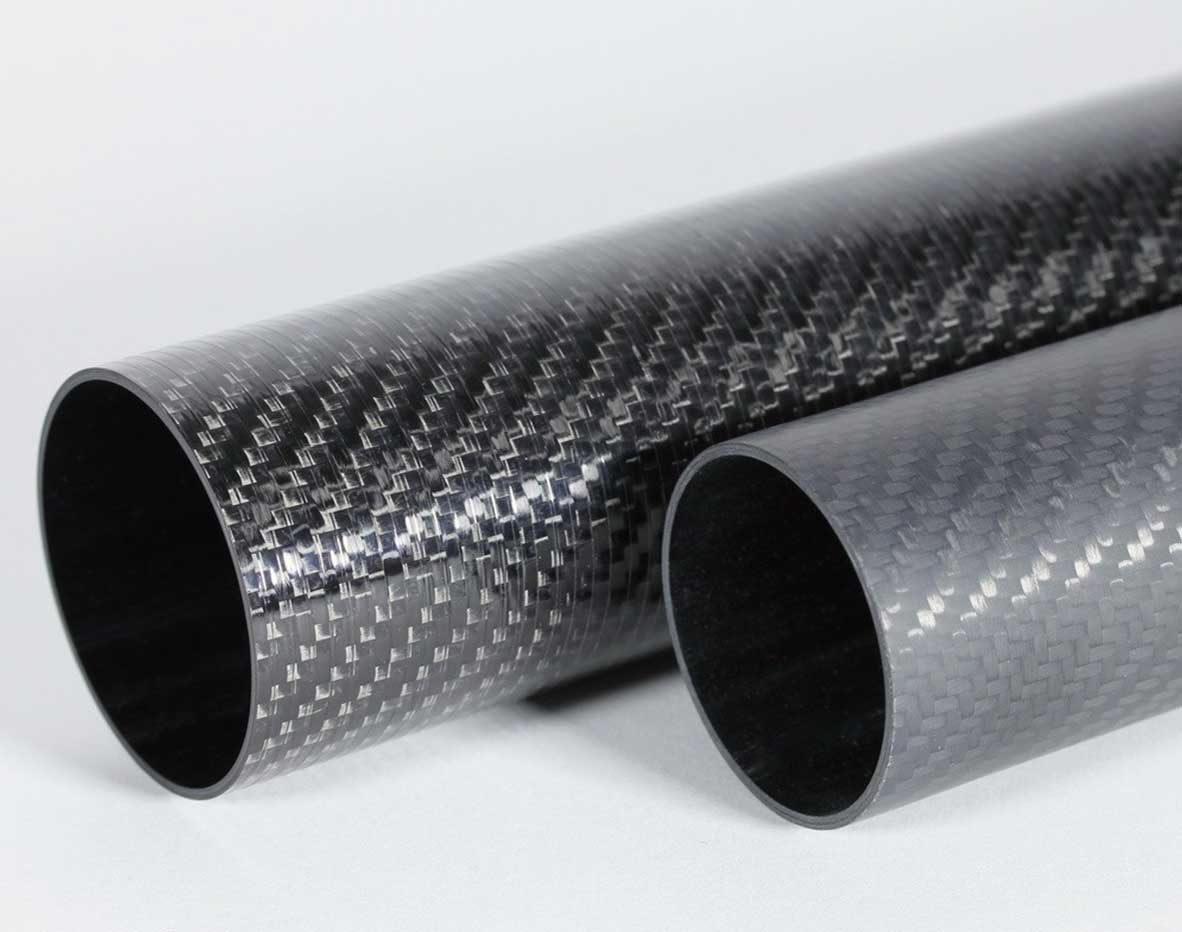
The real magic, though, is in the "carbon fiber." Now, if you’re not a materials science nerd (and let’s be honest, most of us aren’t on a Tuesday morning), you might be wondering what the fuss is about. Carbon fiber is basically a material made of extremely thin strands of carbon atoms woven together. These strands are then bound together with a resin, creating a composite material that is, to put it mildly, incredibly strong and remarkably light. Imagine the strength of steel but weighing a fraction of it. Mind-bending, right?
When you combine these two concepts – the extendable nature of telescoping with the superior properties of carbon fiber – you get a tool that’s strong, stiff, lightweight, and can change its length on demand. It's like having a super-flexible, super-strong chameleon in your toolbox. Or, you know, for holding up a banner at a parade. Whatever floats your boat.
Why Carbon Fiber? Isn't That for Supercars?
You’re right! Carbon fiber is definitely a staple in the world of high-performance vehicles, aircraft, and even F1 racing. And for good reason. It offers an unbeatable strength-to-weight ratio. This means you can make something really, really strong without making it ridiculously heavy. Think about it: would you rather carry an eight-foot pole made of solid steel, or one made of carbon fiber? I’m guessing the latter, unless you’re training for the World’s Strongest Man competition.

But it’s not just about being light. Carbon fiber is also incredibly stiff. This means it resists bending and deforming under load. For applications where precision and stability are key, like holding a camera steady or extending a reach without wobbling, this stiffness is a massive advantage. You’re not going to have your prize-winning photo ruined by a wobbly tripod leg made of this stuff.
And then there’s the corrosion resistance. Unlike metals, carbon fiber doesn’t rust or degrade when exposed to moisture, salt, or chemicals. This makes it fantastic for outdoor applications, marine environments, or anywhere you might encounter less-than-ideal conditions. So, that fancy carbon fiber fishing rod? It's not just for show; it’s built to withstand the elements.
Of course, there’s a catch. And it’s usually the price tag. Carbon fiber isn't cheap. The manufacturing process is complex and energy-intensive. So, while you might see a carbon fiber tube that looks simple, the technology and expertise that went into making it are anything but. It’s a premium material for a reason.
Beyond the Fancy Gadgets: Where Do We Actually See These Tubes?
This is where things get really interesting. Forget the niche applications for a second, because telescoping carbon fiber tubes are popping up in more places than you might think. They’re not just for rich people’s sports cars or the guy at the camping expo anymore.
Let’s start with the obvious ones. Photography and videography are huge. Think about those professional camera booms and jibs. They need to be long enough to get those sweeping cinematic shots, but they also need to be light enough for a crew to set up and move them without a forklift. Telescoping carbon fiber tubes are perfect for this. They extend smoothly, hold their position rigidly, and can be packed away compactly for travel.
Then there’s the world of drones and aerial photography. Many drone arms, especially on larger, professional rigs, are made from carbon fiber for strength and lightness. And when you need to extend the reach of a drone for specific applications, like inspecting tall structures or getting unique aerial perspectives, telescoping carbon fiber poles come into play.
Think about maintenance and inspection. Inspectors who need to check high-up gutters, bridge supports, or wind turbines often use long poles to carry cameras or diagnostic equipment. A telescoping carbon fiber pole is ideal because it can be extended to the required height without needing scaffolding or a cherry picker, and its lightness makes it much easier and safer to handle for extended periods. Imagine trying to maneuver an eight-foot steel pole at a dizzying height – not a fun thought, is it?
Even in sports and recreation, you’ll find them. Beyond fishing rods, think about things like adjustable ski poles, paddleboard paddles, and even certain types of trekking poles. The ability to adjust length on the fly and have something that’s both strong and lightweight is a massive advantage for athletes and outdoor enthusiasts.
And let’s not forget scientific and industrial applications. Researchers might use them for sampling in remote locations, or for deploying sensors. In manufacturing, they can be used in specialized robotic arms or as part of assembly lines where a lightweight, extendable reach is needed. The precision and stability they offer are often crucial in these environments.
The 'Wow' Factor of Simple Engineering
What I find so compelling about these tubes is that they represent a kind of elegant simplicity. On the surface, it’s just tubes sliding inside each other. But when you combine that with a material as advanced as carbon fiber, you get something that’s both incredibly functional and surprisingly beautiful in its engineering. It’s not about flashy displays of technology; it’s about solving problems efficiently and effectively.
It’s the kind of innovation that doesn't scream for attention but quietly makes a big difference. It's the reason why your favourite photographer can get that amazing shot, why that inspector can do their job safely, and why your camping trip might be just a little bit easier. It’s the unsung hero of many a modern marvel.
And it all started with a guy at a camping expo showing off a fancy, extendable rod. Sometimes, the most profound inventions are born from the simplest ideas, executed with the best materials and a good dose of ingenuity. It’s a good reminder that innovation isn’t always about the biggest, loudest, or most complex. Sometimes, it’s about taking something basic and making it extraordinary.
Challenges and the Future of Telescoping Tubes
Of course, it’s not all smooth sailing (or should I say, smooth extending?). As I hinted at, the cost of carbon fiber is a significant barrier for widespread adoption in some areas. While prices are coming down, it’s still a premium material. This means that for everyday, low-cost applications, more traditional materials often win out.
Another challenge can be the joining and locking mechanisms. For a telescoping tube to be truly useful, it needs to hold its extended length securely. Developing reliable, easy-to-use, and durable locking systems that can withstand significant forces without slipping is an ongoing area of research and development. You don't want your camera boom to suddenly decide it wants to be a shorter camera boom mid-shot, do you?
Then there’s the issue of repairability. While carbon fiber is strong, it can be brittle and susceptible to impact damage. Repairing a damaged carbon fiber tube can be more complex than, say, welding a steel pipe. This can impact its lifespan and overall cost-effectiveness in some industries.
However, the future looks bright. Researchers are constantly working on new ways to produce carbon fiber more affordably and with even better properties. We're seeing advancements in manufacturing techniques that make it more accessible. And as the demand for lightweight, strong, and durable materials continues to grow across various sectors, expect to see even more innovative uses for telescoping carbon fiber tubes.
Imagine medical equipment that needs to be precisely positioned and easily maneuverable. Think about disaster relief operations where lightweight, deployable structures are crucial. Or even in consumer electronics, where foldable and extendable designs are becoming increasingly popular. The potential applications are vast and, frankly, a little exciting to contemplate.
A Small Tube, a Big Impact
So, the next time you see something that looks like an extendable pole, or a sleek, lightweight boom, or even a high-tech piece of sporting equipment, take a moment to appreciate the engineering that likely went into it. And if it happens to be made of carbon fiber and can extend and retract, well, you might just be looking at a telescoping carbon fiber tube.
It’s a testament to how clever design and advanced materials can combine to create solutions that are both practical and impressive. It’s a humble yet powerful component that’s quietly making our world a little bit stronger, a little bit lighter, and a whole lot more adaptable. And honestly? That’s a pretty cool thing for a tube to do.