
The Life Cycle Of The Common Octopus Summary

Octopuses! Just the word conjures up images of mysterious, intelligent creatures with eight arms, slinking through the ocean depths. And you know what? Their life cycle is just as fascinating and, dare I say, pretty darn cool. It’s not just for scientists or divers; understanding how these amazing cephalopods grow, reproduce, and eventually say goodbye is a wonderfully accessible peek into the natural world.
So, why should you care about an octopus’s life story? Well, for beginners, it’s a fantastic entry point into marine biology. It’s like learning about a butterfly’s metamorphosis, but with more ink squirting! For families, it's a chance to spark curiosity in kids about ocean life. Imagine the conversations: “Mommy, why does the mama octopus stay with her eggs?” For hobbyists, whether you’re a budding aquarist or just someone who enjoys nature documentaries, grasping this cycle adds a layer of appreciation for these complex beings. It helps explain their behavior, their incredible adaptations, and the challenges they face.
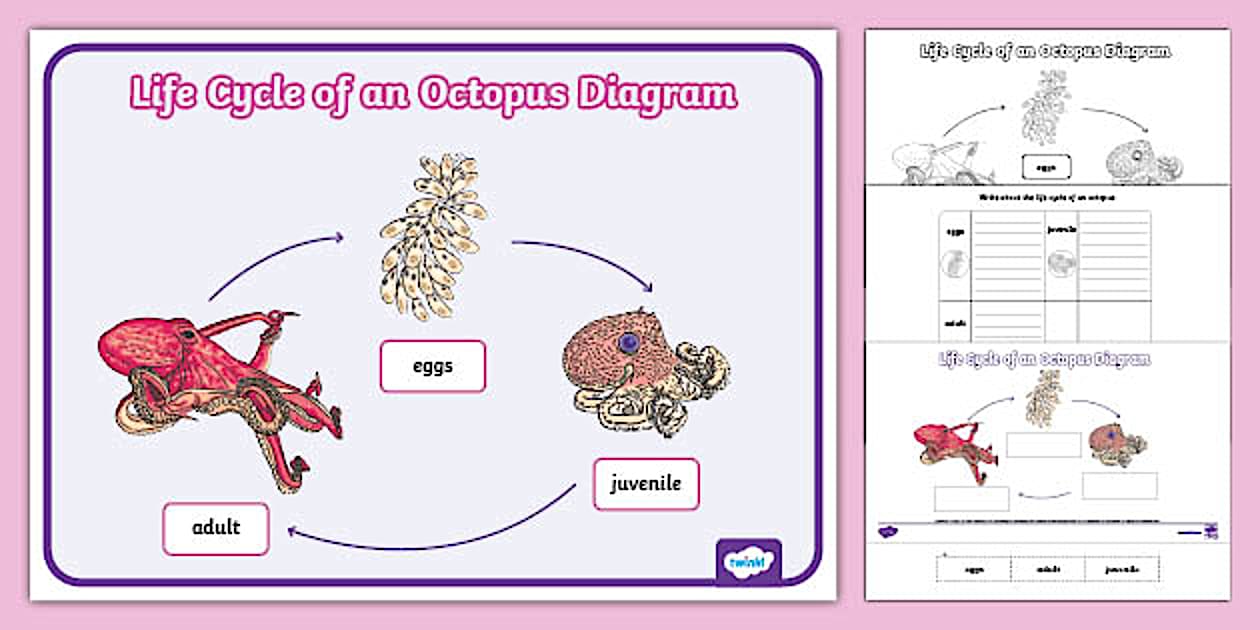
Let's break down the journey. It all starts with a tiny, planktonic larva, barely visible to the naked eye. These little guys drift in the ocean currents, facing all sorts of dangers. If they're lucky enough to survive, they settle down, find a suitable spot, and begin to grow into the familiar, eight-armed wonders we often picture. They’re incredibly clever hunters, masters of disguise, and surprisingly social (though often solitary in their adult lives). The most poignant part, though, comes at the end. Most common octopus species have a programmed life cycle that culminates in reproduction. The males usually die shortly after mating, and the females, after laying and vigilantly guarding their eggs (which can take months!), eventually pass away, their life’s work complete. It's a bittersweet, yet natural, end to a remarkable existence.
There are actually quite a few different species of octopuses, each with its own nuances in their life cycle. The common octopus (Octopus vulgaris) is, well, common, and its story is a great place to start. You might also hear about the giant Pacific octopus, known for its impressive size and lifespan, or even the tiny blue-ringed octopus, which packs a powerful venom.
Getting started with learning about octopuses is super simple. Dive into some documentaries – there are tons of amazing ones available! National Geographic and BBC Earth are always great resources. You can also find plenty of easy-to-read articles and books online or at your local library. If you have a local aquarium, a visit is a fantastic way to see these creatures up close and maybe even learn about their specific lifecycle from the experts.
Understanding the life cycle of the common octopus isn't just about facts and figures; it’s about appreciating the beauty and complexity of life on our planet. It’s a reminder that even the most alien-looking creatures have stories as profound as our own, filled with growth, love, and sacrifice. So next time you see an octopus, remember the incredible journey it’s been on – it’s truly something to marvel at.