
The Statue Of Liberty Is Made Of What Metal

Ever gaze up at that iconic emerald lady, the Statue of Liberty, and wonder what she’s really made of? It’s a question that pops into your head sometimes, isn't it? Maybe you’re catching a ferry, enjoying a picnic with a view, or even just scrolling through your Insta feed and seeing her majestic silhouette. We’ve all been there, pondering the secrets behind that grand dame of New York Harbor. So, let’s dive in, shall we? Grab a comfy seat, maybe with a nice cup of coffee – or perhaps a classic New York bagel? – and let’s unpack the metallic mystery.
Now, here's the kicker: the Statue of Liberty isn't some solid hunk of metal like, say, a massive cast-iron skillet. Nope. She's actually a super-thin, skin-like shell, a bit like a meticulously crafted metal sculpture you might see in a modern art gallery, but on an unbelievably grand scale. And the metal of choice for this grand lady? It's none other than copper. Yep, good old copper, the stuff your old pennies used to be made of (remember those deliciously red Lincoln cents? Sigh.)
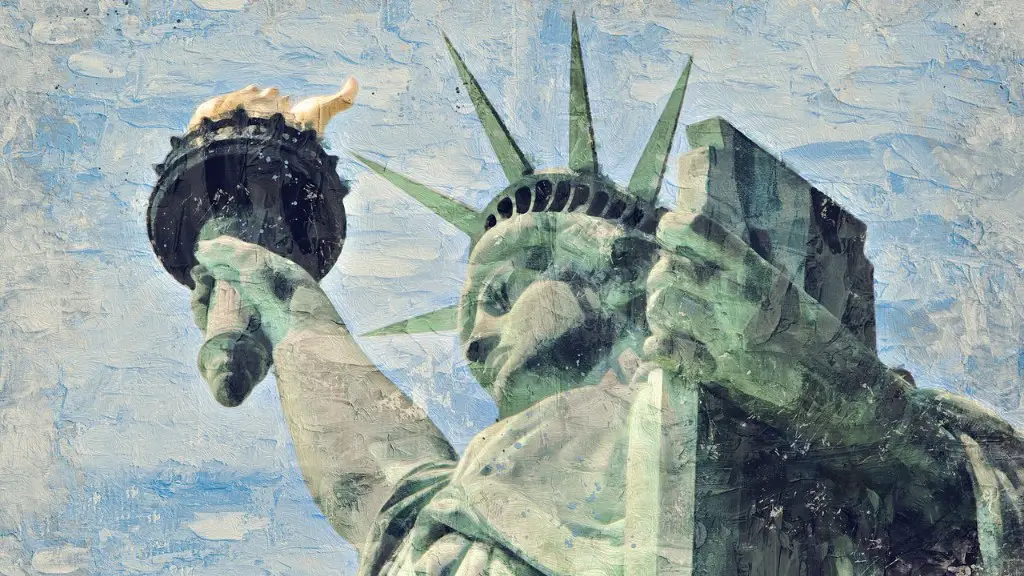
But here’s where it gets really interesting. When she first arrived from France, a gift of friendship, Lady Liberty wasn't that familiar shade of green we all know and love. Oh no. She was a shiny, bright, almost penny-like copper color. Imagine that! A gleaming, metallic statue standing tall, catching the sunlight. It would have been quite a sight, a true marvel of its time.
The Great Green Transformation
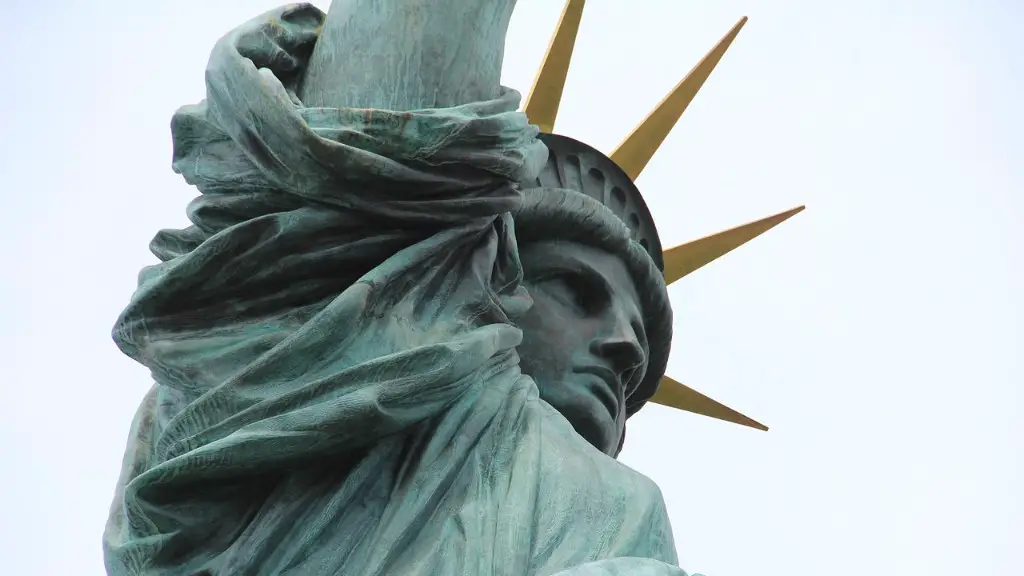
So, how did she go from brilliant copper to that serene, weathered green? It’s all thanks to a natural process called oxidation. Think of it like a very, very slow and very, very large-scale version of what happens to a copper pot that’s been left out in the rain too many times. Over the years, the copper on the statue has reacted with the air, moisture, and other elements in the atmosphere. This reaction created a protective layer, or patina, on the surface.
This patina is primarily made up of copper carbonates and sulfates. It’s not rust, mind you, which is what happens to iron. This copper patina is actually a good thing! It acts like a shield, protecting the underlying copper from further corrosion. It’s the metal’s way of saying, “Okay, I’ve been through a lot, but I’m still standing, and I’m going to protect myself.” Pretty resilient, wouldn't you say?
The color change wasn't instantaneous, of course. It took decades for the full green hue to develop. By the early 1900s, the statue had largely taken on its characteristic verdigris color. It’s a testament to time and the elements, a living monument that evolves before our very eyes, even if we don't notice it day-to-day.

All About That Copper
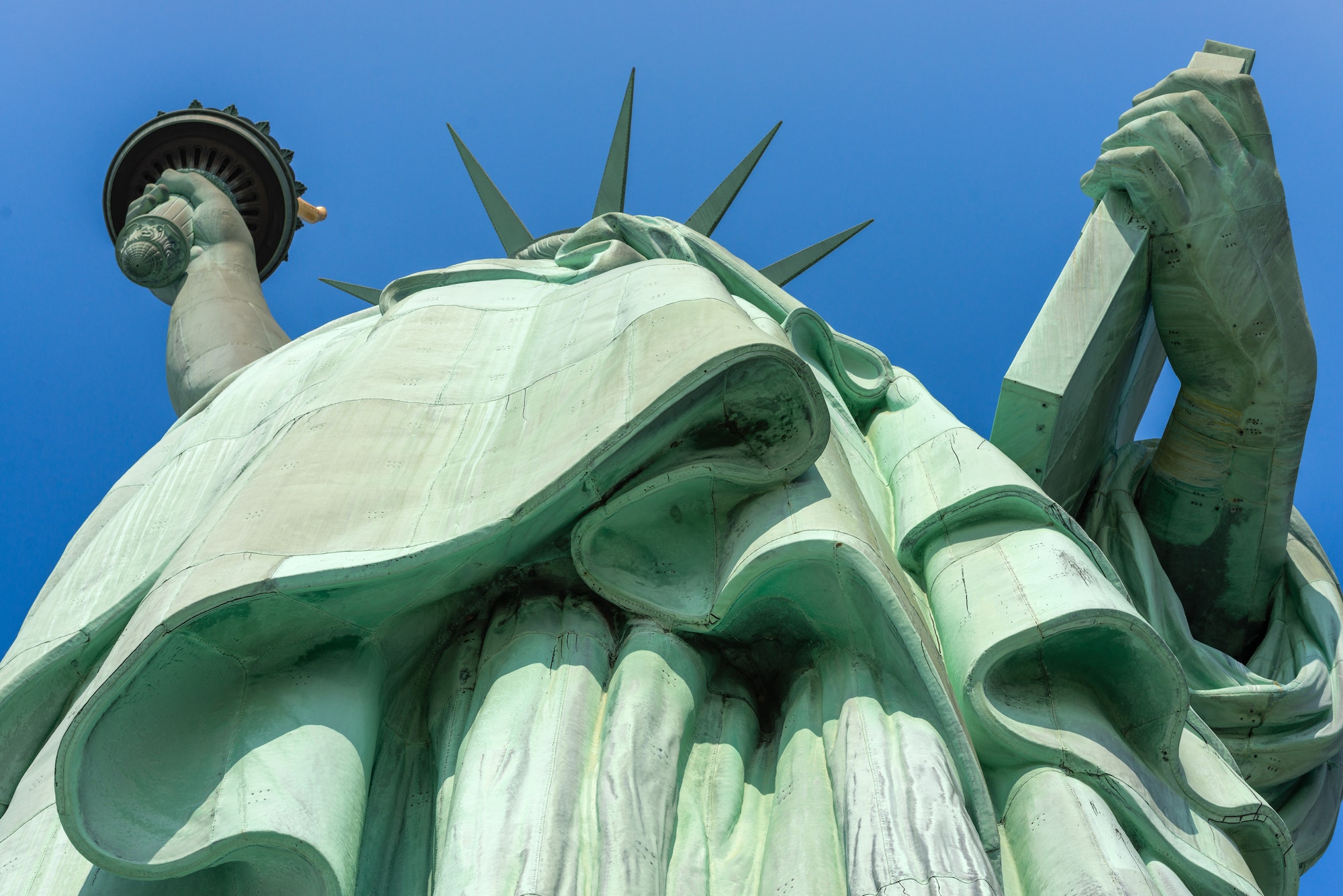
Let’s talk numbers, because they’re pretty mind-boggling. The Statue of Liberty is constructed from approximately 300 sheets of copper. Each sheet is incredibly thin, around the thickness of two pennies stacked together – about 3/32 of an inch! Imagine crafting a colossal statue from pieces of metal this delicate. It’s a feat of engineering and artistry that truly stands the test of time.
These copper sheets are then meticulously hammered into shape by skilled artisans. Think of it like repoussé work, a decorative technique where metal is hammered from the reverse side to create a design in relief. This method allows for intricate details and a sense of depth, even in such a massive structure. It’s no wonder the statue looks so alive and expressive.
The entire copper skin is then attached to a framework of iron. This internal skeleton, designed by none other than Gustave Eiffel (yes, that Eiffel of the Eiffel Tower fame!), provides the statue’s structural support. It’s a brilliant collaboration: the sturdy iron skeleton holding up the flexible, beautiful copper shell. It’s like the perfect outfit and the person wearing it – one provides structure, the other beauty and expression.
A Journey of Friendship and Metal
The story of the Statue of Liberty is as rich as its metallic composition. Conceived by French historian Édouard René de Laboulaye and sculpted by Frédéric Auguste Bartholdi, it was intended to commemorate the centennial of American independence and the alliance between France and the United States. A gift of liberty, quite literally!
The statue was built in France, piece by piece, and then disassembled for its transatlantic voyage. Imagine the logistical nightmare! It was shipped across the Atlantic in over 200 crates, arriving in New York Harbor in 1885. The reassembly process took about four months, and the official dedication ceremony was held on October 28, 1886.
It’s fascinating to think that the very metal that makes up Lady Liberty’s torch and crown, the very substance that forms her benevolent gaze, has weathered over a century of New York storms, salty air, and countless celebrations. It’s a constant reminder of the enduring nature of both the metal and the ideals it represents.
Fun Facts to Impress Your Friends
Want to sprinkle some Lady Liberty trivia into your next conversation? Here are a few gems:
- The statue stands at a staggering 305 feet tall from the base of the pedestal to the tip of the torch. That’s like a 22-story building!
- Her face alone is about 8 feet long – the size of a large car!
- The tablet she holds in her left hand is 7 feet long and 13 feet high. It’s inscribed with the date of American Independence: JULY IV MDCCLXXVI (July 4, 1776).
- Her copper skin weighs approximately 62,000 pounds. That’s a lot of pennies!
- The torch, originally a copper flame, was replaced in the 1980s with a new copper flame covered in 24k gold leaf. Talk about bling! The original torch is now housed in the Statue of Liberty Museum.
These little details paint a picture of the sheer scale and craftsmanship involved. It’s not just a statue; it’s a monumental piece of art and engineering that tells a story of international cooperation and shared values.
Practical Tips for Your Visit (and Beyond!)
Thinking about seeing Lady Liberty up close? Here are a few tips to make your experience smoother:
- Book in Advance: Tickets, especially those that grant access to the crown or pedestal, sell out fast. Plan ahead, especially if you’re visiting during peak tourist season.
- Wear Comfy Shoes: You’ll be doing a lot of walking and climbing, so comfortable footwear is a must.
- Layer Up: The weather in New York Harbor can be unpredictable. Dressing in layers is always a good idea.
- Embrace the Ferry Ride: The ferry itself offers fantastic views. Don’t just focus on the statue; enjoy the journey!
And a little practical tip inspired by the statue itself: think about the longevity of your own belongings. Just as the copper patina protects the statue, a little care can extend the life of your favorite items. For instance, polishing your copper pots regularly can keep them looking their best, or taking good care of your hiking boots will ensure they’re ready for your next adventure.
A Symbol That Endures
So, there you have it. The Statue of Liberty, a beacon of hope and freedom, is primarily made of copper, its iconic green hue a testament to the beautiful, slow dance of nature and metal over time. It’s a reminder that even the most enduring symbols are subject to change, and that change, when natural and protective, can lead to something even more remarkable.
It makes you think, doesn’t it? We’re all a bit like that statue, aren't we? We undergo changes, we’re shaped by our experiences, and we develop our own unique patinas. The everyday wear and tear of life, the challenges we face, they can all contribute to our own personal resilience, our own beautiful transformation. And just like Lady Liberty stands tall, a symbol of so much more, we too can stand tall, embracing our own evolving selves, a little bit wiser and a little bit more ourselves with every passing year.