
Tool For Bending Sheet Metal
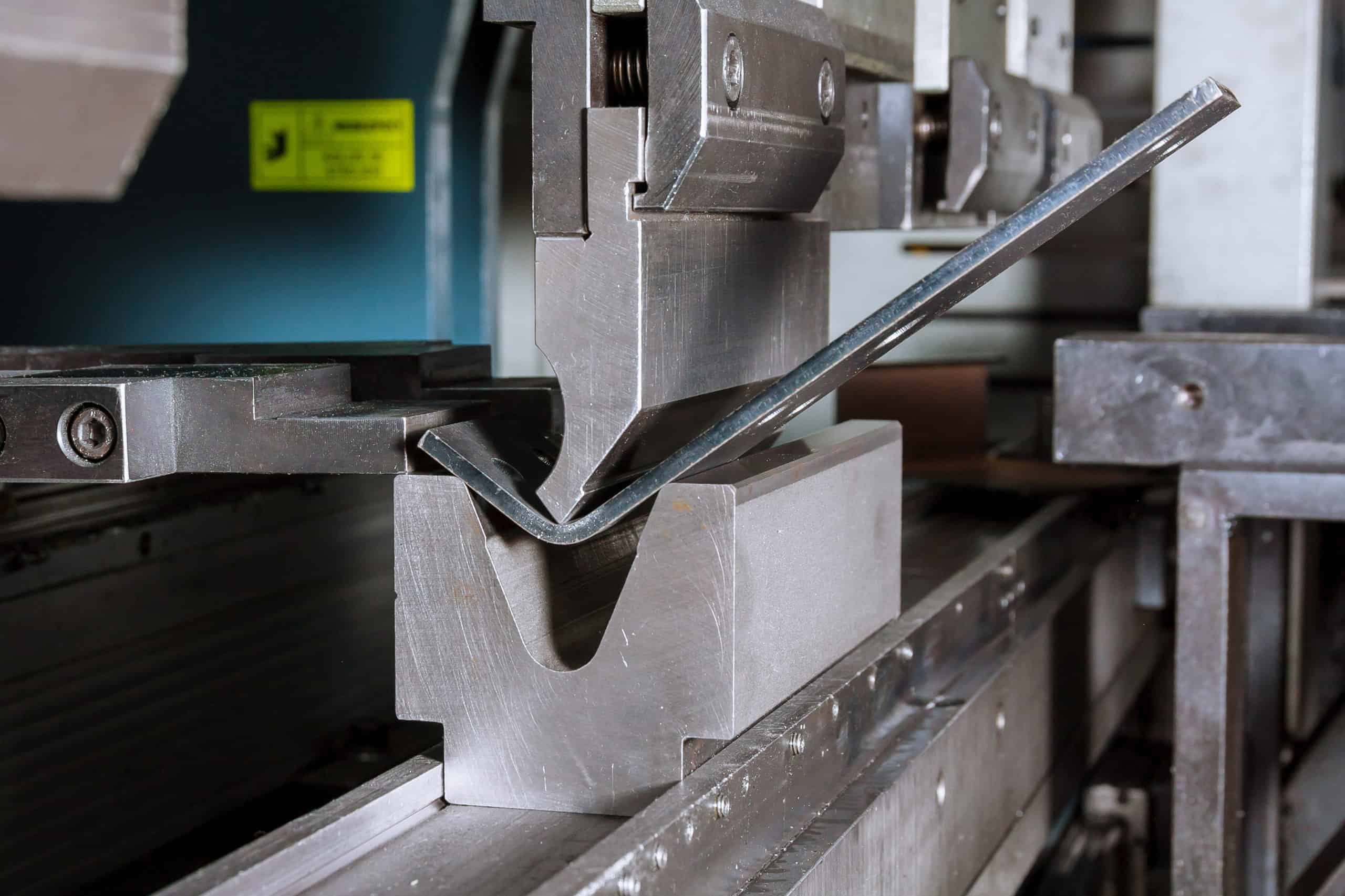
Ever stared at a piece of flat, unyielding sheet metal and thought, "You know, this would look so much better with a curve?" Or maybe you've admired the sleek lines of a custom car, the intricate details of a metal sculpture, or even the surprisingly elegant design of your kitchen appliances, and wondered, "How on earth do they do that?" Well, my friends, a big part of that magic comes down to a deceptively simple yet incredibly powerful tool: the sheet metal bender.
Think of it as the sculptor's chisel for metal. It takes the raw, flat potential and transforms it into something with shape, form, and purpose. Whether you're a seasoned maker dabbling in bespoke projects, a DIY enthusiast dreaming of custom shelving, or just someone who appreciates a well-crafted object, understanding the humble sheet metal bender is like unlocking a secret level in the game of creation.
Now, before you picture industrial-sized behemoths that require a team of burly individuals and a symphony of clanging, let's get real. The world of sheet metal bending tools is wonderfully diverse, offering solutions for every skill level and project size. We're talking everything from compact, benchtop wonders to more substantial machines that can handle thicker gauges and larger sheets. It's not just for the pros anymore; it's for anyone with a creative spark and a willingness to get their hands a little dirty (in the best possible way, of course!).
The Gentle Art of the Bend: What Exactly Are We Talking About?
At its core, a sheet metal bender is designed to apply force to sheet metal, causing it to permanently deform along a specific line, creating a bend. It's not about brute strength alone; it’s about controlled, precise application of pressure. Imagine giving a piece of cardstock a gentle fold – a bender does that, but for metal, with a lot more finesse.
The most common types you'll encounter are:
- Brake Presses: These are the heavy hitters, often found in professional workshops. They use a punch and die system to create precise bends. Think of a giant, hydraulic stamp. They're fantastic for high-volume, intricate work, but probably overkill for bending a few decorative angles for your garage.
- Sheet Metal Brakes (or Pan Brakes): These are more accessible and incredibly versatile. They typically consist of a bending finger or apron that lifts and presses the metal against a stationary die. This is where much of the DIY magic happens. You can get manual versions that are surprisingly effective, and even powered ones for effortless operation.
- Box and Pan Brakes: A subset of sheet metal brakes, these are designed to create complex shapes, including boxes and pans, by allowing for multiple bends in a single setup. If you've ever admired the neat corners of a metal toolbox, you've likely seen the work of a box and pan brake.
- Roll Benders: These use a series of rollers to create smooth, continuous curves. Perfect for achieving those lovely, flowing arcs you see in railings, sculptures, or even the chassis of a classic car. They don't create sharp, defined angles like a brake press, but rather a graceful sweep.
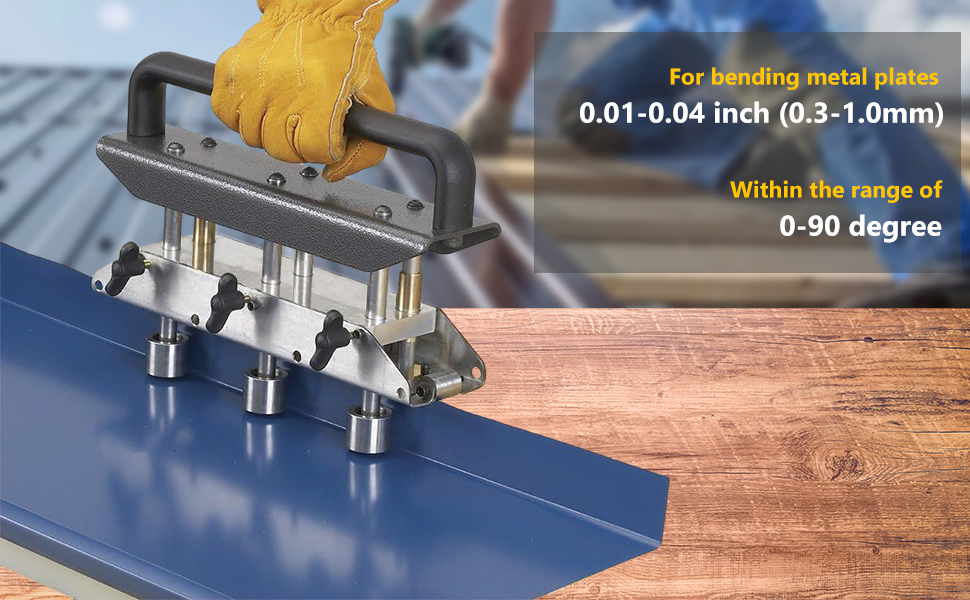
- Benchtop Benders: As the name suggests, these are compact and designed to sit on your workbench. They're excellent for smaller projects, lighter gauge metal, and for hobbyists who don't have a dedicated workshop space. They often use a simple lever system to create bends.
Each type has its own strengths, and the "best" one really depends on what you're trying to achieve. For most home projects, a good quality manual sheet metal brake or a sturdy benchtop bender will be your best friend.
The Joy of the Bend: Why Bother?
Beyond the purely functional – creating brackets, supports, or enclosures – there's an undeniable aesthetic appeal to bent metal. It’s about taking something flat and giving it dimension. It’s about precision. It’s about making something uniquely yours.
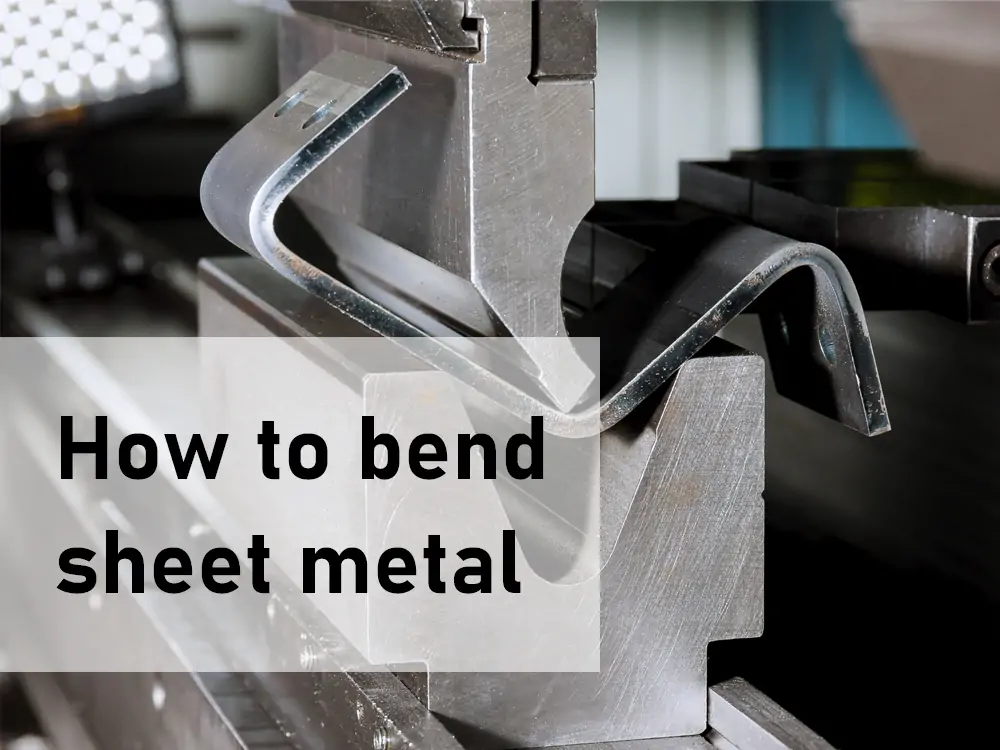
Think about the iconic designs of mid-century modern furniture. Those sleek metal legs, the gracefully curved lampshades – a lot of that was achieved through skilled metal manipulation. Or consider the art of kintsugi, the Japanese art of repairing broken pottery with lacquer dusted or mixed with powdered gold, silver, or platinum. While not metal bending, it speaks to the philosophy of embracing imperfections and celebrating the transformation of something broken into something beautiful. Sheet metal bending, in its own way, is about transforming a flat surface into something with character and narrative.
And let's not forget the sheer satisfaction of making something with your own hands. In a world increasingly dominated by mass production and disposable goods, there's a quiet rebellion in creating something durable, functional, and beautiful that will last. It’s a way to connect with a craft tradition that has been around for centuries, a testament to human ingenuity and skill. From ancient armorers to modern artisans, the art of shaping metal has always held a certain allure.
Practical Tips for Your Bending Adventures
Alright, you’re convinced. You’ve eyed that piece of sheet metal and you're ready to give it some personality. What do you need to know to get started without, well, bending yourself into a pretzel or turning your metal into a crumpled mess?
Choosing Your Tool: The Right Fit for Your Project
This is the crucial first step. Ask yourself:
- What is the thickness of the metal? Thicker metal requires more force and a more robust bender.
- What is the size of the sheet? Larger sheets might need longer bending brakes.
- What kind of bends do you need? Sharp, defined angles, or gentle, sweeping curves?
- What is your budget? Prices can range from surprisingly affordable to quite an investment.
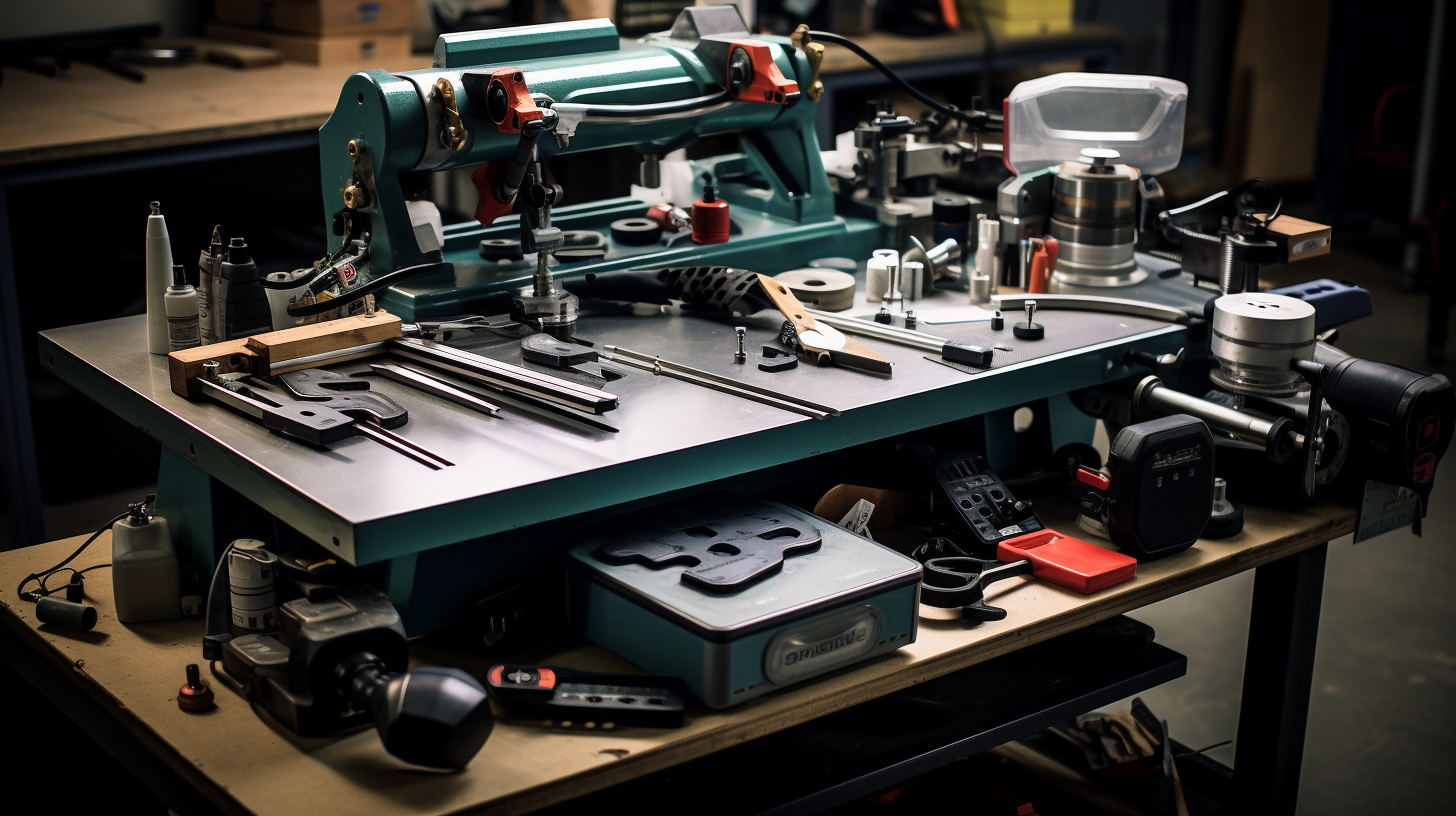
For beginners, a good quality benchtop bender or a small, manual sheet metal brake is often the perfect starting point. They’re less intimidating and allow you to learn the fundamentals without a huge financial commitment.
Material Matters: Understanding Your Metal
Not all sheet metal is created equal. Steel is strong and durable, but can be harder to bend. Aluminum is lighter and easier to bend, making it a great choice for beginners. Stainless steel offers corrosion resistance and a sleek look, but is also tougher to work with. Always check the specifications of your metal – its gauge (thickness) and its tensile strength will dictate how easily it bends and what tools you'll need.
A fun fact: Did you know that aluminum was once more valuable than gold? It’s true! Its difficulty in extraction made it a precious commodity. Now, it’s a staple for creators everywhere.
The Bend Radius: The Secret to Smoothness
This is where the magic of a good bend lies. The bend radius refers to the radius of the inner curve created by the bend. A tight radius (a sharp bend) can stress the metal and even cause it to crack, especially with thicker materials. A larger radius creates a smoother, more elegant curve and puts less stress on the metal.
Your bender, or the die set you use, will often influence the bend radius. Always aim for the largest practical radius for your project to avoid damaging the material and to achieve a stronger, more aesthetically pleasing result. It's a bit like a gentle handshake versus a firm grip – the former is usually more effective and less likely to cause damage.
Safety First, Always!
Metal can be sharp, and bending it involves force. So, let's talk safety:

- Wear safety glasses! Metal shavings and errant pieces are no joke.
- Gloves are a must. Protect your hands from sharp edges and potential pinches.
- Secure your workpiece. Make sure your bender is firmly mounted to a stable surface, and that the metal is held securely during the bending process.
- Understand your tool. Read the manufacturer's instructions. Don't force the tool beyond its capabilities.
Think of safety gear as your personal shield, allowing you to focus on the creative fun without any unwelcome surprises.
Practice Makes Perfect
Your first bend might not be perfect. And that's perfectly okay! Grab some scrap pieces of metal and get a feel for your bender. Experiment with different angles and pressures. You'll quickly learn how much force is needed for a clean bend and how to control the bend radius.
It's a bit like learning to ride a bike. A few wobbly starts, a scraped knee perhaps, but soon you're cruising with confidence. The tactile feedback you get from the metal and the tool is invaluable. You'll start to anticipate how it will react, almost like a conversation between you, the metal, and the bender.
Beyond the Workbench: Cultural Whispers and Creative Sparks
The art of shaping metal has been a cornerstone of human civilization for millennia. From the intricate metalwork found in ancient Egyptian tombs to the magnificent wrought iron gates of European palaces, metal bending has always been about both utility and artistry. It’s a craft that speaks of strength, durability, and the ability to transform raw materials into objects of beauty and function.
Consider the iconic designs of car manufacturers like Porsche or Ferrari. The sweeping lines, the aggressive angles – a significant portion of that automotive sex appeal is achieved through incredibly precise sheet metal bending. It’s a fusion of engineering prowess and aesthetic vision, where the bender plays a starring role in creating those aerodynamic curves and powerful stances.
Even in the culinary world, you'll find the influence of bent metal. Think of a perfectly formed baking pan, a sturdy whisk, or the elegant curvature of a professional chef's knife. While not always achieved with a dedicated "sheet metal bender" in the workshop sense, the principles of controlled deformation are very much at play.
And then there’s the world of art. Sculptors use bending techniques to create everything from minimalist abstract pieces to grand, figurative works. A simple sheet of metal, bent with intention, can evoke a sense of movement, tension, or serenity. It’s a testament to the versatility and expressive potential of this seemingly simple process.
A Reflection on the Bend in Our Own Lives
It’s funny, isn’t it? We spend so much of our lives trying to stay rigid, to resist change, to maintain a fixed form. We’re often praised for being "strong" and "unwavering." But if we look at the natural world, or at the most enduring works of art and engineering, we see that flexibility and adaptability are often the true hallmarks of strength and longevity.
The sheet metal bender, in its quiet way, reminds us of this. It teaches us that sometimes, the most beautiful and functional outcomes come from a willingness to yield, to embrace a curve, to adapt to a new shape. It’s about finding the sweet spot between resistance and acceptance, where controlled force can lead to something entirely new and improved.
So, the next time you see a beautifully bent piece of metal, whether it's on a car, in a building, or adorning a piece of art, take a moment to appreciate the humble tool that made it possible. And perhaps, just perhaps, consider how you might be able to introduce a little more elegant bending into your own life – not just in metal, but in how you approach challenges, relationships, and the ever-changing landscape of your own journey.