
Tools Of The Trade Stainless Steel Cookware

Alright, gather ‘round, you culinary adventurers and kitchen novices alike! Let’s talk about the unsung heroes of our stovetops, the shiny, steely warriors of the kitchen battlefield: stainless steel cookware. Forget those flimsy, scratched-up pans that cling to your food like a desperate ex. We’re diving deep into the wonderful, albeit sometimes slightly bewildering, world of stainless steel.
You see, for years, I was a bit of a cookware snob. I’d eye those fancy copper pots and dream of non-stick surfaces that promised effortless flipping of pancakes. But then, one day, in a moment of sheer desperation (read: I burned everything I touched), I stumbled upon a set of stainless steel pots and pans. And let me tell you, it was like discovering the secret handshake to the culinary elite. Suddenly, my scrambled eggs weren't glued to the pan, and my stir-fries had that satisfying sizzle. It was a revelation, people!
The Shiny Truth: Why Stainless Steel Reigns Supreme (Mostly)
So, what's the big deal with stainless steel? Well, it’s basically the superhero of cookware. It’s tough, it’s durable, and it’s very resistant to rust and stains. Think of it as the rugged adventurer of your kitchen drawer – it can handle a bit of abuse and still look good doing it. Unlike your ex’s cheap promises, stainless steel sticks around. For. Ever. Probably.
But here’s where things get a little technical, so try to keep up, or at least pretend to. Stainless steel isn't just one thing. It’s a blend, a medley, a culinary concoction of iron, chromium, and nickel. The chromium is the real MVP here. It forms this invisible, protective oxide layer on the surface that stops your pan from getting all mucky and developing those unsightly splotches. It’s like a tiny, invisible knight in shining armor, guarding your pan from the forces of… well, burnt food and dish soap.
Now, the type of stainless steel matters. You’ll often hear about “18/8” or “18/10” stainless steel. What does this culinary code mean? It’s not a secret agent number, though sometimes it feels like it. It refers to the percentages of chromium and nickel. So, 18/8 means 18% chromium and 8% nickel. Higher nickel content generally means a shinier, more corrosion-resistant pan. Think of it as the difference between a reliable, sturdy pickup truck and a slightly more glamorous, albeit still functional, sports car. Both get the job done, but one might have a bit more bling.
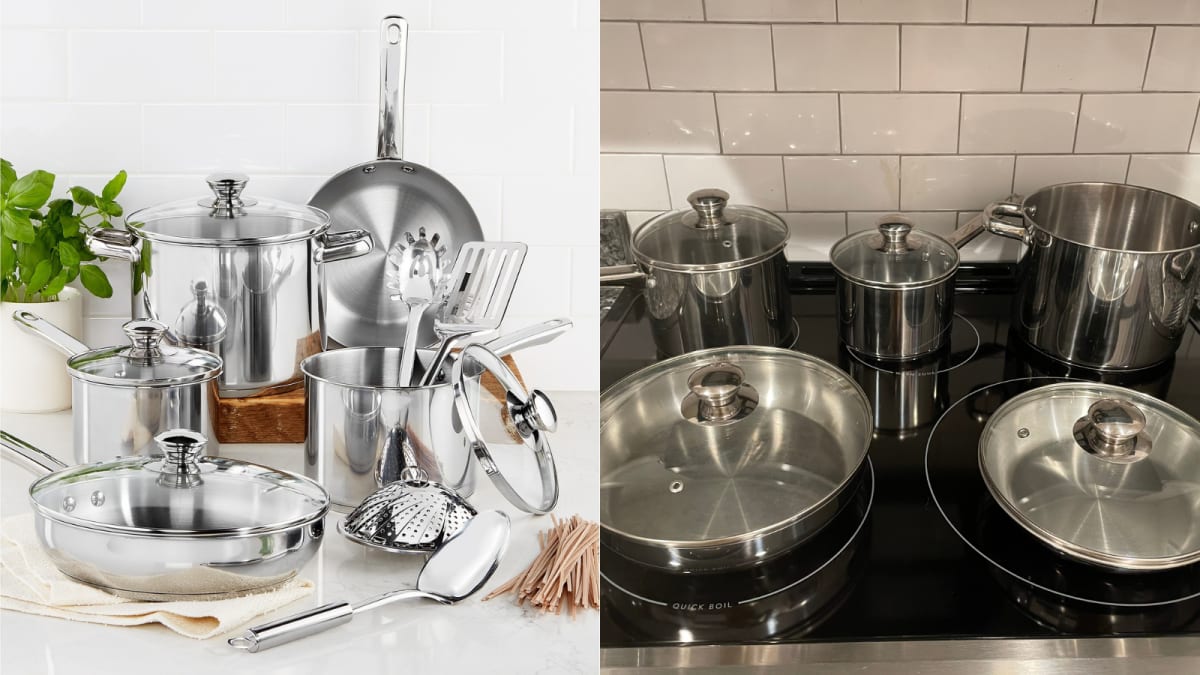
The Core of the Matter: Heat Distribution and You
Here’s where the magic really happens, or at least where you start to understand why your onions are perfectly golden instead of burnt on one side and pale on the other. Many stainless steel pans, especially the good ones, have a core. This isn't just some random filler; it's the secret sauce to even heating. We’re talking about layers of other metals sandwiched within the stainless steel. The most common, and arguably the best for even cooking, is aluminum.
Why aluminum, you ask? Because aluminum is an absolute champion at conducting heat. It’s like the Usain Bolt of heat transfer. When you put a pan with an aluminum core on the stove, that heat zips around the pan like a caffeinated hummingbird, ensuring that your food cooks evenly. No more hot spots that scorch your delicate scallops while the rest of the pan is still chilly. This is crucial, folks. This is what separates the amateur from the… well, the slightly less amateur. It’s the difference between a culinary disaster and a dinner party triumph.

Sometimes, you’ll find pans with a copper core. Copper is also a fantastic heat conductor, even better than aluminum in some ways, and it looks incredibly fancy. However, it can be pricier and might require a bit more upkeep. Think of it as the artisanal, hand-crafted cheese of the cookware world – exquisite, but maybe not for every day.
The Good, The Bad, and The Slightly Sticky
Now, let’s be honest. Stainless steel isn’t perfect. Nothing in life is, except maybe the pure joy of finding a forgotten bag of chips in your cupboard. The biggest quibble people have is that food can sometimes stick. And, oh boy, can it stick. It can cling with the tenacity of a toddler refusing to leave the playground. This is where technique comes in, my friends.
Preheating is your best friend. I cannot stress this enough. Get that pan nice and warm before you add your oil. And then, let the oil get hot before you add your food. This creates a barrier, a slippery little dance floor for your ingredients. It’s like giving your food a little heads-up: “Hey, we’re about to get cooking, so be ready to glide!”
Another trick? Don’t overcrowd the pan. Seriously. Give your food some breathing room. When you cram too much in, the pan cools down, and everything starts to steam instead of sear. Then, you get that dreaded sticking. It’s like trying to have a calm conversation in a crowded elevator – nobody’s comfortable.
And then there’s the cleaning. While stainless steel is dishwasher-safe (hallelujah!), sometimes stubborn bits need a little extra love. A good scrub with a non-abrasive sponge and some baking soda can work wonders. For really tough, burnt-on messes, you might need a dedicated stainless steel cleaner, or a bit of elbow grease. But generally, it’s pretty forgiving. It’s the friend who will forgive you for that awkward joke you made at the party. Mostly.
The Surprising Upsides: Beyond Just Cooking
Here’s a fun fact for you: stainless steel cookware is also incredibly hygienic. Because it’s so non-porous, it doesn’t harbor bacteria like some other materials might. So, your sautéed mushrooms are less likely to have a secret society of germs living in them. It’s like having a built-in germaphobe for your kitchen!
And let’s not forget its incredible longevity. A good set of stainless steel cookware can last you a lifetime. Imagine, passing down your beloved sauté pan to your grandchildren! It’s like a culinary heirloom, a tangible piece of your cooking legacy. Though, let’s be honest, your grandchildren might just want your phone number to order takeout.
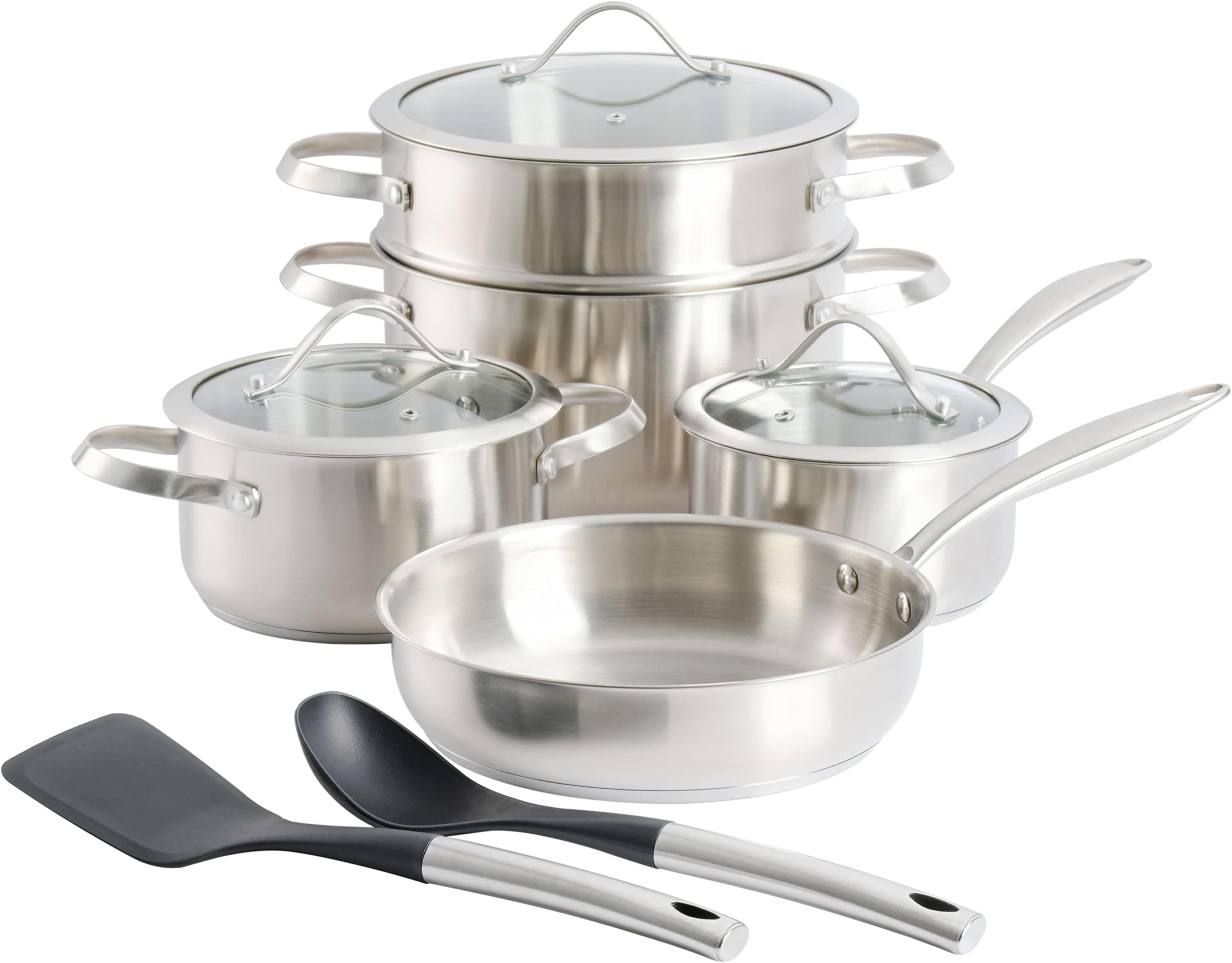
So, there you have it. Stainless steel cookware. It might not be the flashiest kid on the block, and it might require a little bit of finesse, but it’s a reliable, hardworking, and ultimately rewarding choice for any kitchen. It’s the workhorse, the dependable friend, the quiet achiever. And who knows, with a little practice and a dash of confidence, you might just find yourself flipping those pancakes like a pro. Just remember to preheat!