
Tools That Cut Through Metal
Ever looked at a sturdy metal fence, a shiny new car, or even your trusty kitchen pots and pans and wondered, "How on earth do they make these things?" It all starts with the magic of cutting. And when it comes to metal, this isn't your grandma's dull butter knife. We're talking about tools that can slice, dice, and reshape the hardest stuff with surprising ease. It’s like giving everyday metal a haircut, but with way more sparks and impressive noises!
Think about your favorite metal gadget. Maybe it's a sleek bicycle, a powerful blender, or even the intricate parts of your phone. None of that would be possible without the unsung heroes of the metalworking world: the cutters. These aren't just mindless machines; they are the sculptors of our modern world, turning raw metal into the things we use and love every single day.
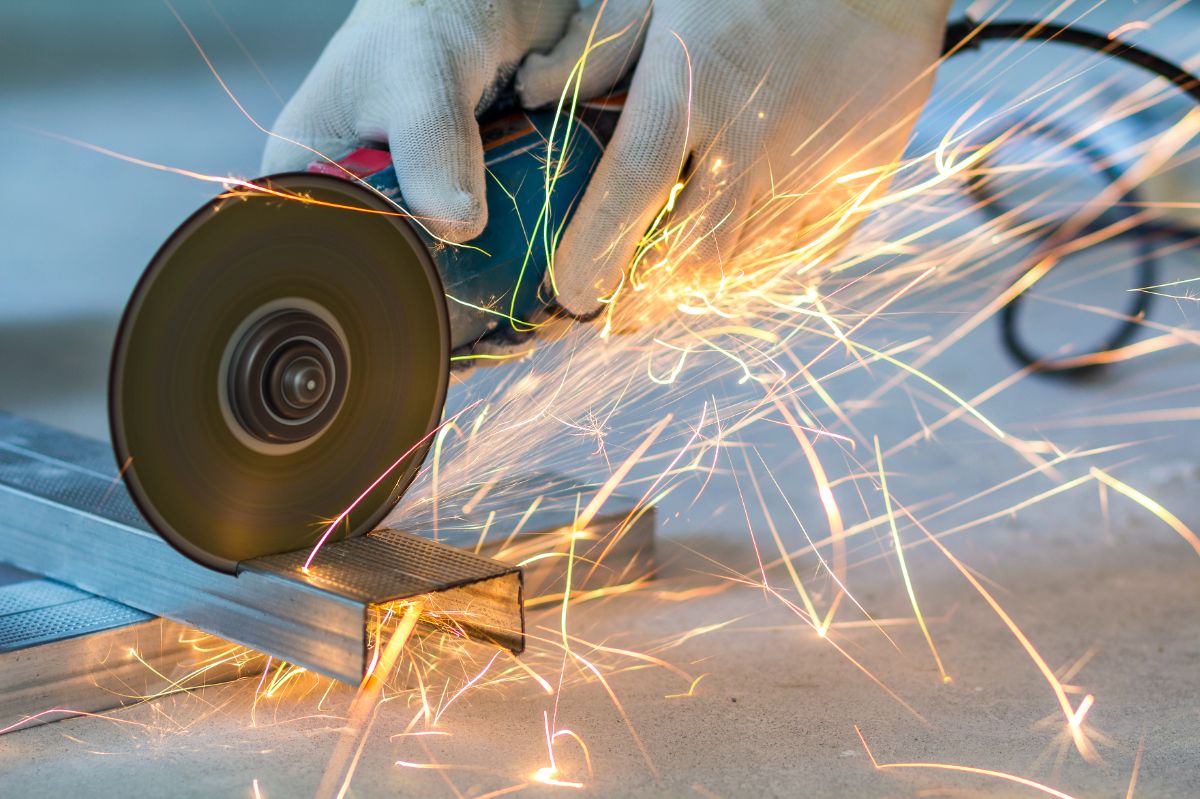
Let’s start with something you might have seen in your uncle’s garage or even on a construction site: the angle grinder. This little powerhouse looks a bit like a futuristic drill, and when you switch it on, it means business. It spins a disc at ridiculously high speeds, and with a bit of guidance, it can zip through metal like a hot knife through butter. Imagine a very angry, very determined squirrel with a tiny, spinning saw – that’s kind of the vibe.
The sound of an angle grinder is something else. It’s a high-pitched whine that gets your attention, and sometimes, if you’re not careful, it can make you jump! But for those who know how to wield it, it’s a tool of incredible precision. Think of metal artists creating stunning sculptures, or mechanics fixing a stubborn exhaust pipe. They’re all using this mighty tool to bring their visions to life.
Then there are the plasma cutters. These are the fancy dancers of the metal-cutting world. Instead of a spinning disc, they use a super-hot stream of ionized gas – plasma, to be precise – to melt through metal. It's like a mini lightning bolt that you can point and control! The result is an incredibly clean cut, with very little mess. It’s almost artistic how it glides through the material.
Plasma cutters are often used for more intricate jobs. Imagine cutting out detailed shapes for a sign or creating delicate patterns in a metal screen. These tools are the artists’ brushes, allowing for a level of detail that would be impossible with more brute-force methods. The way the plasma sizzles and dances as it cuts is mesmerizing, a true spectacle of engineering.
And what about the big, industrial jobs? For those, we have laser cutters. These are the brainy ones. They use focused beams of light, lasers, to precisely melt or vaporize metal. They are incredibly accurate, capable of cutting out incredibly complex designs with mind-boggling precision. Think of it as a super-smart, super-precise scalpel for metal.
Laser cutters are the silent assassins of metal cutting. While other tools make a lot of noise and fuss, lasers work with a quiet hum and a dazzling beam of light. They can cut through the thinnest foil or the thickest steel plates with equal finesse. It's a testament to how far technology has come, allowing us to manipulate materials with such incredible control.
Of course, we can’t forget the classic: the hacksaw. While it might seem old-fashioned compared to the high-tech wonders, the humble hacksaw is a workhorse. It’s the reliable friend who’s always there when you need to cut through a pipe or a bolt. It requires a bit of elbow grease, but there’s a real satisfaction in the rhythmic sawing motion, feeling the metal slowly give way.

There’s something heartwarming about the hacksaw. It’s the tool your grandfather might have used, a direct link to generations of DIY enthusiasts. It’s not as flashy, but it gets the job done. The effort you put in is directly rewarded, a satisfying connection between you and the material you’re shaping. It’s a good old-fashioned test of strength and patience.
Then there are the more specialized tools, like nibblers. These little gadgets chew through sheet metal, making small, overlapping cuts to create a surprisingly clean edge. Imagine a tiny metal-eating monster diligently working its way through the material. It's not the most elegant process, but it's incredibly effective for certain types of work.
Nibblers are fantastic for shaping thin metal, creating openings, or trimming edges. They have a unique, almost rhythmic sound as they punch through the metal. It’s a sound that signifies progress, a steady dismantling of the material to create something new. They are the detail-oriented workers of the metal-cutting family.
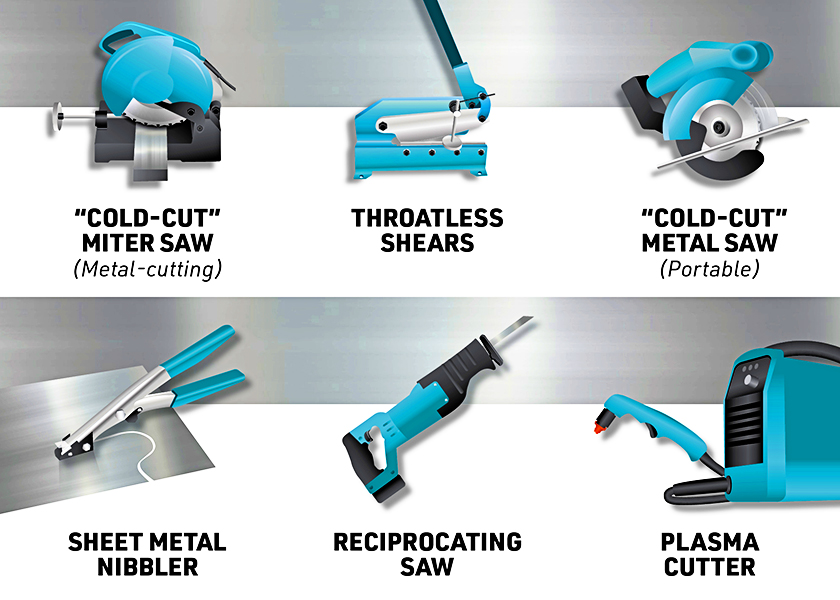
And let’s not overlook the mighty metal shear. Whether it's a hand-held version for smaller jobs or a massive industrial machine, shears work by using two blades to cut through metal, much like scissors cut paper. It’s a direct, forceful method that’s perfect for quickly slicing through straight lines or removing large sections of material.
The satisfying 'crunch' of metal shears is music to the ears of anyone working with sheet metal. It’s a clean, decisive cut that leaves little room for error. These tools are the backbone of many manufacturing processes, quickly and efficiently shaping metal to meet specific needs. They are the no-nonsense cutters, getting straight to the point.
Even in the world of everyday objects, cutting metal is essential. Think about the cans that hold your soup or beans. Those are often cut with incredibly precise machinery. Or the car body panels that are stamped and cut to form the sleek shapes we see on the road. It’s a constant ballet of metal being shaped and transformed.

So next time you admire a piece of metalwork, from a delicate piece of jewelry to a towering skyscraper, remember the incredible tools that made it possible. These cutters, in all their varied forms, are not just machines; they are extensions of human ingenuity, allowing us to bend and shape the world around us. They are the unsung heroes of our material lives.
It’s fascinating to think about the sheer power and precision involved. These tools transform something as unyielding as metal into the very fabric of our modern existence. They are the secret ingredient in so many of the things we take for granted. From the smallest screw to the largest bridge, metal cutting is a fundamental art.
And the best part? These tools continue to evolve. New technologies are always emerging, making metal cutting faster, more precise, and more efficient than ever before. It’s a field that’s constantly innovating, pushing the boundaries of what’s possible. It's a testament to human curiosity and our drive to create.
So, whether it's a DIY project at home or a massive industrial operation, the tools that cut through metal are truly remarkable. They are the silent sculptors, the precise surgeons, and the powerful shapers of our world. They are, in their own noisy and sometimes dazzling way, quite beautiful. And they make our lives, quite literally, a lot more substantial.