
Truss Tube Telescope Design
Ever looked up at the night sky, peppered with countless stars, and felt that little itch of curiosity? Like, "What's really going on out there?" If so, you've probably thought about telescopes. And when you think telescopes, what image pops into your head? For many of us, it's that classic, elegant tube shape, right? But have you ever stopped to wonder how those amazing devices are put together? Today, we're going to peek behind the curtain and talk about a really cool way to build them: the truss tube telescope. Think of it as the minimalist cousin in the telescope family, and it’s honestly pretty fascinating.
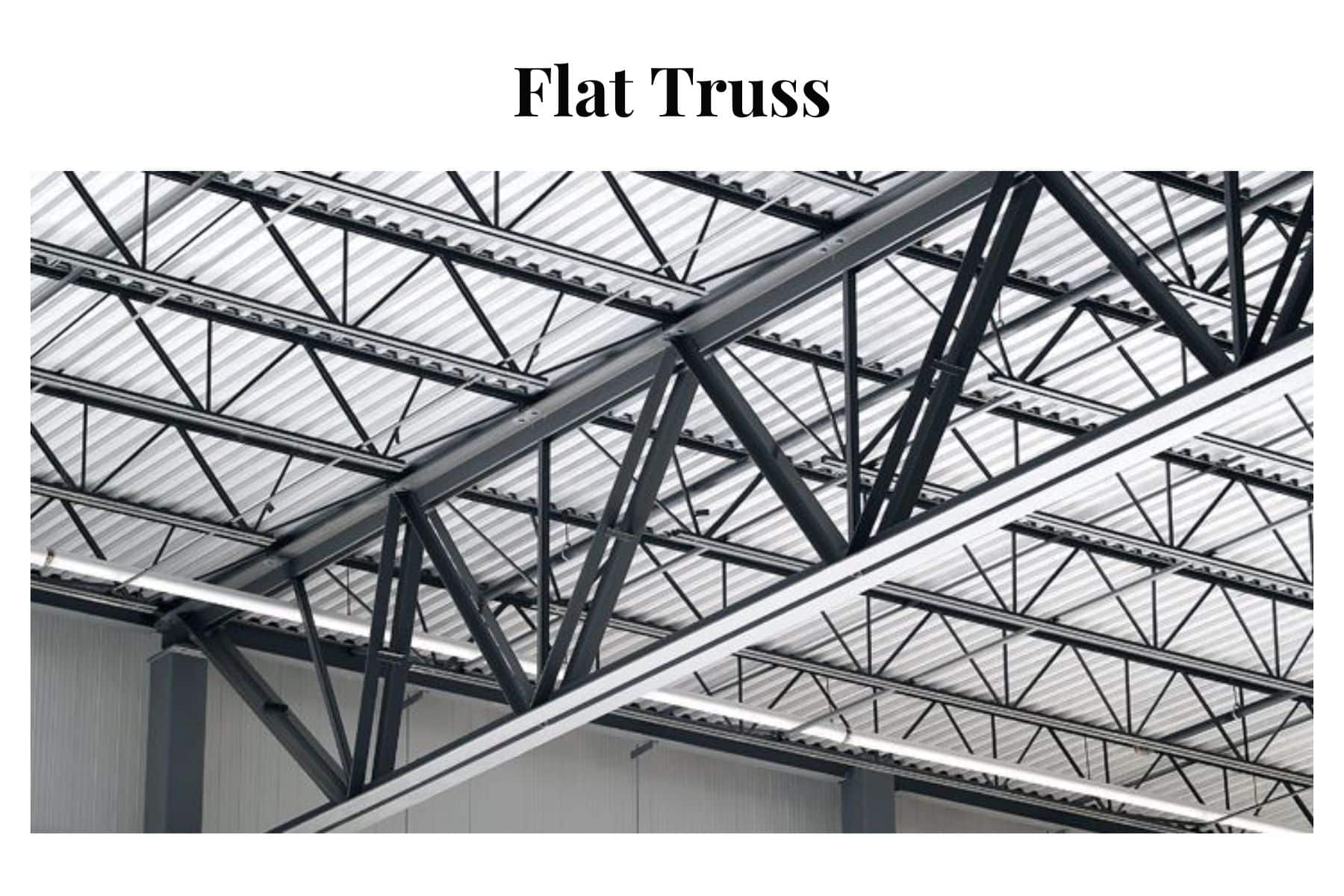
So, what exactly is a truss tube telescope? Imagine your regular, solid tube telescope. It’s like a sturdy, all-in-one package. Now, picture that tube being replaced by a bunch of strong, skinny poles – like a skeleton! These poles are called trusses, and they connect the front of the telescope (where the light comes in) to the back (where you look or where the camera sits). It’s a bit like the difference between a solid wall and a nicely built fence. Both keep things in place, but one is way more open and airy, right?
Why would anyone ditch the solid tube for this more… open design? Well, for starters, size matters! As telescopes get bigger, those solid tubes become ridiculously heavy and unwieldy. Trying to move a massive, solid tube telescope around your backyard or even take it to a dark-sky site can feel like wrestling an octopus. A truss tube design, on the other hand, is usually built in sections. This means it’s much lighter and easier to transport. You can practically break it down and pack it up like a fancy camping setup. Pretty neat, huh?
Think of it this way: a solid tube telescope is like a big, solid piece of furniture. It's beautiful, but moving it is a workout. A truss tube telescope is more like that awesome modular bookshelf you can assemble and disassemble. It does the same job, but it’s way more practical when you need to move it or store it.
Beyond just being lighter, there's another huge advantage: better airflow. On a clear night, the air around your telescope can be different temperatures. If you have a solid tube, the air inside can get a bit stagnant. This "tube currents" can actually distort the images you’re trying to see. It’s like trying to look through a wobbly windowpane. But with a truss tube, there are no solid walls to trap that air. The air can flow freely all around the optical components. This means the air inside the telescope can reach the same temperature as the air outside much faster. What does that translate to? Sharper, clearer views of those distant galaxies and nebulae.
Imagine your telescope is a bakery. In a solid tube, the air inside might get a bit stuffy and warm, messing with your delicate pastries (the starlight). In a truss tube, it's like an open-air market – fresh air circulates everywhere, keeping everything cool and crisp. Much better for producing perfect celestial treats, right?
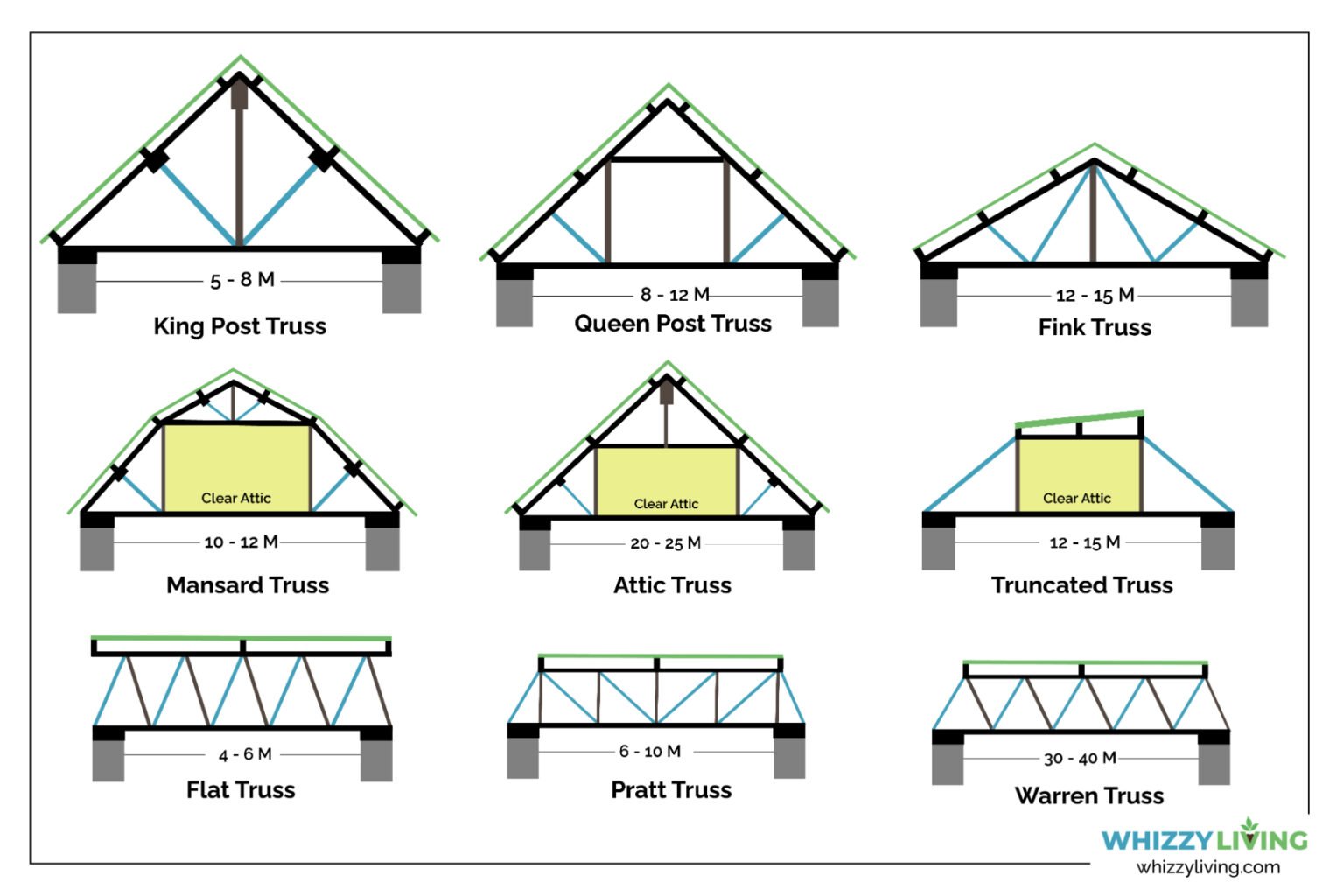
And let's talk about stability. You might think all those poles would make it wobbly, but good truss tube designs are incredibly rigid. They use clever engineering and strong materials to create a structure that's both light and incredibly stable. This is crucial for any telescope, but especially for larger ones where even a tiny bit of vibration can blur out all the details. The way the trusses are arranged creates a strong, interconnected network, like the intricate support system of a suspension bridge. It’s designed to hold its shape under stress, just like that bridge needs to withstand wind and traffic.
Plus, there’s a certain aesthetic to them, don’t you think? They look a bit futuristic, a bit industrial, and frankly, they have a certain elegance in their simplicity. They’re not trying to hide anything; they’re showing you how the magic happens. It’s like the difference between a sleek, modern art piece and a traditional, ornate sculpture. Both can be beautiful, but the truss tube has a raw, functional beauty to it.
Historically, solid tube telescopes were the norm for a long time. But as amateur astronomers started wanting bigger and better views, the limitations of solid tubes became more apparent. The need for portability and better thermal performance pushed the development of designs like the truss tube. It's a great example of how practical challenges can lead to really innovative solutions.
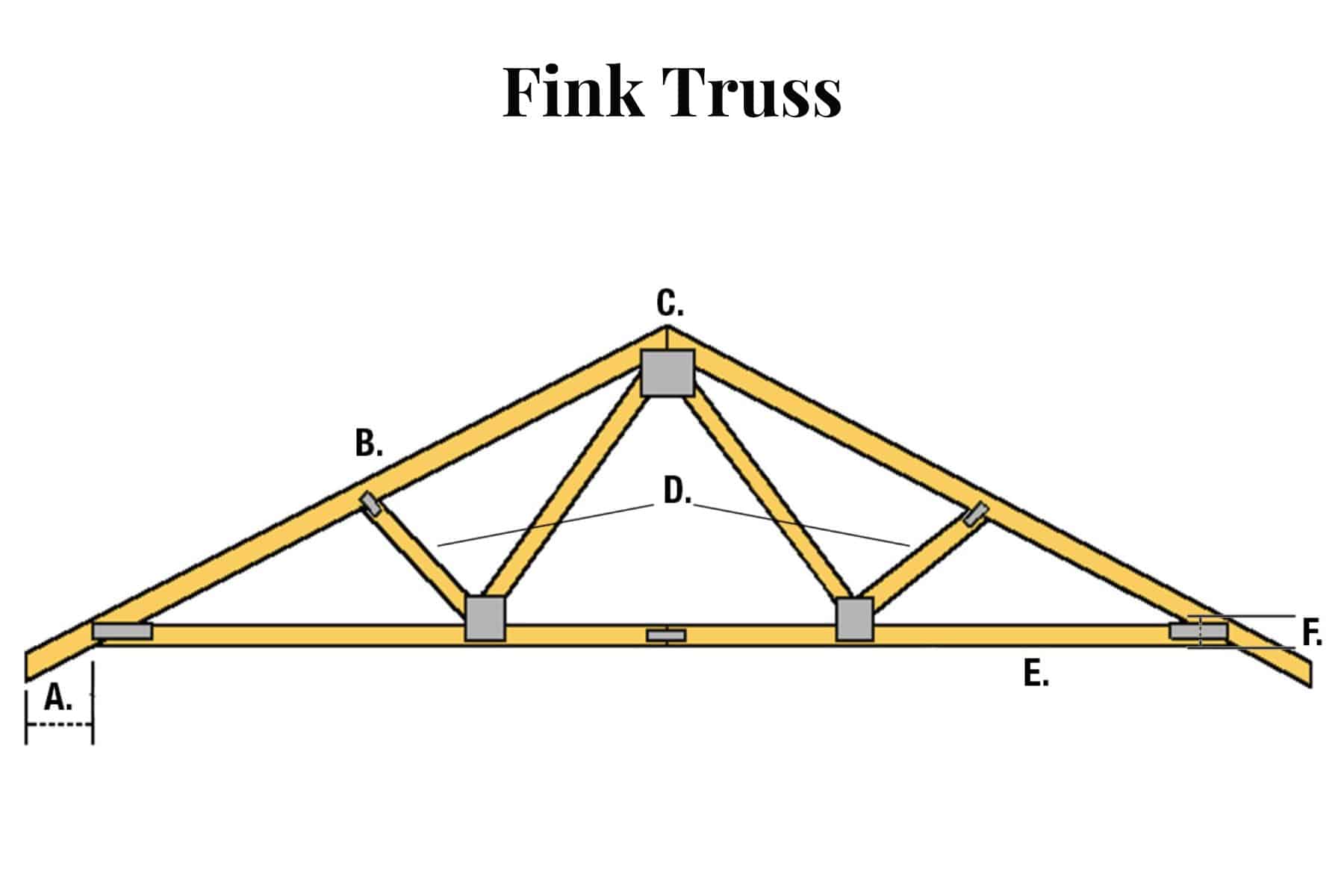
The main challenge with truss tube designs is often the secondary mirror support. In a solid tube, the secondary mirror is usually held by a spider that attaches to the tube walls. With a truss tube, you need a way to hold that secondary mirror precisely in place while still allowing for that open airflow. This is where some clever engineering comes in. Usually, there’s a central hub at the front of the telescope that holds the secondary mirror assembly. This hub is connected to the main tube structure by the trusses. It’s like the mast of a sailboat, holding the sails (the light) perfectly positioned.
So, next time you see a picture of a really big telescope, or if you’re lucky enough to see one in person, take a closer look. If it looks like it’s made of a network of poles and has a more open, airy feel to it, chances are you’re looking at a truss tube telescope. And remember, it's not just a different way of building; it’s a design that prioritizes performance, portability, and frankly, a pretty cool look for exploring the universe.
It’s a testament to how we keep finding better ways to reach for the stars, proving that sometimes, taking things apart and building them back up in a more streamlined way can lead to some truly breathtaking results. Who knew a bunch of sticks could be so instrumental in looking at the cosmos?