
Tube Amplifier Vs Solid State
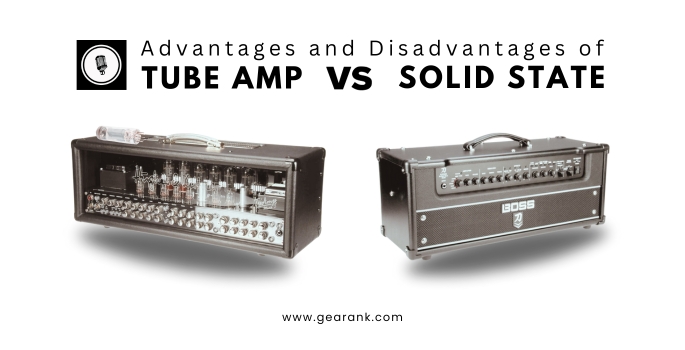
Imagine your favorite music. Now, imagine it’s being played through a time machine, or maybe a really, really fancy, super-powered calculator. That’s sort of the vibe when we talk about tube amplifiers versus solid-state amplifiers.
It sounds technical, right? Like something you’d only discuss in a dimly lit room with a lot of knobs. But trust me, it’s got a story, a little bit of sass, and even a dash of unexpected sweetness.
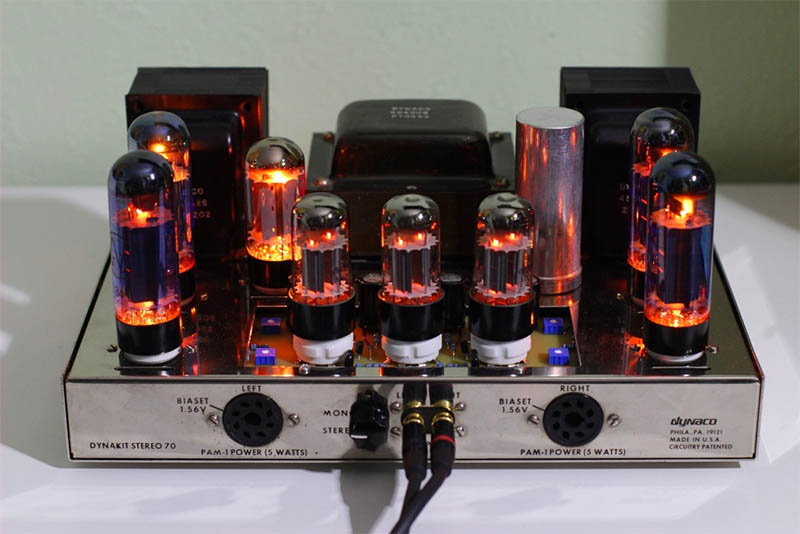
Let’s start with the old-school charmer: the tube amplifier. Think of it as the wise, vintage grandparent of the amplifier world. It’s got these glowing, fragile things inside called tubes, like little light bulbs that get warm and fuzzy.
These tubes are the heart and soul of the tube amp. They heat up, they glow, and when the music hits them, something magical happens. It’s like they’re breathing life into the sound.
Many musicians swear by the tube amp’s sound. They talk about a certain warmth, a richness, a creamy sweetness that’s hard to describe. It’s not just loud; it’s alive.
When you push a tube amp hard, it doesn’t just get distorted. It starts to ‘sing.’ It’s a natural, pleasing kind of fuzz that makes guitars sound bluesy and soulful. Think of those classic rock solos that just make your hair stand on end.
It’s like they have a personality. They can be a bit temperamental, needing a warm-up period before they’re ready to perform. And, of course, those precious tubes can break, requiring a bit of TLC.
But oh, when they’re happy, they’re very happy. They have a way of making everything sound a bit more rounded, a bit more human. It’s a sound that’s been around for decades for a good reason.
Now, let’s meet the sleek, modern sibling: the solid-state amplifier. This one is the energetic, no-nonsense kid on the block. It uses fancy transistors instead of glowing tubes.
Think of it as the super-efficient, reliable athlete. It’s built to be robust, to be consistent, and to deliver a powerful punch without fuss. No delicate glass parts here!

Solid-state amps are often more affordable and a lot less fragile. You can throw them in the back of a van (though we don’t recommend it!) and they’ll likely be fine. They’re built for the road, built for the gig.
They tend to be very clean and accurate. If you play a note, that’s exactly the note you get, no embellishments, no fuzzy edges. It’s a precise sound, very defined.
For certain styles of music, like super-fast metal or intricate electronic music, this clarity can be exactly what you need. Every note needs to be sharp and distinct. The solid-state amp delivers that with gusto.
But here’s where the fun really begins: the debate! It’s a friendly rivalry, like Coke vs. Pepsi, or cats vs. dogs. People have passionate opinions.
You’ll find seasoned guitarists who would never touch anything but a tube amp. They’ll talk about the ‘feel,’ the way the sound responds to their playing.
The Warm Embrace of Tubes
The tube amp, with its glowing filaments, has a way of making the sound feel more ‘organic.’ It’s like it’s alive, breathing with the music. When the signal hits the tubes, it gets compressed and harmonically rich in a way that many find incredibly pleasing.
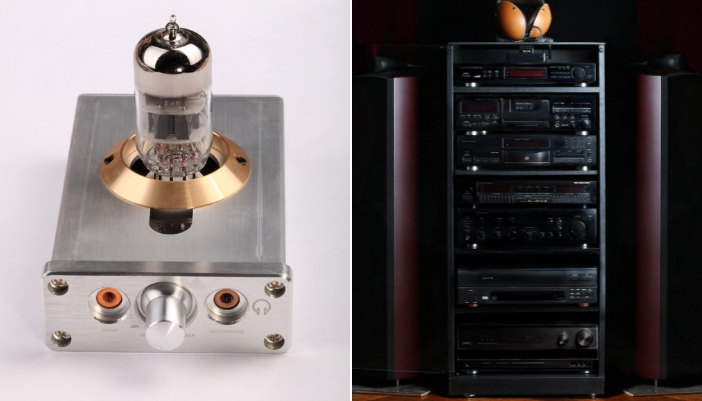
This is often described as ‘warmth.’ It’s a sensation, not just a sound. It’s like wrapping yourself in a cozy blanket on a cold day, but for your ears.
When a tube amp starts to distort, it’s a beautiful thing. It’s not a harsh, crackly buzz. It’s a smooth, creamy overdrive that makes guitars sound thick and powerful.
This is the sound that defined so much of classic rock, blues, and jazz. Think of the rich, singing tone of a vintage Les Paul or a Fender Stratocaster played through a classic Fender or Marshall amp.
The downside? Tubes are fragile. They can blow, and they need to be replaced. They also require a bit of warm-up time, and they can get quite hot!
The Precision of Solid State
Solid-state amps, on the other hand, are built with transistors. These are like tiny electronic switches that don’t glow. They’re incredibly reliable and consistent.
The sound from a solid-state amp is typically very clean and accurate. If you play a clean note, that’s exactly what you get, with no added color or character from the amplifier itself.
This precision can be amazing for styles of music that require extreme clarity, like shred guitar solos with lots of fast runs or complex digital synthesizers. Every note needs to be heard perfectly.
Solid-state amps are also usually much lighter and more portable than their tube-powered cousins. They’re less prone to damage and often require less maintenance.
The distortion from a solid-state amp can sometimes be perceived as harsher or more ‘digital.’ It’s a different flavor of overdrive than what you get from tubes, and some musicians find it less pleasing.
The Heartwarming Connection
But here’s the funny part. It’s not really about which one is ‘better.’ It’s about what makes your heart sing, or your guitar wail, or your synth shimmer.
Think of a grandpa who still tells the same jokes but you love him anyway because of the stories behind them. That’s a tube amp. It’s got history, it’s got character, and it’s got a warmth that’s hard to replicate.
Then think of your tech-savvy younger cousin who can build a computer blindfolded. That’s a solid-state amp. It’s efficient, it’s powerful, and it does its job perfectly, every time.

Some of the most amazing music in the world has been made with both. Jimi Hendrix, for crying out loud, famously cranked his tube amps until they were on the verge of explosion. But countless other artists have achieved legendary tones with solid-state gear.
It's like choosing your favorite flavor of ice cream. Some people love the rich, creamy, slightly sweet flavor of vanilla, while others prefer the sharp, refreshing taste of a sorbet. Both are delicious; they just offer different experiences.
The surprise is that often, the engineers who design these amps are just as passionate about both. They’re not trying to make one ‘win.’ They’re trying to capture a certain feeling, a certain sound.
And isn’t that the heartwarming part? It’s all about the music, about the emotion it evokes. Whether it’s the soulful cry of a distorted guitar from a tube amp or the crystal-clear precision of a synth line from a solid-state amp, the goal is the same: to move us.
So, the next time you hear about tube amps vs. solid-state amps, don’t get lost in the jargon. Just remember the wise old grandparent and the energetic younger sibling. They both have their own special magic to bring to the party.
And ultimately, the best amplifier is the one that makes you want to turn up the volume and lose yourself in the music. It’s not about the tubes or the transistors; it’s about the joy they help create.
It's a beautiful, sometimes quirky, journey of sound. And we get to listen along.