
Tube In Shell Heat Exchanger
Hey there, science curious friends! Ever think about how we keep our drinks cold? Or how that awesome shower gets so steamy? It’s all thanks to some unsung heroes of the engineering world. And today, we're diving headfirst into one of the coolest – and yes, actually very hot – contraptions out there: the tube-in-shell heat exchanger.
Sounds a bit… industrial, right? Like something your grumpy uncle who collects spare parts would rave about. But trust me, this thing is way more fascinating than it sounds. It’s like the ultimate handshake between two different worlds of temperature. Think of it as a really polite, super-efficient way for hot stuff to give some warmth to cold stuff, or vice versa, without ever actually touching.
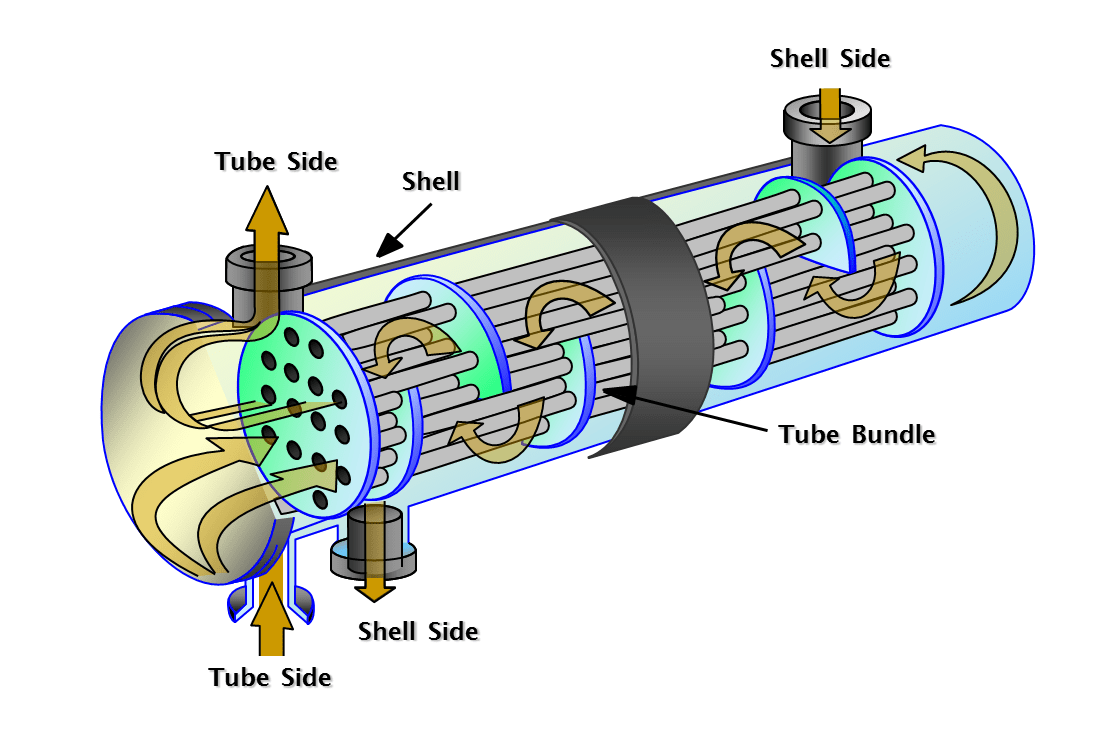
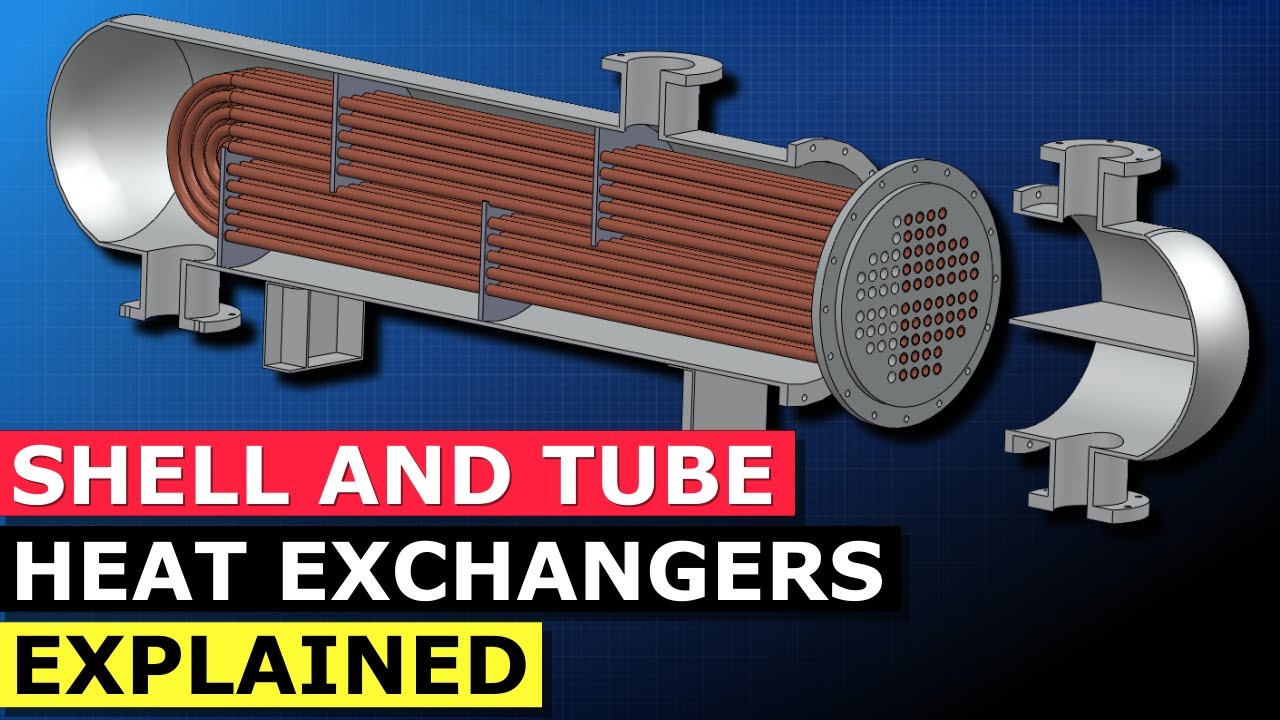
So, what is this magical box of pipes? Imagine a big, sturdy barrel, right? That’s your shell. Now, inside that barrel, you’ve got a whole bunch of smaller pipes, like a bundle of straws. These are your tubes. And BAM! You’ve got a basic tube-in-shell heat exchanger.
The genius part? You make one fluid – let’s say hot water from your boiler – slither through all those little tubes. Then, you fill the big barrel (the shell) with another fluid – like cold water from a river. The hot water in the tubes gets its chill on, and the cold water in the shell gets a nice warm hug. They’re sharing their temperature secrets, but never sharing a personal space.
It’s like a dating app for fluids, but instead of swiping right, they’re just… transferring energy. No awkward small talk, no fighting over the remote. Just pure, unadulterated thermal matchmaking. Pretty neat, huh?
The Magic of Not Touching
Seriously, this is the core superpower. We’re talking about heat transfer here, folks. The ability to move warmth from one place to another. And the tube-in-shell design is just chef’s kiss at doing this.
Why is not touching so important? Well, imagine trying to heat up your soup by sticking a boiling hot potato directly into it. Messy! And what if the fluids are, you know, completely incompatible? Like oil and water trying to share a hot tub? Not a good look.
The tubes act as a barrier. A really thin, usually metal barrier, but a barrier nonetheless. This means you can have the most aggressive, gunk-filled, corrosive stuff zipping through the tubes, and your pristine, delicate fluid can be chilling in the shell, totally safe and sound.
It’s the engineering equivalent of saying, “I can help you get warmer, but let’s keep things professional.” And in the world of industry, that’s a big deal.
Where Do You Find These Thermal Ninjas?
You might be thinking, “Okay, cool concept. But where do I actually see this thing?” Oh, my friends, you see them everywhere. You just don’t realize you’re looking at them.
/2.02 - high pressure shell %26 tube heat exchanger (compact header) foto 08.jpg)
That big, clunky thing on the side of a power plant? Heat exchanger. That humming box that keeps your fridge frosty? It’s got a cousin. That steamy, wonderful shower you love so much? Yep, chances are a heat exchanger is involved in warming up that water.
They’re in chemical plants, making sure reactions happen at just the right temperature. They’re in oil refineries, doing… well, very hot and oily things. They’re in your car’s air conditioning system, making sure you don’t melt on a summer road trip. They’re basically the unsung heroes of modern comfort and industry.
Think about it. Without these guys, our world would be a much less comfortable, and a lot more… lukewarm place. And who wants that?
The Quirky Details That Make Them Fun
Alright, let’s get to the juicy bits. The stuff that makes you go, “Huh, I never knew that!”
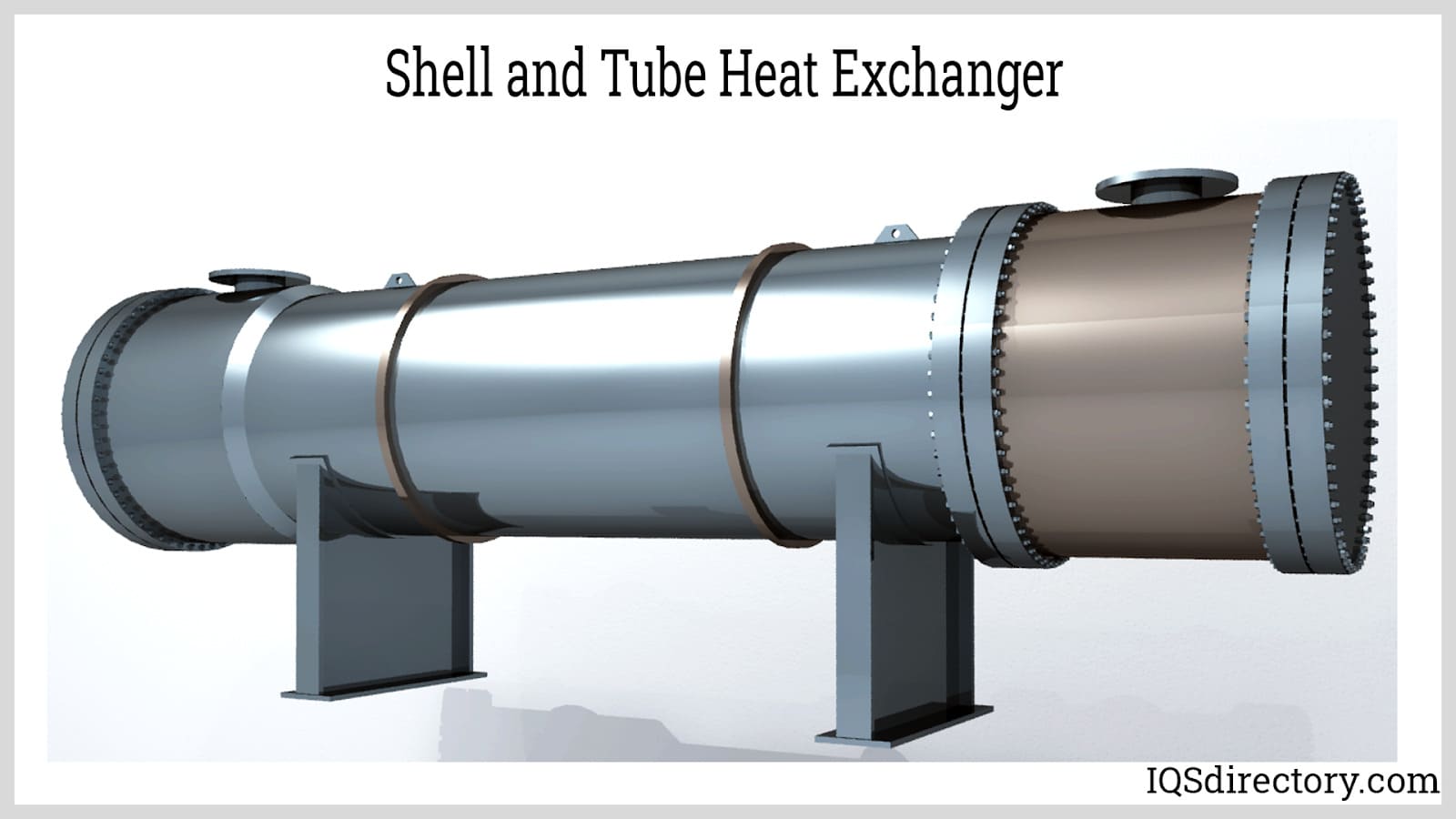
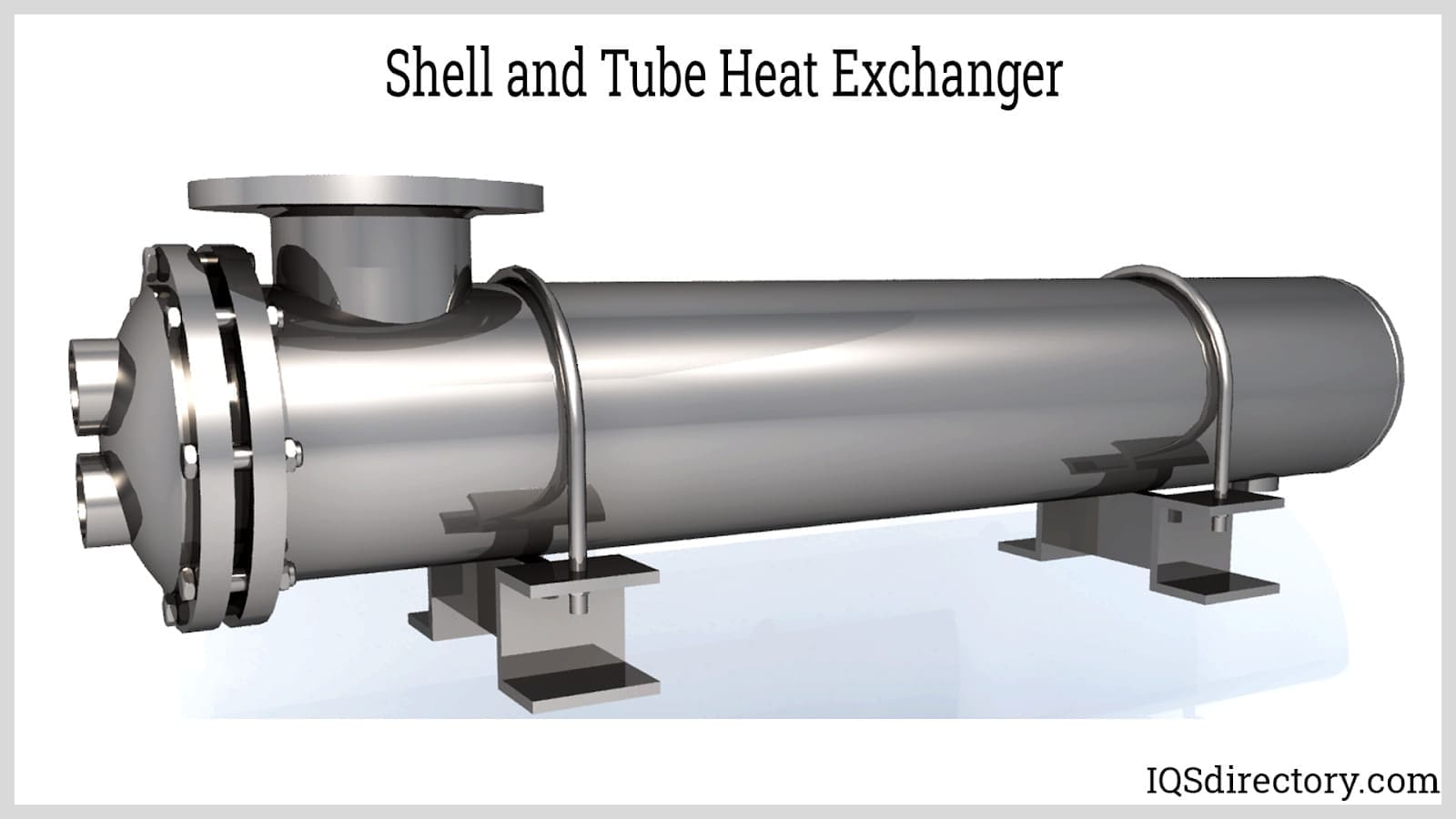
First off, the sheer variety is wild. They can be tiny little things the size of a soda can, or enormous structures that span the length of a football field. It all depends on how much heat needs to be swapped.
And the materials! They're not just made of plain old steel. You can find them in exotic alloys, titanium, even special plastics, all designed to handle specific fluids and temperatures. It’s like a tailor-made suit for your industrial fluids.
Here’s a funny thought: Imagine the mess if these tubes ever sprung a leak. Suddenly, the hot water from the boiler is having a surprise party in the cold water tank. Chaos! That’s why engineers get really serious about making sure those tubes are strong and the seals are tight. It’s like a high-stakes game of Jenga, but with superheated steam.
Also, have you ever heard the term "fouling"? It’s not as gross as it sounds, but it’s a real problem. Over time, stuff can build up on the inside of those tubes – minerals, gunk, whatever – and it starts to act like a thermal blanket, slowing down the heat transfer. So, engineers have to design ways to clean them out. Sometimes it involves blasting them with high-pressure water, which sounds surprisingly satisfying.
Why is this "Fun to Talk About"?
Because it’s all about making things work! It’s about efficiency, smart design, and solving real-world problems in a clever way. It’s the hidden magic that makes so much of our modern life possible.
Plus, you can impress your friends at your next dinner party. "Oh, you love that hot coffee? Well, the heat exchanger in the coffee maker is doing a bang-up job of… well, you get it." They’ll be mesmerized. Or at least slightly confused, which is also a form of entertainment.
It’s a testament to human ingenuity. Taking two things that can’t directly interact and making them cooperate for a common goal. It’s like bringing together two rival factions with a mutual interest in, say, delicious cookies. The heat exchanger is the cookie, and the fluids are the enthusiastic diplomats.
So, next time you’re enjoying a warm shower or a cold drink, spare a thought for the humble tube-in-shell heat exchanger. It’s quietly working its thermal magic, making your world just a little bit more comfortable, one heat swap at a time. And that, my friends, is pretty darn cool. Or hot, depending on your perspective!