
Tungsten For Aluminum Tig Welding
Ever looked at a shiny, sleek piece of aluminum and wondered how it gets those perfectly smooth, almost seamless joins? Well, a big part of that magic comes down to a rather unsung hero in the welding world: tungsten electrodes! Now, I know what you might be thinking – welding, electrodes? Sounds a bit technical, right? But stick with me, because understanding how tungsten for aluminum TIG welding works is actually quite fascinating and surprisingly accessible, even if you're just starting out or dabbling in projects around the house.
For the absolute beginner welder, learning about tungsten is like getting the right tool for the job. Aluminum can be a bit tricky to weld, often feeling like it’s melting before you’ve even had a chance to join it! Using the correct type of tungsten with your TIG welder makes a world of difference. It helps you achieve a stable arc, which is crucial for making clean, strong welds on aluminum. Think of it as giving yourself a smoother learning curve; less frustration, more satisfying results!
If you're a hobbyist who loves tinkering with bikes, building custom parts, or even creating artistic metal sculptures, the ability to TIG weld aluminum with confidence is a real game-changer. You can create beautiful, durable connections that don't detract from the aesthetics of your work. Imagine building a custom aluminum frame for a bicycle or crafting some unique outdoor furniture – the welds will look as good as the material itself. For families who might be working on projects together, teaching a younger member about TIG welding and the role of tungsten can be a really engaging and educational experience, fostering practical skills and a sense of accomplishment.
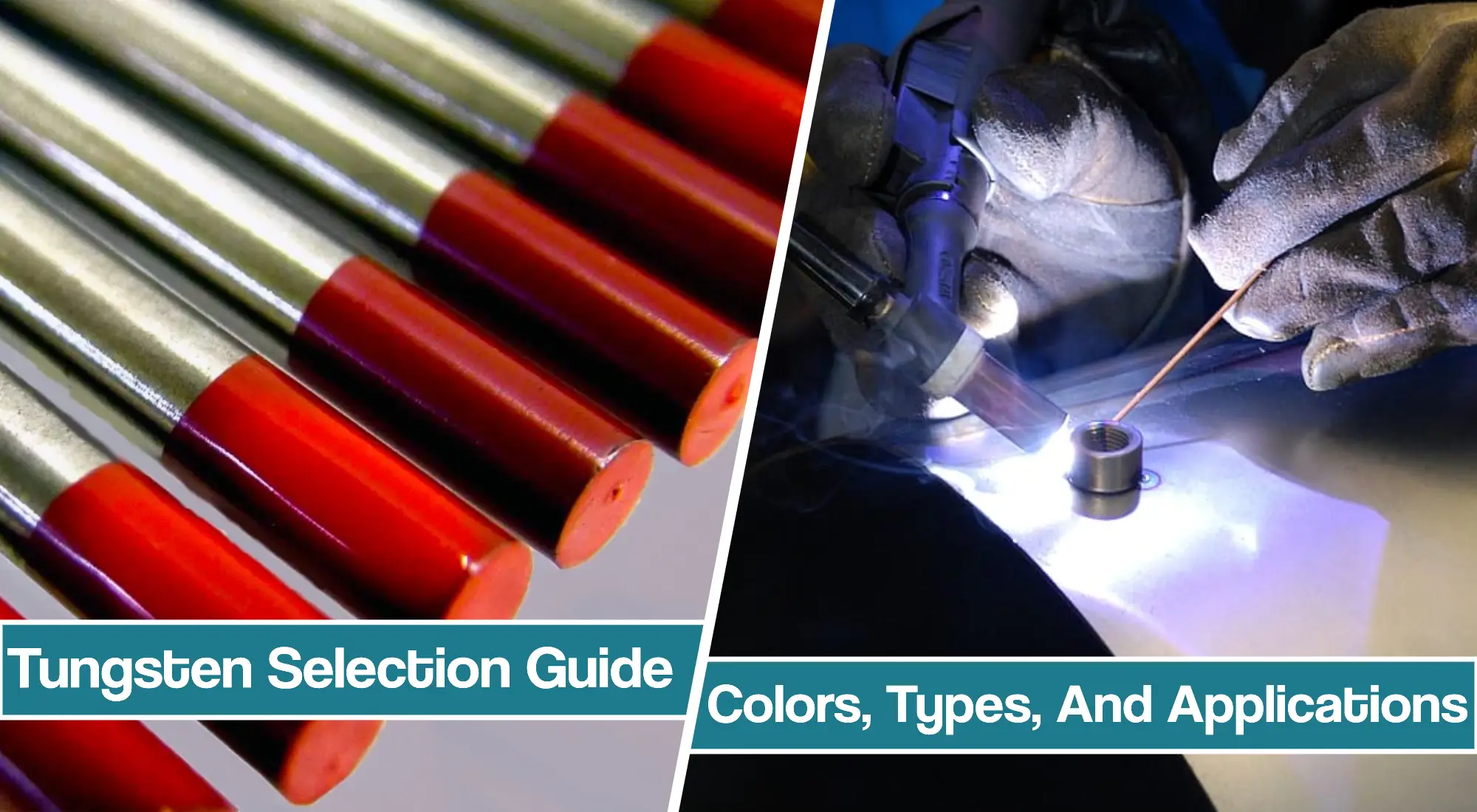
So, what kind of tungsten are we talking about? The most common types you'll see for aluminum TIG welding are pure tungsten (often with a green band) and lanthanated tungsten (often with gold or blue bands). Pure tungsten is a classic choice, great for AC welding and relatively inexpensive, making it a good starting point. Lanthanated tungsten, however, tends to offer an even more stable arc and better arc starting, which is fantastic for consistent results, especially if you're aiming for that really polished look.
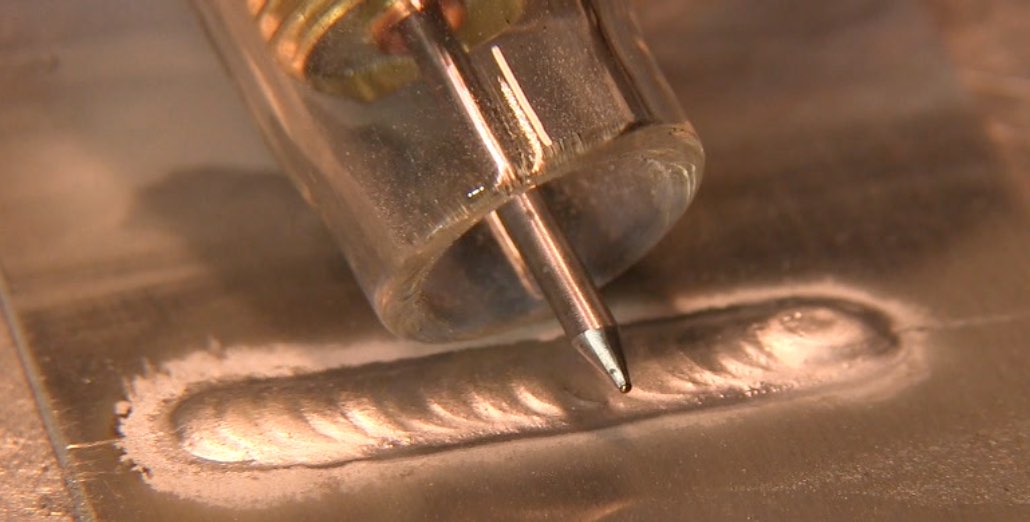
Getting started is simpler than you might think. First, ensure your TIG welder is set up for AC (Alternating Current) welding, as this is essential for aluminum. Then, choose a suitable tungsten electrode – a 2% lanthanated (gold band) is a great all-rounder. Make sure you're using a collet and collet body that match your tungsten's diameter. Don't forget to grind your tungsten to a nice, sharp point for precise arc control. The exact angle of the grind can be a bit of a rabbit hole, but starting with a conical shape is perfect for AC aluminum welding.
In the end, diving into the world of tungsten for aluminum TIG welding isn't just about making strong joints; it's about unlocking a new level of creativity and capability. It’s a simple step that can significantly improve your welding experience, making those aluminum projects not just achievable, but truly enjoyable. Happy welding!