
Turning Tools For Metal Lathe

Ever looked at a perfectly turned metal part and wondered how it got that smooth, precise finish? The secret weapon isn't magic, but a clever collection of tools called turning tools. For anyone fascinated by the creation of metal objects, from a hobbyist tinkering in their garage to a professional machinist crafting intricate components, understanding these tools is like unlocking a new level of possibility. They transform a block of raw metal into something beautiful and functional, and there’s a real satisfaction in mastering them.
Think of a metal lathe as a potter's wheel, but for metal. Instead of clay, you have a spinning workpiece, and instead of your hands, you have incredibly sharp, specially shaped pieces of metal – the turning tools – that shave away material to create the desired form. Their primary purpose is to shape metal by removing chips as the workpiece rotates. This can involve anything from taking a rough casting and making it perfectly cylindrical, to cutting threads, facing off surfaces, or even creating complex curves and profiles.
The Magic of Material Removal
The beauty of turning tools lies in their simplicity of function, yet the complexity of their design. Each tool is meticulously engineered with specific geometries – angles, clearances, and cutting edges – tailored for different metals and operations. This allows for incredibly accurate and repeatable results. Whether you're aiming for a mirror-smooth finish on a piece of aluminum or need to tackle the toughness of steel, there’s a tool designed to do it efficiently and effectively.
The benefits of using the right turning tools are numerous. Firstly, they enable precision. You can achieve very tight tolerances, meaning your parts will fit together perfectly. Secondly, they allow for efficiency. A sharp, correctly ground tool cuts faster and cleaner, saving time and effort. Thirdly, they enhance surface finish. The smoother the cut, the less work you'll need to do with sanding or polishing later. And finally, they open up a world of creative possibilities. With the right set of tools, you can produce an astonishing range of shapes and features that would be impossible otherwise.
A Toolbox of Talent
So, what exactly are these magical implements? The world of turning tools is vast, but we can break down some of the most common and fundamental types:
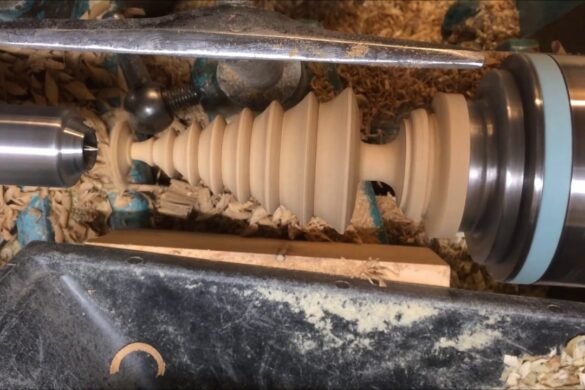
1. Parting Tools (or Cut-off Tools):
These are the little workhorses that slice through metal. They have a narrow blade designed to cut a workpiece completely off the bar stock or to create grooves. Imagine cutting a slice of cake, but with metal!
2. Round Nose Tools:
As their name suggests, these have a rounded cutting edge. They are fantastic for creating smooth, flowing internal or external curves, and for general facing operations where you want a consistent finish across a surface.
3. Knurling Tools:
These don't cut away metal; instead, they press a pattern of diamonds or straight lines onto the surface. This is usually done to improve grip on handles or decorative elements.
Lathe Metal Turning Tools: Essential Techniques & Tips - Lathe God

4. Threading Tools:
These are highly specialized tools used to cut precise screw threads onto a workpiece. Getting threads right is crucial for many mechanical assemblies, and these tools are the key.
5. Turning Tools (General Purpose):
This is a broad category that includes tools for basic turning operations – making a diameter smaller, creating shoulders, or chamfering edges. They come in various shapes, like diamond point, round nose, and straight, each with its own specialty.
Lathe Metal Turning Tools: Essential Techniques & Tips - Lathe God

6. Boring Bars:
While technically used inside a workpiece, boring bars are a crucial part of the turning arsenal. They are used to enlarge or shape existing holes with incredible accuracy.
From High-Speed Steel to Carbides
The material of the tool itself is also a huge factor. Traditionally, many tools were made from High-Speed Steel (HSS). This is a tough, resilient material that can be resharpened relatively easily. However, for tougher metals and higher cutting speeds, modern machinists often turn to tools with carbide inserts. These are small, replaceable tips made from incredibly hard materials like tungsten carbide. When a tip becomes dull, you don't sharpen the whole tool; you simply replace the insert, which is incredibly efficient and maintains cutting performance.
Mastering turning tools is a journey, but it's one that's incredibly rewarding. It’s about understanding how to coax metal into shape, about the satisfying sound of a sharp tool biting into steel, and about the pride of creating something tangible and precise with your own hands. So, next time you see a beautifully turned part, remember the humble, yet powerful, turning tools that made it all possible!