
Type Of Paint For Metal
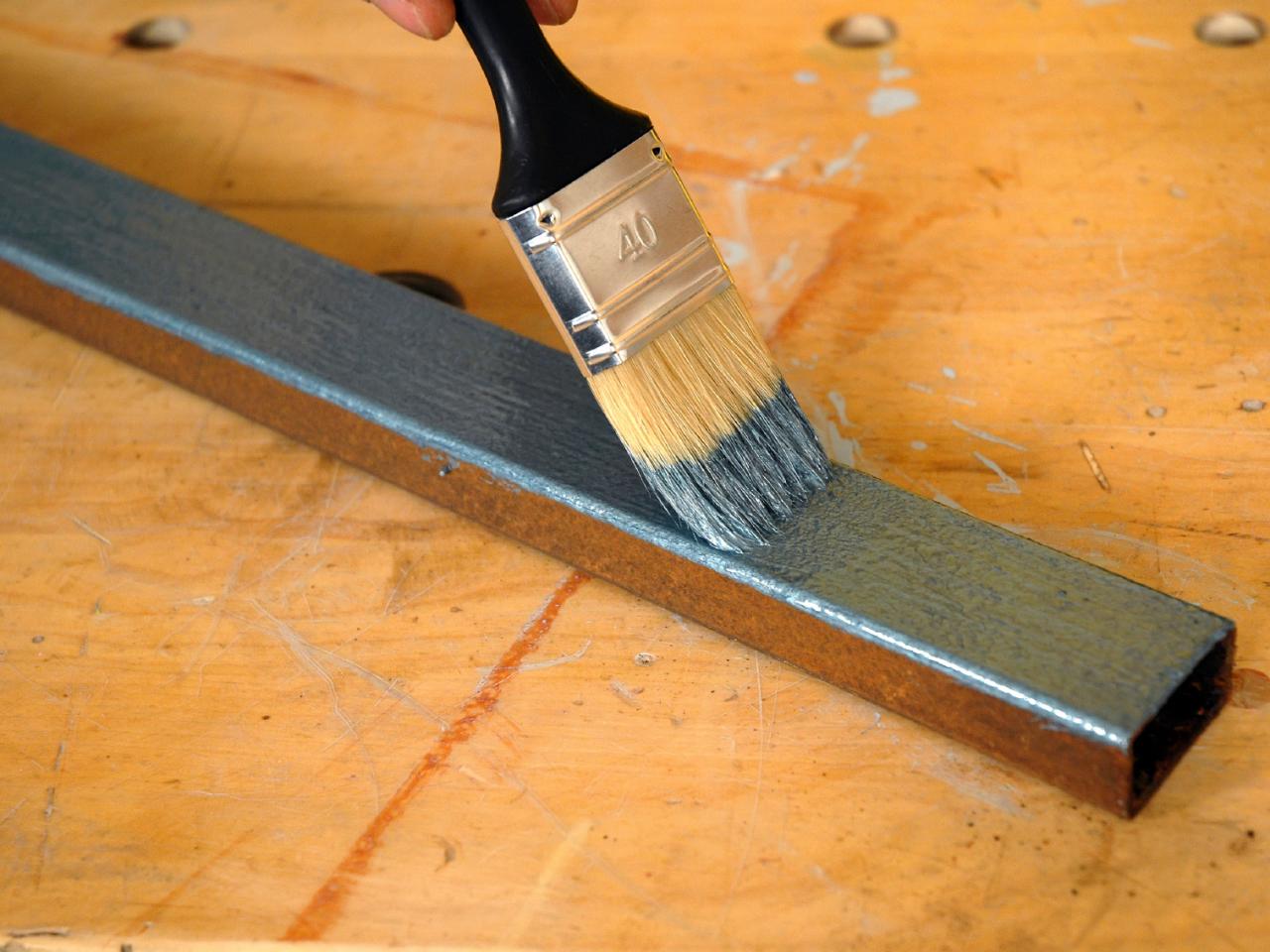
Ever find yourself staring at a rusty old bike frame, a slightly dull metal garden bench, or maybe even a cool set of metal shelves and thinking, "You know, this could be so much better with a splash of color?" Yeah, me too. It’s amazing how a little paint can completely transform something from meh to magnificent. But then comes the big question: what kind of paint should you actually use on metal? It’s not like you can just slap on any old craft paint and expect it to stick, right?
It’s a bit of a rabbit hole, isn’t it? Dive into the paint aisle and you’re met with a whole alphabet soup of terms: enamel, latex, oil-based, acrylic, primer, topcoat… What’s a casual DIYer to do? Don't worry, we're going to break it down, nice and easy. Think of this as your chill guide to making your metal bits look their absolute best, without needing a degree in chemistry.
So, why is painting metal even a thing? Well, besides making things pretty, paint does a super important job: it protects. Metal, especially if it’s iron or steel, can be a bit sensitive to the elements. Exposure to rain, humidity, or even just salty air can lead to that dreaded brown stuff: rust. And nobody wants that, right? Paint acts like a superhero shield, keeping moisture and air away from the metal’s surface and preventing it from turning into a crumbly mess.
But not all paints are created equal when it comes to this protective duty. Some are tougher, some are more flexible, and some are just plain better suited for the job. It’s all about understanding what your metal friend needs and giving it the right kind of armor.
The Big Players: What Are We Even Talking About?
Let's start with the most common types you'll encounter. You’ve probably heard of these before, but what do they actually mean for your metal project?
Enamel Paints: The Tough Guys
When it comes to painting metal, enamel paints are often the go-to. Why? Because they're tough as nails! Think of them as the bodybuilders of the paint world. They dry to a hard, durable finish that’s resistant to chipping, scratching, and general wear and tear. This makes them perfect for things that get handled a lot, like furniture, fences, or even radiators.

You’ll typically find enamels come in two main flavors: oil-based and water-based (or latex/acrylic enamels). The traditional oil-based enamels have been around forever. They offer an incredibly hard and glossy finish, great for that super-smooth, almost porcelain-like look. They’re also fantastic at resisting rust. The downside? They smell a bit… intense. And cleanup usually involves mineral spirits, which isn’t exactly eco-friendly. Plus, they can take a little longer to dry.
Then there are the newer kids on the block: water-based or latex/acrylic enamels. These are often called "enamel finish" paints. They’re much easier to work with. Think less strong fumes, easier cleanup with just soap and water, and faster drying times. And don't underestimate them! Modern water-based enamels have come a long way and can offer fantastic durability and a beautiful finish, often with a lovely satin or semi-gloss sheen.
If you're painting something indoors that doesn't get super harsh treatment, or if you're sensitive to strong smells, a water-based enamel is often a brilliant choice. For something that’s going to take a real beating, like a garden gate that gets slammed shut or a workbench, an oil-based enamel might still be your best bet for ultimate toughness.
Rust-Oleum and Krylon: The Spray Can Superstars
Okay, who hasn't used a spray can of paint? They're just so… convenient! Brands like Rust-Oleum and Krylon are practically synonymous with painting metal. And for good reason! They make a huge range of specialized metal paints, often in convenient spray cans.
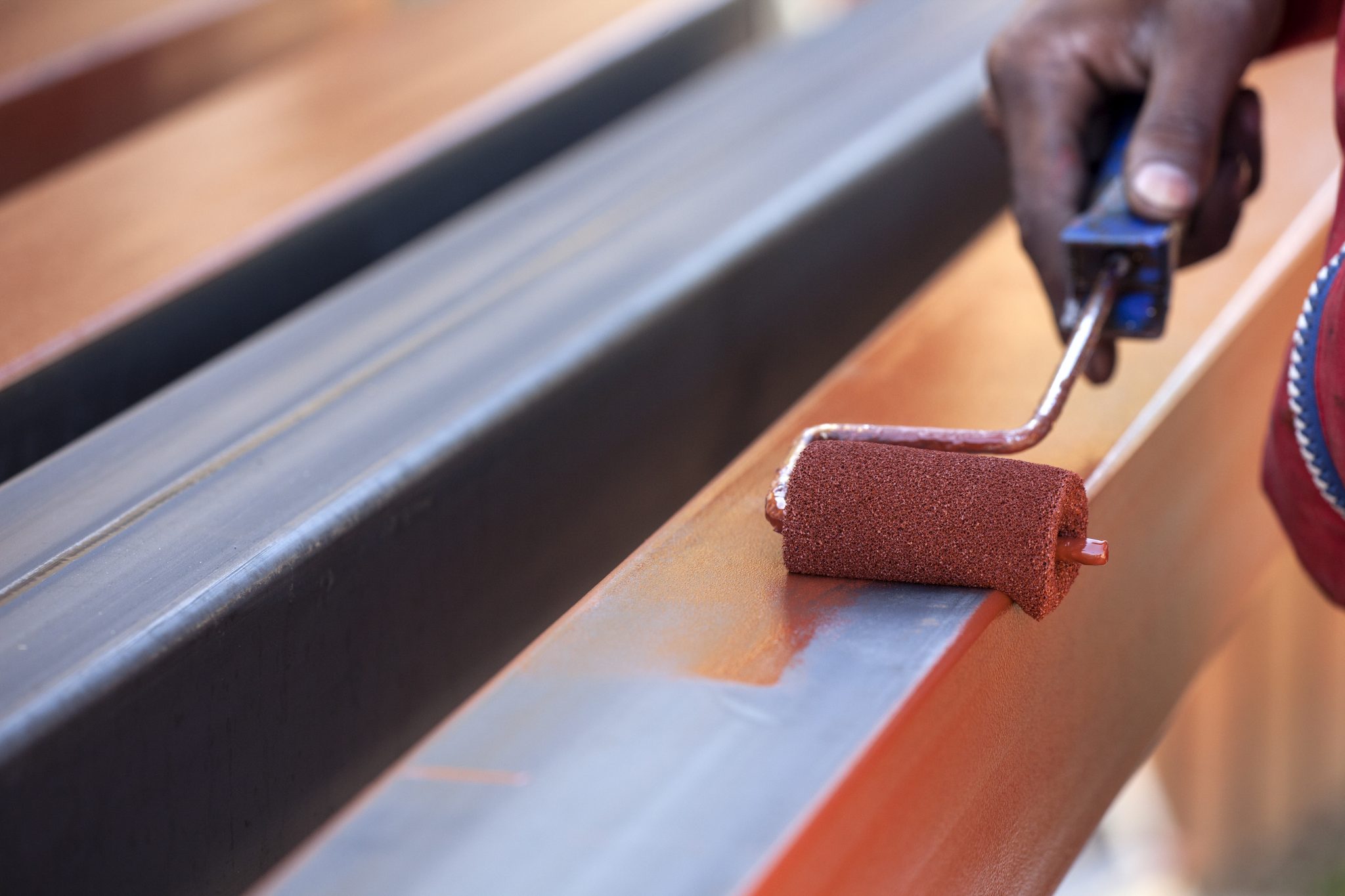
What's cool about these is that many are designed to be a "primer and paint in one." This means you can often skip the separate priming step, which is a huge time-saver. They’re formulated to stick well to metal and provide excellent rust protection. You can find them in all sorts of finishes too – from matte to high gloss, and even hammered or textured effects. Painting intricate metalwork, like a decorative birdcage or lamp, becomes a breeze with a spray can. Just be sure to spray in a well-ventilated area, and maybe wear a mask!
The Secret Weapon: Primer, Primer, Primer!
Now, let's talk about something that gets overlooked way too often: primer. You might think, "Why add another coat of paint when I just want to get to the fun color part?" Well, think of primer as the scaffolding for your building. It’s the foundation that makes everything else stronger and better.
For metal, a good metal primer is crucial, especially if the surface is bare, rusty, or you're unsure about its previous coating. Why is it so important? Firstly, it improves adhesion. This means your topcoat of paint will stick to the metal much, much better, reducing the chances of peeling or flaking later on. Secondly, and this is a big one for metal, primer provides rust inhibition. Many metal primers contain special ingredients that actively prevent rust from forming. It’s like giving your metal a long-lasting anti-rust vaccine!

There are different types of metal primers, too. You'll see ones specifically for bare metal, ones for galvanized metal (which can be a bit tricky for paint to stick to), and even primers that are designed to go over existing rust (though it's always best to remove loose rust first!).
So, even if your paint says "primer and paint in one," if you're dealing with bare or potentially rusty metal, using a dedicated metal primer beforehand is often the smartest move for a truly professional and long-lasting finish. It’s an extra step, sure, but it’s like wearing a seatbelt – better safe than sorry, and it makes for a much smoother ride (or paint job!).
Special Cases: When Metal Gets Tricky
Sometimes, metal isn't just plain old steel. You might be dealing with things like:
Galvanized Metal: The Slippery Customer
Galvanized metal (often seen on gutters, fence posts, or some outdoor furniture) has a zinc coating that makes it super resistant to rust. But that same coating can make it a bit of a slippery character for paint. Regular paint might just slide right off! You usually need a special primer for galvanized metal. These primers are formulated to etch into the zinc surface just enough for your topcoat to grab on for dear life.
Aluminum: Light and Bright
Aluminum is naturally rust-resistant, which is a bonus! However, it can oxidize, which can dull its shine. Most good quality metal paints and primers will work fine on aluminum, but it’s always worth checking the paint’s label to be sure. You might still want to prime it for the best adhesion and finish.
The Prep Work: Don't Skip This Part!
No matter what paint you choose, the most important part of any painting project is the prep work. Seriously. This is where the magic happens (or doesn’t, if you rush it). For metal, this usually involves:
- Cleaning: Wash the metal thoroughly with soap and water to remove dirt, grease, and grime. A degreaser might be your best friend here.
- Sanding: If there's any loose paint, rust, or a very glossy surface, a light sanding is essential. This creates a slightly rough texture for the primer and paint to adhere to. For rust, you might need a wire brush or sandpaper to get rid of as much of it as possible.
- Rinsing and Drying: Make sure you rinse off all soap residue and let the metal dry completely. Any moisture left behind can cause problems later.
Think of it like preparing your canvas before painting a masterpiece. The smoother and cleaner the surface, the better the final result will be. And for metal, that means a job that lasts longer and looks fantastic!
So, there you have it! Painting metal might seem a bit daunting at first, but with the right knowledge and a little patience, you can transform all sorts of metal objects into something truly special. Whether you opt for a tough enamel, a convenient spray can, or invest in a good primer, the result is sure to be a satisfying one. Now go forth and add some color to your world!