
Types Of Coatings For Metal

Hey there, metal enthusiasts and curious cats! Ever looked at a shiny piece of metal and wondered, "How do they get it to look that good and stay that way?" Well, get ready to dive into the wonderful world of metal coatings! Think of coatings as metal's super stylish and protective outfit. They're not just for making things pretty; they’re also the unsung heroes that keep our metal buddies from getting all rusty and sad.
So, let’s ditch the lab coats and get our hands (figuratively, of course!) dirty as we explore the different types of coatings that give metal its superpowers. It’s going to be a fun ride, I promise! No boring stuff here, just good old-fashioned chat about keeping things from turning into a rust-bucket.
The Grand Entrance: Why Coat Metal Anyway?
Before we start naming names (of coatings, that is!), let’s have a quick pep talk on why we bother with all this coating business. Metal, bless its heart, can be a bit high-maintenance. Left to its own devices, it can get a little… uncooperative. We're talking rust, corrosion, scratches, you name it. It’s like inviting a teenager to a fancy dinner – you gotta prepare for potential spills and attitude!
Coatings are basically the awesome bodyguard and stylist rolled into one. They create a barrier, a protective shield if you will, between the metal and the pesky elements that want to do it harm. Think of it as giving your metal friend a superhero cape and some really tough armor. Plus, let's be honest, nobody wants a dull, rusty doorknob. We want sparkle!
Powder Coating: The "Tough & Trendy" Champion
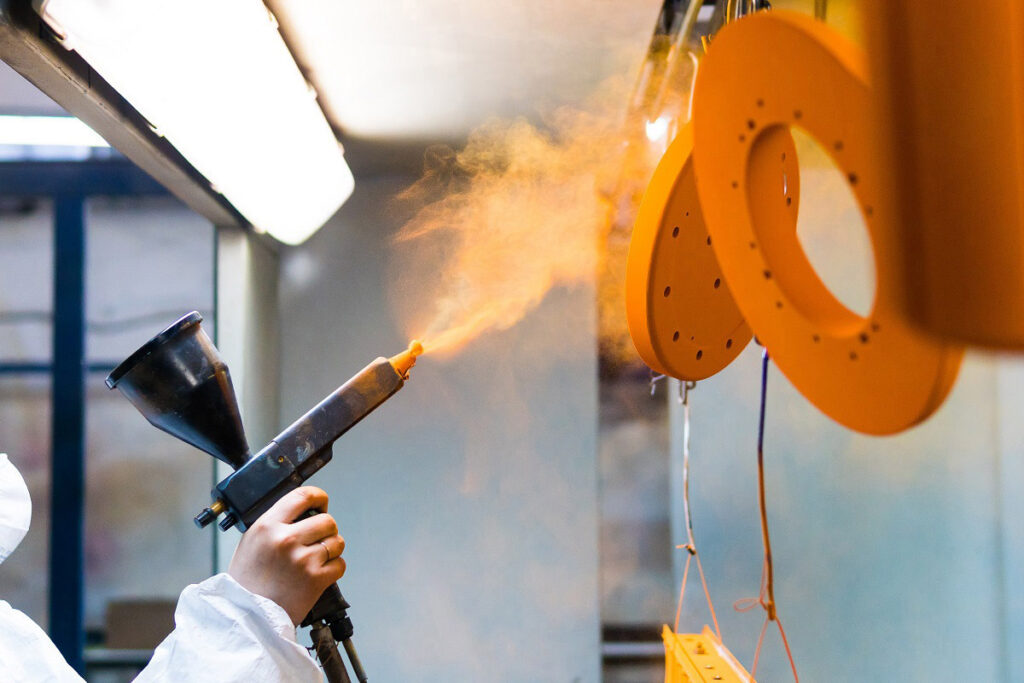
Alright, let’s kick things off with a real crowd-pleaser: powder coating. This stuff is super popular for a reason. Imagine taking fine powder, like really, really fine baking flour, but instead of making cookies, you're using it to give metal a bomb-proof makeover. It’s applied electrostatically, so the powder sticks to the metal like static cling on a good hair day.
Then, the magic happens in a special oven. The powder melts, flows, and cures into a smooth, durable, and super attractive finish. It’s like giving your metal object a permanent, high-fashion, protective hug. And the colors! Oh, the colors! You can get powder coating in pretty much any shade your heart desires, from subtle matte black to blindingly bright neon. It's like a rainbow exploded on your metal!
The best part? Powder coating is incredibly durable. It’s way tougher than traditional liquid paint, meaning it’s much more resistant to chipping, scratching, and fading. So, if you’ve got something that’s going to see a lot of action – like bike frames, outdoor furniture, or car parts – powder coating is your go-to. It’s the "set it and forget it" of metal finishes, minus the forgetting part, of course. We still gotta remember to appreciate its awesomeness!
Think about your garden furniture. Without a good coating, it’d be a sad, rusty mess after just one rainy season. But with powder coating? It’s ready to party outdoors year after year. It’s practically indestructible, or at least it feels like it. Just try to scratch it – I dare you! (Okay, maybe don’t actually try to scratch it too hard, you might void the warranty on your friendship with the metal).
Liquid Painting: The Classic, Customizable Chameleon
Next up, we have the OG, the classic, the one and only: liquid painting. This is probably what you picture when you think of painting something. It’s the old reliable, the trusty sidekick. Liquid paint is, well, liquid! It’s applied using brushes, rollers, spray guns, or even by dipping the whole darn thing into a vat of glorious color.
Liquid painting is incredibly versatile. You can get it in a million different finishes: glossy, matte, satin, metallic, textured – you name it! It’s like a chameleon; it can adapt to whatever look you’re going for. Want that sleek, high-gloss finish on your car? Liquid paint. Need a subtle, brushed metal look for your kitchen appliances? Liquid paint. It's the ultimate shapeshifter of the coating world.
It’s also great for intricate designs and touch-ups. If you’ve got a little ding or scratch, a touch-up pen of liquid paint can work wonders. It’s the first-aid kit for your metal. While it might not always be as tough as powder coating, it offers an incredible range of aesthetic possibilities. And let’s be real, sometimes you just want that perfect shade of metallic teal, and liquid paint is your best bet for achieving that dream.
The application process for liquid paint can be a bit more involved, with primers, multiple coats, and drying times. It’s a bit like cooking a gourmet meal – requires patience and attention to detail. But the result? Absolutely delicious-looking metal! Just imagine all the amazing cars you see on the road. A big chunk of that eye-popping beauty comes from a meticulously applied coat of liquid paint. Bravo!
Galvanizing: The Rust-Busting Superhero (Especially for Steel!)
Now, let’s talk about a real workhorse, especially when it comes to keeping steel from turning into a rusty mess: galvanizing. This isn't just a pretty coat; it's a serious protective strategy. Think of it as giving your metal a sacrificial zinc suit of armor.
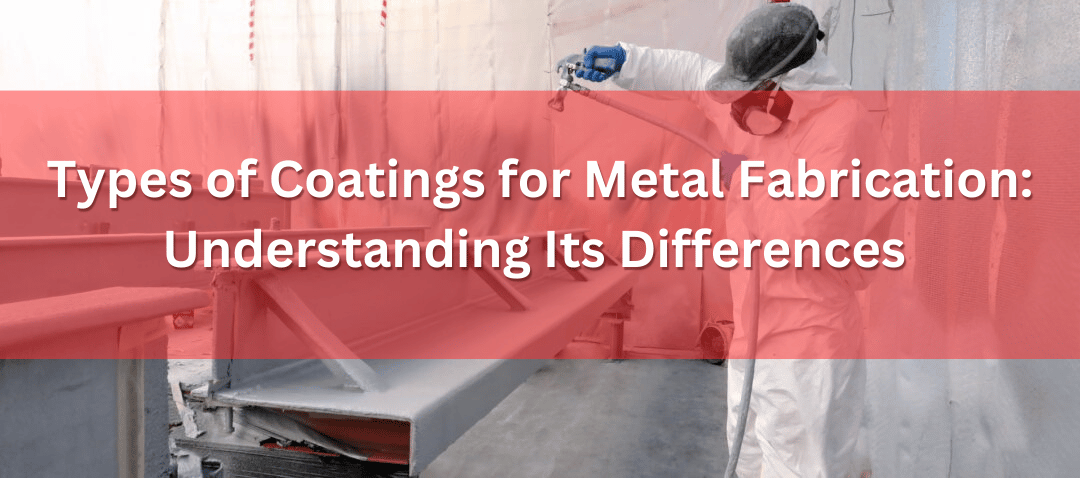
The most common method is hot-dip galvanizing. Basically, the steel is dipped into a bath of molten zinc. This creates a thick, robust layer of zinc alloy that adheres to the steel. It’s like giving your metal a warm, protective zinc hug that solidifies into a super strong bond. And when I say "thick," I mean it – this layer is no joke!
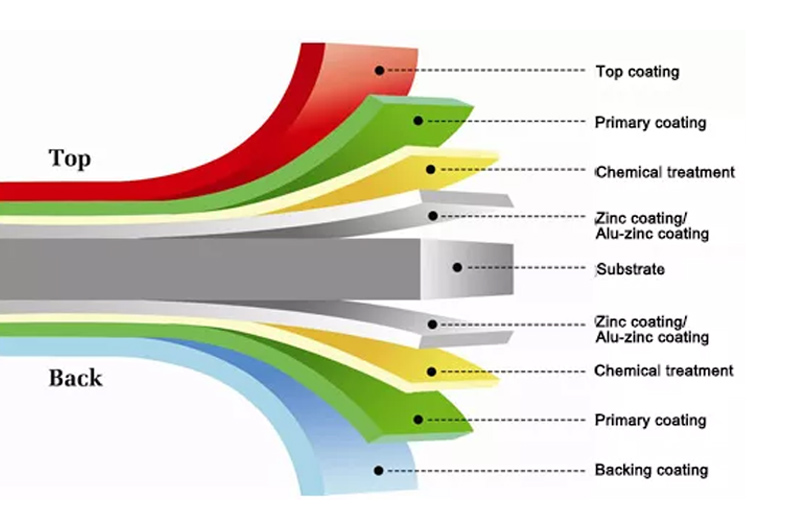
What’s so cool about galvanizing? Well, the zinc doesn't just sit there looking pretty. It actually protects the steel even if the coating gets scratched. How? This is where it gets a bit sci-fi. The zinc is more reactive than iron (the main component of steel). So, if a scratch exposes the steel, the zinc sacrifices itself, corroding preferentially to protect the steel underneath. It’s like a tiny, dedicated superhero diving in front of a bullet for its buddy. How noble!
This makes galvanizing ideal for things that are going to be outdoors and exposed to the elements, like guardrails, streetlights, fences, and structural steel. It's the unsung hero of infrastructure, quietly keeping our cities from rusting into oblivion. Next time you see a sturdy metal structure, give a little nod to the galvanizing that’s keeping it strong. It’s the silent guardian, the watchful protector… the galvanized crusader!
Anodizing: The "Tougher Than Tough" Aluminum Upgrade
If you’re working with aluminum, then anodizing is your best friend. This isn't adding a coating onto the metal; it’s actually making the metal itself tougher and more protective. It's like a super-powered internal upgrade!
Here's the lowdown: Anodizing is an electrochemical process. You take aluminum, stick it in an acid electrolyte, and pass an electric current through it. This encourages a thicker, more durable oxide layer to form on the surface of the aluminum. So, instead of adding something on, you're actually growing a super-tough layer out of the aluminum itself. Pretty neat, right? It’s like the metal decided to evolve its own protective exoskeleton.
Why is this so great? Well, anodized aluminum is incredibly resistant to corrosion and wear. It’s also harder than natural aluminum, making it less likely to get scratched. Plus, you can dye the porous oxide layer before it’s sealed, meaning you can get colored anodized finishes too! Think of those sleek, colorful aluminum phone cases or the durable finishes on aircraft components. That’s often anodizing at work!
It’s a fantastic way to enhance aluminum’s natural properties, making it suitable for everything from architectural applications to high-performance sporting equipment. It’s the ultimate upgrade for your aluminum, turning it from good to great. It’s like putting your aluminum through a super-strength training program.
Plating: The "Shiny & Special" Surface Treatment
Alright, let’s talk about plating. This is where we’re adding a thin layer of another metal onto our original metal. Think of it as giving your metal a fancy gold chain or a protective silver lining. It’s all about adding value, aesthetics, or specific performance characteristics.
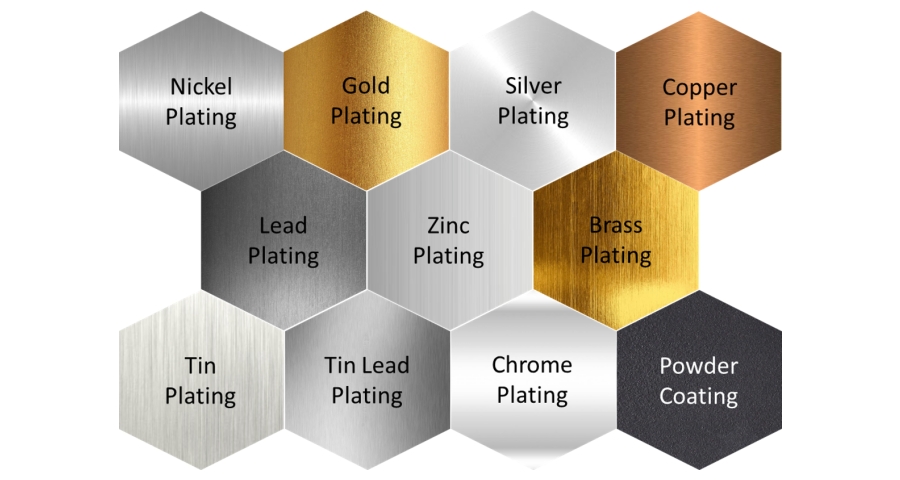
You’ve probably heard of chrome plating. That’s when you plate metal with chromium, giving it that super shiny, mirror-like finish. Think classic car bumpers, faucets, or motorcycle parts. It’s pure bling, but with added corrosion resistance. It’s like putting on your Sunday best, but for metal.
Then there’s nickel plating, which offers excellent corrosion resistance and a good base for other plating like chrome. Zinc plating is another common one, often used for fasteners and hardware to provide good corrosion protection at a reasonable cost. It’s like the zinc's less flashy cousin, still doing a great job protecting.
Gold plating and silver plating are usually for decorative purposes, adding that touch of luxury. Imagine a fancy watch case or some exquisite jewelry. These are often plated to achieve that precious metal look without the hefty price tag of solid gold or silver. It's the "look of luxury" without requiring you to sell a kidney.
The process usually involves electroplating, where the metal to be plated is placed in an electrolyte solution with ions of the plating metal. When an electric current is applied, the plating metal ions deposit onto the surface of the object. It’s a precise and controlled way to add a thin, functional, and often beautiful layer to your metal.
Other Cool Kids on the Block (Briefly!)
The world of metal coatings is HUGE, and we’ve only just scratched the surface. There are tons of other cool options out there:
- E-coating (Electrocoating): This is like an electroplating cousin, but it uses an electric current to deposit a protective coating onto metal parts. It’s fantastic for complex shapes and provides excellent corrosion resistance, often used for car parts and appliances. Think of it as a super-efficient, all-over hug for your metal.
- Ceramic Coatings: These are super tough and can withstand high temperatures, making them great for exhaust systems, engine parts, and cookware. They’re like giving your metal a heat-resistant, super-slick superhero suit.
- PVD (Physical Vapor Deposition) Coatings: This is a high-tech process where a thin, hard, and often decorative coating is applied in a vacuum. Think of those colorful, durable coatings on high-end watches or tools. It's the "sci-fi sparkle" of the coating world.
Each of these has its own special talent, making them perfect for specific jobs. It’s like having a whole team of specialists, each with their unique skill set, ready to protect and enhance your metal!
And The Award For "Most Awesome Metal Goes To..."
Okay, so we’ve journeyed through the dazzling world of metal coatings, from the tough-as-nails powder coating to the rust-busting might of galvanizing and the sleek finishes of plating. It’s pretty amazing, right? All these different ways to protect, beautify, and enhance the metal objects that are so essential to our lives.
Ultimately, the "best" coating really depends on what you need it for. Is it going to be out in the wild, braving the elements? Or is it going to sit pretty on a shelf, looking fabulous? Each coating has its moment to shine, its specific purpose, its reason for being.
So, the next time you admire a perfectly finished piece of metal, whether it’s a vibrant bicycle frame, a sturdy bridge, or a sleek kitchen appliance, take a moment to appreciate the unsung hero: the coating. It’s more than just a pretty face; it’s a guardian, a transformer, and the silent architect of durability and beauty. Keep shining, metal, and keep being awesome with your incredible coatings!