
Types Of Sheet Metal Bending
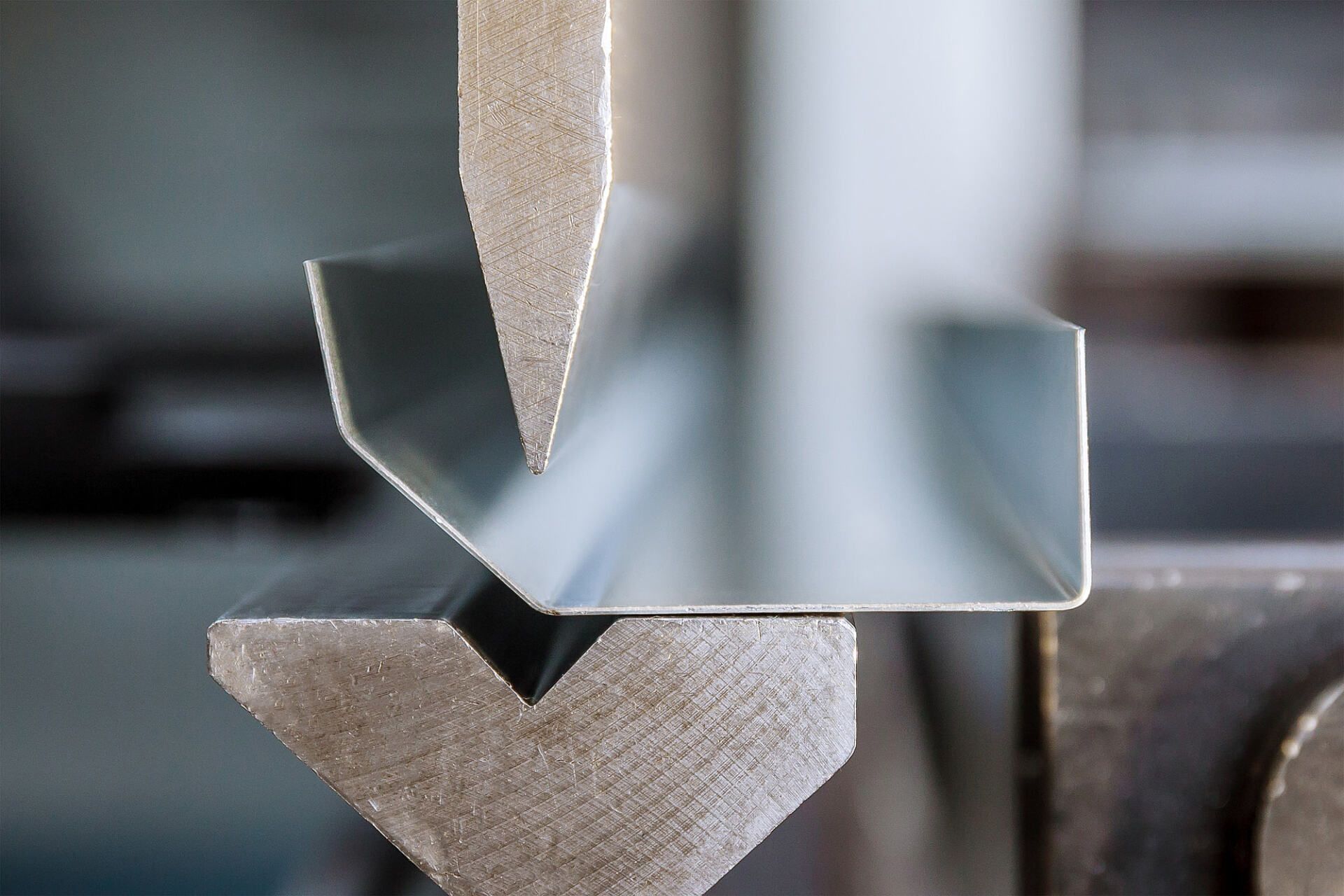
Imagine a world made of shiny, bendy metal. It sounds a bit like a sci-fi movie, right? But sheet metal bending is happening all around us, shaping everything from the humble toaster in your kitchen to the sleek chassis of your favorite car. It's like giving metal a gentle hug, or sometimes a firm nudge, to make it do exactly what we want.
Think of it as a magical art form, where skilled hands and clever machines coax flat sheets into beautiful, functional shapes. It’s not just about making things look pretty; it’s about giving them strength, purpose, and a personality all their own. And the ways we do it are as varied and interesting as the things we make!
The Gentle Whisper: Air Bending
Our first stop is the art of Air Bending. This is perhaps the most common trick in the sheet metal bending playbook, and it’s wonderfully efficient. Imagine a gentle caress, a knowing whisper to the metal, encouraging it to fold.
In this method, the metal sheet rests on two support points, and a punch, like a firm finger, presses down on it. The metal is actually bent into the space between the two supports. It’s like making a valley in a piece of paper without creasing it completely.
The beauty of air bending is its flexibility. You can achieve a wide range of angles just by adjusting how far down the punch goes. It's a bit like having a dimmer switch for your metal bends – you can go from a soft curve to a sharper angle with just a little tweak.
This method is super popular because it requires less force than some other techniques. This means less wear and tear on the machines and, often, less stress on the metal itself. It’s the "kindness is key" approach to metal shaping.
The Full Embrace: Bottoming
Next up is Bottoming. This technique is a bit more… decisive. If air bending is a whisper, bottoming is a firm, reassuring handshake.

Here, the punch pushes the metal all the way down into the die. The metal completely fills the die's channel, creating a precise, sharp bend. It’s like pressing a cookie cutter into dough, leaving a definite impression.
Bottoming offers incredible accuracy and repeatability. If you need a hundred identical parts, this is your go-to method. It leaves no room for ambiguity; the metal knows exactly where to bend.
While it requires more force than air bending, the resulting bend is incredibly strong and clean. It’s the reliable workhorse of the bending world, always delivering consistent results. Think of it as the "measure twice, cut once" of sheet metal forming.
The Complete Kiss: Coining
Now we arrive at Coining, the most precise and, dare we say, affectionate method. If bottoming is a handshake, coining is a warm, complete embrace, leaving a lasting mark.
In coining, the punch presses the metal so firmly into the die that it actually becomes work-hardened. The metal is essentially squeezed into its final shape, creating an incredibly crisp and accurate bend.
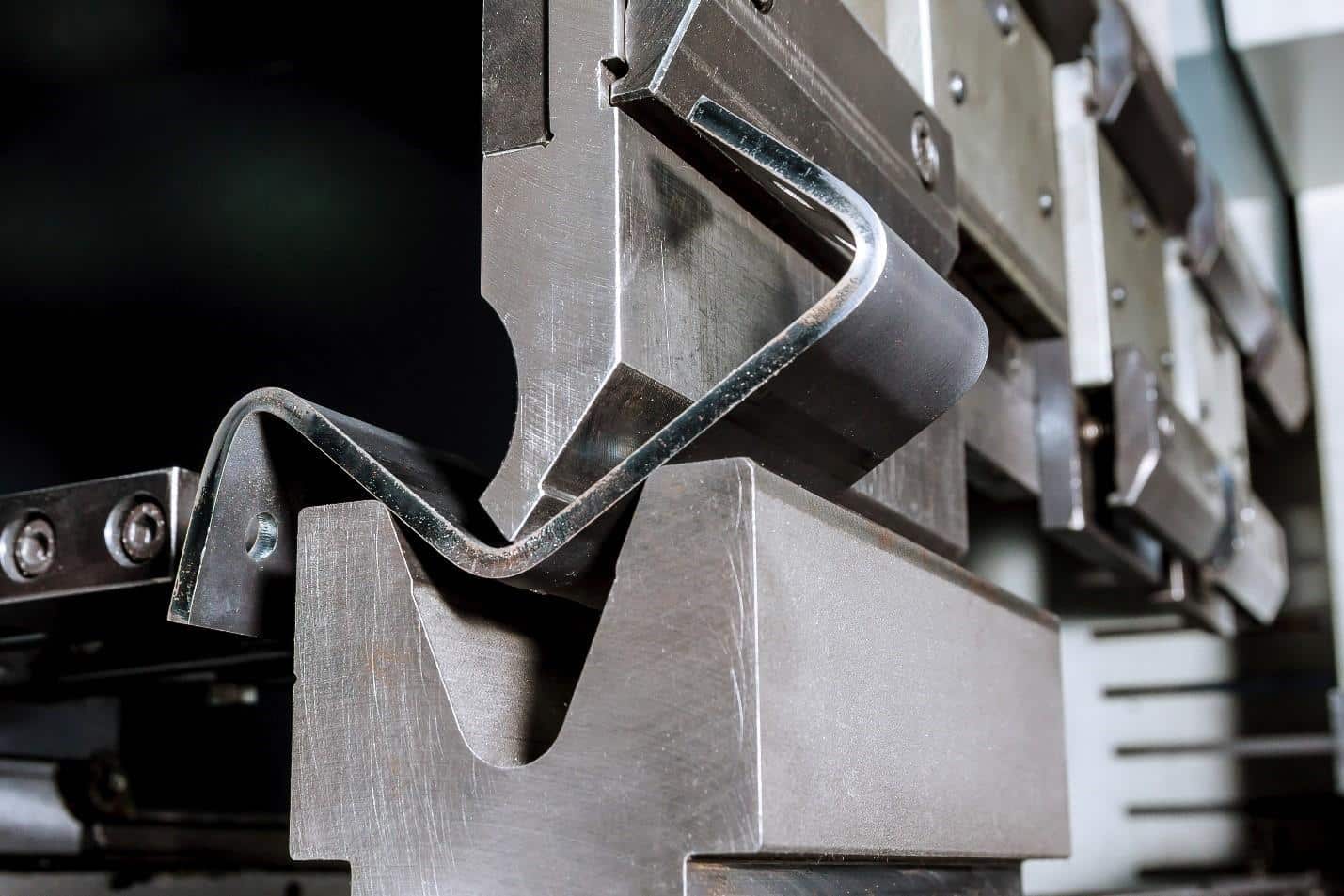
This method offers the highest level of precision. The bends are extremely sharp, and there’s very little springback – that tendency for the metal to unbend slightly after the force is removed. It’s like the metal has been permanently molded into its perfect form.
The downside? Coining requires the most force and can put more stress on the tooling. But for applications where every millimeter matters, and a perfect, unyielding angle is essential, coining is the undisputed champion. It’s the difference between a casual sketch and a masterpiece painting.
The Roll of the Dice: Roll Forming
Let's switch gears and talk about Roll Forming. This isn't about bending a single piece into a static shape; it's about creating continuous, flowing curves and profiles.
Imagine a long ribbon of metal passing through a series of rollers, each one gently guiding it into a specific curve. It’s like watching a sculptor shape clay, but on a much larger, shinier scale.
Roll forming is perfect for creating long, uniform shapes, like the tracks for your garage door, the support beams in buildings, or even the decorative trim on a car. The metal is continuously transformed as it moves forward.
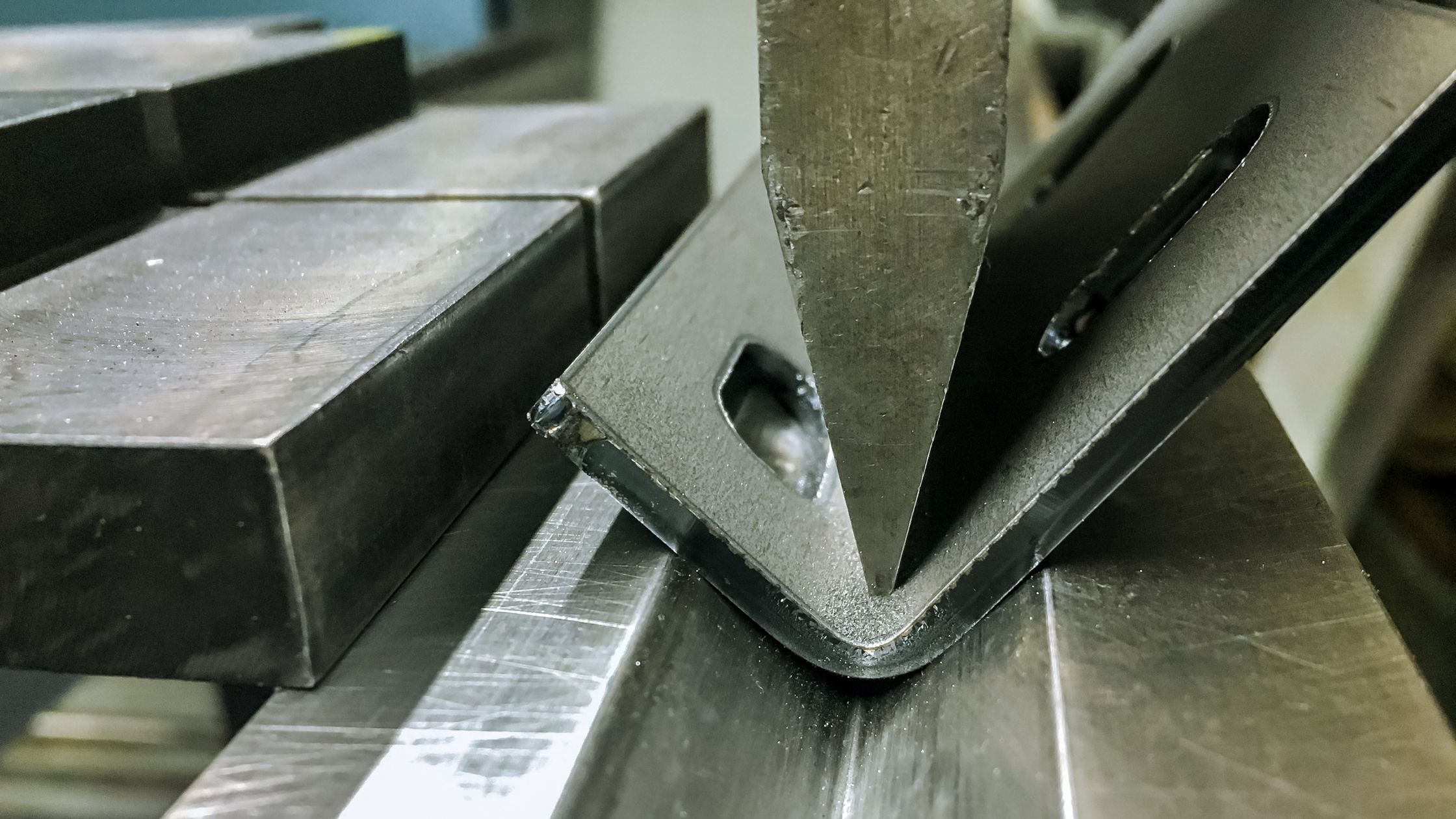
This method is incredibly efficient for mass production. Once the rollers are set up, you can churn out miles of perfectly formed metal. It’s a mesmerizing process to watch, like a metal conveyor belt of creativity.
The Twist and Shout: Rotary Draw Bending
Moving on to Rotary Draw Bending, a method that sounds as dynamic as it is. This is where things get a bit more artistic, allowing for complex curves and even coils.
In rotary draw bending, a piece of tubing or pipe is clamped and then drawn around a rotating die. Think of it like winding a flexible straw around a spool, but with much stronger materials.
This technique is essential for creating things like exhaust systems for cars, intricate pipework for furniture, or even the spiraling handlebars of a stylish bicycle. It allows for beautiful, flowing lines that are difficult to achieve with other methods.
The trick here is to maintain the shape of the tube as it bends, preventing it from collapsing or kinking. It’s a delicate dance between force and form, resulting in elegant, sinuous metal creations.
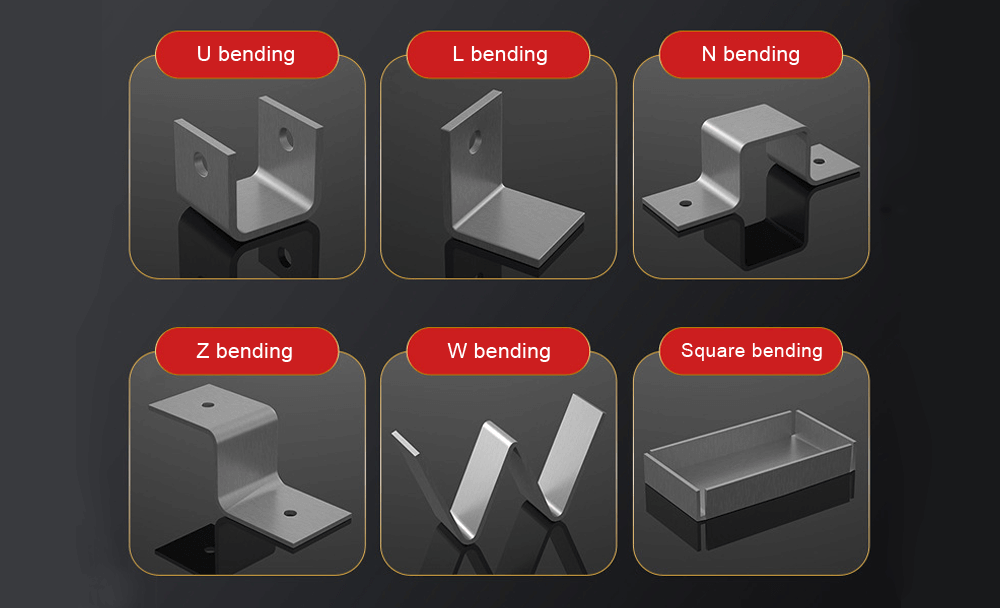
The Surprise Curve: Three-Roll Bending
Finally, let's consider Three-Roll Bending, a surprisingly versatile technique that can create both tight curves and large, sweeping arcs.
This method involves three rollers: one stationary and two that apply pressure. The metal sheet or profile passes between them, and by adjusting the position of the rollers, you can control the curvature.
It’s like gently guiding a piece of paper through a set of adjustable wheels to make it bend. You can go from a subtle wave to a near-perfect circle. This is how you get those big, curved sections of metal you see in architectural wonders or industrial machinery.
The beauty of three-roll bending lies in its simplicity and the wide range of shapes it can produce. It’s a testament to how clever engineering can transform a flat sheet into something truly grand, with just the right amount of pressure and guidance.
So, the next time you see a curved piece of metal, whether it’s a simple bracket or a soaring skyscraper, remember the incredible journey it took. These methods, from the gentle whisper of air bending to the precise embrace of coining, are the unsung heroes that shape our modern world, one bend at a time.