
Types Of Sheet Metal Screws

Hey there, DIY enthusiasts and anyone who’s ever stared blankly at a hardware store aisle wondering, “What is all this stuff?” We’re diving headfirst into the wonderful, sometimes bewildering, world of sheet metal screws. Think of them as the unsung heroes of countless projects, from building that epic bookshelf you saw on Pinterest to finally fixing that squeaky cabinet door. They might seem small and insignificant, but choosing the right one can be the difference between a job done right and a job that makes you want to throw your toolbox out the window.
So, let’s ditch the intimidation factor and get comfortable. We’re going to break down the different types of sheet metal screws in a way that’s as easy-going as your favorite Sunday morning. No jargon-heavy lectures here, just practical insights, a few fun tidbits, and maybe even a nod to some pop culture moments where these little fasteners probably played a crucial role (even if the camera didn't focus on them).
The Screw You Need is Out There: A Gentle Guide to Sheet Metal Screws
Before we get into the nitty-gritty of screw types, let's talk about what makes a sheet metal screw a sheet metal screw. The main differentiator? Their self-tapping or self-drilling capabilities. This means they’re designed to create their own threads as they’re driven into the material, unlike a wood screw that needs a pre-drilled pilot hole. Pretty neat, right? It’s like they have their own little built-in drill bit!
Think of it like this: a wood screw is like a polite guest asking for permission to enter, while a sheet metal screw is more like a confident adventurer, forging its own path. This makes them ideal for working with metals, plastics, and even some harder woods where you want a strong, secure connection without the fuss of multiple drilling steps.
The Usual Suspects: Common Sheet Metal Screw Types
Alright, let’s meet the stars of our show. You’ll encounter a few main players in the sheet metal screw universe, each with its own unique charm and application.
1. Standard Sheet Metal Screws (The All-Rounder)
These are your go-to, everyday heroes. They typically have a sharp, tapered point and are designed to tap their own threads into thinner gauge sheet metal. You’ll recognize them by their uniform threads that run all the way up the shank.
Practical Tip: For really thin metal, be careful not to overtighten. You can strip the threads easily, and nobody wants a loose connection. A gentle, firm turn is usually all you need.
Fun Fact: The invention of the screw thread itself is ancient, with evidence dating back to the Hellenistic period in the 3rd century BC! So, while modern sheet metal screws are a bit more sophisticated, the basic principle is as old as time.
2. Self-Drilling Sheet Metal Screws (The Speedy Gonzales)
Now, these guys are the real time-savers. Also known as “Tek screws” (a popular brand name that’s become almost generic), these screws have a drill bit point at the end. They can drill their own hole and tap their own threads in one go. Talk about efficiency!
You’ll typically see different “drill point lengths” on these screws, indicated by numbers. A longer drill point means it can penetrate thicker materials before the threads engage. So, a #3 drill point can handle a bit more metal than a #1.

Practical Tip: Use a drill with a clutch setting if you have one. This prevents you from over-driving the screw, which can strip the threads or even damage the material you’re working with. It’s like having a little helper to tell you when to stop.
Cultural Nod: Think of the scene in your favorite action movie where the hero needs to quickly attach something to a metal structure under pressure. Chances are, a self-drilling screw is involved, saving the day with its speed and versatility.
3. Hex Head Sheet Metal Screws (The Heavy Duty)
When you need a bit more torque and a more secure grip, the hex head screw comes into play. As the name suggests, they have a hexagonal head, which is designed to be driven with a socket wrench or a drill bit adapter. This allows you to apply more force without the driver slipping.
These are often used in applications where vibration or stress might loosen other types of screws. They’re like the reliable, no-nonsense worker of the screw world.
Practical Tip: Make sure your drill has a good grip on the hex head. A worn-out socket or adapter can slip and damage the screw head, making it difficult to remove later.
Fun Fact: The hex shape is incredibly strong and efficient for transferring torque. It’s why you see it used in so many applications, from bolts to bicycle pedals!
4. Pan Head Sheet Metal Screws (The Smooth Operator)
The pan head is probably what most people picture when they think of a screw. It has a flat-topped, cylindrical head with slightly rounded edges that sits on top of the material. They’re versatile and provide a good bearing surface.
These are common for general fastening where you want a neat finish and don't need the screw to sit flush with the surface. They’re like the comfortable pair of jeans in your wardrobe – always a good choice.
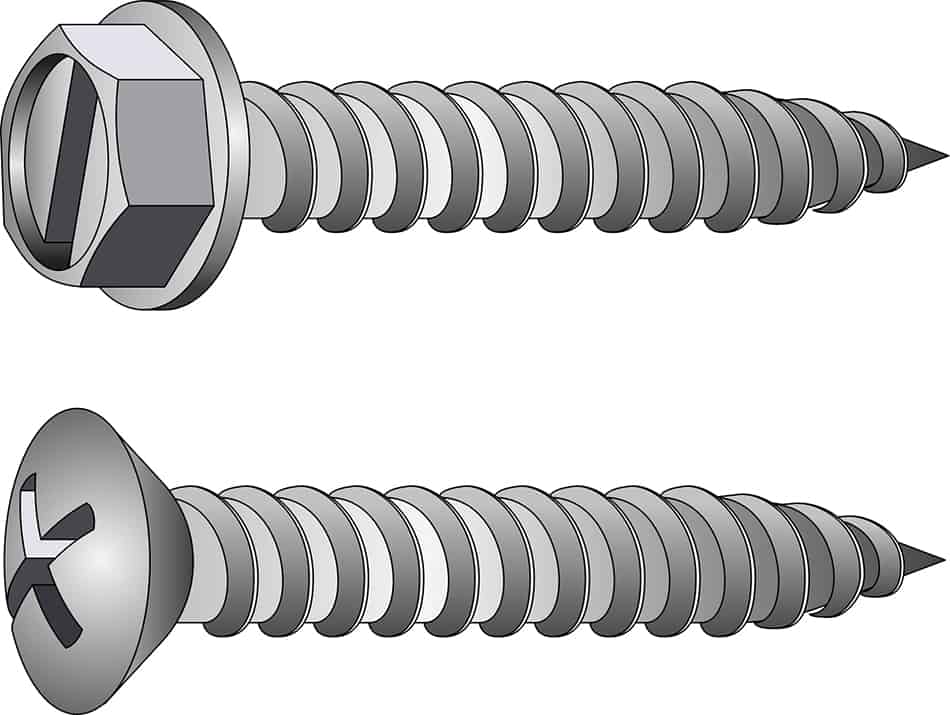
Practical Tip: When using pan head screws, consider if the head will get in the way of anything. If you need a flush finish, you might need to counter-sink the hole, which is a bit more advanced but achievable!
5. Flat Head Sheet Metal Screws (The Sleek Design)
For that super clean, flush finish, the flat head screw is your best friend. These screws have a countersunk head that’s designed to sit perfectly level with the surface of the material. You often see these in furniture, appliances, and anywhere aesthetics are important.
Practical Tip: To use flat head screws effectively, you’ll need to create a countersunk hole in your material. This is usually done with a countersink bit on your drill. It’s a small extra step, but the result is a beautifully smooth finish, no bumps allowed!
Pop Culture Moment: Imagine the sleek interior of a spaceship in a sci-fi movie. Those smooth, seamless panels? You can bet there are flat head screws holding them together, ensuring that futuristic, unblemished look.
6. Round Head Sheet Metal Screws (The Classic Look)
Similar to pan heads, round heads have a domed shape. However, they tend to be a bit more decorative and are often used where the screw head will be visible and you want a more traditional or finished appearance. Think of older appliances or decorative metalwork.
Practical Tip: Round head screws are great for applications where you don't want sharp edges to snag on things. Their rounded profile is a bit gentler on fabric or other materials that might come into contact with them.
7. Truss Head Sheet Metal Screws (The Wide Stance)
These screws have a very wide, flat, low-profile head. The wide bearing surface distributes the load over a larger area, making them excellent for fastening thin or soft materials without pulling through or damaging them. They’re like the gentle giant of the screw world.

Practical Tip: Truss head screws are fantastic for attaching things like metal flashing, insulation, or even thin plastic panels where you want to avoid puncturing or distorting the material.
Beyond the Head: Understanding Thread Types
While the head is what you see, the threads are what do the gripping. For sheet metal screws, you'll primarily encounter two main types of threads:
Coarse Threads
These have fewer threads per inch and are generally used for softer materials or where quick installation is needed. They provide good holding power but might not be as secure in harder materials.
Fine Threads
These have more threads per inch, offering a more secure grip, especially in harder metals or plastics. They require more turns to install but can provide a stronger, more vibration-resistant connection.
Practical Tip: When in doubt, a coarse thread is often a good starting point for general sheet metal work. If you find your screws are loosening easily, or you’re working with a very hard material, consider trying a fine-thread option.
Material Matters: What Your Screw is Made Of
Just like your outfit choice depends on the weather, your screw material depends on the environment it’ll live in. The most common materials you’ll find are:
1. Steel Screws
These are your workhorses. They’re strong and durable. For added protection against rust, many steel screws are plated with zinc or cadmium. Zinc plating is the most common and provides a good level of corrosion resistance for general indoor and outdoor use.
Practical Tip: If you’re working in a very humid or corrosive environment (like near the ocean or in a chemical plant), regular zinc-plated steel might not be enough. You might need to look for stainless steel.
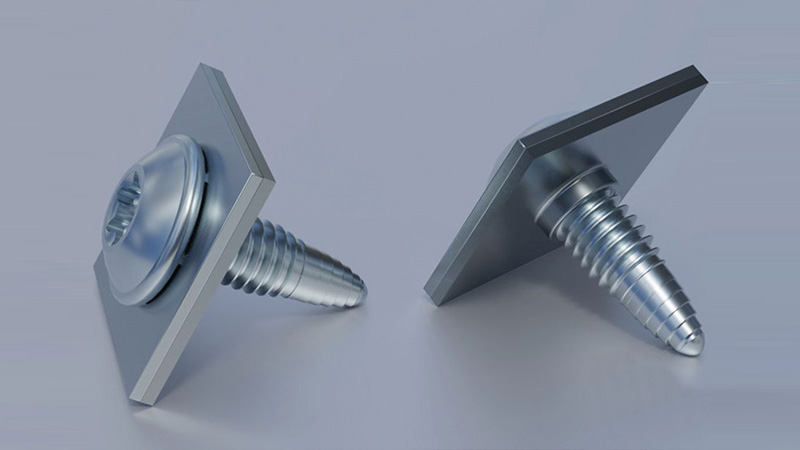
2. Stainless Steel Screws
These are the champions of corrosion resistance. They’re ideal for outdoor applications, marine environments, or anywhere rust is a major concern. While they might cost a bit more upfront, they’ll save you headaches and replacement costs down the line.
Fun Fact: The “stainless” in stainless steel refers to its resistance to staining and rusting. It’s not completely invincible, but it’s darn close for most everyday purposes!
3. Brass Screws
Brass screws are less common for heavy-duty sheet metal work but are sometimes used for their aesthetic appeal or in applications where electrical conductivity is a factor. They’re softer than steel and more prone to corrosion than stainless steel.
Putting It All Together: Choosing Your Champion
So, how do you pick the right screw? It’s a bit like choosing the right tool for a specific job. Ask yourself:
- What material am I fastening? (Thin metal, thick metal, plastic, etc.)
- What environment will it be in? (Indoor, outdoor, humid, corrosive?)
- What kind of finish do I need? (Flush, visible, neat?)
- How much strength and security do I need? (Will it be under stress or vibration?)
For most general household fixes and light DIY projects, a standard pan head or flat head steel sheet metal screw with zinc plating will probably do the trick. If you’re building something outdoors that needs to withstand the elements, opt for stainless steel. And if you want to save time and effort on thicker materials, a self-drilling screw is your best bet.
Final Thought: Don't be afraid to experiment (on scrap pieces, of course!). The best way to learn is by doing. Grab a few different types of screws and see how they perform. You’ll quickly develop an instinct for what works best.
A Small Screw, A Big Impact
It’s funny how something as small and seemingly insignificant as a sheet metal screw can have such a profound impact on the integrity and appearance of our projects. They’re the quiet enablers, the tiny titans holding things together, often going unnoticed until something isn’t right. Whether it’s the secure connection on your car’s bumper, the smooth finish of your kitchen appliances, or that sturdy shelf you rely on every day, sheet metal screws are there, doing their essential job.
Next time you’re faced with a fastening task, take a moment. Consider the humble sheet metal screw. It’s not just a piece of metal; it’s a carefully designed solution. And understanding these little guys can empower you to tackle more projects with confidence and, dare I say, even a little bit of enjoyment. Happy screwing!