
Types Of Steel Used In Construction
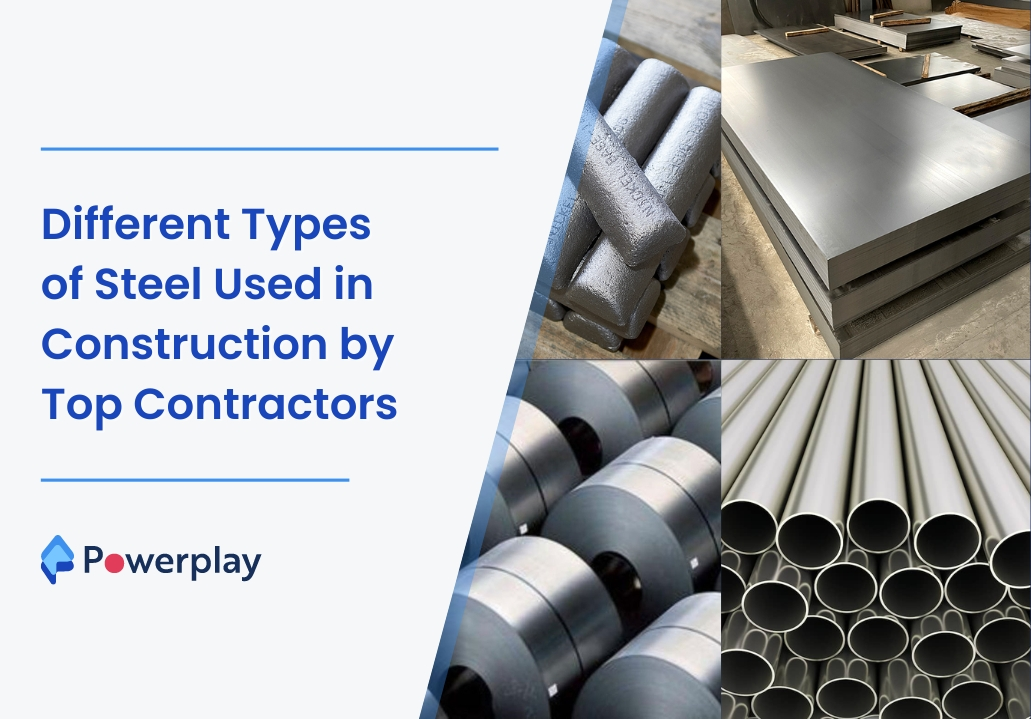
Ever looked up at a towering skyscraper and wondered, "How in the world does that thing stand up?" Or maybe you've driven over a bridge, felt that slight rumble, and thought, "Is this thing going to hold?" Well, a huge part of that answer, the unsung hero of our built world, is steel. Yep, that shiny, strong stuff is the backbone of so much of what we see and use every single day. And guess what? Not all steel is created equal! It's like comparing a trusty old screwdriver to a fancy, high-tech laser cutter – both do a job, but they're made for different things.
Let's dive into the wonderful, sometimes bewildering, world of steel used in construction. Think of it as a buffet of super-strong metals, each with its own special superpowers. And why should you, a person who probably spends more time thinking about what's for dinner than structural integrity, care? Because understanding a little bit about steel helps you appreciate the incredible engineering all around you. It's like knowing a little about what makes your favorite comfort food so delicious – it just adds to the enjoyment, right?
The Usual Suspects: The Workhorses of Steel
When most people think of construction steel, they're probably picturing those familiar rebar rods you see sticking out of concrete foundations, or the giant I-beams that form the skeleton of buildings. These are the real deal, the everyday heroes.
Carbon Steel: The Strong, Silent Type
This is your most common player. Think of it as the reliable friend who's always there for you. It's basically iron with a bit of carbon added in. The more carbon, the harder and stronger it gets, but it can also become a bit more brittle. Too little carbon, and it's more like… well, just iron, which isn't quite strong enough for our lofty ambitions.
The magic of carbon steel is its sheer strength and its affordability. It's the workhorse that can bear incredible loads. Imagine building a bridge. You need something that can withstand the weight of countless cars, trucks, and maybe even a rogue elephant (okay, maybe not an elephant, but you get the idea!). Carbon steel is often the go-to for these kinds of demanding jobs.
You'll see it in concrete reinforcement bars (rebar), those metal grids that give concrete its backbone and stop it from cracking like a dropped cookie. They’re like the internal scaffolding for your concrete driveway, ensuring it doesn’t turn into a jigsaw puzzle after a few harsh winters. It's also used for structural beams, the big, chunky metal shapes that hold up floors and walls.

A fun (or maybe not so fun, depending on your perspective!) fact: if you’ve ever been to a playground and seen those robust, metal frames for swings or slides, chances are they’re made from carbon steel. Tough stuff, built to handle all sorts of energetic activity!
Structural Steel: The Big Kahuna Beams
This is essentially a refined type of carbon steel, specifically manufactured for its structural properties. It's been tested, tweaked, and certified to meet all sorts of rigorous standards. Think of it as the premium, extra-strong version of carbon steel, designed for the most critical roles.
These are your iconic I-beams (shaped like the letter 'I') and H-beams (shaped like the letter 'H'). They're like the giant Lego bricks of the construction world. Engineers love them because their shape distributes weight incredibly efficiently. It’s a bit like how a good posture helps you stand taller and straighter – these beams are designed to spread the load, making them super effective at holding up massive structures.
When you see a building going up, and there are those huge, often reddish-brown metal shapes being craned into place, that’s structural steel. It's the skeleton that will eventually be covered up by walls and windows, but it’s the part that’s doing all the heavy lifting, quite literally.

Stepping Up the Game: Steel with Special Skills
But what if you need steel to do more than just be strong? What if you need it to resist rust, or be incredibly flexible, or even blend in with its surroundings? That’s where the more specialized steels come in.
Stainless Steel: The Shiny, Rust-Resistant Superstar
Ah, stainless steel! The material that makes our kitchen sinks gleam and our cutlery sparkle. In construction, it’s a bit of a superhero. Its secret weapon? Chromium. When chromium is added to steel, it forms a thin, invisible layer on the surface that protects it from rust and corrosion. It’s like giving the steel a magical force field!
Why is this important for buildings? Well, imagine a skyscraper standing tall through rain, snow, and salty sea air. If it were made of regular carbon steel, it would start to rust and degrade over time, compromising its safety. Stainless steel is fantastic for exterior elements, window frames, decorative features, and even in areas where hygiene is crucial, like hospitals.
It’s also the material of choice for those sleek, modern architectural designs. Think of those beautiful glass and steel buildings that look like they’ve landed from the future. Often, stainless steel is the material lending that elegant, long-lasting sheen. It’s a bit pricier than plain old carbon steel, but for certain applications, its resistance to the elements makes it totally worth it.
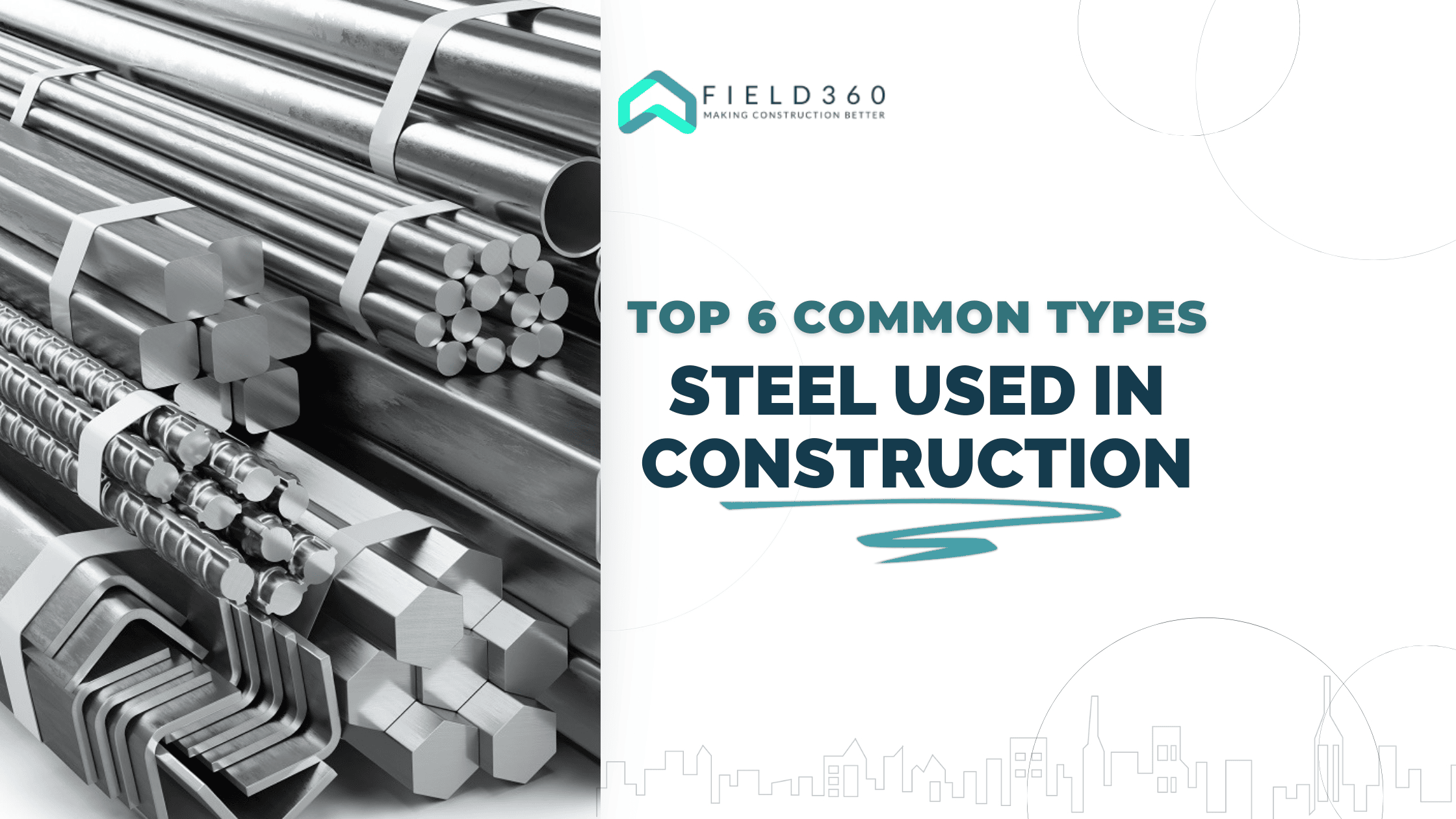
You might even see stainless steel used in things like handrails on outdoor stairs or in coastal areas where the air is thick with salt. It's that reliable friend who looks good, stays strong, and doesn't get grumpy (rusty) in bad weather.
Weathering Steel (Corten Steel): The Rust-Looker that's Actually Protected
This is where things get really interesting, and a little bit like a trick. Weathering steel, often known by its brand name Corten, is designed to rust – but in a very controlled and beautiful way.
Initially, it looks like regular steel, but over time, it develops a stable, rust-like appearance. This isn't your usual flaky, destructive rust. This is a protective patina, a sort of armor that forms and prevents further corrosion. It’s like a chameleon changing its colors to blend in, but in this case, the color change actually makes it stronger!
You’ve probably seen this in public art installations, modern bridges, or even the cladding on some buildings. That beautiful, earthy, reddish-brown, textured look? That’s weathering steel. It’s incredibly low-maintenance because once it’s established its protective layer, it basically takes care of itself.
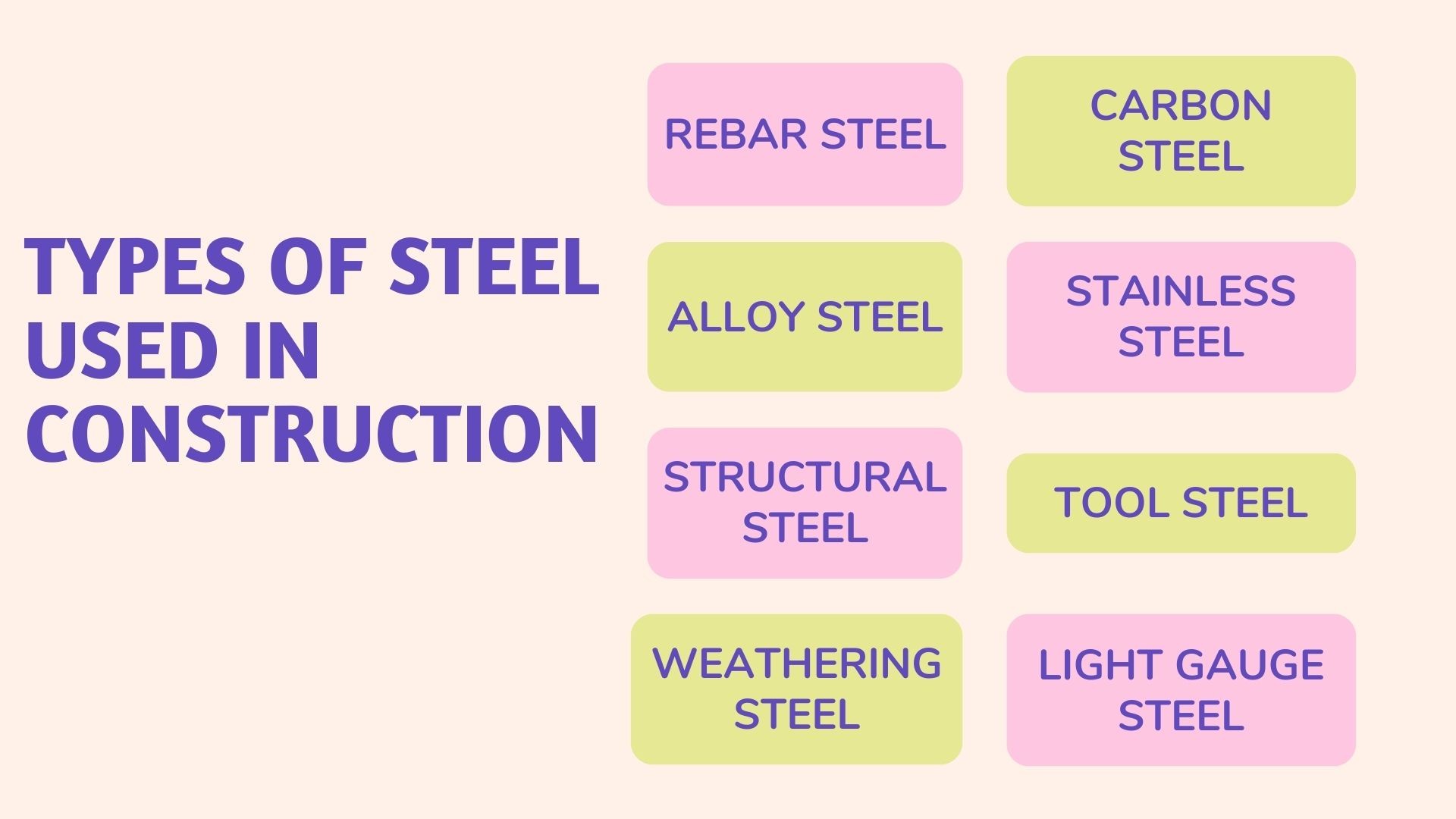
Imagine a park bench made of this stuff. Instead of looking worn and neglected after a few years, it develops this lovely, mature look that fits right in with the natural surroundings. It’s a clever bit of engineering that sacrifices a bit of immediate shine for long-term resilience and a unique aesthetic.
Why Should You Even Bother Knowing This?
So, why all this talk about different types of steel? Because it’s a little reminder of the ingenuity and science that goes into building the world around us. Next time you’re admiring a bridge, walking into a sturdy building, or even just leaning on a metal railing, take a moment to appreciate the incredible material holding it all together.
Understanding that steel isn’t just one thing, but a family of materials with diverse talents, helps us appreciate the choices engineers make. They’re not just picking the cheapest or the easiest; they're selecting the right steel for the job, considering everything from how much weight it needs to hold, to how it will react to the weather, to how it will look.
It’s a subtle appreciation for the unseen. It’s knowing that the strength and beauty you see in our cities and infrastructure are built on a foundation of carefully chosen, remarkably strong metals. So, go forth, and maybe, just maybe, you’ll look at a building a little differently. You might even find yourself saying, "Ah, yes, a classic example of structural steel, no doubt!" And that, my friends, is pretty cool.