
Ultrasound For Blocked Fallopian Tubes
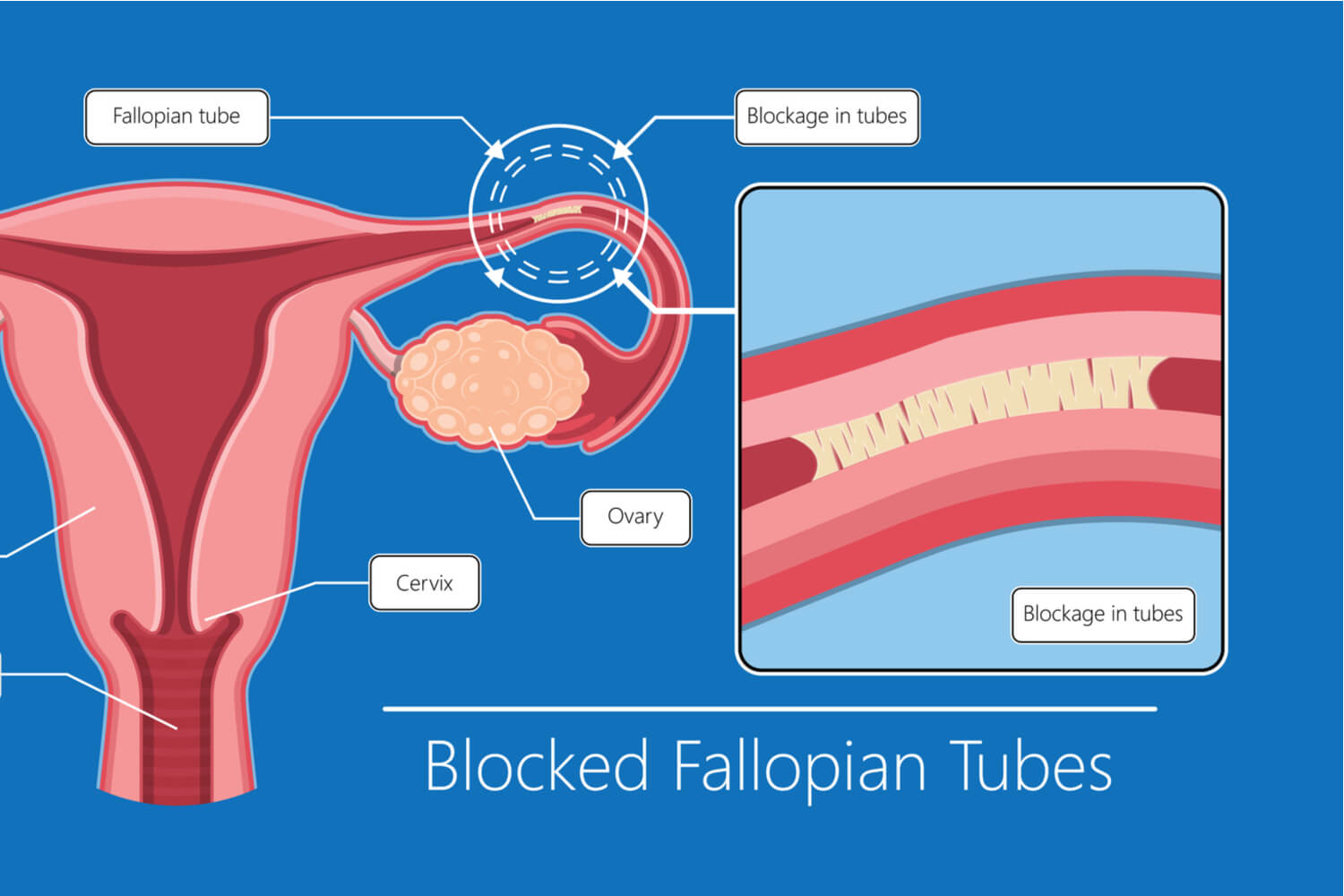
Hey there, curious minds! Ever wondered about all those amazing medical technologies out there that help us understand what’s going on inside our bodies? Today, we’re going to dive into something pretty fascinating: ultrasound for blocked fallopian tubes. Sounds a bit technical, right? But trust me, it’s actually super cool and quite like a peek behind the curtain of a really important part of female health.
So, what exactly are we talking about here? Imagine your fallopian tubes are like tiny, delicate highways. These highways are super important because they’re the path that an egg takes from the ovary to the uterus, and where sperm often meet that egg for the beginning of a pregnancy. Pretty crucial, wouldn't you say?
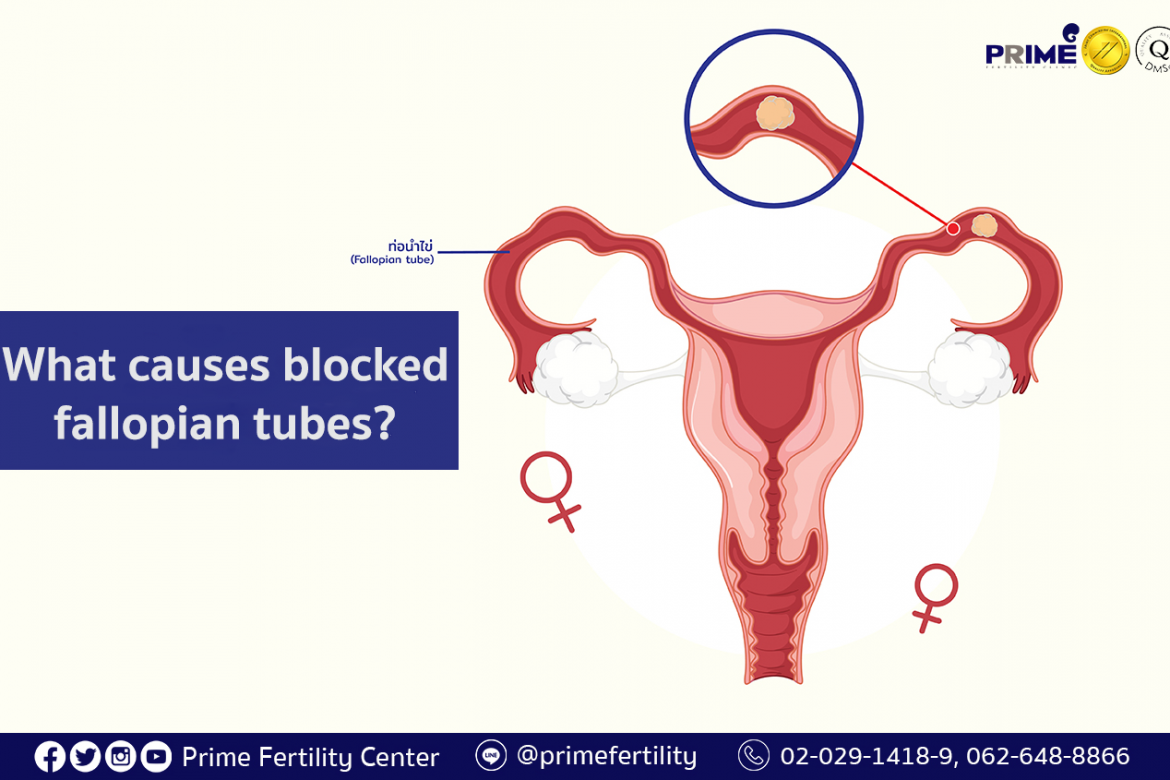
Sometimes, these highways can get… well, blocked. Think of it like a traffic jam or a tiny roadblock that prevents the egg or sperm from traveling freely. This blockage can make it tricky for conception to happen naturally. And when that’s a concern, doctors often look for ways to check these little tubes.
Enter the trusty ultrasound! You’ve probably seen ultrasounds before, maybe when a friend or family member is expecting a baby. They use sound waves, kind of like how bats navigate in the dark, to create images of what’s happening inside. It’s completely non-invasive, meaning no cutting or poking is involved, which is always a big plus in my book!
Now, for a while, the standard way to really check if those fallopian tubes were open involved a procedure called a hysterosalpingogram, or HSG. This is where they inject a special dye into the uterus and take X-rays to see if it flows through the tubes. It's effective, no doubt, but it can be a bit uncomfortable, and it involves radiation. So, naturally, science has been looking for gentler, more informative alternatives.
And that’s where ultrasound really shines! Instead of just looking at the organs themselves, doctors can use special ultrasound techniques to actually see if there’s a flow through those fallopian tubes. How neat is that? It’s like upgrading from a static map to a live traffic report!

There are a couple of ways this is done, and they’re both pretty clever. One common method is called a Saline Infusion Sonogram (SIS), sometimes also referred to as a Sonohysterography. This is where they gently infuse a sterile saline solution into the uterus. This saline acts like a contrast agent, making the inside of the uterus and the openings of the fallopian tubes much more visible on the ultrasound screen.
Think of it like adding colored water to a clear pipe. You can then see exactly where the water goes and, more importantly, if it doesn't go somewhere it’s supposed to. As the saline fills the uterus, the sonographer (that’s the person performing the ultrasound) can watch to see if the fluid spills out into the abdominal cavity, which would indicate that the fallopian tubes are open.
If the saline accumulates in the uterus and doesn't seem to be flowing out, or if the pattern is abnormal, it could suggest a blockage. It’s like seeing the colored water just pooling and not moving down the pipes. Pretty straightforward, right?
Another, perhaps even more advanced, technique is called 3D Ultrasound with Saline Infusion. Now, this is where things get really cool. While 2D ultrasound gives you a flat, slice-like image (think of a single frame from a movie), 3D ultrasound can create a more three-dimensional picture. This allows doctors to get a much better spatial understanding of the uterine cavity and the fallopian tubes.
Imagine building a Lego model of a complex structure. A 2D image is like looking at one side of it. A 3D image is like being able to walk around it and see it from every angle. For fallopian tubes, which are these intricate, winding structures, that 3D perspective can be incredibly helpful in pinpointing exactly where a blockage might be occurring and what its shape might be.
The whole process is usually quite quick, often taking less than an hour. You might feel some mild cramping, similar to period cramps, during the procedure, especially when the saline is being infused. But for most people, it’s very manageable, especially when you consider what we’re trying to learn.

Why is this so interesting and important? Well, for individuals and couples trying to conceive, understanding the condition of their fallopian tubes is a really significant step in their fertility journey. If there's a blockage, it can explain why getting pregnant is difficult, and it can guide the next steps in treatment.
Before these advanced ultrasound techniques became more common, a lot of women might have gone through more invasive or less precise tests. The ability to get such detailed information about the fallopian tubes using a simple, painless ultrasound is a huge leap forward in fertility diagnostics. It’s like going from using a magnifying glass to using a high-powered microscope – you just see so much more!
Plus, the fact that ultrasound uses sound waves and not radiation is a big win. It means it's safer for repeat examinations if needed and generally more comfortable for the patient. This gentle approach can really reduce anxiety for people who are already going through a stressful time trying to conceive.

It’s also worth noting that ultrasound isn’t just for finding blockages. It's a fantastic tool for evaluating the overall health of the uterus and ovaries too. So, when a doctor uses ultrasound for a suspected fallopian tube issue, they're often getting a comprehensive picture of a woman's reproductive health, which is always a good thing.
Think of the sonographer as a detective, and the ultrasound machine as their super-powered magnifying glass, helping them spot the tiniest clues. They’re looking for specific patterns, for the way the fluid behaves, and for any irregularities that might indicate a problem with those vital tubes.
So, next time you hear about ultrasound, remember it’s not just for watching babies grow! It’s a versatile, powerful, and wonderfully gentle tool that plays a crucial role in understanding and addressing many aspects of health, including the fascinating world of fallopian tubes and fertility. It’s a testament to how far medical technology has come, offering less invasive ways to gain vital insights into our bodies.
Isn’t it amazing how science can create these ways to “see” inside us without opening us up? Ultrasound for blocked fallopian tubes is a perfect example of this. It’s a blend of sophisticated technology and a deep understanding of human anatomy, all working together to help people on their path to building families. Pretty powerful stuff, don't you think?