
Vacuum Tube How It Works
Ever wondered about that warm, glowing light inside some of your favorite audio gear, or perhaps the hum of a classic amplifier? That magic is often thanks to a vacuum tube. While transistors have taken over much of modern electronics, vacuum tubes still hold a special place in the hearts of many, and for good reason! They're not just historical relics; they offer a unique sound quality and a fascinating peek into the early days of electronics that many find incredibly satisfying.
So, why are we talking about vacuum tubes? Well, they’re the unsung heroes behind the rich, organic sound of many high-fidelity audio systems, guitar amps, and even some vintage radios. For beginners, understanding vacuum tubes can unlock a deeper appreciation for sound and electronics. Imagine finally knowing why your dad's old tube radio sounds so different from your digital one! For families, it can be a fun, hands-on way to explore science. Think of it like a miniature, controlled lightning show inside a glass bottle! And for hobbyists, especially those into audio or vintage electronics, diving into the world of tubes opens up a universe of customization, repair, and the sheer joy of bringing old technology back to life.
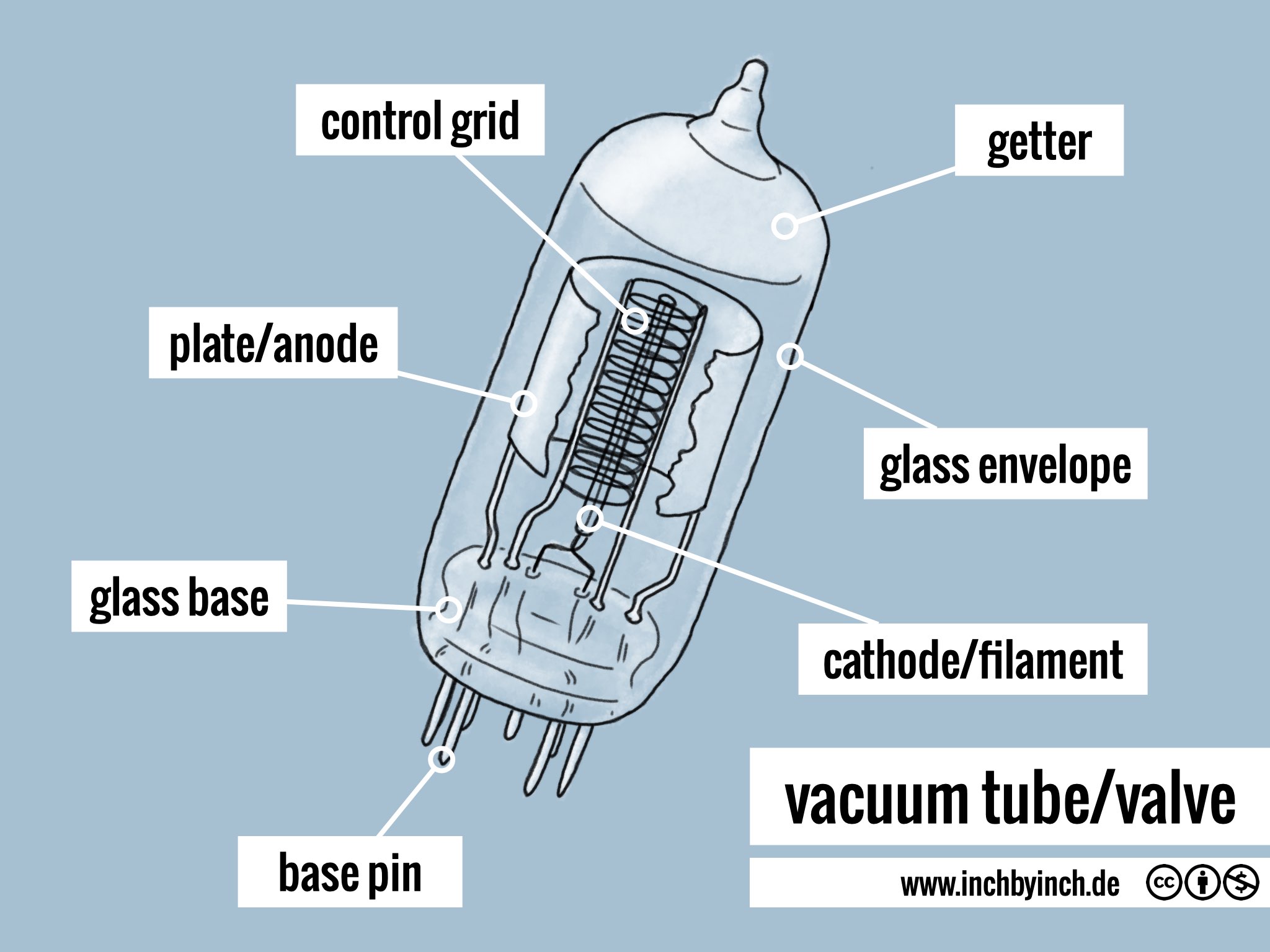
At its core, a vacuum tube is like a tiny electron valve. It works by controlling the flow of electrons in a vacuum. Inside the glass envelope, you'll typically find a few key components: a cathode, which heats up and emits electrons; a plate (or anode), which attracts those electrons with a positive charge; and a grid, which acts like a gatekeeper. By varying the voltage on the grid, you can control how many electrons flow from the cathode to the plate. It's this ability to amplify or switch these electron flows that makes them so useful.
You might have encountered different types of tubes. The most common for audio are triodes, tetrodes, and pentodes, each with slightly different internal structures and characteristics that influence their sound. Guitarists swear by the warm distortion and rich harmonics that tube amplifiers produce, a sound that’s hard to replicate digitally. Even in some modern applications, like high-end audio preamplifiers, tubes are chosen for their specific sonic signature – a certain "mojo" that many find irresistible.

Thinking of getting started? It’s easier than you might think! For a low-cost introduction, you could look for a vintage tube radio at a flea market or online. Carefully cleaning it up and perhaps replacing a few components can be a rewarding project. For audio enthusiasts, consider a tube headphone amplifier. They're often relatively affordable and offer a noticeable improvement in sound quality. Always remember, though, that vacuum tubes can get very hot, and high voltages are involved in their operation. So, a little research and caution are always a good idea. Look for online communities and forums where tube enthusiasts share their knowledge and projects.
In the end, exploring vacuum tubes is about more than just circuits and wires; it's about appreciating a technology that shaped our modern world and continues to offer a unique, enjoyable experience. Whether it’s the satisfying glow, the rich sound, or the simple act of discovery, the world of vacuum tubes is a genuinely fun and rewarding journey for anyone curious enough to peek inside.