
Vacuum Tubes For Old Radios

Remember those old radios? The ones that looked like they belonged in a 1950s diner, all Bakelite and glowing dials? Yeah, the ones that crackled and popped like a campfire before settling into a warm, fuzzy rendition of your favorite oldies. Well, a big part of that magic, that je ne sais quoi, came from something called vacuum tubes.
Think of vacuum tubes like the original tiny rockstars of electronics. Before the sleek, tiny transistors and microchips took over, these glass bulbs were the heart and soul of pretty much everything electrical that needed to amplify or switch signals. Radios, early TVs, even some of the first computers – they all ran on these glowing wonders.
Now, I know what you might be thinking. "Vacuum tubes? Sounds complicated. Like something only super-nerds with pocket protectors would understand." And sure, if you wanted to get deep into the physics of thermionic emission and electron flow, you could. But for the rest of us, it's more like understanding why your grandma's cookies are always the best – it's not just the ingredients, it's the love and a bit of old-school magic thrown in.
Imagine trying to explain a smartphone to someone from the 1800s. They'd probably look at you like you'd lost your marbles. Vacuum tubes are a bit like that, but in reverse. They were the cutting-edge tech of their day, a far cry from the silent, invisible semiconductors we have now.
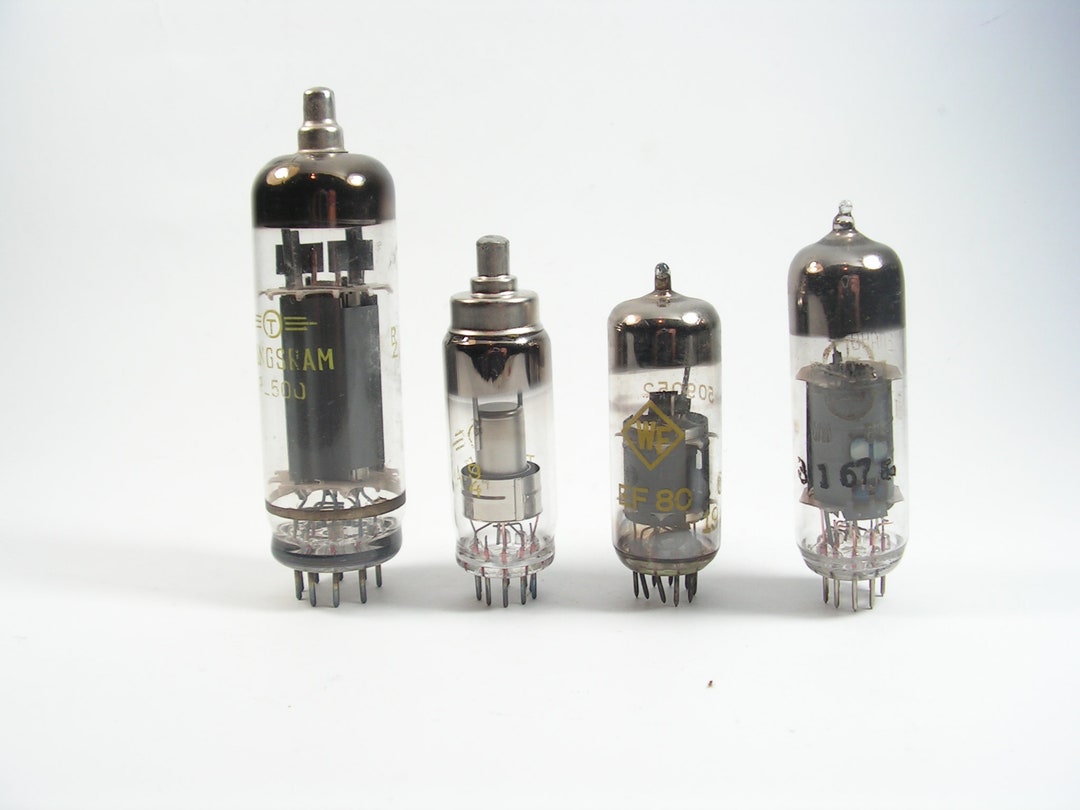
So, what exactly are these things? In their simplest form, a vacuum tube is a sealed glass bulb with most of the air sucked out. Inside, you've got a few metal bits. There's a filament, kind of like the tiny wire in an old light bulb. When you heat that filament up, it releases electrons – think of it as the tube waking up and getting ready to work.
Then you have other parts, like a grid and a plate. These are like the bouncers and the DJ at a cosmic disco. The grid acts like a gatekeeper, controlling the flow of electrons from the filament. The plate is where those electrons eventually land, creating a current. By fiddling with the voltage on the grid, you can amplify a tiny signal into a big one, or switch it on and off.
This amplification is where the magic for our old radios really happened. A weak radio wave picked up by the antenna is like a whisper in a crowded room. The vacuum tube, bless its glowing heart, would take that whisper and turn it into a shout, loud enough for us to hear the music or the news.
And oh, the warmth they produced! Not just the physical warmth of a glowing object, but the sonic warmth. Modern solid-state radios can sound a bit sterile, a bit too perfect. Vacuum tube radios, on the other hand, had a certain richness, a fullness to the sound. It was like the difference between a perfectly digitally remastered track and a beloved old vinyl record – one might be technically cleaner, but the other just feels more alive.
Think about it: when you turned on one of those old radios, there was a moment of anticipation. You'd hear that gentle hiss, then the faint crackle, and then, as the tubes warmed up, the music would bloom. It was a ritual, a little electronic awakening. It wasn't instant gratification; it was a gradual immersion into sound.
I remember my grandfather had an old Philco radio, a behemoth of a thing that sat in his living room like a wise old owl. Every Sunday afternoon, he'd tune it to a baseball game. The sound wasn't crystal clear, mind you. There were always a few static bursts, a bit of drift. But when he'd lean back, close his eyes, and listen to the crack of the bat and the roar of the crowd, you could see the joy on his face. That radio, with its glowing tubes, was more than just a device; it was a portal to another time, a companion.
The sheer physicality of vacuum tubes is also something we miss. They were tangible. You could see them glowing, feel the gentle heat radiating from the radio cabinet. They were like little mechanical hearts beating inside the machine. Transistors, by comparison, are practically invisible, microscopic little things. It's like comparing a hand-carved wooden toy to a mass-produced plastic one – both have their purpose, but one has a story etched into its very being.
Of course, vacuum tubes weren't perfect. They were fragile, prone to burning out, and they generated a fair amount of heat. You wouldn't want to leave a bunch of them running in a small, unventilated room, unless you were going for that sauna-in-a-box effect. And replacing them? That was a whole adventure in itself. You had to know which tube went where, handle them with the delicacy of a bomb disposal expert, and hope you didn't blow anything else up in the process.
But for enthusiasts and collectors, that’s part of the charm. It’s a hobby that requires a bit of dedication and a willingness to get your hands a little dirty. It’s about understanding how things used to work, appreciating the ingenuity of early engineers, and, of course, enjoying that unique sound.
The sound of a vacuum tube radio is often described as "warm," "rich," and "organic." It’s a sound that’s been described as having more "character" than modern digital audio. It’s like comparing a hand-painted portrait to a photograph. The photograph might be more accurate, but the portrait has a soul.
You know, when you think about it, vacuum tubes were kind of like the first analog social media. They connected people to the outside world, bringing news, music, and entertainment into their homes. They fostered a sense of community, as people would gather around the radio to listen to their favorite programs. It was a shared experience, a collective listening.
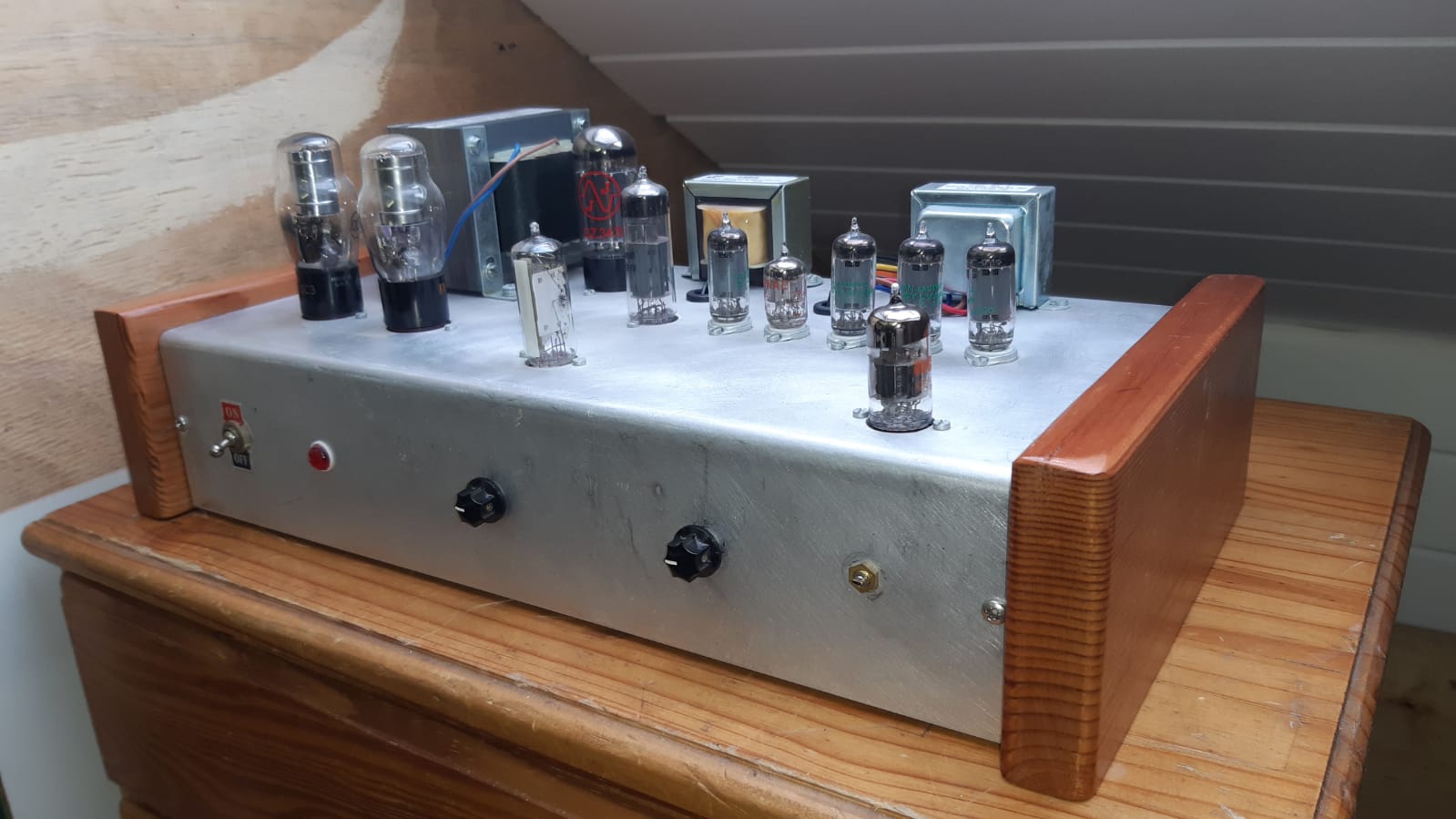
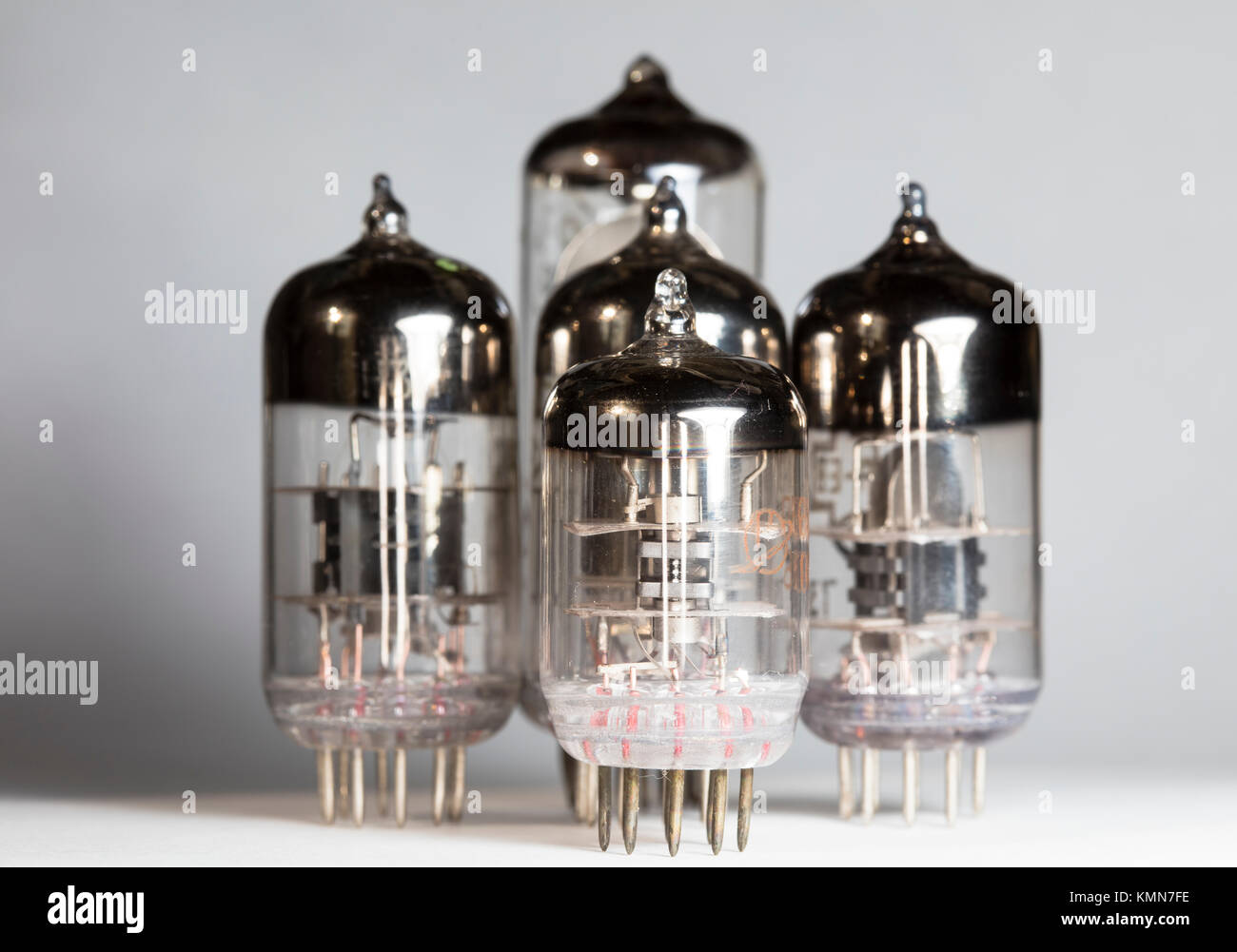
These tubes came in all sorts of shapes and sizes. Some were as small as your thumb, others were as big as a beer bottle. Each type had its specific job, its own personality. You had the rectifier tubes, the power amplifier tubes, the pre-amp tubes – a whole orchestra of glowing glass, each playing its part in bringing sound to life.
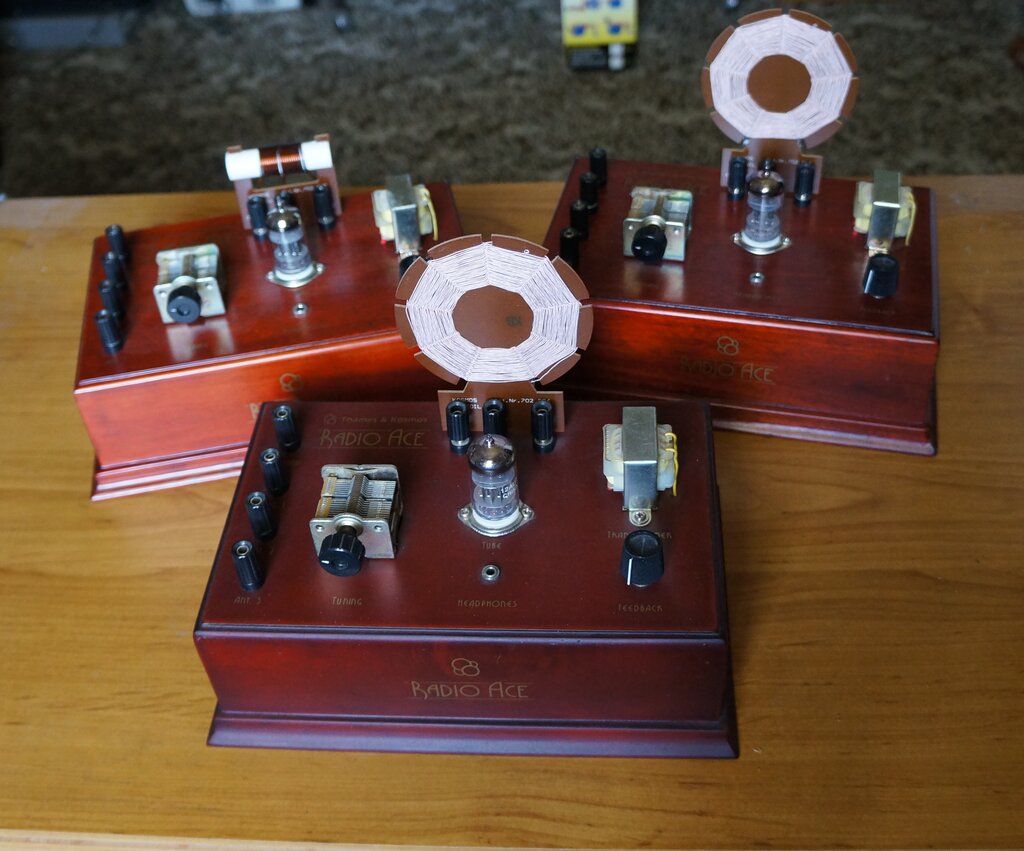
It’s fascinating to think about the evolution. From these glowing glass bulbs, we’ve come to these tiny silicon chips that do a million times more. It’s a testament to human innovation. But there’s a certain nostalgia, a fondness, for the simpler, more visible technology of the vacuum tube era. It’s like looking at old black-and-white photographs; they might not have the vibrant colors of today, but they capture a moment in time, a feeling, that’s deeply resonant.
If you ever get the chance to see an old tube radio in action, I highly recommend it. Don't just listen; observe. Watch the glow, feel the warmth, and listen to that uniquely rich sound. It’s a journey back in time, a tangible connection to an era when technology was a little more... visible. And a whole lot warmer.
It’s not about being better or worse than modern technology; it's about appreciating a different way of doing things, a different aesthetic. Vacuum tubes are a reminder that sometimes, the most enduring magic comes from things that are a little bit old-fashioned, a little bit glowing, and a whole lot wonderful.
So, next time you hear an old radio crackle to life, or see a vintage amplifier with those tell-tale glowing elements, give a little nod to the unsung heroes inside. The vacuum tubes, the original electronic maestros, who brought sound and joy to generations. They might be old school, but their legacy is anything but faded. In fact, for many, that warm, glowing sound is the gold standard.