
Was Life Of Pi Based On A True Story
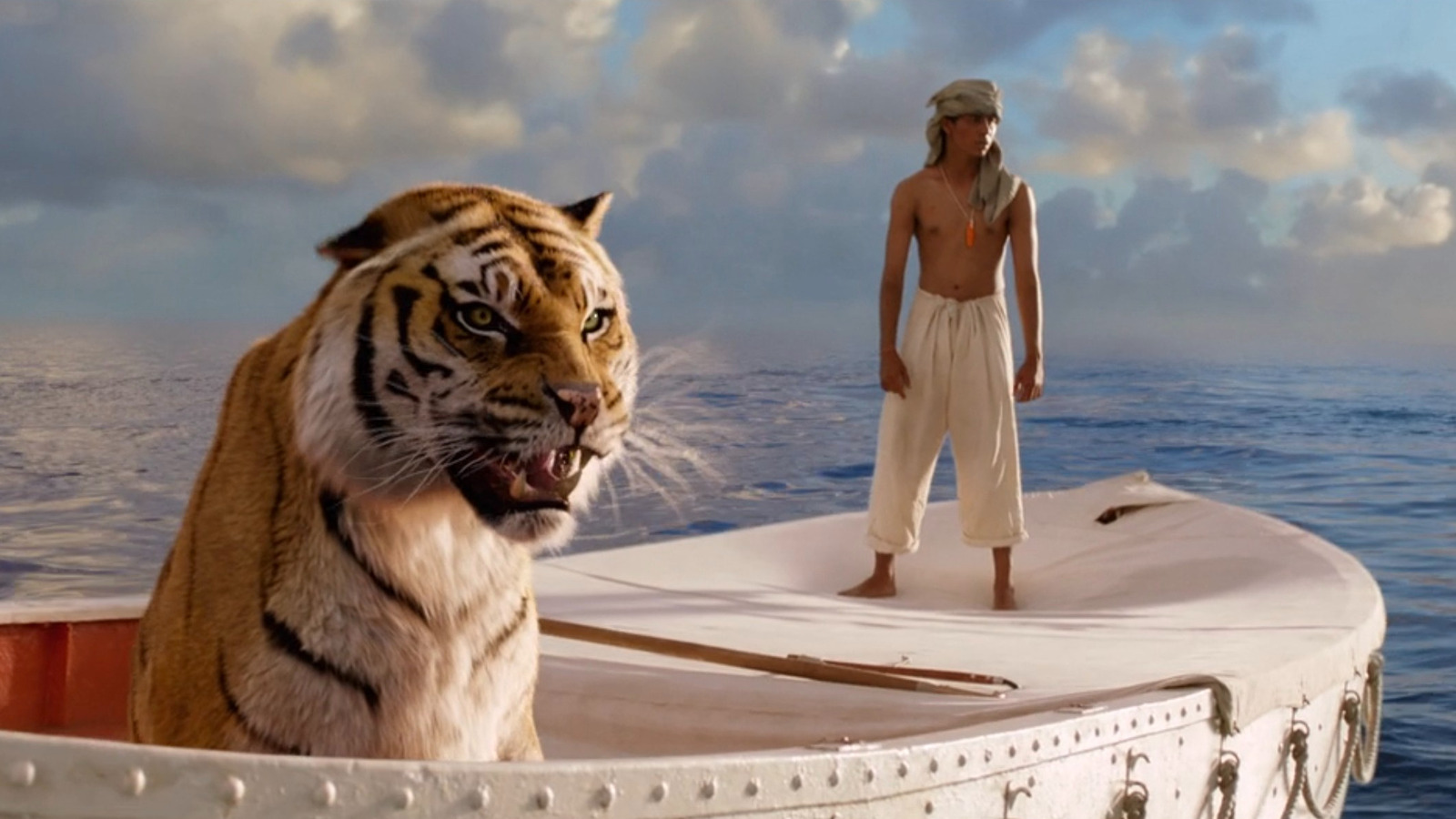
So, you’ve seen Life of Pi. Or maybe you’ve read the book. Either way, you’ve probably been left with your jaw on the floor. A boy, a tiger, and a whole lot of ocean. It’s quite the tale, isn’t it?
The movie is stunning. The book is even more so. It makes you question everything you thought you knew about survival. And maybe about tigers. And maybe about vegetarians.
But here’s the big question that pops into everyone’s mind. Was it real? Did this actually happen? Like, to a real kid named Pi? A real tiger named Richard Parker?
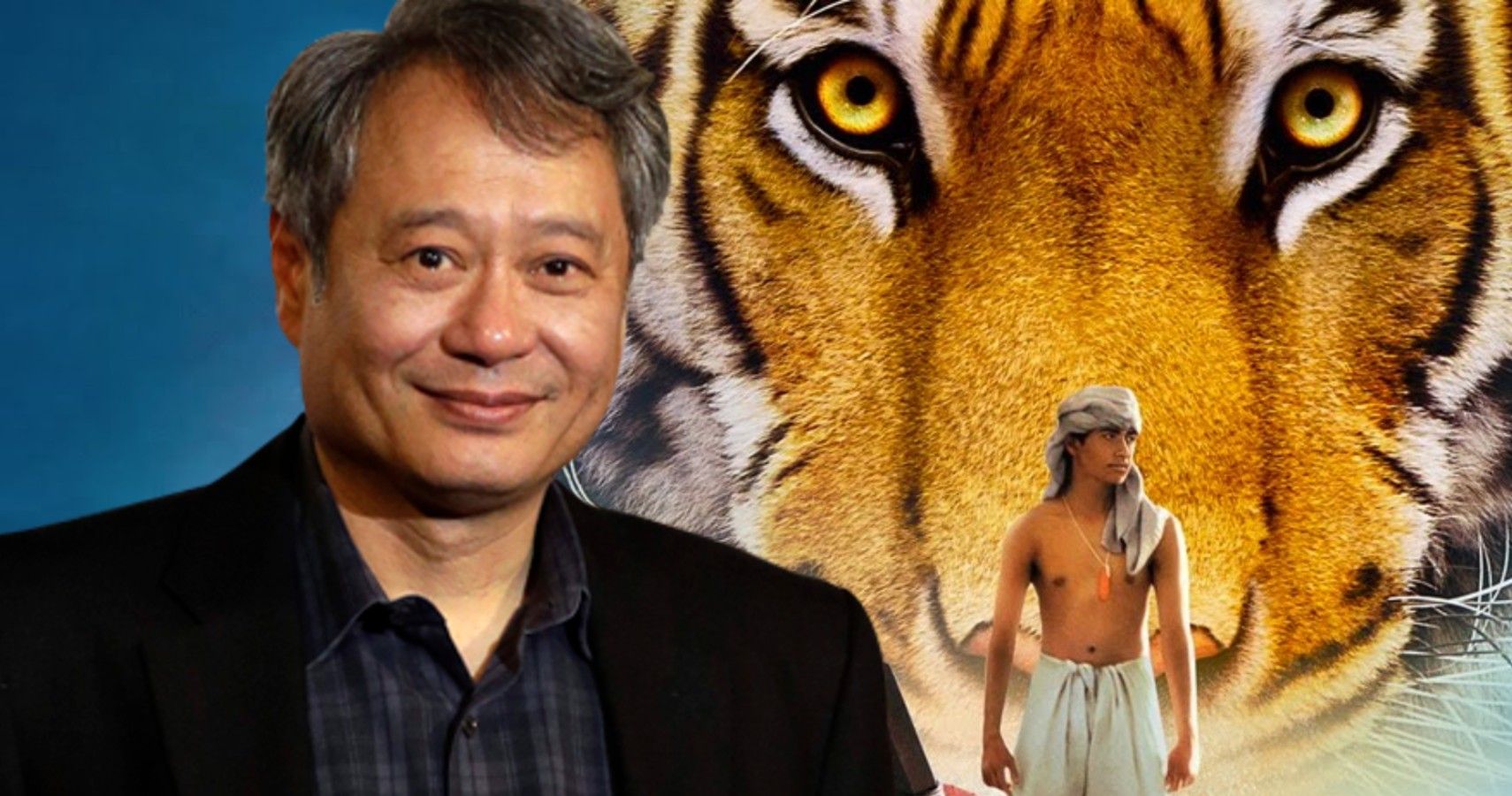
The easy answer is no. The official answer is no. The answer from the author, Yann Martel, is a very polite and firm no. He’s said it’s a story. A beautiful, complex story. But a story nonetheless.
And for most people, that’s that. They accept it’s fiction. They admire the artistry. They discuss the deeper meanings. They ponder the nature of belief and storytelling.
But let’s be honest, sometimes you just want it to be true. Right? You want to believe that somewhere out there, a plucky young man named Pi Patel had an adventure that would make Bear Grylls faint.
It’s that little voice in the back of your head. The one that whispers, “But what if?” What if there’s a hidden truth? What if the author is just being coy?
Think about it. The details! The sheer, mind-boggling detail of it all. The way Pi describes the tiger’s behavior. The way he fishes. The way he… well, you know. It feels so earned. So lived-in.
It’s like when you hear a really good urban legend. You know it’s probably not true, but a tiny part of you hopes it is. You want to believe in the extraordinary happening in ordinary places.
And Life of Pi is brimming with the extraordinary. A boy who talks to a tiger. A tiger who doesn't eat the boy. A lifeboat that becomes a whole universe. It’s the stuff of legends.
So, my admittedly unpopular opinion? What if the story is true, but not in the way we usually think? What if the "truth" is in the feeling of the story?
Hear me out. We all tell stories to make sense of our lives. We embellish. We rearrange. We focus on the parts that make the narrative compelling.
What if Pi did have a terrible ordeal at sea? What if he was alone and fighting for survival? And what if, to cope, he created this incredible narrative? A way to make the unbearable, bearable?
This is where my little conspiracy theory, my innocent little “what if,” comes in. What if the tiger, Richard Parker, wasn’t a literal tiger?

Could Richard Parker be a metaphor? A symbol? Or maybe… just maybe… a slightly less ferocious, more cuddly form of the terrifying reality Pi faced?
Perhaps the real "tiger" was the sheer terror. The isolation. The raw, untamed part of himself he had to confront to survive.
And the lifeboat? That was his tiny, fragile existence. The ocean? The overwhelming chaos of life.
This is where it gets fun. Because if you think about it this way, the story becomes even more true. It taps into a deeper, more universal truth about human resilience.
It’s the kind of truth that resonates in your soul. The kind that makes you nod your head and say, “Yeah, that makes sense.” Even if it’s not a factual, blow-by-blow account.
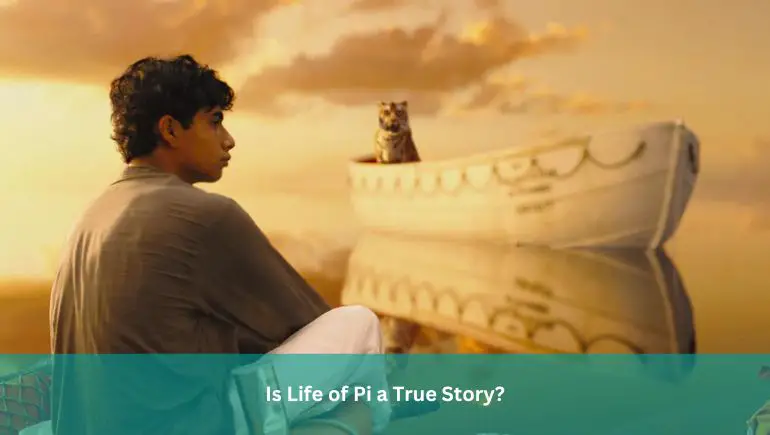
Imagine Pi, years later, telling his story. He’s survived. He’s processed. He’s found a way to explain the inexplicable. And the story he tells is the one that helps him, and perhaps helps others.
The book offers two endings. One with the animals. One without. The one without is often seen as the "real" ending. The harsh, human reality.
But what if the animal story isn't about escaping reality, but about processing it? What if Richard Parker is the way Pi learned to tame his own inner beast? The beast of despair, of fear, of the will to give up.
It’s like when you’re a kid and you have a imaginary friend. That friend isn’t “real” in the conventional sense, but they are incredibly real to you. They help you navigate the world.
And Yann Martel is such a brilliant storyteller. He knows this. He’s created a narrative so powerful that it feels true, whether or not a tiger was literally on that boat.
So, was Life of Pi based on a true story? My heart, and perhaps my slightly whimsical brain, says yes. Not in the way a history book is true. But true in the way that all great stories are true.
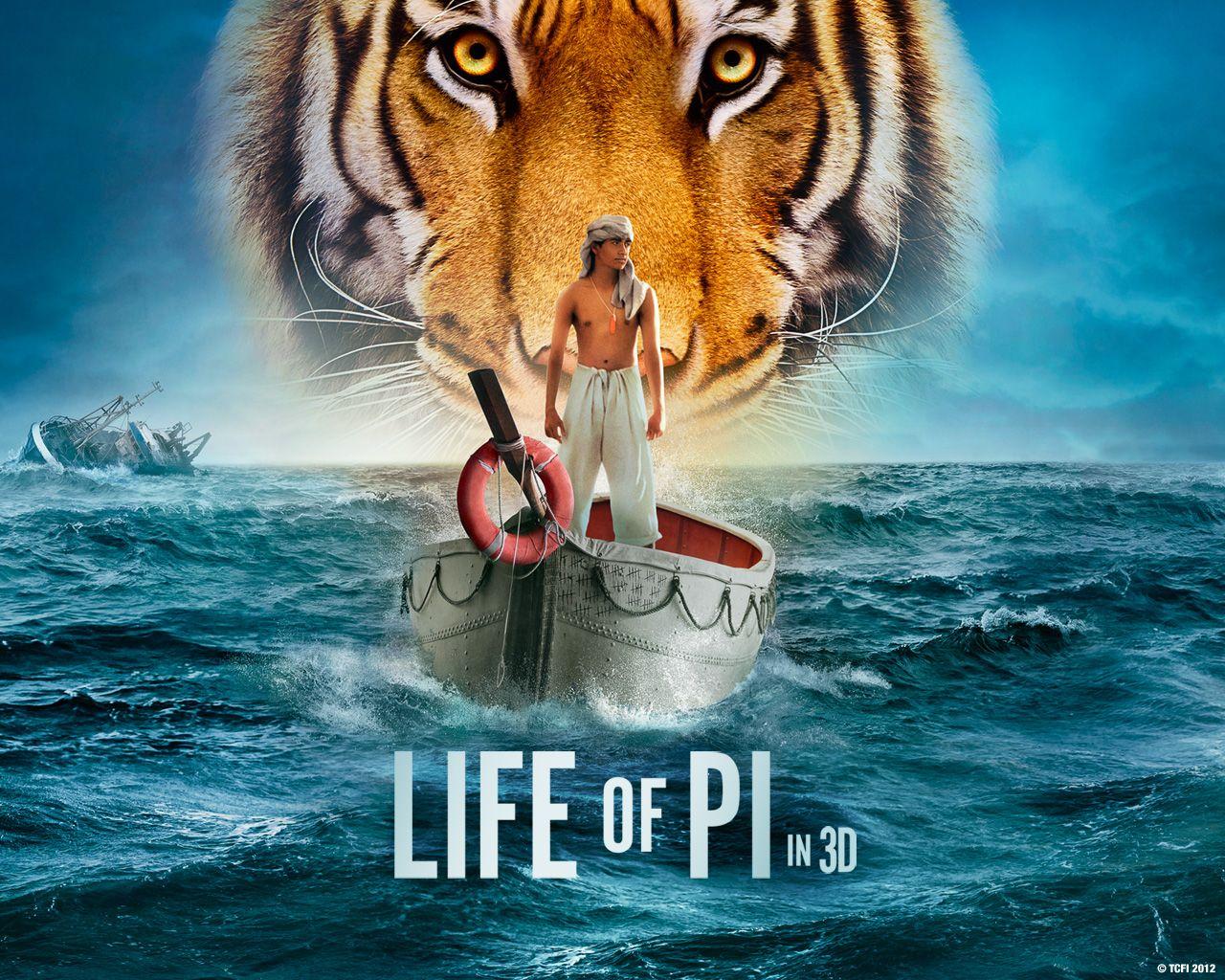
They are true to the human experience. True to our capacity for wonder. True to our desperate, beautiful need to find meaning in the chaos.
And sometimes, the most profound truths are the ones we weave for ourselves. The ones that help us survive. The ones that, like a tiger on a lifeboat, are both terrifying and utterly, undeniably, alive.
So next time you watch the movie or read the book, I encourage you to embrace the ambiguity. Let yourself believe in the possibility. Because isn't that the magic of storytelling?
It allows us to explore the impossible. To question the real. And to find a little bit of truth, even in the most unbelievable of tales.
Perhaps Pi’s story is a testament to the power of narrative. How we shape our past to make sense of our present. How we can find courage in the face of overwhelming odds, even if that courage wears the stripes of a Bengal tiger.
It’s a story that stays with you. A story that sparks conversations. A story that, in its own fantastical way, feels deeply, profoundly, real.