
Welding Aluminum With Stick Rods
Hey there, fellow tinkerers and metalheads! Ever stared at a pile of shiny aluminum and thought, "Man, I'd love to stick-weld that bad boy"? Well, buckle up, buttercup, because we're diving into the wonderfully weird world of welding aluminum with stick rods. Yeah, you heard me. Stick rods. On aluminum. It's like trying to high-five a greased watermelon. Sounds impossible, right? That's the fun part!
Most folks hear "stick welding" and picture thick steel beams. Blacksmiths and farm repairs. But aluminum? Oh, aluminum is a different beast. It's lighter, it's shinier, and it's way more prone to melting into a puddle of nope than its steel cousins. So, when you bring stick rods into the equation, things get… interesting.
The Aluminum Enigma
First off, why is aluminum such a diva? It has this super-thin, super-tough oxide layer that forms the second it sees air. Think of it as aluminum's personal force field. This oxide layer melts at a much higher temperature than the aluminum itself. So, while you're trying to melt the metal, you're actually fighting this stubborn crust. It's like trying to peel a banana with oven mitts on.
And then there's the heat. Aluminum is a heat hog. It soaks up heat like a sponge. This means your weld puddle can disappear faster than free donuts in the breakroom. You have to be quick, decisive, and maybe a little bit lucky. It's a dance, a frantic jig really, between melting and not melting.
Why Even Bother? The Quirky Charm
So, with all these challenges, why would anyone, anyone, even consider stick welding aluminum? Well, for starters, it's just plain cool. It’s like mastering a secret handshake. Plus, sometimes, you just don't have that fancy TIG setup lying around. Maybe you're out in the middle of nowhere, fixing up an old boat trailer, and all you've got is your trusty old stick welder and a pile of aluminum bits. Necessity, my friends, is the mother of invention. Or in this case, the mother of slightly-less-than-perfect but still-holding-together aluminum welds.
There's also a certain rugged charm to a stick-welded aluminum piece. It's not going to be pretty, pristine perfection. It's going to have character. A bit of splatter, maybe a few humps and valleys. It tells a story of struggle and perseverance. Like a well-worn leather jacket. You just gotta embrace the imperfections!

The "Secret Sauce": Choosing Your Rods
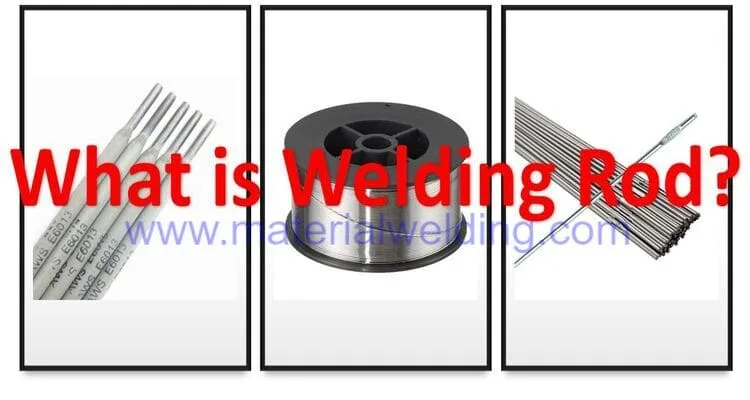
Now, you can't just grab any old stick rod and expect magic. Aluminum welding rods are a special breed. The most common ones you'll find are the 4043 and 5356 types. Think of them as the main characters in our aluminum welding drama.
The 4043 rod is like the dependable friend. It's easier to use, flows pretty well, and is great for general-purpose stuff. It's also less prone to cracking, which is a huge win when you're dealing with a metal that loves to split like a bad relationship. It's your go-to for most everyday aluminum projects.
The 5356 rod, on the other hand, is the daredevil. It's stronger, tougher, and can handle more stress. It’s like the action hero of aluminum welding rods. But it’s also a bit more prone to cracking, so you gotta treat it with respect. Think of it for those high-stress applications where you need that extra bit of muscle.
And get this, some people even use brazing rods for aluminum stick welding. Yeah, braze rods! They melt at lower temperatures, which can be a lifesaver when you’re battling that aluminum oxide. It’s a hack, a clever workaround, a little bit of welding wizardry. Just don't tell the purists.

Technique: The Art of the Aluminum Wobble
So, you've got your rods. Now what? This is where the real fun begins. You need to develop the "aluminum wobble." It's not a dance move, though it might look like one. It's a quick, oscillating motion, a little zig-zagging back and forth. You're not just holding the rod still; you're constantly moving.
Imagine you're trying to draw a straight line with a nervous squirrel holding a crayon. You need to keep that crayon moving, guiding it along the path. The wobble helps you spread the heat, prevent burn-through, and push that molten puddle along without letting it get out of control. It's about finesse, not brute force.
And polarity? Oh yeah, that matters. For aluminum, you generally want to run on DCEN (Direct Current Electrode Negative). This means the electrode is negative and the workpiece is positive. It helps push the heat into the workpiece and keeps the electrode from getting too hot and melting on you. It’s like giving the electricity a specific direction to travel, so it doesn't get lost on the way.

The "Oh Crap" Moments (and How to Avoid Them)
You will have "oh crap" moments. It’s part of the learning curve. You’ll accidentally melt through a piece. You’ll get a weld that looks like a series of disconnected blobs. You might even set something on fire (hopefully nothing too important!).
The key is to not get discouraged. Think of each failed weld as a valuable lesson. It’s teaching you about heat control, travel speed, and the fickle nature of aluminum. It's a humbling experience, really. A reminder that even the simplest tasks can have their own unique set of challenges.
One common mistake is not cleaning your aluminum properly. Remember that oxide layer? You gotta get rid of it. Use a stainless steel wire brush dedicated only for aluminum. If you use a brush that's touched steel, you'll contaminate your aluminum, and your weld will be sad. Really sad.
Another common pitfall is going too slow. Seriously, if you’re standing around contemplating the meaning of life while welding aluminum with a stick rod, you're probably going to burn through. Move. Keep that puddle flowing. Be like a hummingbird on espresso.
The Glow Up: When It Actually Works
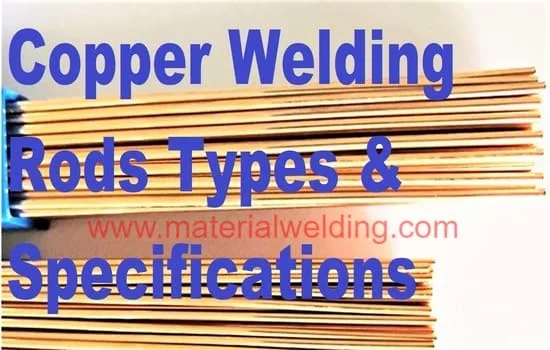
But then, there are those moments. Those glorious, shining moments when it actually works. You lay down a bead that's surprisingly smooth. The pieces fuse together. You tap it with a hammer, and it doesn't fall apart. It’s a small victory, but it feels HUGE. You’ve wrestled with the aluminum beast and emerged (mostly) victorious.
It’s this feeling of accomplishment that keeps people coming back to this quirky little corner of the welding world. It’s not the easiest way to weld aluminum, not by a long shot. But there's something incredibly satisfying about conquering the challenge with a tool that's often overlooked for this particular task.
The Takeaway: Embrace the Weird!
So, if you're looking for a welding challenge that’s a little bit unconventional, a little bit frustrating, and a whole lot of fun, give stick welding aluminum a try. It’s a great way to hone your skills, develop a deeper understanding of different metals, and collect some pretty interesting stories to tell.
Don't be afraid to experiment. Don't be afraid to fail. And whatever you do, don't be afraid to embrace the weirdness of it all. Because sometimes, the most rewarding things in life are the ones that are a little bit tricky, a little bit strange, and a whole lot of fun. Happy wobbling!